Plizio Visual Lab

Paran Valley
Plizio editorial teamData Sources
valley
—°5
Paran Valley (Israel)

Weather…

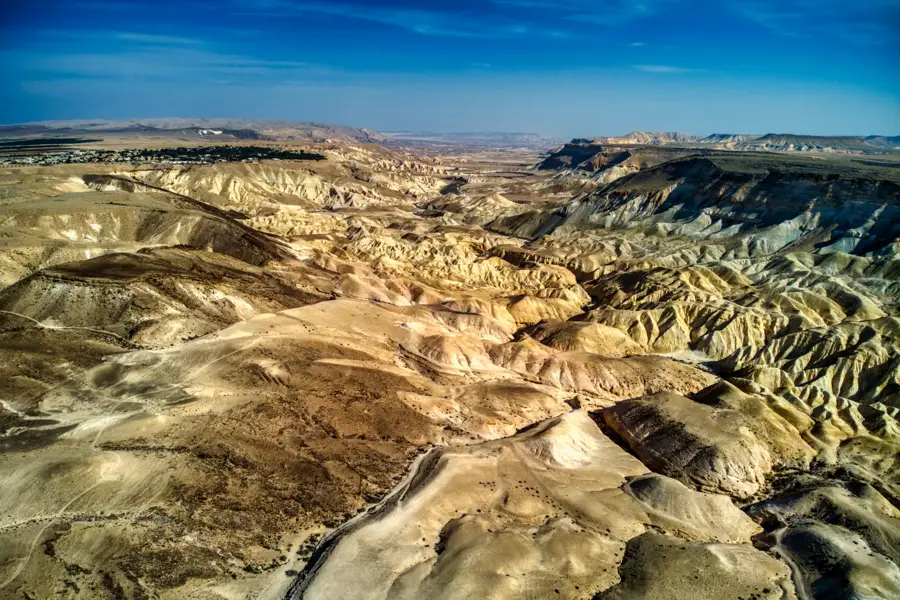
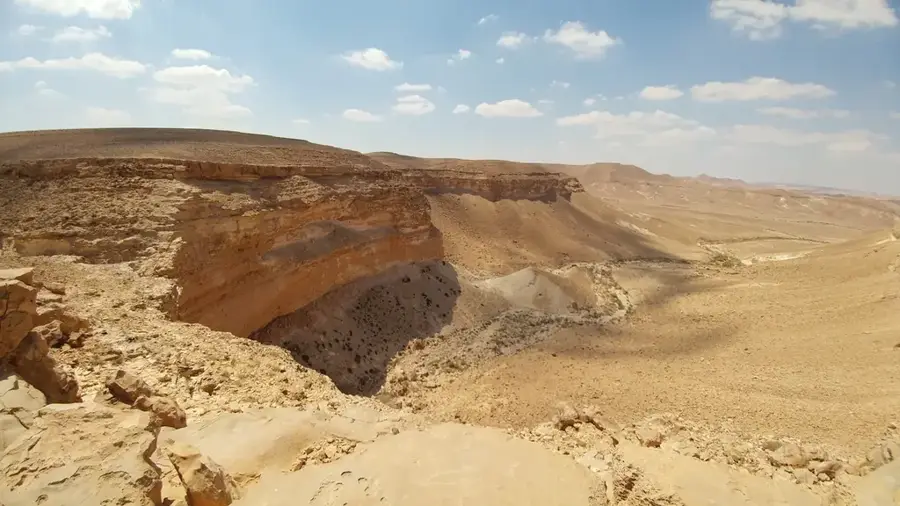
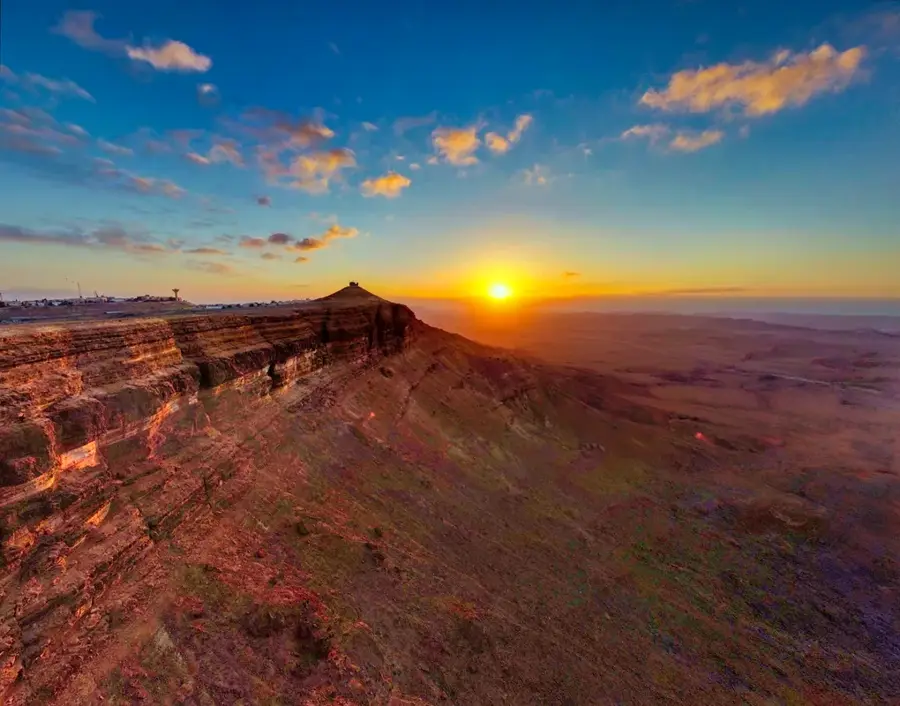
The Paran Valley, dominated by the Nahal Paran wadi, is the largest ephemeral riverbed in Israel and the Sinai Peninsula, stretching approximately 150 kilometers. It originates in the central Sinai of Egypt and flows northeast across the Negev Desert before eventually draining into the Arabah Valley. The valley is characterized by its wide erosional plains and deep limestone formations, carved over millions of years by seasonal flash floods. Geologically, it is part of the larger Syrian-African Rift system, which is reflected in its complex sedimentary layers. Historically, the Paran Valley served as a crucial route for ancient caravans and is frequently mentioned in biblical texts as part of the Wilderness of Paran. Despite the extreme aridity, the valley today acts as a vital ecological corridor for desert wildlife and remains a key site for geological research.

Best time to visit & climate

The most pleasant time to visit is Apr, May, Oct.

JanFebMarAprMayJunJulAugSepOctNovDec
Avg °C111216202427292926231813
Rain mm352815103000271420

📋 Practical info

🧭
Getting there
The Paran Valley is located deep in the Negev and is mostly accessed via Route 40, which is one of the main arteries through the desert. The journey requires a reliable vehicle as distances between settlements are significant.
📅
Best season
The winter months from November to March are the most pleasant for exploration as the heat remains moderate. However, this is also the season when impressive masses of water can surge through the wadi after rainfall.
⛰️
Terrain & paths
The vast valley is characterized by a wide, sandy, and gravelly riverbed flanked by barren desert hills. The terrain is extensive and requires navigational skills, as paths can often change shape after flash floods.
🎒
What to bring
Desert-appropriate gear including sufficient water supplies, sun protection, and navigation aids is absolutely necessary for this remote area. An off-road vehicle is often required to safely reach deeper sections of the valley.
🅿️
Parking
There are no official developed parking lots in the valley; vehicles are usually left at marked stopping points along Route 40 or on firm ground. Never park in dry riverbeds due to the risk of flash floods.
⚠️
Safety
The primary danger is sudden flash floods after rain, which can turn the wadi into raging torrents. Travelers must strictly check weather forecasts and local flood warnings before entering the valley floor.
⏱️
Time needed
A drive-through or a short stop often takes 1 to 2 hours, while guided desert tours can last half a day or a full day. The vastness of the landscape invites extended stops for photography and observation.

Geography

Coordinates
30.33000, 34.96000

Facts

  • The valley is the longest wadi in Israel at 150 kilometers.
  • Its drainage basin covers an area of more than 3,800 km².
  • The headwaters of Nahal Paran are located in the Sinai Peninsula.
  • The valley drains into the Arabah south of the Dead Sea.
  • Seasonal flash floods can cause water levels to rise dramatically.
  • The Wilderness of Paran is mentioned multiple times in the Bible.

Explore nearby

Notable places around
Route planner — Car & Motorhome

Where do you start? We build the route here, with stops and country notes along the way.

Vehicle
Only stops with (optional):

© OpenStreetMap contributors · OpenRouteService

Sights in the town Paran Valley (5)

Hemda Peak🌿 nature

A prominent desert summit in the Paran Valley offering panoramic views of the rugged Negev landscape.

Nahal Wardit📍 landmark

A deep desert canyon known for its seasonal pools and narrow passages carved through limestone.

Tsihor palace📍 landmark

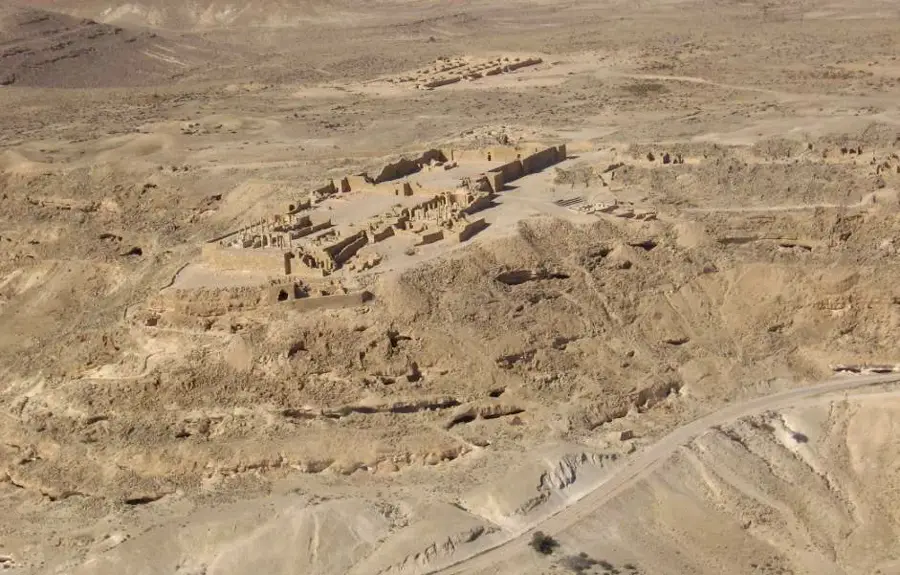
A unique geological formation or archaeological remnant situated near the junction of the Tsihor and Paran valleys.

Paran Cliffs Viewpoint🌿 nature

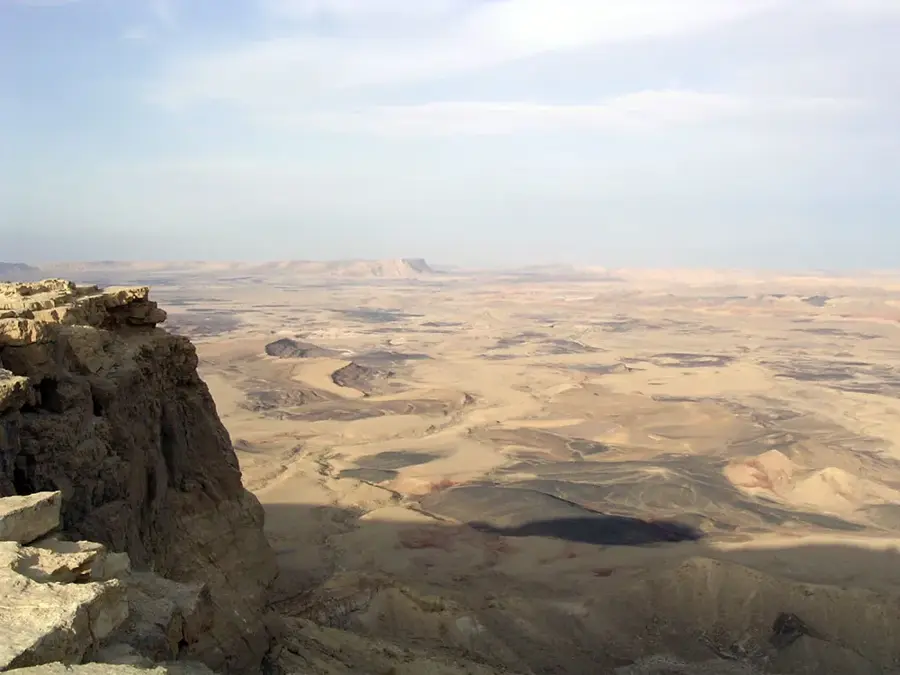
A scenic overlook situated on high limestone cliffs providing a vast perspective of the wide Paran riverbed below.

Mt. Zuri'az🌿 nature

A desert peak in the southern Negev characterized by its arid terrain and views over the surrounding wadis.

Sights nearby

Frequently asked questions

How large is the Paran Valley?
Nahal Paran is the longest dry riverbed (wadi) in Israel, extending deep into the Negev.
Can you camp in the Paran Valley?
Yes, there are designated night campsites, but wild camping is prohibited in the nature reserve.
What are the geological features?
It provides vast desert expanses, dramatic cliffs, and colorful sandstone formations.
When should you avoid the valley?
Avoid the valley during extreme summer heat and during rain warnings due to flash flood risks.
What ancient routes passed through here?
Parts of the ancient Incense Route passed through this region of the Negev.
Paran Valley: where is it located?
Paran Valley is located in Israel.
Paran Valley: what is there to see?
Highlights include Hemda Peak, Nahal Wardit, Tsihor palace.
Paran Valley: when is the best time to visit?
The most pleasant time to visit is Apr, May, Oct.
Paran Valley: why is it worth visiting?

The Paran Valley, dominated by the Nahal Paran wadi, is the largest ephemeral riverbed in Israel and the Sinai Peninsula, stretching approximately 150 kilometers.
View on map → The Top 50 Attractions → OpenStreetMap →
Asia
Explore with Plizio Discover more places in Asia
More places in Israel →

Nearby cities

History & landmarks

Nature
More places