Plizio Visual Lab

Wadi Rum
Plizio editorial teamData Sources
national-park
—°8
Wadi Rum (Jordan)

Weather…

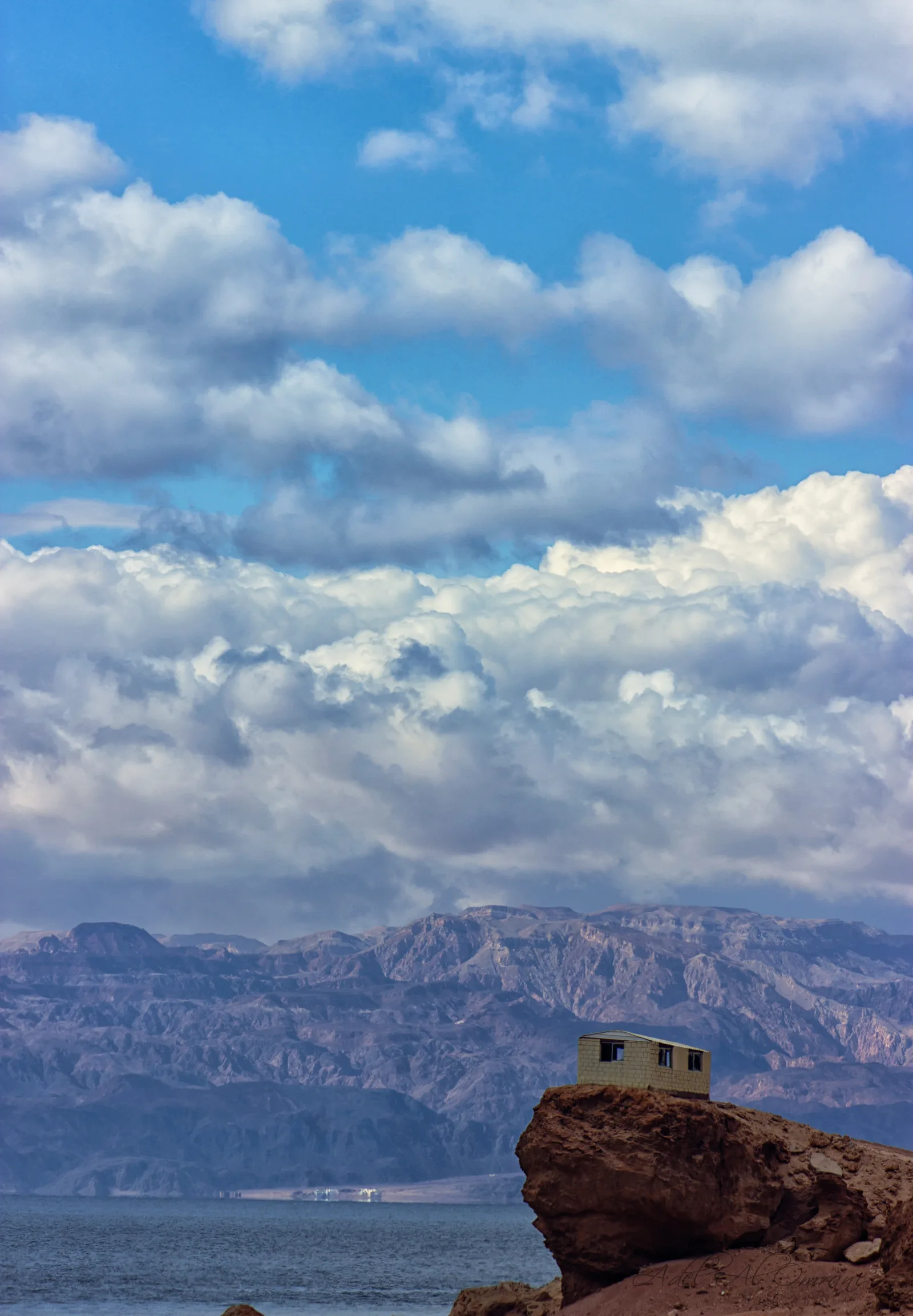
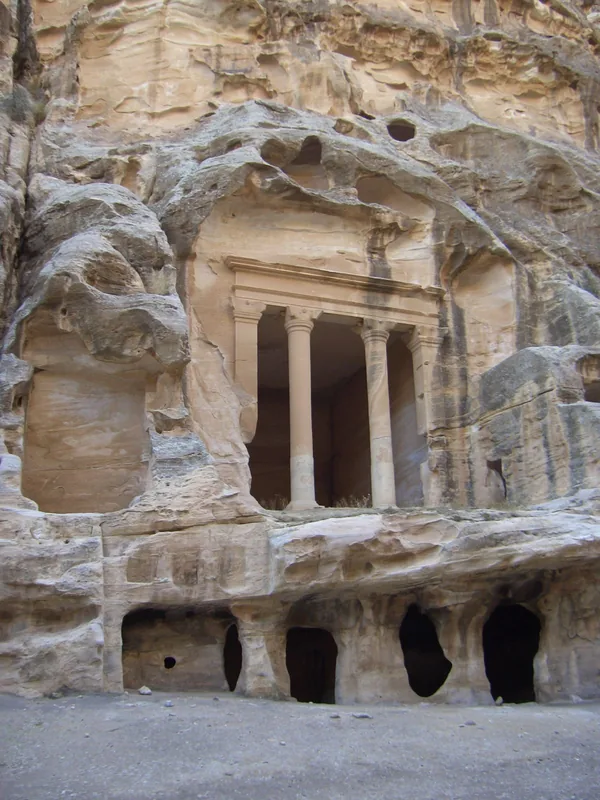
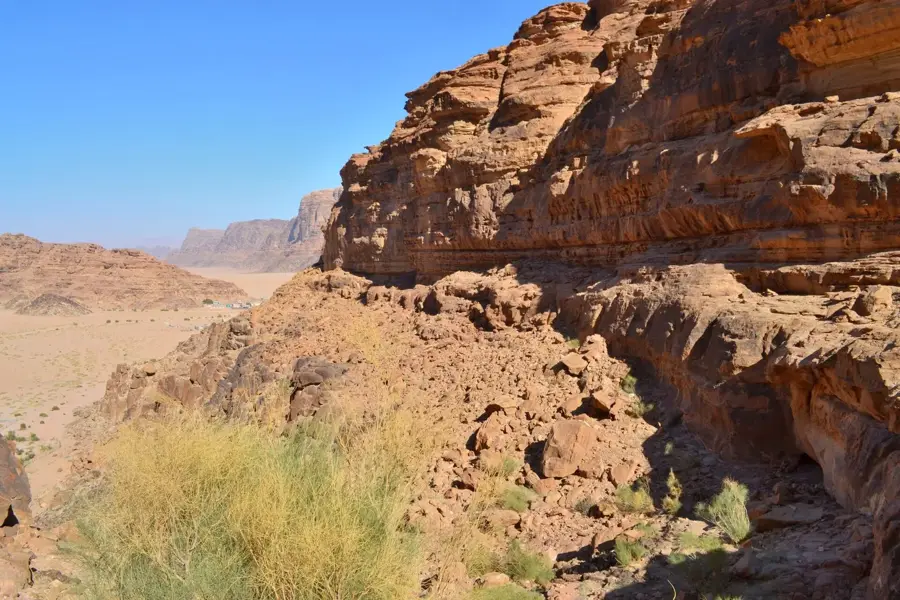
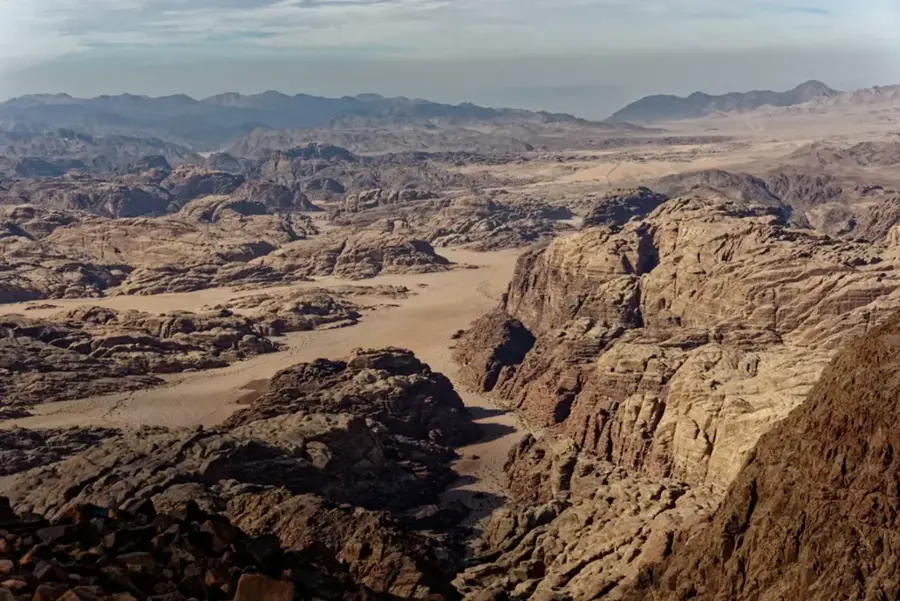
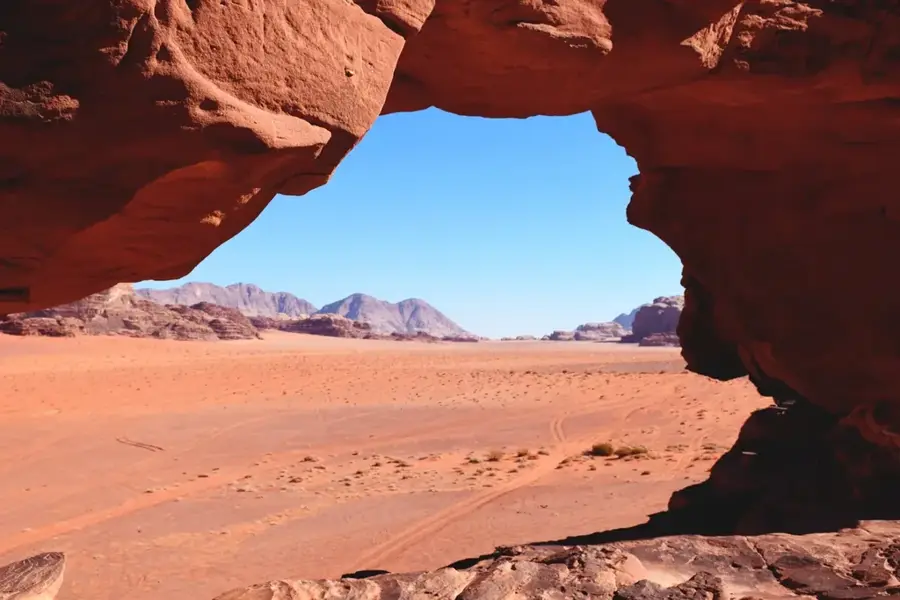
Wadi Rum, also known as the Valley of the Moon, is a protected desert wilderness in southern Jordan near the border with Saudi Arabia. Spanning 720 square kilometers, it features a landscape of narrow canyons, natural stone arches, towering cliffs, and ramps of red sand. The site was inscribed on the UNESCO World Heritage List in 2011 for both its natural beauty and its cultural significance, as it contains over 25,000 petroglyphs and 20,000 inscriptions. These archaeological remains document 12,000 years of human occupation and interaction with the desert environment, reflecting the evolution of pastoral, agricultural, and urban activity. The area gained international fame through its association with T.E. Lawrence during the Arab Revolt and has since become a major filming location for science fiction cinema due to its extraterrestrial appearance. The Bedouin population continues to inhabit the region, providing authentic cultural experiences and managing tourism through the Wadi Rum Protected Area office.

Best time to visit & climate

The most pleasant time to visit is Apr, May, Oct.

JanFebMarAprMayJunJulAugSepOctNovDec
Avg °C791317222527272521149
Rain mm894310011355

📋 Practical info

🧭
Getting there
Access is typically via the visitor center located off the Desert Highway from Aqaba or Amman, often requiring a 4x4 vehicle or guided tour to enter the deep desert areas.
📅
Best season
The most comfortable time to visit is during spring (March to May) or autumn (September to November), avoiding the extreme heat of summer and freezing desert winter nights.
⛰️
Terrain & paths
Expect vast stretches of soft red sand dunes interspersed with towering, rugged granite and sandstone mountains, which can be challenging to navigate without an experienced guide.
🎒
What to bring
Essential items include strong sun protection, lightweight but layered clothing for drastic temperature shifts, plenty of drinking water, and closed-toe walking shoes.
🅿️
Parking
Visitors must leave their private vehicles at the designated parking area near the visitor center, transferring to local Bedouin-operated off-road vehicles for further exploration.
⚠️
Safety
Always travel with a local guide, as getting lost in the vast desert is a real risk. Be mindful of sudden sandstorms and ensure you have sufficient water supplies at all times.
⏱️
Time needed
A typical visit lasts between a full day and three days, with most travelers opting for an overnight stay in a desert camp to fully experience the spectacular sunset and starry skies.

Geography

Coordinates
29.57580, 35.42080

Facts

  • The protected area covers a total surface of 720 square kilometers.
  • Jebel Um ad Dami is the highest peak at 1,840 meters above sea level.
  • Over 25,000 petroglyphs from various eras have been discovered here.
  • Wadi Rum was designated a UNESCO World Heritage site in 2011.
  • T.E. Lawrence popularized the area in his book 'Seven Pillars of Wisdom'.
  • Major films including 'The Martian' and 'Lawrence of Arabia' were shot here.

Explore nearby

Notable places around
Route planner — Car & Motorhome

Where do you start? We build the route here, with stops and country notes along the way.

Vehicle
Only stops with (optional):

© OpenStreetMap contributors · OpenRouteService

Sights in the town Wadi Rum (8)

Canyon makharas📍 landmark

A narrow sandstone canyon in Wadi Rum known for its high, reddish rock walls.

Anfishieh Inscriptions🏺 historical

This rock face features ancient Thamudic and Nabataean petroglyphs of camels.

Petroglyphs📍 landmark

These ancient rock carvings in the desert depict hunting scenes and symbols of early nomadic tribes.

Rests of an old water channel🏺 historical

Ruins of a Nabataean water system that once channeled rainwater through the arid desert landscape.

Sand dune📍 landmark

A massive red sand dune at the foot of the mountains, which is a popular spot for sandboarding.

rock-inscriptions🏺 historical

These inscriptions carved into the sandstone document the names and journeys of ancient caravan leaders.

Al-Tbeqa🌿 nature

This elevated viewpoint has a panoramic outlook over the vast red sand plains of Wadi Rum.

Arch Tower🌿 nature

A natural rock bridge high up in the mountains, offering a dramatic view of the desert valley.

Sights nearby

Frequently asked questions

What is special about Wadi Rum?
It is a striking desert landscape with dramatic rock formations and red sand dunes, often called the 'Valley of the Moon'.
How is the best way to explore Wadi Rum?
The best way is to book a guided jeep tour or explore the desert by camel.
When is the best time to visit Wadi Rum?
Spring (March-May) and autumn (September-November) offer pleasant temperatures.
Can one stay overnight in Wadi Rum?
Yes, there are many Bedouin camps, ranging from simple to luxury with glass 'Mars domes'.
Do I need a guide in Wadi Rum?
Yes, due to the vast and unmarked desert routes, a local guide is highly recommended.
Wadi Rum: where is it located?
Wadi Rum is located in Jordan.
Wadi Rum: what is there to see?
Highlights include Canyon makharas, Anfishieh Inscriptions, Petroglyphs.
Wadi Rum: when is the best time to visit?
The most pleasant time to visit is Apr, May, Oct.
Wadi Rum: why is it worth visiting?
Wadi Rum, also known as the Valley of the Moon, is a protected desert wilderness in southern Jordan near the border with Saudi Arabia.
View on map → The Top 50 Attractions → OpenStreetMap →
Asia
Explore with Plizio Discover more places in Asia
More places in Jordan →

Nearby cities

History & landmarks
Nature

More places