Plizio Visual Lab

Arava Valley
Plizio editorial teamData Sources
valley
—°4
Arava Valley (Israel)

Weather…

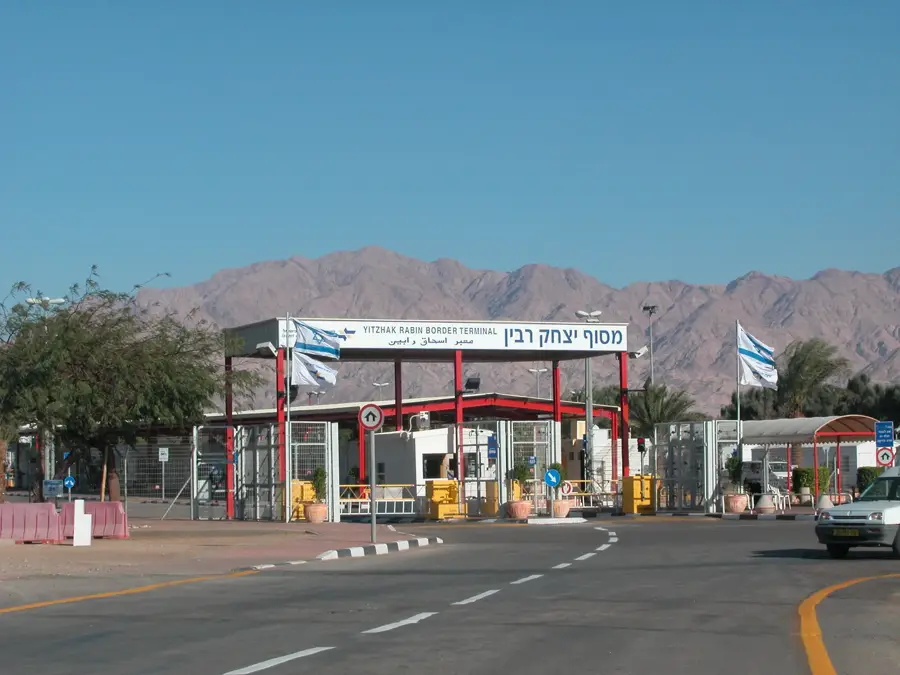
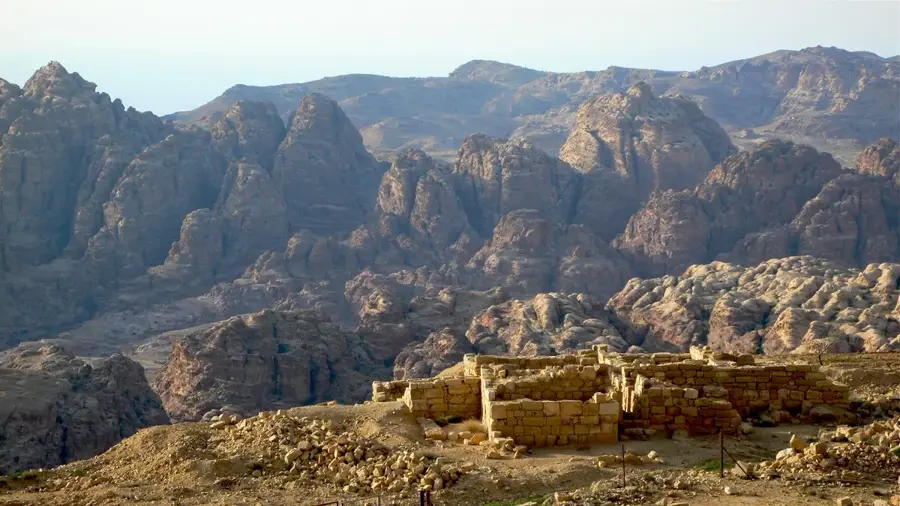
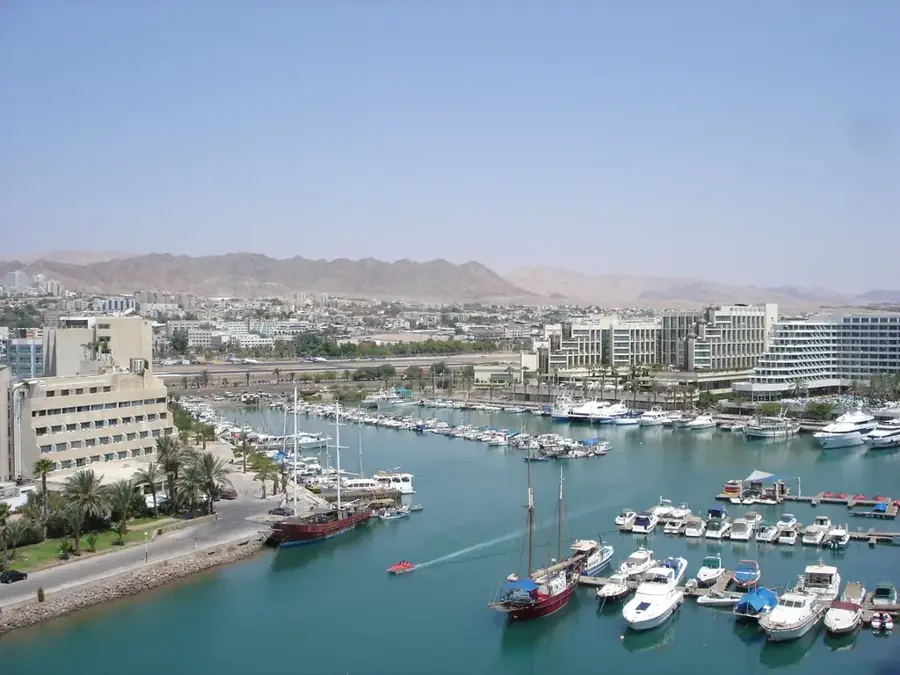
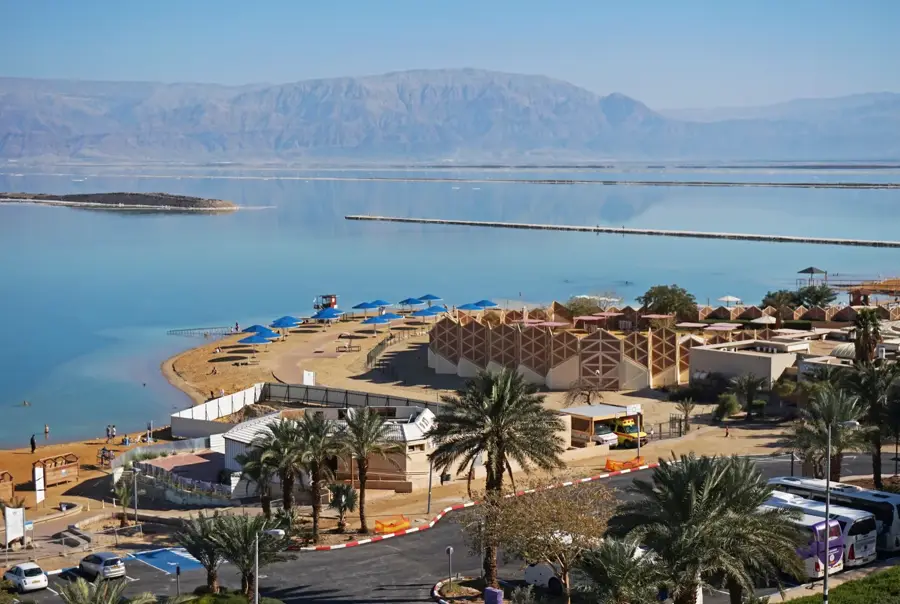
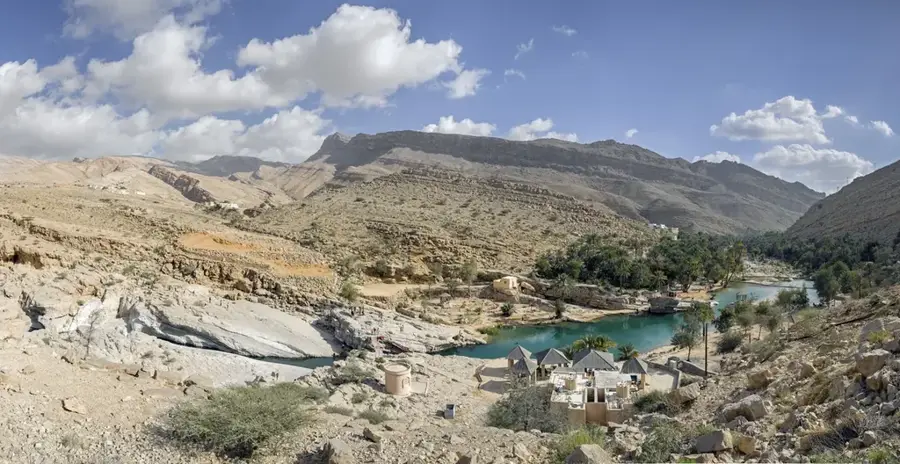
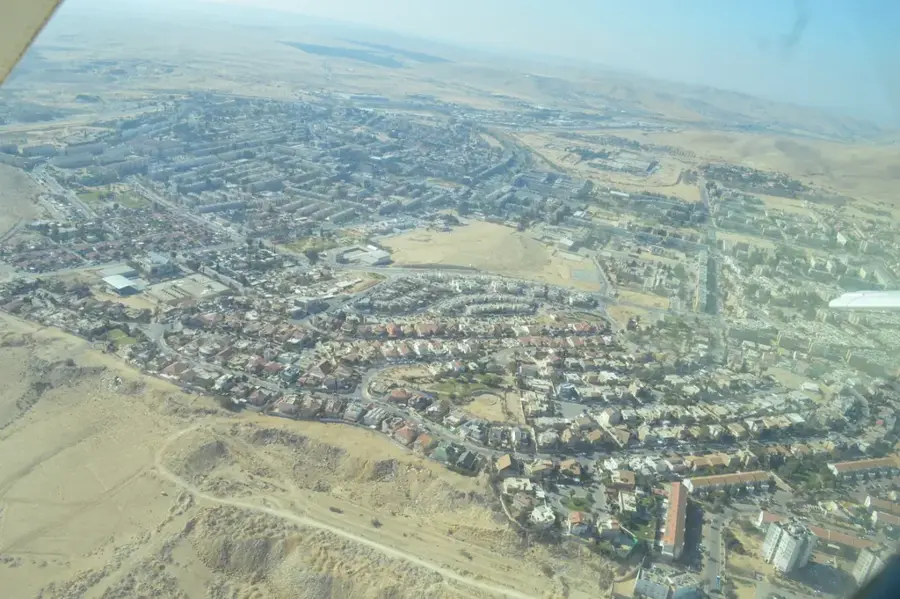
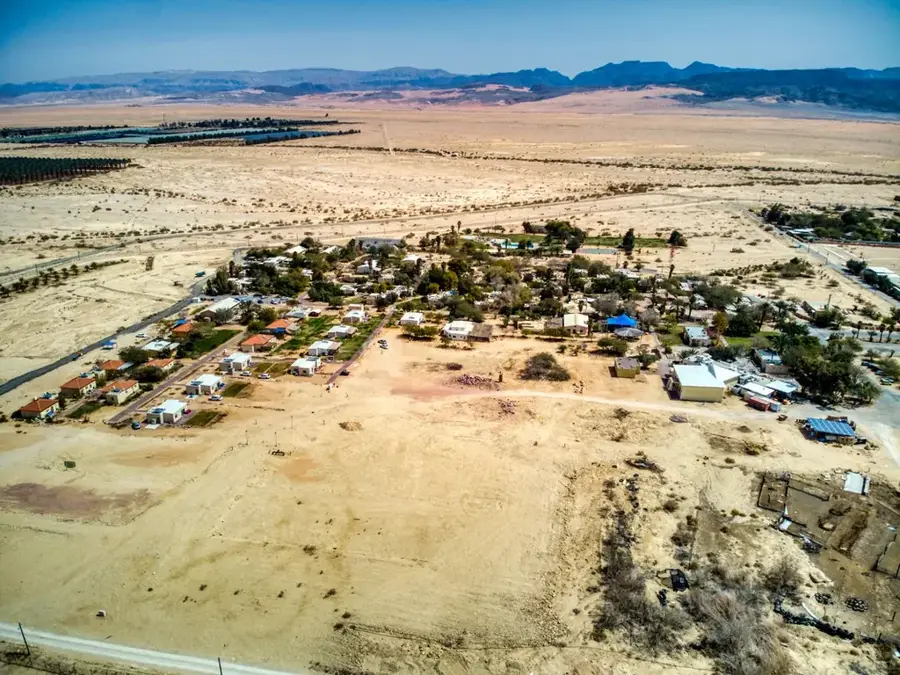
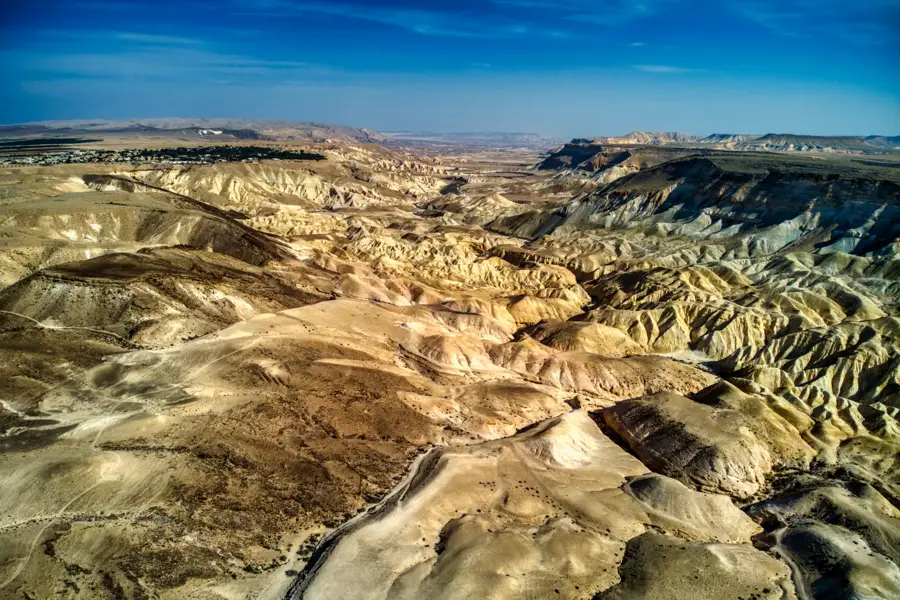
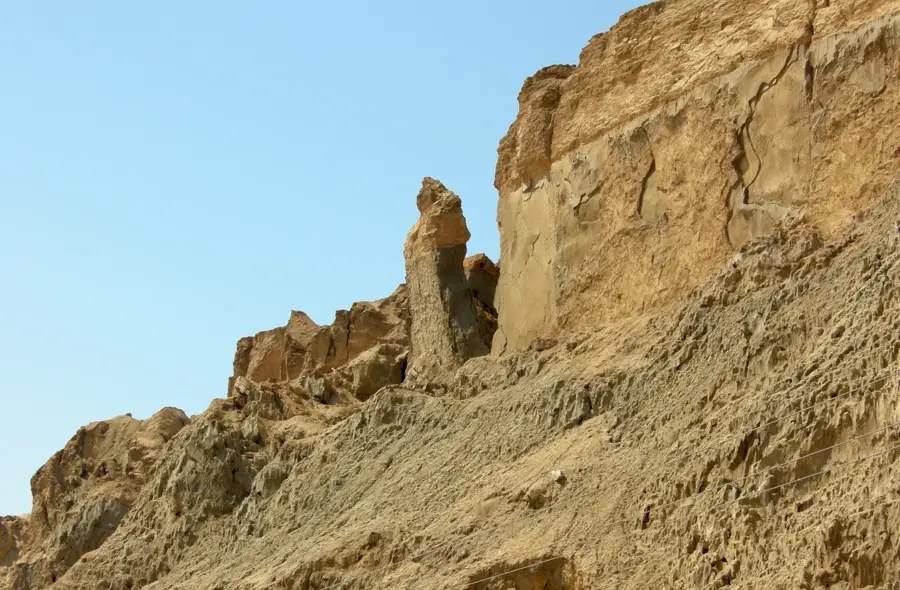
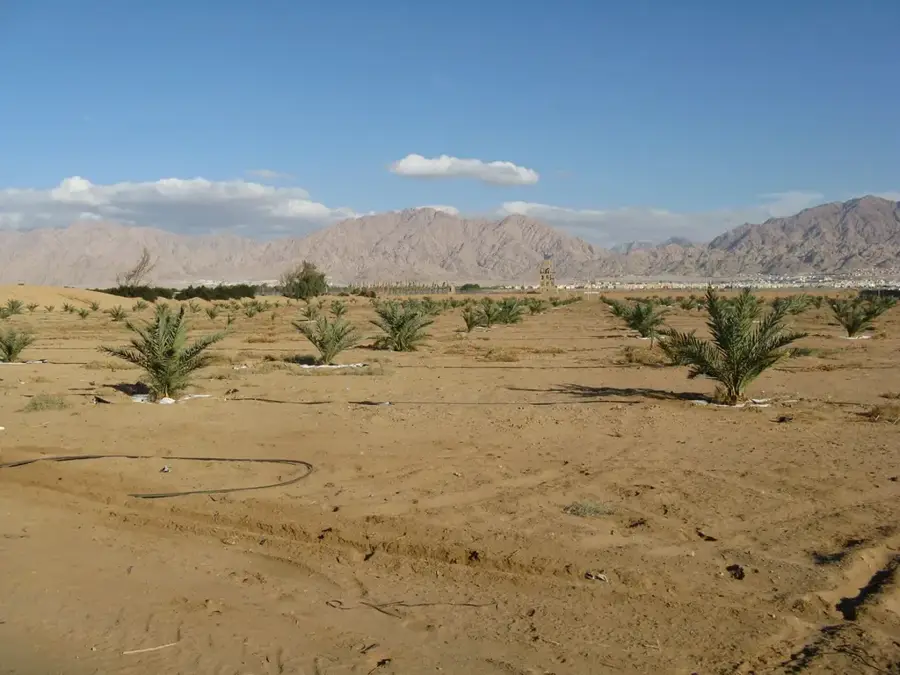
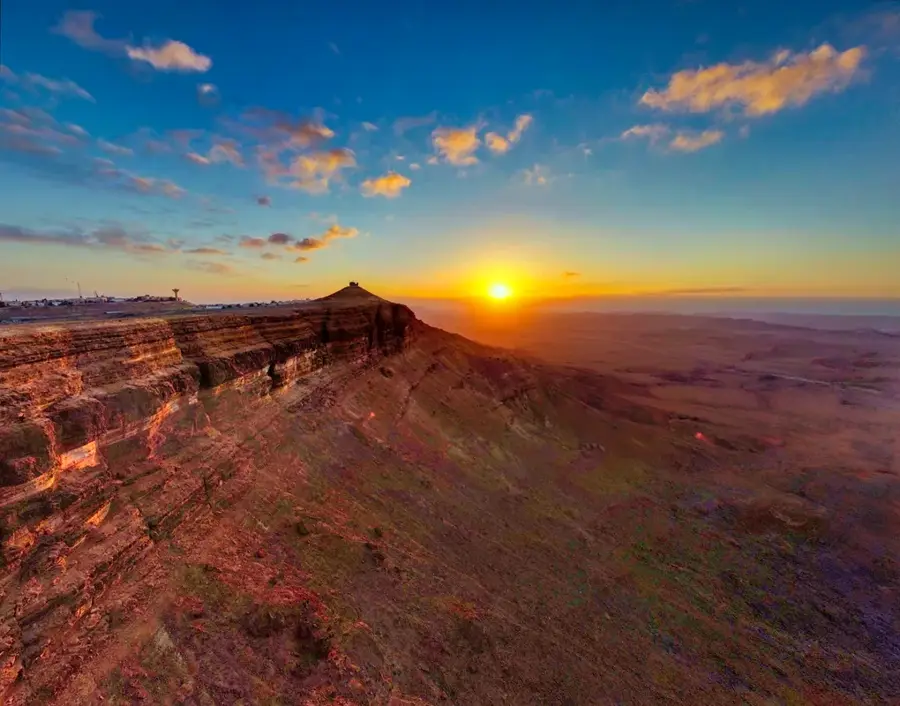
The Arava Valley is a 166-kilometer-long segment of the Great Rift Valley, stretching from the southern tip of the Dead Sea to the Gulf of Aqaba on the Red Sea. This hyper-arid region forms the international border between Israel and Jordan, characterized by extremely low rainfall and scorching summer temperatures. The landscape is dominated by expansive alluvial fans, shifting sand dunes, and stark mountain ridges displaying deep reds and ocher hues. Despite the harsh environment, the Arava has become a global leader in arid-land agriculture; using saline groundwater and advanced greenhouse technology, the region produces a significant portion of Israel's fresh vegetable exports. Historically, the valley was a hub for copper mining, particularly at Timna, home to the world's oldest known copper smelting furnaces. Ecologically, the valley serves as a crucial flyway for millions of migratory birds traveling between Eurasia and Africa, and it hosts the Hai-Bar Yotvata sanctuary dedicated to preserving desert wildlife like the Arabian oryx.

Best time to visit & climate

The most pleasant time to visit is May, Jun, Sep.

JanFebMarAprMayJunJulAugSepOctNovDec
Avg °C681115202325252319138
Rain mm453619104000171526

📋 Practical info

🧭
Getting there
The expansive valley is comfortably navigated via Highway 90, which stretches impressively along its entire length. Regional scheduled buses run regularly and reliably from Eilat to various destinations located to the north.
📅
Best season
The mild winter and early spring consistently offer pleasant temperatures that are convenient for extensive desert explorations. The long summer months, on the other hand, bring extreme and potentially life-threatening heat.
⛰️
Terrain & paths
The spectacular landscape consists of very arid desert plains, deeply carved rocky wadis, and striking sandstone formations. The hiking trails range from completely flat paths to traversing rugged and incredibly steep canyons.
🎒
What to bring
Always carry abundantly more drinking water than expected, a wide-brimmed hat, and very high-quality sun protection. For the uneven and rocky desert terrain, closed and sturdy hiking boots are an absolute prerequisite.
🅿️
Parking
Ample parking spaces are typically found right at the marked trailheads, within nature reserves, and near local communities. Whenever possible, always try to park your vehicle in well-shaded spots to avoid the fierce sun.
⚠️
Safety
Rapid dehydration and severe heatstroke are serious and omnipresent risks in this barren environment. Avoid hiking under the unforgiving midday sun and always be acutely aware of sudden, dangerous flash floods during the winter.
⏱️
Time needed
A purely scenic drive straight through the majestic valley takes only a few hours. However, combining this with hikes and stops in nature reserves quickly turns the visit into a highly rewarding, full-day excursion.

Geography

Coordinates
30.50000, 35.25000

Facts

  • The valley spans 166 kilometers from the Dead Sea to the Red Sea.
  • Summer temperatures in the Arava are among the highest in Israel.
  • It provides over 60% of Israel's exported fresh vegetables.
  • The Timna Valley contains copper mines dating back to the 5th millennium BCE.
  • The region is home to the last remaining sand dunes in the Arava (Samar).
  • It is a critical part of the Syro-African migratory bird route.

Explore nearby

Notable places around
Route planner — Car & Motorhome

Where do you start? We build the route here, with stops and country notes along the way.

Vehicle
Only stops with (optional):

© OpenStreetMap contributors · OpenRouteService

Sights in the town Arava Valley (4)

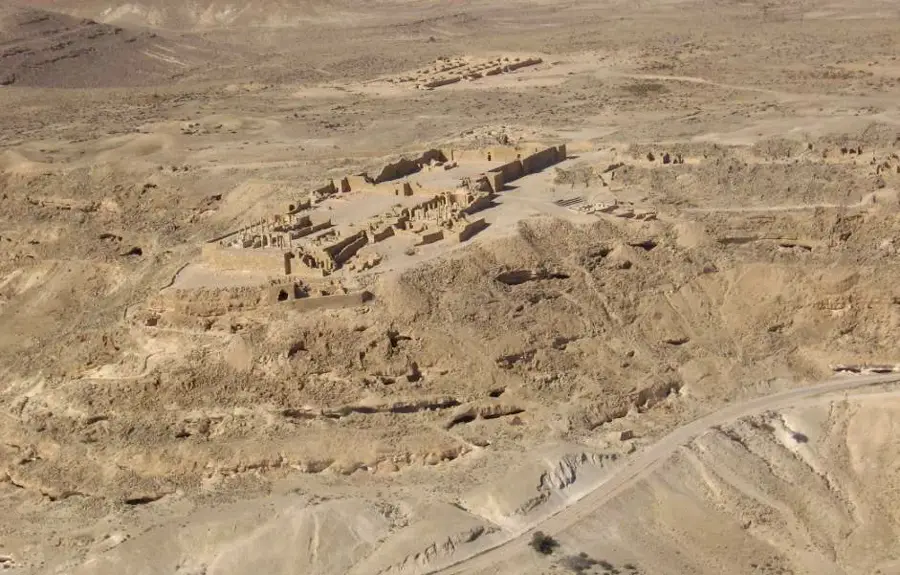
Moah Fortress🏺 historical

Nabatean station on the Incense Route featuring a thermal bathhouse.

Israel Trail Library📍 landmark

Small trail-side library for hikers crossing the Arava desert.

Jibal Jurf al Fuhud🌿 nature

Rugged desert peaks visible across the border in Jordan.

Scenery Sofa🌿 nature

Resting spot with a bench overlooking the wide Arava desert landscape.

Sights nearby

Frequently asked questions

What is the climate like in the Arava Valley?
It is extremely hot and dry; in summer, temperatures often rise above 40 degrees Celsius.
Where exactly is this region located?
It stretches from the Dead Sea in the north to Eilat on the Red Sea in the south.
Is there agriculture in this extreme desert?
Yes, thanks to advanced drip irrigation, high-quality dates and vegetables are grown here.
What is Timna Park?
A vast area with ancient copper mines and impressive rock formations like 'Solomon's Pillars'.
Can you see wildlife?
In the Hai-Bar Yotvata Reserve, you can see rare desert animals like the Arabian Oryx.
Arava Valley: where is it located?
Arava Valley is located in Israel.
Arava Valley: what is there to see?
Highlights include Moah Fortress, Israel Trail Library, Jibal Jurf al Fuhud.
Arava Valley: when is the best time to visit?
The most pleasant time to visit is May, Jun, Sep.
Arava Valley: why is it worth visiting?

The Arava Valley is a 166-kilometer-long segment of the Great Rift Valley, stretching from the southern tip of the Dead Sea to the Gulf of Aqaba on the Red Sea.
View on map → The Top 50 Attractions → OpenStreetMap →
Asia
Explore with Plizio Discover more places in Asia
More places in Israel →

Nearby cities

History & landmarks
Nature
More places