Plizio Visual Lab

Makhtesh Ramon
Plizio editorial teamData Sources
Landmark
—°9
Makhtesh Ramon (Israel)

Weather…

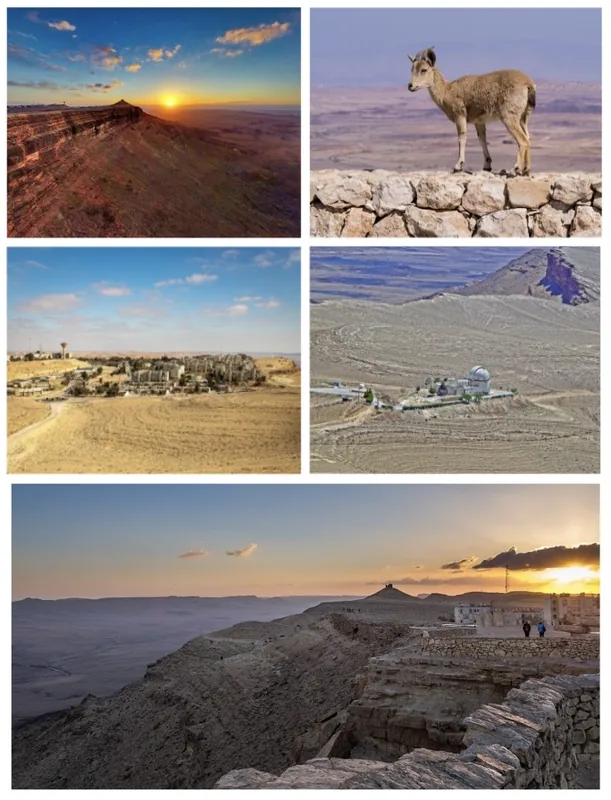
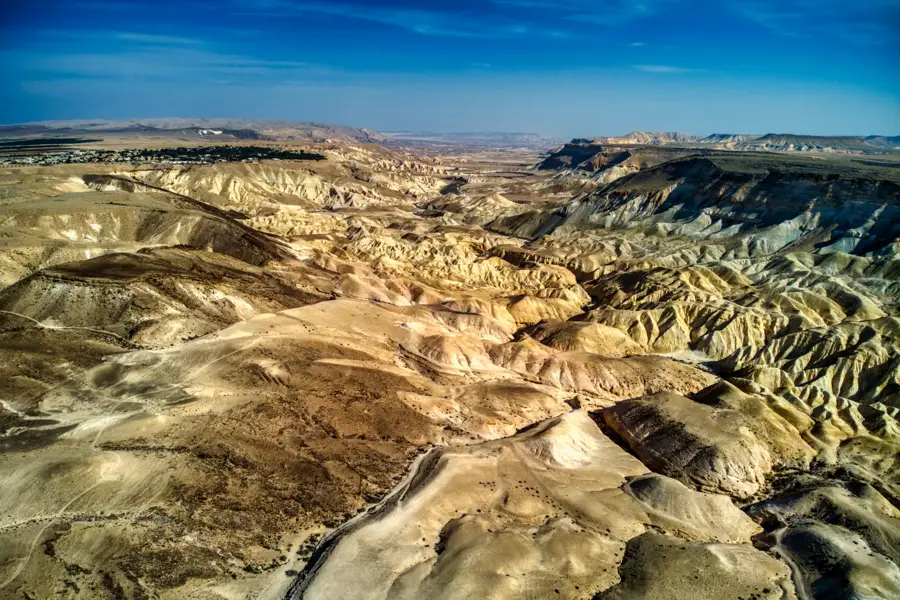
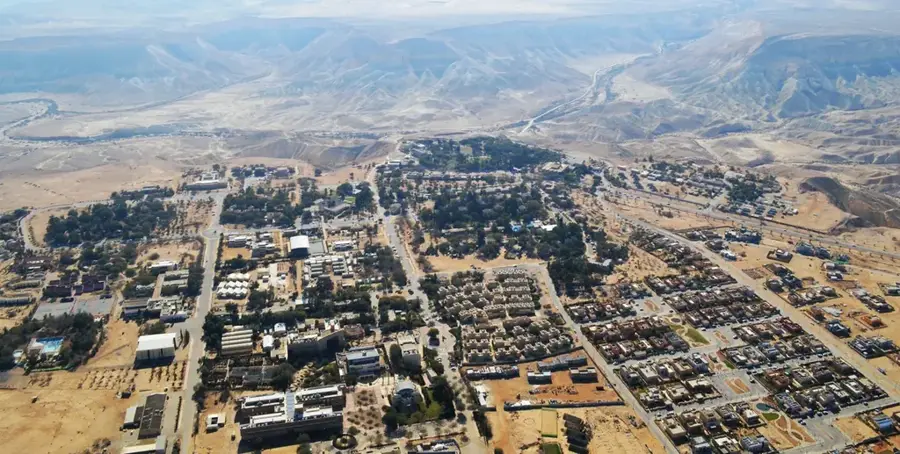
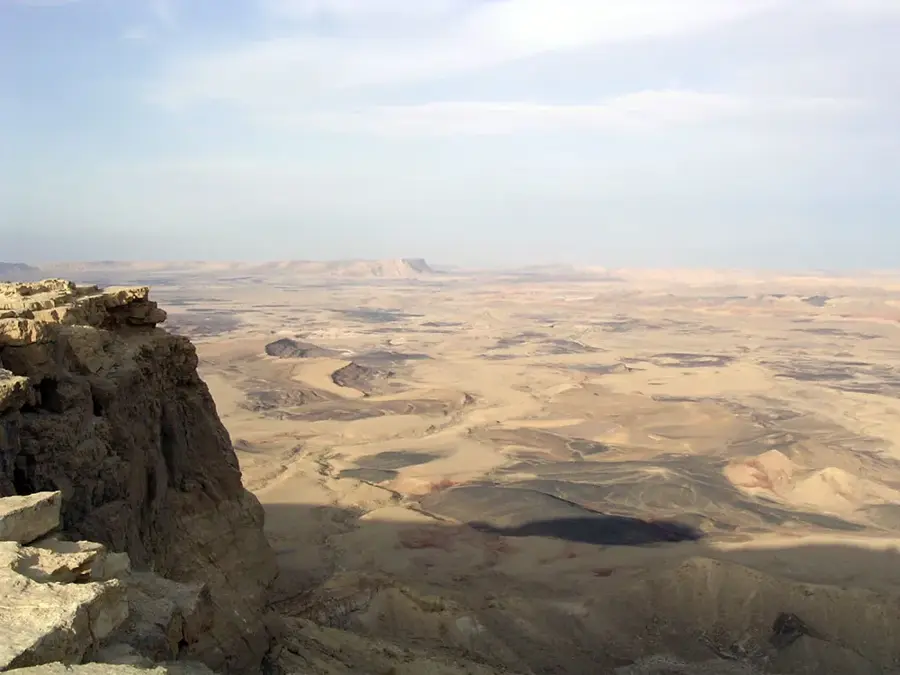
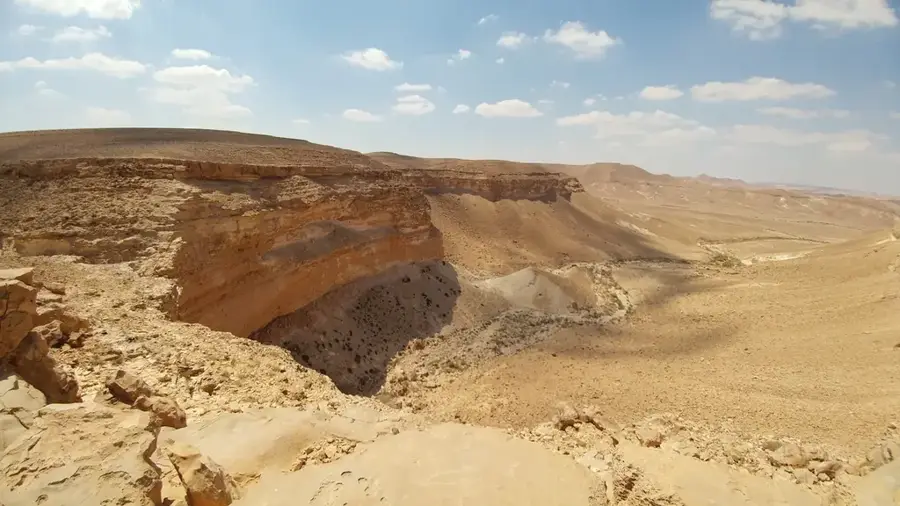
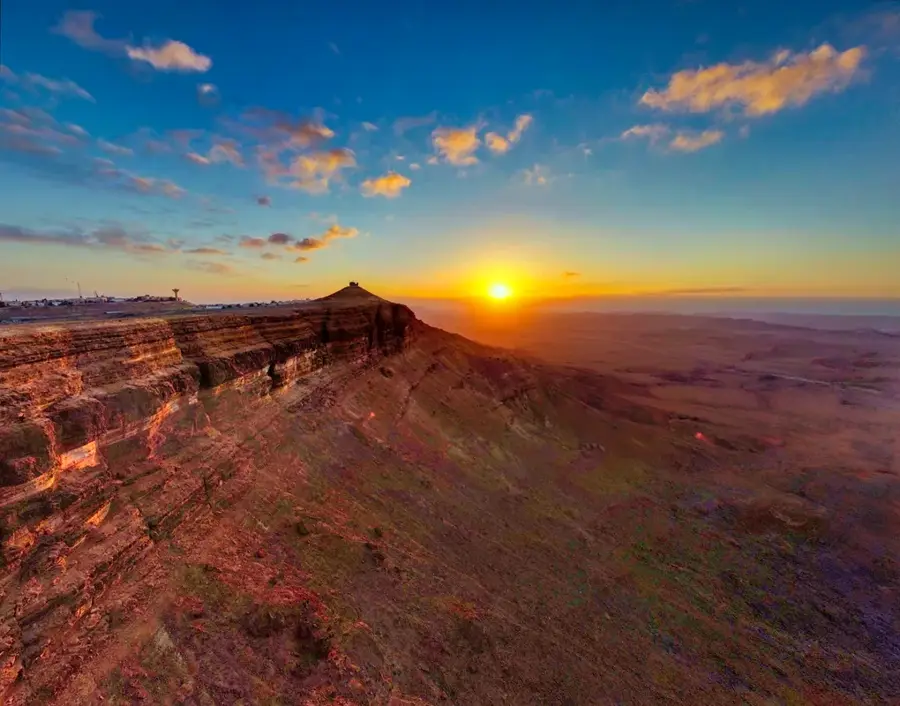
Makhtesh Ramon is the world's largest erosion crater, located in the heart of Israel's Negev Desert. Unlike craters formed by meteor impacts or volcanic eruptions, a 'makhtesh' is created through a unique geological process where soft underlying rock layers are eroded beneath a hard surface crust over millions of years. Spanning 40 kilometers in length and up to 10 kilometers in width, the crater reveals an impressive array of geological formations, including multi-colored sandstone, volcanic basalt, and ancient marine fossils. On its northern rim sits the town of Mitzpe Ramon, featuring a visitor center that details the crater's formation and honors Ilan Ramon, Israel's first astronaut. In 2017, the area was designated an International Dark Sky Park, recognizing it as one of the best locations in the world for stargazing due to its minimal light pollution. The crater's interior is crisscrossed with hiking trails and 4x4 routes that lead to natural springs and archaeological sites, such as the ancient Nabatean Incense Route. Its unique ecosystem supports various wildlife, most notably the Nubian ibex, which can frequently be spotted on the crater's steep cliffs. Makhtesh Ramon serves as a massive open-air laboratory for geologists and a majestic destination for nature enthusiasts seeking to witness the raw power of planetary forces.

Best time to visit & climate

The most pleasant time to visit is Apr, May, Oct.

JanFebMarAprMayJunJulAugSepOctNovDec
Avg °C111216202427292926231813
Rain mm352815103000271420

📋 Practical info

🚪
Visiting
Makhtesh Ramon is a vast national park in the Negev Desert, accessible year-round from the outside. The crater rim can be driven by car, while the crater floor is only accessible on marked trails or with a guide.
🕒
Typical hours
The visitor center on the crater rim is typically open from 8:00 AM to 5:00 PM, with seasonal variations. Entry to the crater is usually during daylight hours; night visits require a permit.
📷
Photography
Photography is unrestricted throughout the national park, and the colorful rock layers offer spectacular subjects. For the best sunrise or sunset shots, stand on the crater rim.
⏱️
Time needed
For a simple visit to the viewpoint and visitor center, about 1-2 hours suffice. For hikes in the crater or along the rim, plan for half a day to a full day.
Combine with
Combine Makhtesh Ramon with nearby Mitzpe Ramon, a small desert town with art galleries and the Bio Ramon Habitat. The ancient Nabataean city of Avdat is also not far.
🧭
Getting there
The crater is about two hours' drive south of Beersheba on Route 40. A normal car is fine for reaching the rim; for unpaved roads inside the crater, a 4x4 is recommended.
💡
Insider tip
Visit the crater early in the morning or late afternoon to avoid the intense daytime heat and get the best light. Fill up your tank in Mitzpe Ramon, as the next gas station is far away.

Geography

Coordinates
30.59600, 34.86900

Facts

  • Makhtesh Ramon is 40 kilometers long and between 2 to 10 kilometers wide.
  • It is the largest of only seven erosion craters (makhteshim) in the world.
  • The crater reaches a maximum depth of approximately 500 meters.
  • It was designated as an International Dark Sky Park in 2017.
  • The geological formations include marine fossils from 220 million years ago.
  • Mount Ramon is the highest point in the Negev at 1,037 meters above sea level.

Explore nearby

Notable places around

Route planner — Car & Motorhome

Where do you start? We build the route here, with stops and country notes along the way.

Vehicle
Only stops with (optional):

© OpenStreetMap contributors · OpenRouteService

Sights in the town Makhtesh Ramon (9)

HaMinsara📍 landmark

Known as "The Carpentry Shop," this site features natural prismatic sandstone columns formed by ancient volcanic activity.

Givat Reved🌿 nature

A desert hill located within the Makhtesh Ramon crater, showcasing distinct geological layers of colored sandstone.

Vulture Lookout🌿 nature

A specialized lookout point on the crater rim used for observing Griffon Vultures that nest in the desert cliffs.

Har Gvanim🌿 nature

Aptly named the "Mount of Colors," this ridge provides vistas of diverse geological formations displaying spirited mineral hues.

Ammonite Wall📍 landmark

A vertical rock face containing numerous large fossils of ammonites, sea creatures that lived hundreds of millions of years ago.

Ein Ardon📍 landmark

A seasonal desert spring located near the base of Mount Ardon, often attracting local wildlife to its rare water source.

Mezad Mishhor🏺 historical

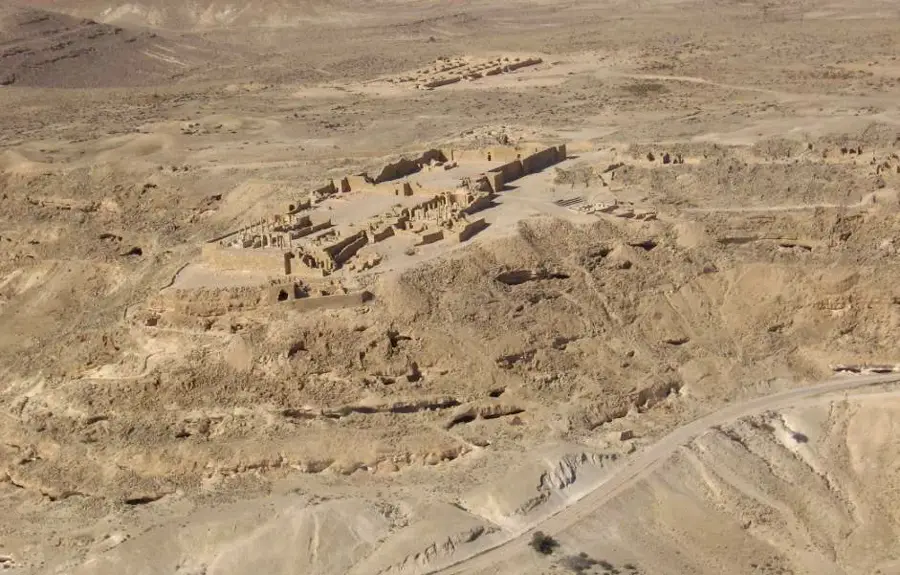
Ancient ruins of a Nabataean roadside station located along the historic Incense Route in the Negev.

Furnace monument🏺 historical

A local monument situated near the geological formations of the Ramon Crater.

Mezad Mohila🏺 historical

The remains of a Roman-era fort situated on a ridge overlooking the vast Ramon Crater.

Sights nearby

Frequently asked questions

What is the Ramon Crater?
A unique geological erosion phenomenon in the desert.
Can you hike there?
Yes, there are excellent hiking trails.
How is the infrastructure?
There is a visitor center on the edge of the crater.
When is the best season?
Autumn to spring, because of the desert heat.
Is it family-friendly?
Yes, especially the visitor center.
Makhtesh Ramon: where is it located?
Makhtesh Ramon is located in Israel.
Makhtesh Ramon: what is there to see?
Highlights include HaMinsara, Givat Reved, Vulture Lookout.
Makhtesh Ramon: when is the best time to visit?
The most pleasant time to visit is Apr, May, Oct.
Makhtesh Ramon: why is it worth visiting?

Makhtesh Ramon is the world's largest erosion crater, located in the heart of Israel's Negev Desert.
View on map → The Top 50 Attractions → OpenStreetMap →
Asia
Explore with Plizio Discover more places in Asia
More places in Israel →

Nearby cities

Nature

More places