Plizio Visual Lab

Lake Maggiore

Plizio editorial teamData Sources
Lake
—°8
Lake Maggiore (Italy)

Weather…

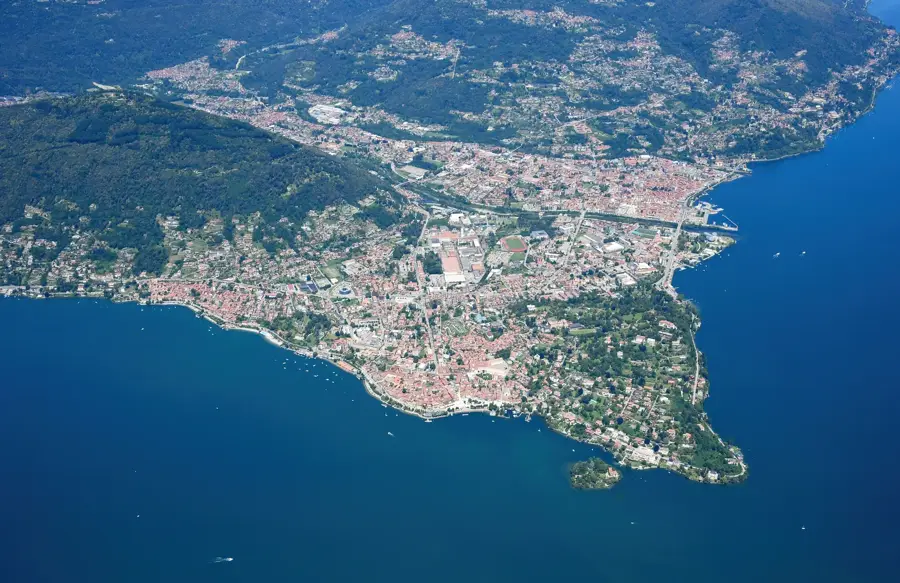
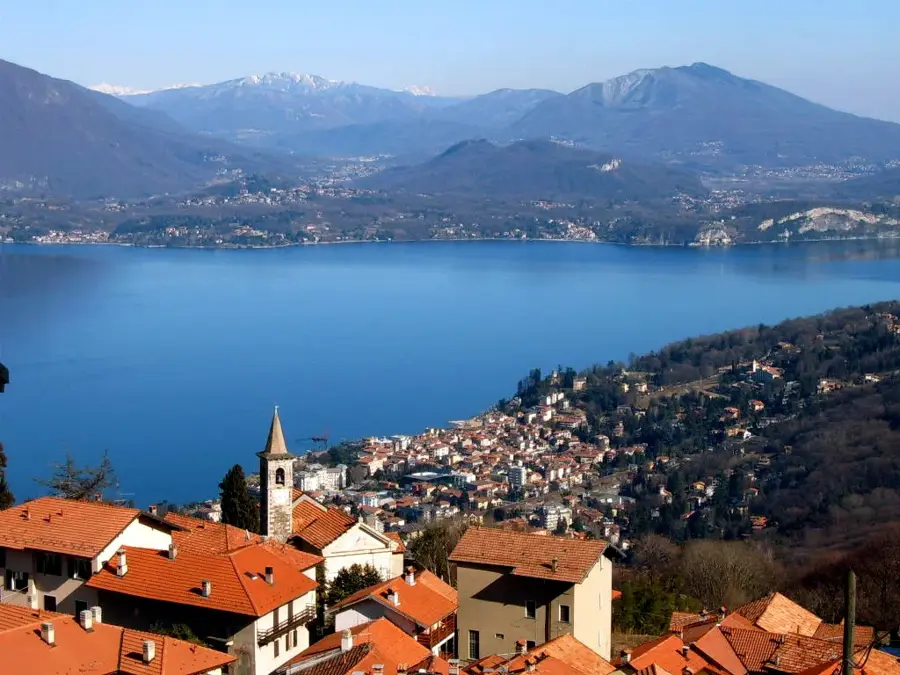
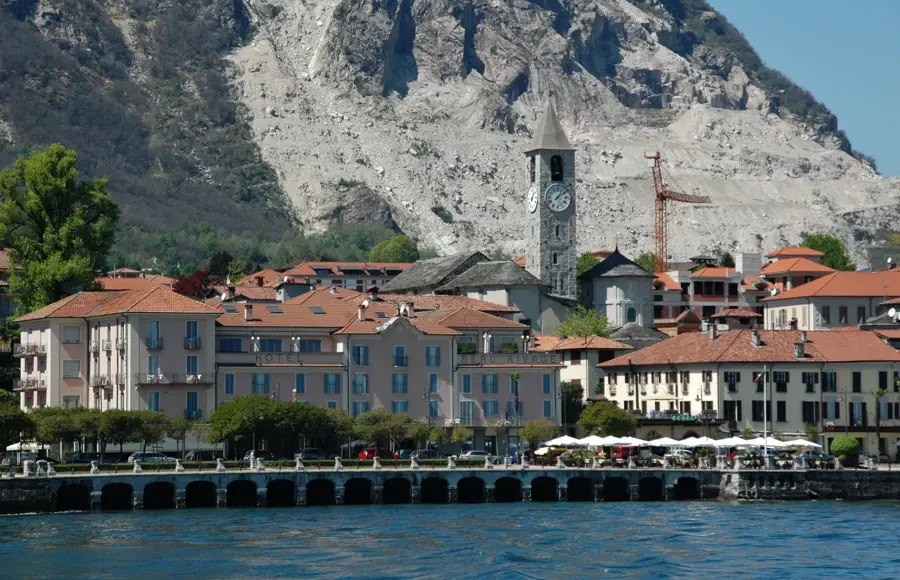
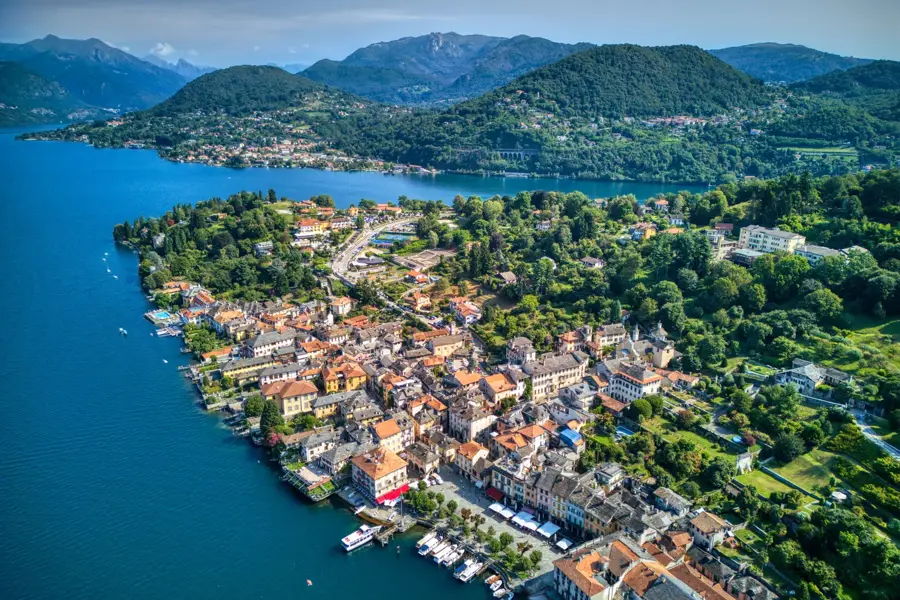
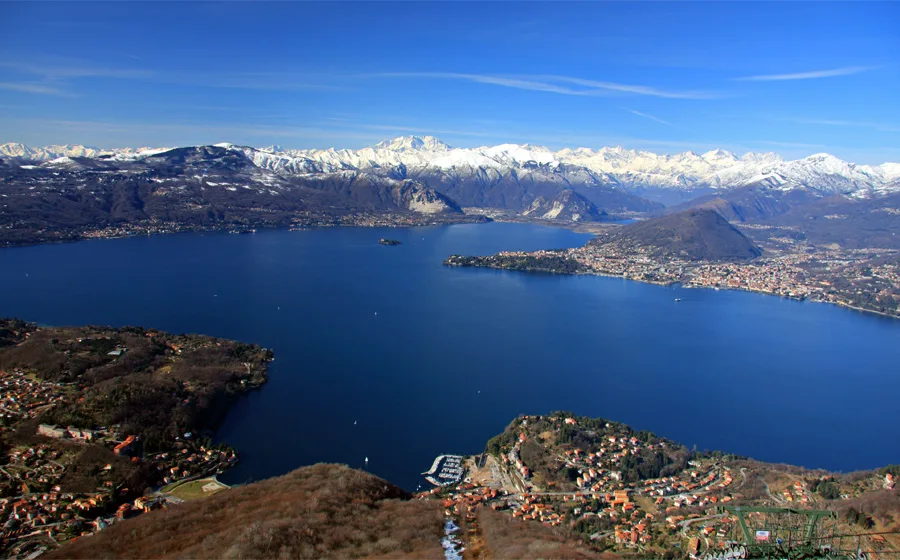
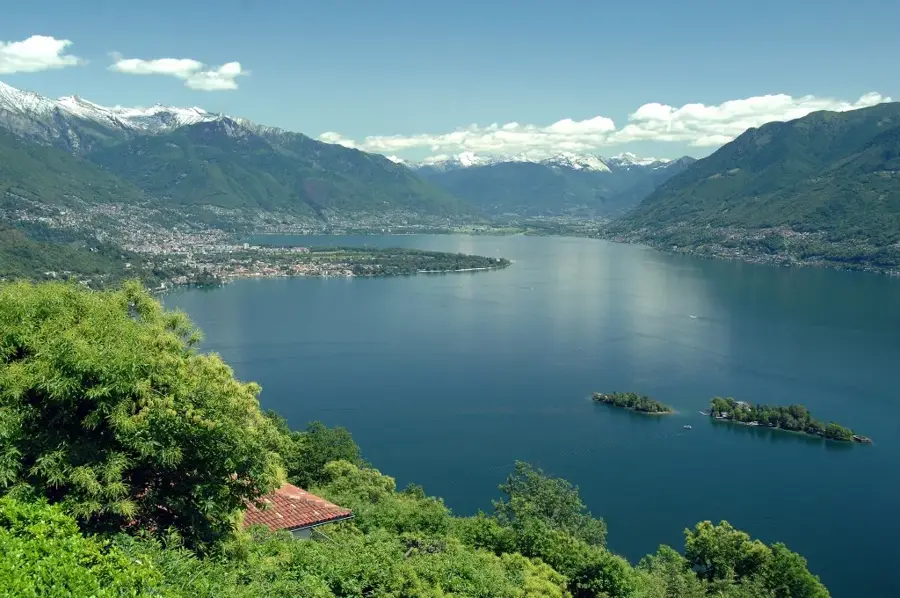
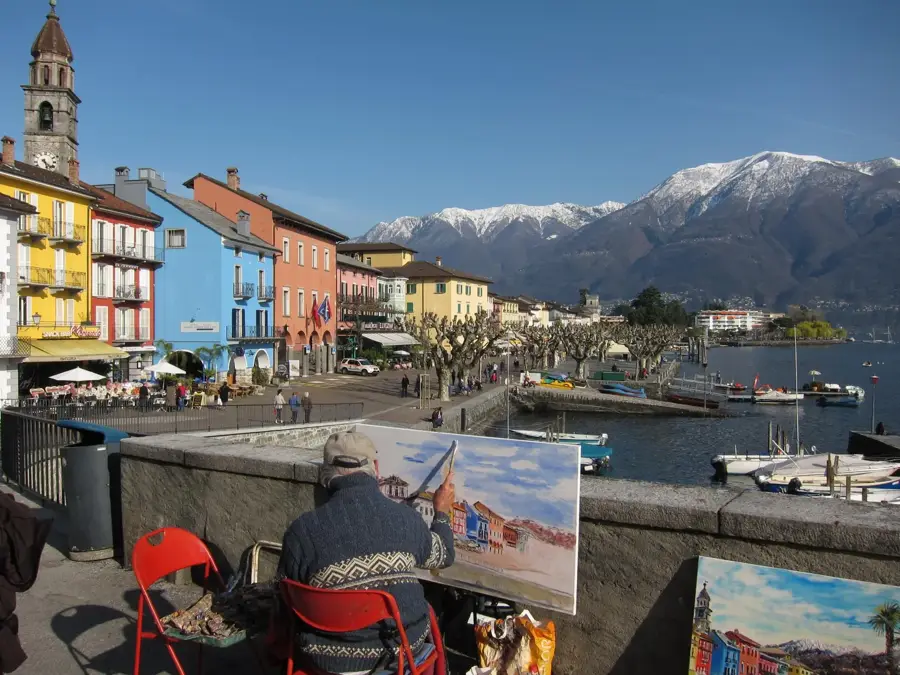
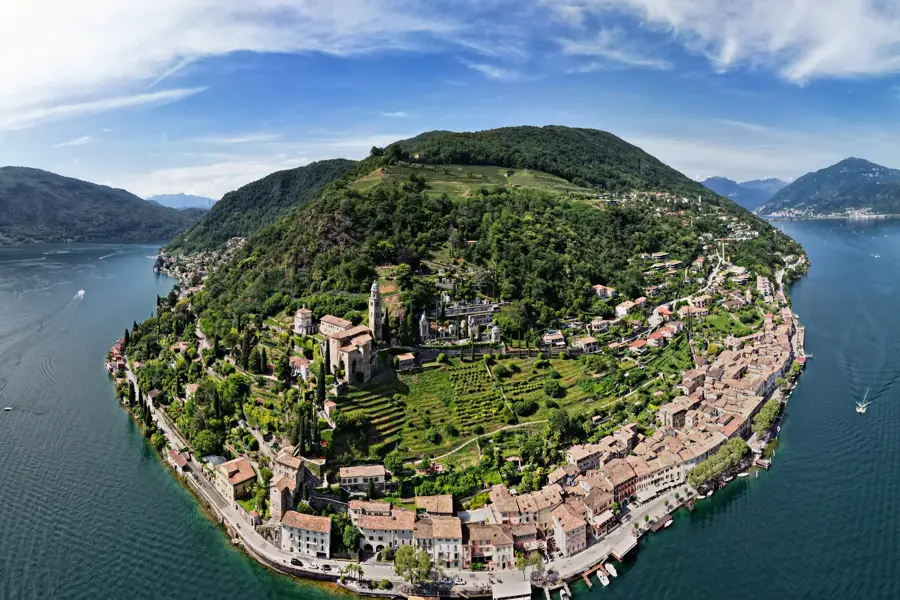
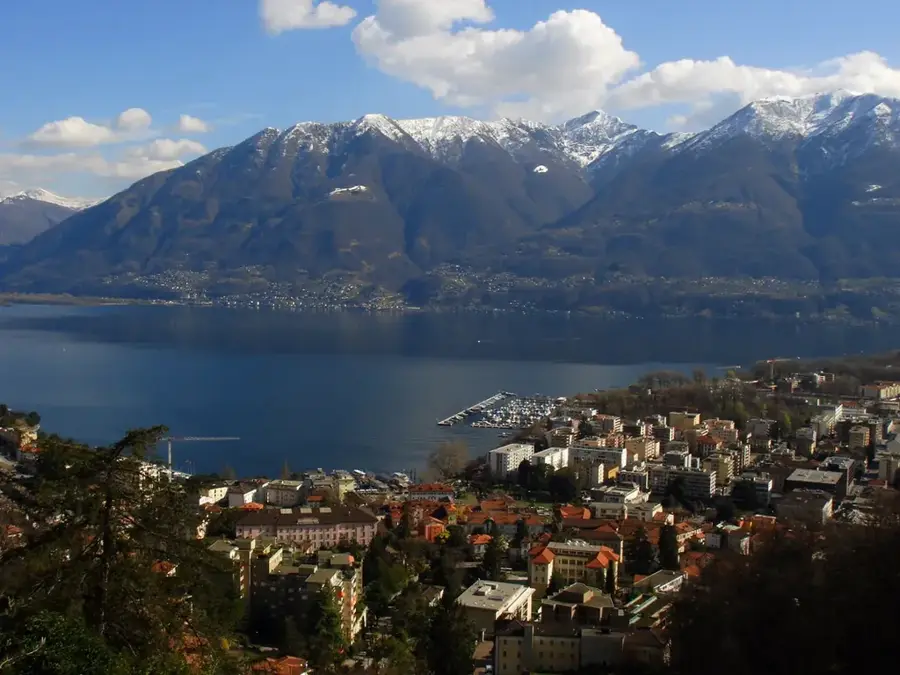
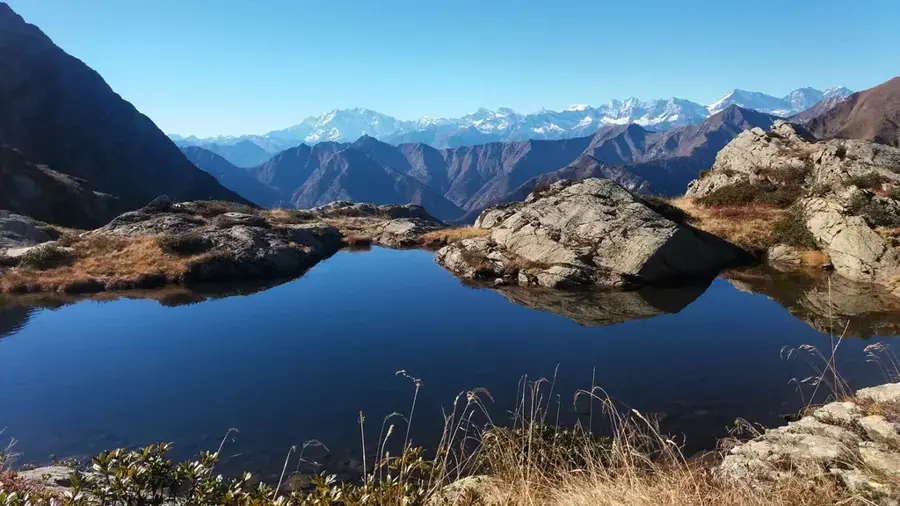
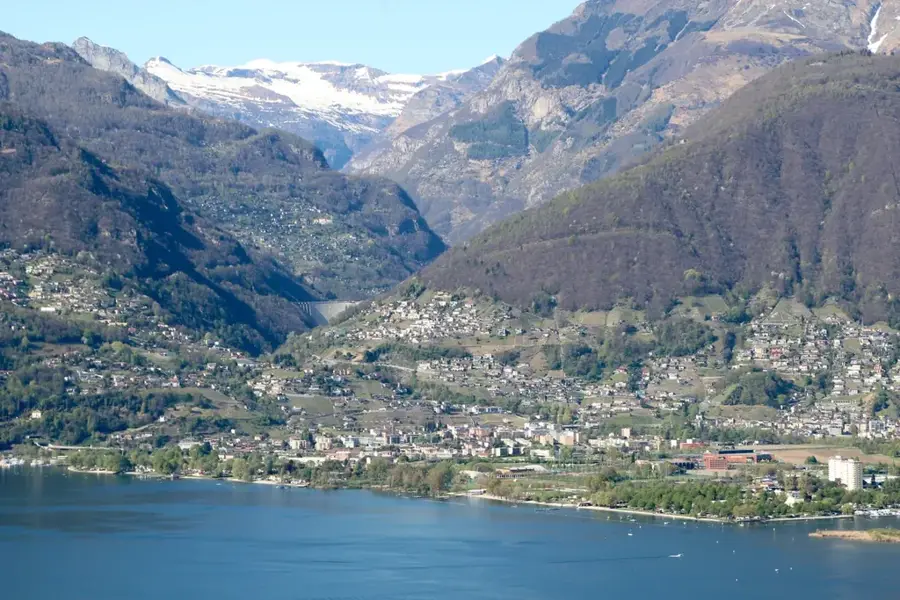
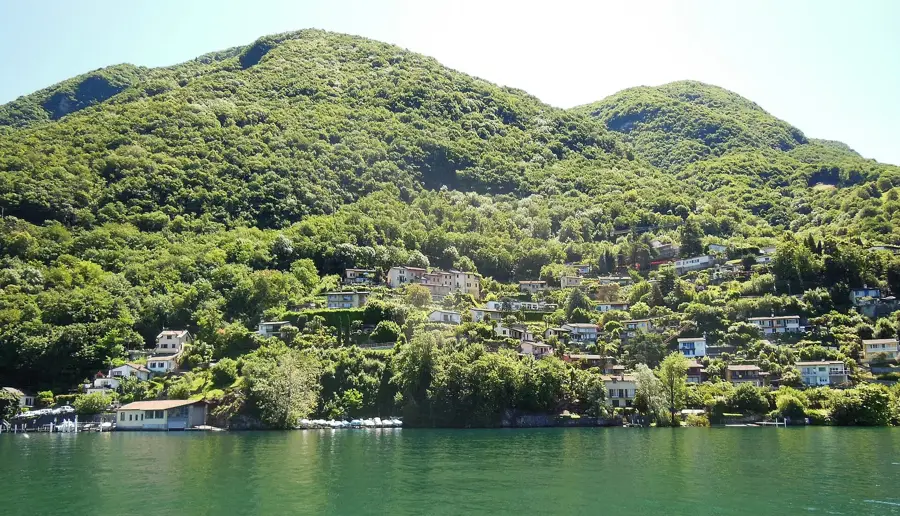
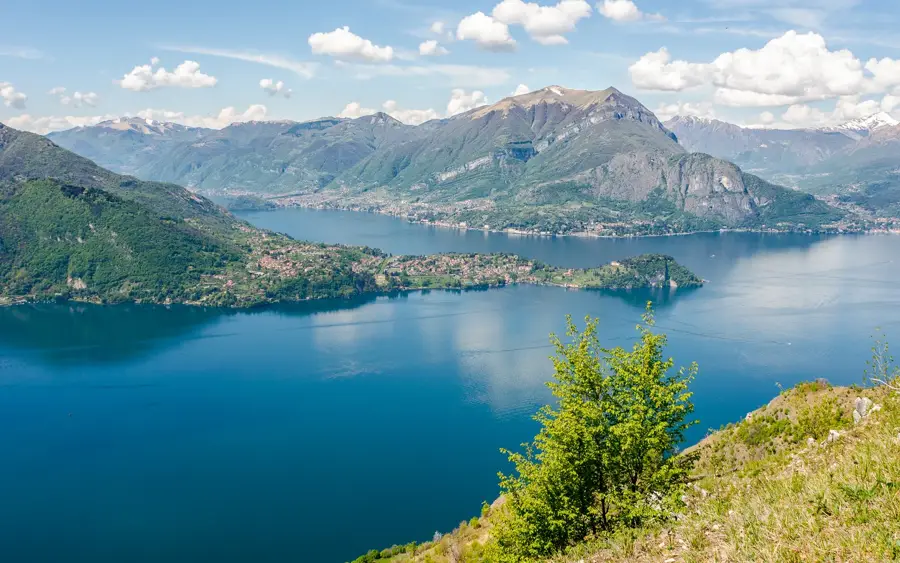
Lake Maggiore is the second largest lake in Italy, extending across the regions of Piedmont and Lombardy, as well as the Swiss canton of Ticino. Positioned at the southern edge of the Alps, the lake basin was carved during the glacial periods by the advance of the Ticino and Toce glaciers. The lake stretches approximately 65 kilometers in length and reaches a maximum depth of 372 meters, making it a vital water reservoir for the surrounding territories. It is most famous for the Borromean Gulf, which houses the iconic Borromean Islands, celebrated for their opulent Baroque palaces and manicured botanical gardens. The mild and humid climate facilitates the flourishing of exotic flora, including camellias, azaleas, and rhododendrons, which line the lakeside promenades. Historically, the lake served as an essential transport route for the marble used in the construction of the Milan Cathedral. The shoreline is dotted with elegant 19th-century resort towns like Stresa, which still exude the grandeur of the Belle Époque era. Today, Lake Maggiore stands as a transboundary symbol of cultural heritage and wide-open alpine scenery.

Best time to visit & climate

The most pleasant time to visit is Jun–Aug.

JanFebMarAprMayJunJulAugSepOctNovDec
Avg °C-115914182020151150
Rain mm5159701021391201071299911214773

📋 Practical info

🧭
Getting there
Lake Maggiore is easily accessible by train from Milan to Stresa or Arona. Arrival by car is mostly via the A8 motorway, with the coastal road offering beautiful views and connecting all major towns on the western and eastern shores.
📅
Best season
Spring (March to May) is particularly spectacular when camellias and azaleas bloom in the gardens. The summer months are convenient for swimming and boat trips, while the mild autumn is well-suited for hiking in the surrounding valleys.
⛰️
Terrain & paths
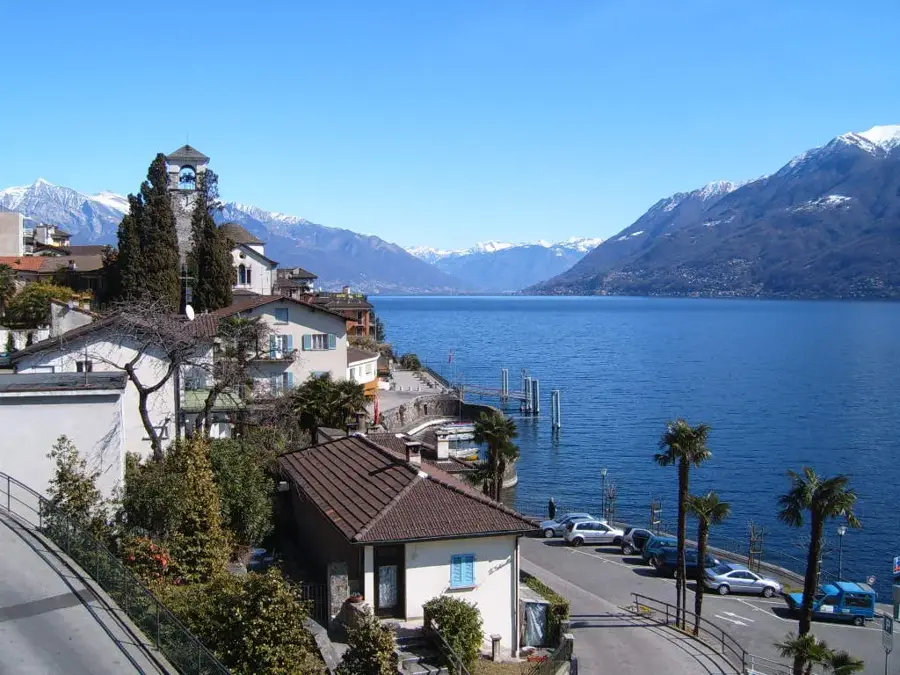
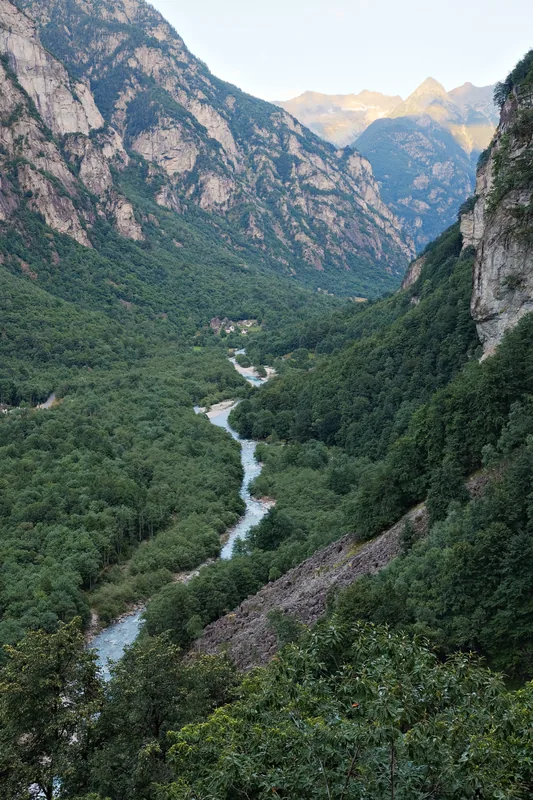
The landscape varies from the gentle, garden-rich shores in the south to the steeper, alpine slopes in the north at the Swiss border. Paths are mostly easy to walk, with the Borromean Islands offering flat terrain for leisurely strolls.
🎒
What to bring
In addition to light leisure wear for the towns and islands, comfortable shoes are advisable. Since a fresh breeze often blows on the lake, a light jacket should be packed for ferry crossings, as well as sun protection for the many outdoor areas.
🅿️
Parking
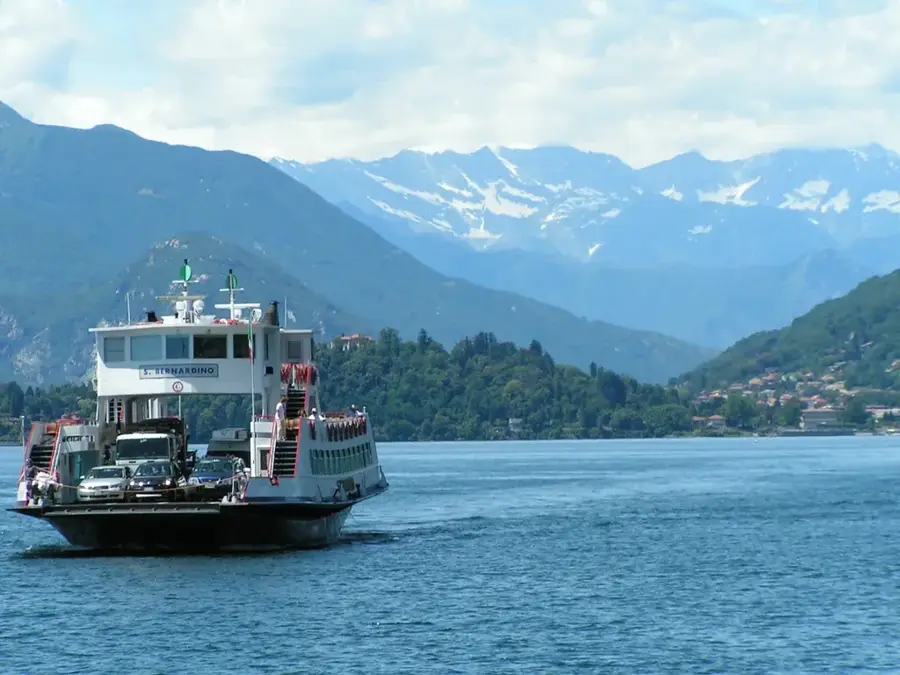
There are larger parking lots in Stresa and Arona, but they are heavily used on weekends. Many visitors use the paid areas near the ferry docks to easily cross over to the islands or other lakeside towns.
⚠️
Safety
Visitors should pay attention to ferry schedules to avoid getting stranded on the wrong shore. Caution is advised when swimming in the lake, as the water is very deep in some areas and sudden currents or temperature differences can occur.
⏱️
Time needed
A full day is sufficient to visit the three Borromean Islands. For a more comprehensive exploration of the botanical gardens, monasteries like Santa Caterina del Sasso, and the mountain regions, one should plan for at least three to four days.

Geography

Coordinates
45.98300, 8.61700

Facts

  • With a surface area of 212 km², it is the second largest lake in Italy.
  • Approximately 20% of the lake's surface area is located in Swiss territory.
  • The deepest point of the lake is recorded at 372 meters below the surface.
  • Isola Bella features a magnificent 17th-century palace and ten terraced gardens.
  • The lake's primary inflows are the Ticino and Toce rivers from the north.
  • The town of Arona hosts the 35-meter tall colossal statue of San Carlo Borromeo.

Explore nearby

Notable places around

Route planner — Car & Motorhome

Where do you start? We build the route here, with stops and country notes along the way.

Vehicle
Only stops with (optional):

© OpenStreetMap contributors · OpenRouteService

Sights in the town Lake Maggiore (8)

Museo dell'Arte del Cappello🏛 museum

A museum on Lake Maggiore dedicated to the art of hat-making.

🕒 Apr-Jun,Sep,Oct Sa,Su 15:30-18:30; Jul-Aug Tu,Th,Sa,Su 15:30

Sacro Monte della SS Trinità di Ghiffa🌿 nature

An important pilgrimage site and UNESCO World Heritage site on Lake Maggiore.

Panizza🏛 museum

A museum located in a former hat factory on Lake Maggiore.

Public Beach Spiaggia Oggebbio🎡 recreation

A public beach on the shores of Lake Maggiore in Oggebbio.

Spiaggia Oggebbio🎡 recreation

A scenic beach on Lake Maggiore in the municipality of Oggebbio.

Monte Cimolo📍 landmark

A mountain peak above Lake Maggiore offering impressive views.

Monumento agli Alpini🏺 historical

A monument dedicated to the Alpini mountain troops on Lake Maggiore.

Monumento Ai Caduti🏺 historical

A war memorial dedicated to the fallen soldiers on Lake Maggiore.

Sights nearby

Frequently asked questions

What are the Borromean Islands?
Three islands (Bella, Madre, Pescatori) featuring grand gardens and palaces.
Where is the best base?
Stresa is the most popular town for excursions to the islands.
Are there mountains there?
Yes, taking the cable car from Stresa to Mottarone has great views.
Does the lake belong only to Italy?
No, the northern part of the lake is in Switzerland (Canton Ticino).
What is Isola dei Pescatori?
The only permanently inhabited island, known for its fish restaurants.
Lake Maggiore: where is it located?
Lake Maggiore is located in Italy.
Lake Maggiore: what is there to see?
Highlights include Museo dell'Arte del Cappello, Sacro Monte della SS Trinità di Ghiffa, Panizza.
Lake Maggiore: when is the best time to visit?
The most pleasant time to visit is Jun, Aug.
Lake Maggiore: why is it worth visiting?
Lake Maggiore is the second largest lake in Italy, extending across the regions of Piedmont and Lombardy, as well as the Swiss canton of Ticino.
View on map → The Top 50 Attractions → Most beautiful beaches → OpenStreetMap →
Europe
Explore with Plizio Discover more places in Europe
More places in Italy →

Nearby cities

Nature

More places