Plizio Visual Lab
Mont Blanc
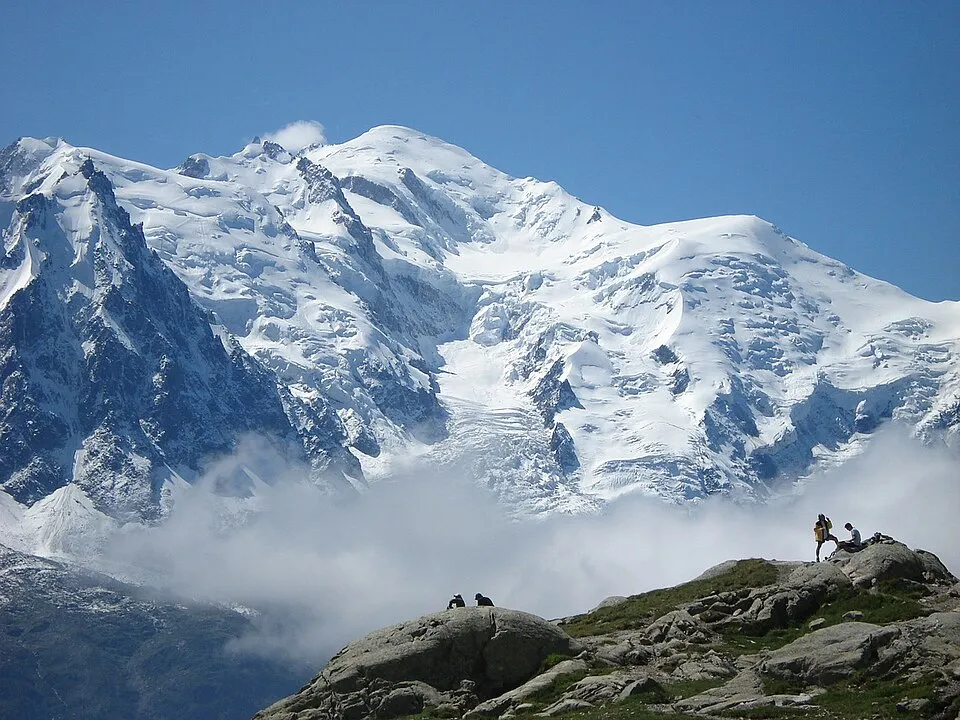
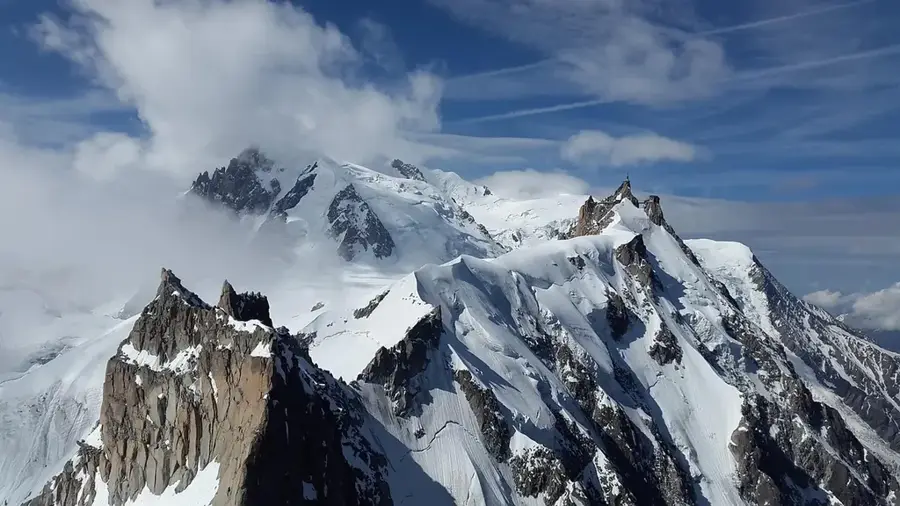
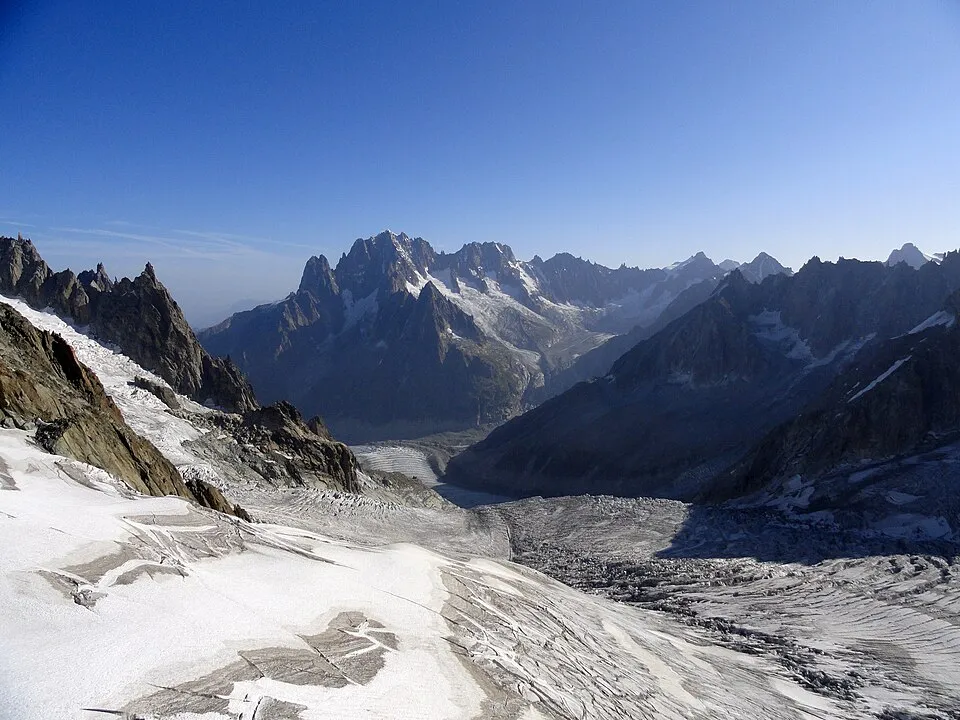
Mont Blanc is the highest peak in the Alps and the highest point in Western Europe, reaching an elevation of 4,807 meters above sea level. Located on the border between France and Italy, the mountain has been a symbol of natural majesty and a focal point for European mountaineering for centuries. The massif is primarily composed of granite and is permanently covered by expansive glaciers, including the famous Mer de Glace and the Bossons Glacier. The first successful ascent was recorded on August 8, 1786, by Jacques Balmat and Michel-Gabriel Paccard, marking the birth of modern mountaineering. The region surrounding the peak, particularly the Chamonix valley, serves as a global hub for extreme sports, hiking, and scientific research. The Mont Blanc Tunnel, completed in 1965, provides a vital 11.6-kilometer road link through the base of the massif, connecting Chamonix and Courmayeur. Due to its significant altitude, the mountain experiences extreme weather conditions, and its ice caps are closely monitored by climate scientists for changes. Today, it remains one of the most visited natural landmarks in Europe, attracting both professional climbers and sightseers who take the Aiguille du Midi cable car.
- Location: Auvergne-Rhône-Alpes, France
- Top sights: Mont Blanc / Monte Bianco · Rocher de la Tournette · Monte Bianco di Courmayeur
- Nearby: Chamonix-Mont-Blanc (10 km)
Best time to visit & climate
The most pleasant time to visit is Jun–Aug.
| Jan | Feb | Mar | Apr | May | Jun | Jul | Aug | Sep | Oct | Nov | Dec | |
|---|---|---|---|---|---|---|---|---|---|---|---|---|
| Avg °C | -7 | -6 | -3 | 3 | 7 | 11 | 13 | 13 | 9 | 5 | -1 | -5 |
| Rain mm | 107 | 77 | 94 | 74 | 117 | 105 | 103 | 105 | 76 | 86 | 94 | 110 |
📋 Practical info
Geography
Facts
- The current official height is measured at 4,807 meters.
- Jacques Balmat reached the summit first in the year 1786.
- The Mont Blanc road tunnel was opened to traffic in 1965.
- The Mer de Glace is the largest glacier within France.
- Roughly 20,000 people attempt to climb the summit every year.
- The Aiguille du Midi cable car reaches 3,842 meters height.
Explore nearby
Notable places around
Route planner — Car & Motorhome
Where do you start? We build the route here, with stops and country notes along the way.
© OpenStreetMap contributors · OpenRouteService
Sights in the town Mont Blanc (4)
Petite Bosse
Secondary summit of Mont Blanc, at about 4513 meters.
Sights nearby
Frequently asked questions
How to get closest to the summit?
Is Mont Blanc dangerous for hikers?
What is the Mont Blanc Tunnel?
Do I need warm clothes in summer?
When is the best time to visit?
Mont Blanc: where is it located?
Mont Blanc: what is there to see?
Mont Blanc: when is the best time to visit?
Mont Blanc: why is it worth visiting?

Nearby cities