Plizio Visual Lab

Col de l'Iseran

Plizio editorial teamData Sources
Mountain
—°8
Col de l'Iseran (France)

Weather…

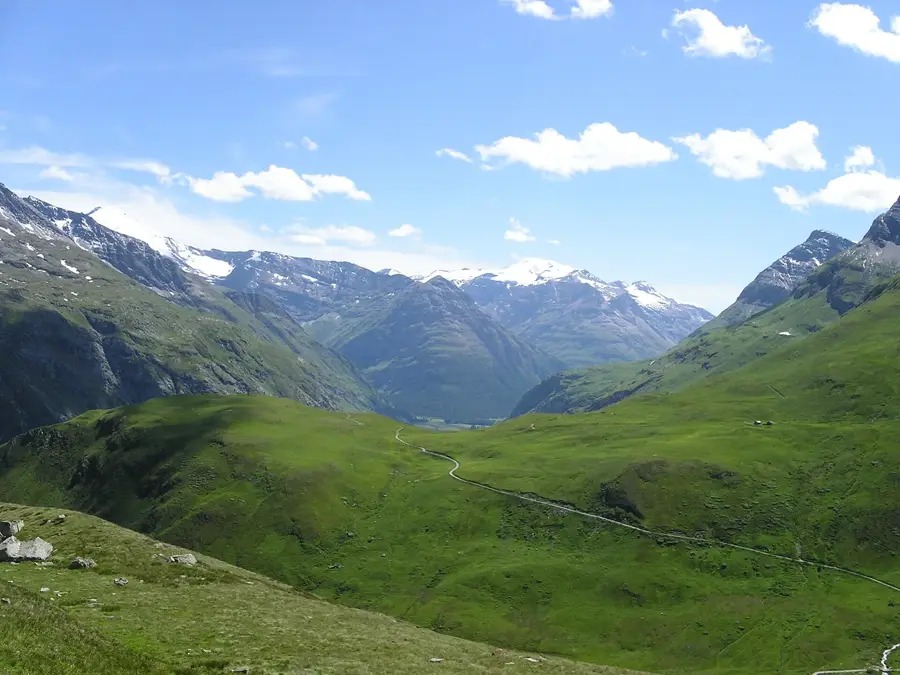
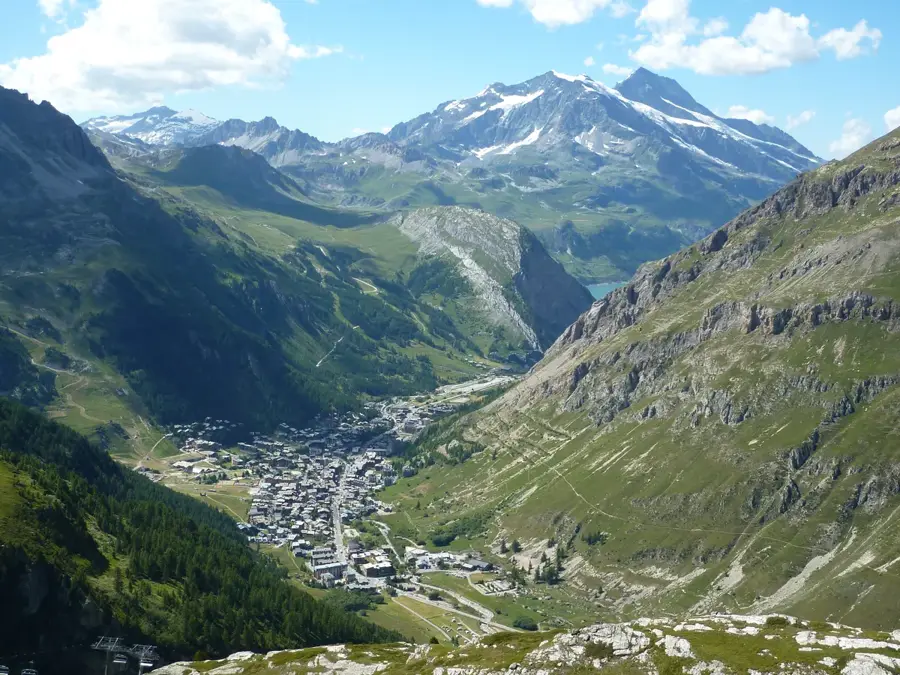
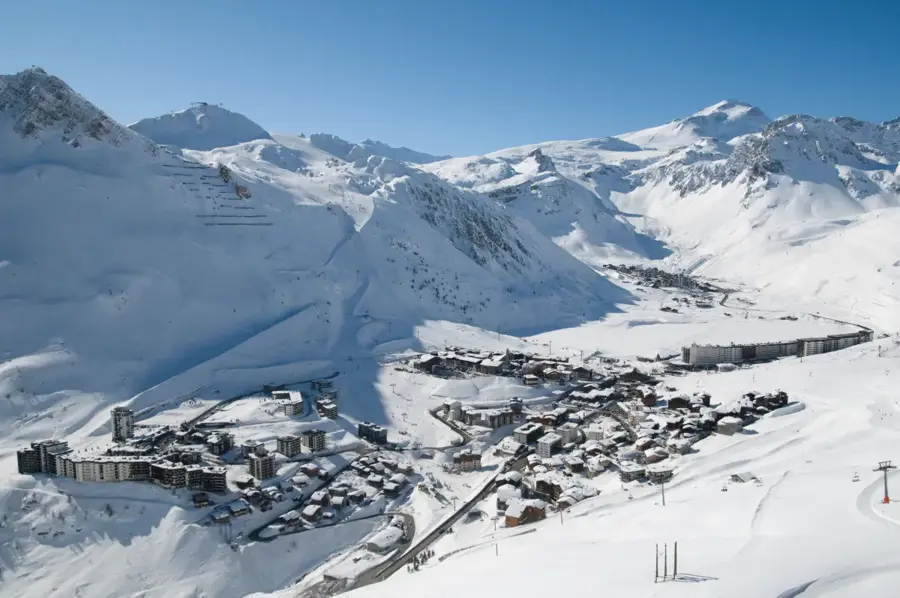
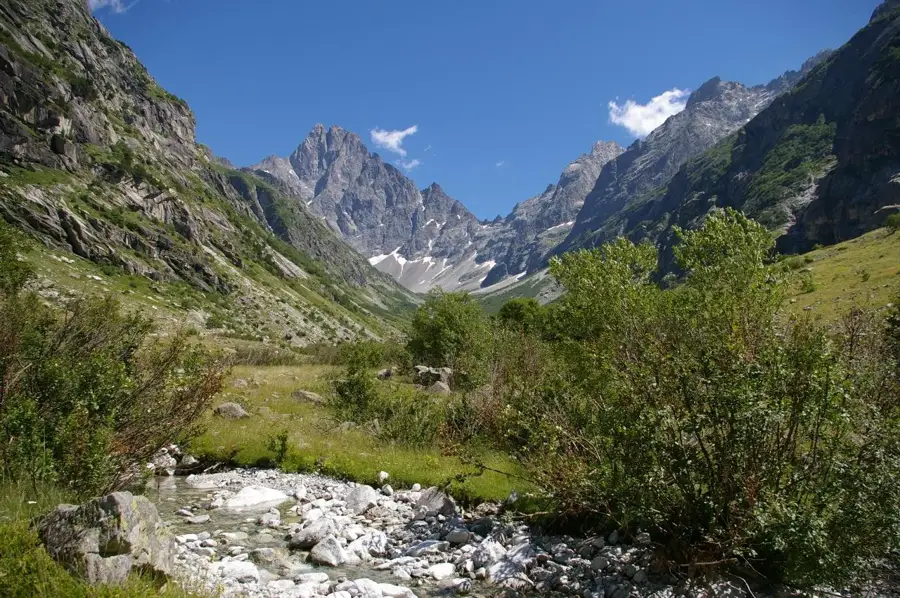
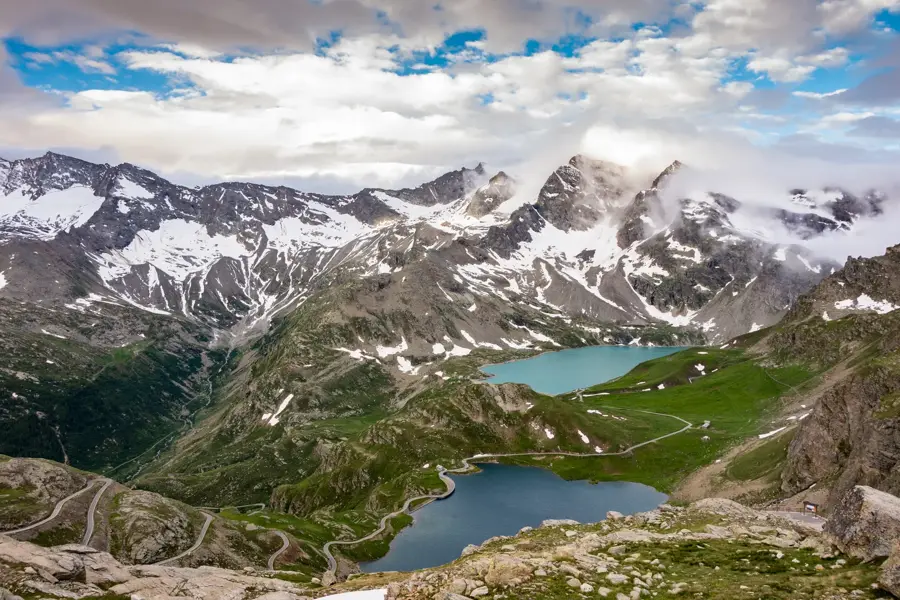
Col de l'Iseran is the highest paved mountain pass in the Alps, reaching an elevation of 2,764 meters in the Savoie department of France. It serves as a strategic connection between the Tarentaise Valley and the Maurienne Valley, situated in the heart of the Vanoise National Park. Geologically, the region is characterized by metamorphic rocks such as mica schists, which undergo intense physical weathering under extreme high-alpine conditions. The pass was officially opened to traffic in 1937, following a construction project that posed significant engineering challenges in the thin mountain air. Due to extreme weather, the road is typically only accessible from early June to October, with snowfall occurring even during summer months. In the world of sports, the Iseran has achieved legendary status through the Tour de France, being one of the most difficult climbs in cycling history. The relief supports sparse high-alpine flora and serves as a habitat for ibex and marmots.

Best time to visit & climate

The most pleasant time to visit is Jun–Aug.

JanFebMarAprMayJunJulAugSepOctNovDec
Avg °C-8-8-41610121284-2-7
Rain mm7357706910389797865718879

📋 Practical info

🧭
Getting there
This high-altitude alpine pass is mostly accessed as part of an impressive panoramic road trip by car, motorcycle, or road bike via Val-d'Isère or Bonneval-sur-Arc, whereby the narrow hairpin bends demand a great deal of continuous driving attention.
📅
Best season
Due to the enormous altitude, the pass road is mostly reliably open for regular traffic only during the summer months, typically extending from mid-June well into late September, as it is otherwise completely blocked by massive amounts of deep snow.
⛰️
Terrain & paths
Directly at the pass itself, a very rough, barren, and stony high-mountain landscape thoroughly dominates, serving perfectly as a starting point for further high-alpine hikes, even though very few paved footpaths exist directly adjacent to the road.
🎒
What to bring
Anyone leaving their vehicle at the pass summit should always have a thick, windproof jacket ready, even in midsummer, as the icy winds can be extremely cold; sunglasses and strong UV protection are indispensable due to the noticeably thinner high-altitude air.
🅿️
Parking
Right at the barren pass summit, there are unpaved gravel areas that serve as informal parking spaces for cars and motorcycles to allow visitors to enjoy the view, take photos, or set off on a short hike into the surrounding rugged scree landscape.
⚠️
Safety
The high-altitude air is noticeably thinner, which can easily lead to mild shortness of breath in susceptible individuals; furthermore, due to the cold, cyclists and drivers must pay close attention to potential icing on shaded curves during the long descent.
⏱️
Time needed
For a pure photo stop and a brief look at the gigantic alpine panorama, passing travelers usually only plan around 20 to 30 minutes, whereas determined cyclists or hikers frequently spend the better part of the day on or entirely around the pass road.

Geography

Coordinates
45.43000, 7.00000

Facts

  • Elevation of the pass is 2,764 meters
  • Official inauguration took place on July 10, 1937
  • Connects Val-d'Isère with Bonneval-sur-Arc
  • Highest point on the Route des Grandes Alpes
  • Has been featured 8 times in the Tour de France
  • Located within the Vanoise National Park

Explore nearby

Notable places around

Route planner — Car & Motorhome

Where do you start? We build the route here, with stops and country notes along the way.

Vehicle
Only stops with (optional):

© OpenStreetMap contributors · OpenRouteService

Sights in the town Col de l'Iseran (8)

Tête du Solaise

Peak at 3051 m above Val d'Isère, offering views of the Alps.

Tête de l'Arollay

Mountain summit of 3228 m in the Vanoise massif, near Col de l'Iseran.

Biotope de l'Iseran

Protected biotope at Col de l'Iseran, home to alpine flora and fauna.

Chapelle Saint-Roch

Small chapel at Col de l'Iseran, dedicated to Saint Roch.

Pointe des Lessières

Summit at 3181 m in the Vanoise massif, south of Col de l'Iseran.

Maison de Val

Cultural centre in Val d'Isère hosting exhibitions and events.

Notre Dame de Toute Prudence

Chapel on Col de l'Iseran, built in 1939, with mountain panorama.

Col de l'Iseran

Highest drivable pass in the Alps at 2770 m, featuring a viewpoint.

Sights nearby

Frequently asked questions

When is the Col de l'Iseran open to traffic?
The pass is typically open from early June to late October, depending on the snow conditions.
How high is the Col de l'Iseran pass?
At 2764 meters, it is the highest paved mountain pass in the Alps.
Which towns does the pass road connect?
The road connects Val d'Isère in the north with Bonneval-sur-Arc in the south.
Are there dining options at the summit?
Yes, there is a chapel and a small restaurant at the summit for travelers.
Is the route suitable for cyclists?
It is a legendary Tour de France stage and very demanding, especially the southern ascent.
Col de l'Iseran: where is it located?
Col de l'Iseran is located in Provence-Alpes-Côte d'Azur, France.
Col de l'Iseran: what is there to see?
Highlights include Tête du Solaise, Tête de l'Arollay, Biotope de l'Iseran.
Col de l'Iseran: when is the best time to visit?
The most pleasant time to visit is Jun, Aug.
Col de l'Iseran: why is it worth visiting?
Col de l'Iseran is the highest paved mountain pass in the Alps, reaching an elevation of 2,764 meters in the Savoie department of France.
View on map → The Top 50 Attractions → Most beautiful beaches → OpenStreetMap →
Europe
Explore with Plizio Discover more places in Europe
More places in France →

Nearby cities