Plizio Visual Lab
Dent Blanche
Weather…
Water temperature…
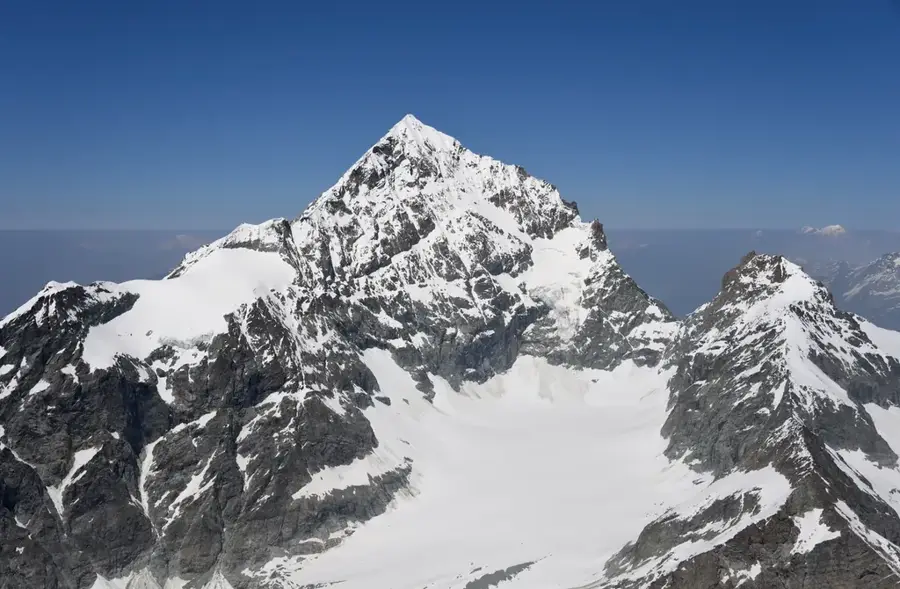
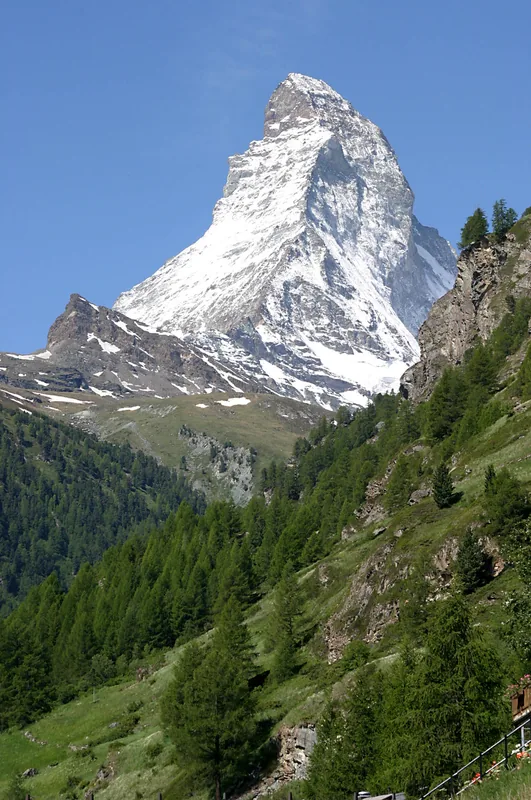
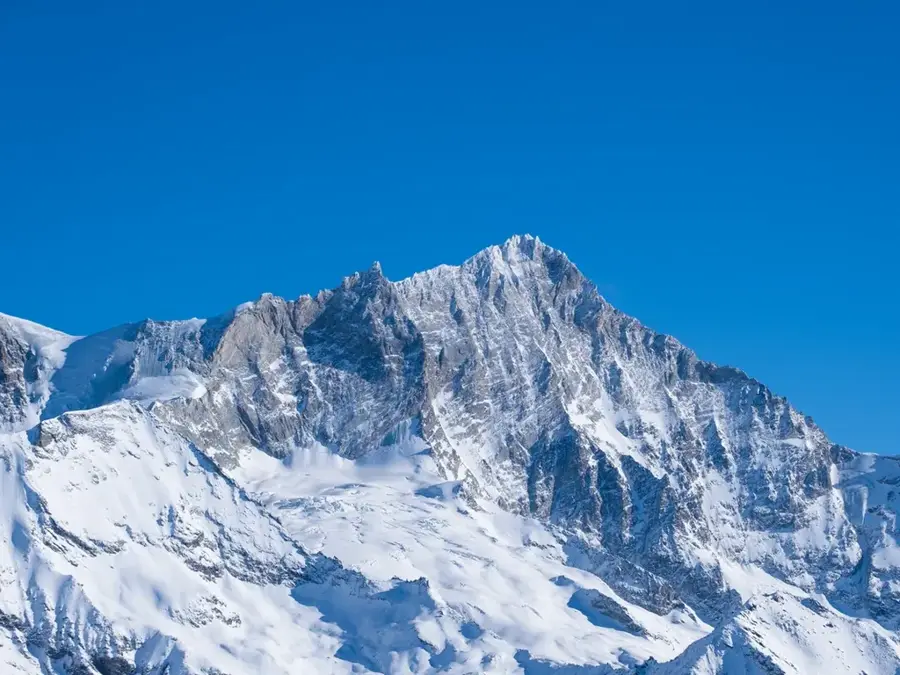
Standing at 4,357 meters, the Dent Blanche is one of the highest and most striking peaks in the Pennine Alps. Located west of Zermatt, it forms the southern terminus of the Val d'Hérens. The mountain is renowned for its nearly ice-free, rocky appearance and its four sharp ridges that point almost exactly in the four cardinal directions. Despite its name meaning 'White Tooth,' the peak often appears darker than its neighbors; this is believed to be the result of a historical naming error involving the Dent d'Hérens. The first ascent was achieved on July 12, 1862, by Thomas Stuart Kennedy and William Wigram, guided by Jean-Baptiste Croz and Johann Kronig. Geologically, the Dent Blanche is composed of gneiss and granite belonging to the Dent-Blanche nappe, which is a remnant of the African tectonic plate. Due to its exposure and technical difficulty, climbing the Dent Blanche remains a coveted prize for experienced high-altitude mountaineers.
- Location: Switzerland
- Top sights: Ober Gabelhorn · Mont Durand · Pointe de Zinal
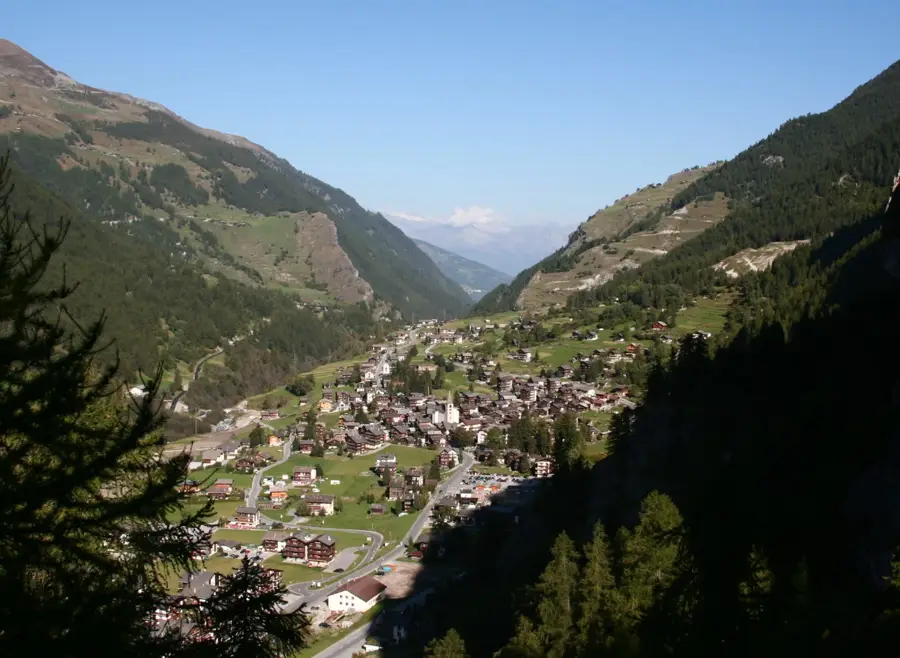
- Nearby: Zermatt (10 km)
Best time to visit & climate
The most pleasant time to visit is Jun–Aug.
| Jan | Feb | Mar | Apr | May | Jun | Jul | Aug | Sep | Oct | Nov | Dec | |
|---|---|---|---|---|---|---|---|---|---|---|---|---|
| Avg °C | -10 | -10 | -6 | -1 | 4 | 8 | 10 | 10 | 6 | 2 | -4 | -9 |
| Rain mm | 63 | 50 | 63 | 70 | 109 | 97 | 96 | 99 | 68 | 72 | 91 | 68 |
📋 Practical info
Geography
Facts
- The Dent Blanche stands at 4,357 meters above sea level in Valais.
- Its four ridges are almost perfectly aligned with the cardinal points.
- The first ascent took place on July 12, 1862, led by Thomas Stuart Kennedy.
- The mountain is geologically a part of the African tectonic plate.
- The name translates to 'White Tooth' despite its often dark, rocky face.
- It is considered one of the most aesthetic and difficult 4000m peaks.
Explore nearby
Notable places around
Route planner — Car & Motorhome
Where do you start? We build the route here, with stops and country notes along the way.
© OpenStreetMap contributors · OpenRouteService
Sights in the town Dent Blanche (3)
Sights nearby
Frequently asked questions
What does the name Dent Blanche mean?
How high is the mountain?
In which canton is the Dent Blanche located?
Is the mountain glaciated?
How difficult is the ascent?
Dent Blanche: where is it located?
Dent Blanche: what is there to see?
Dent Blanche: when is the best time to visit?
Dent Blanche: why is it worth visiting?

Nearby cities