Plizio Visual Lab

Jezreel Valley
Plizio editorial teamData Sources
valley
—°12
Jezreel Valley (Israel)

Weather…

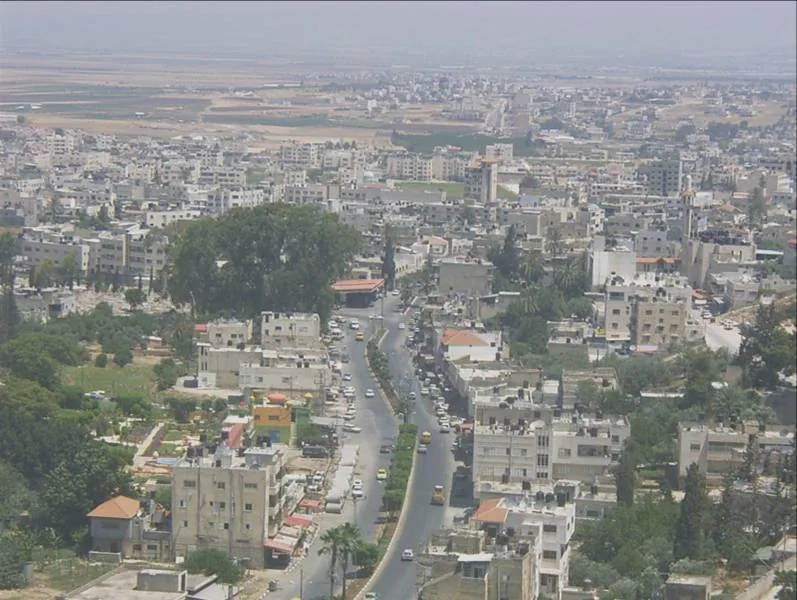
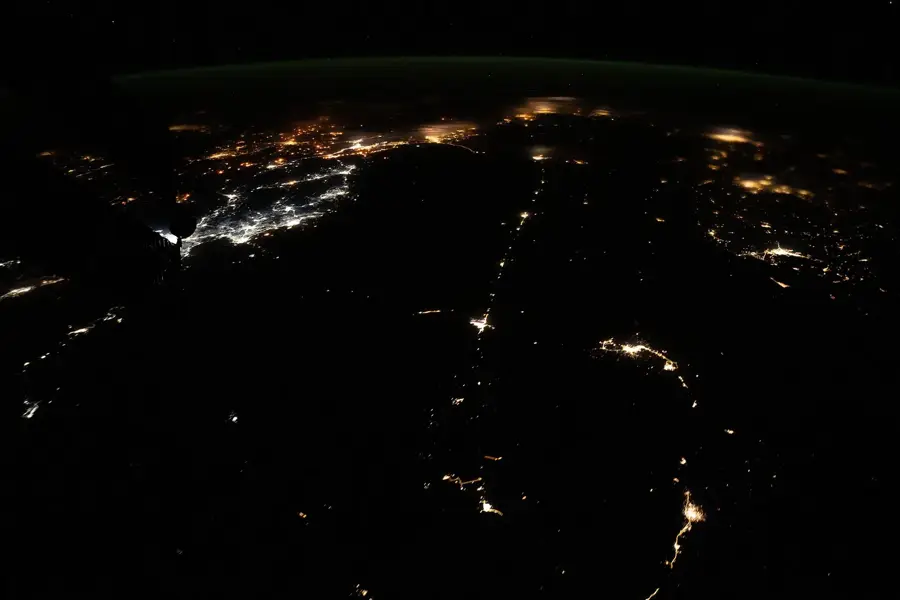
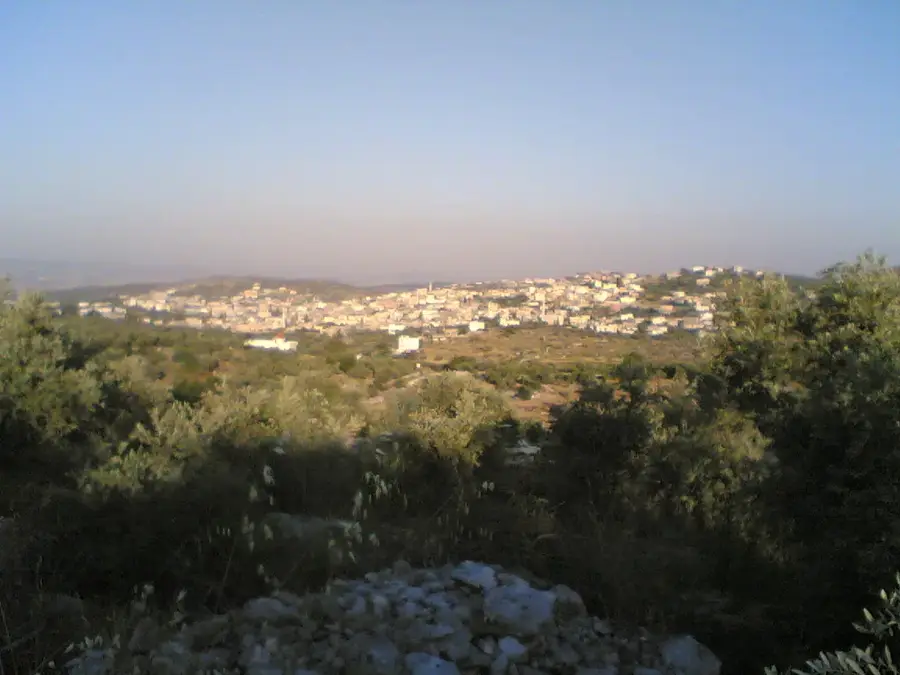
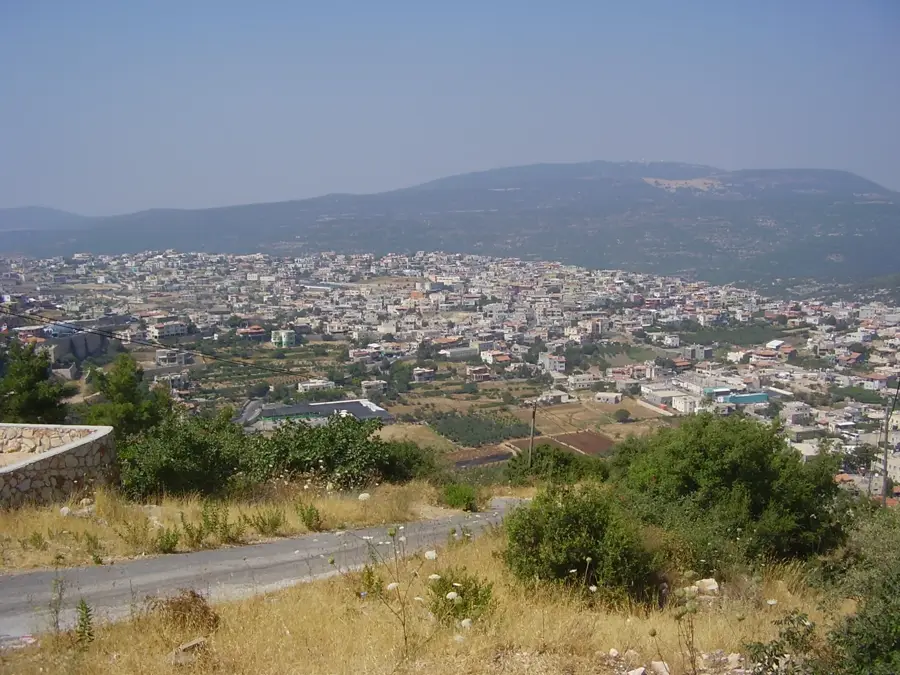
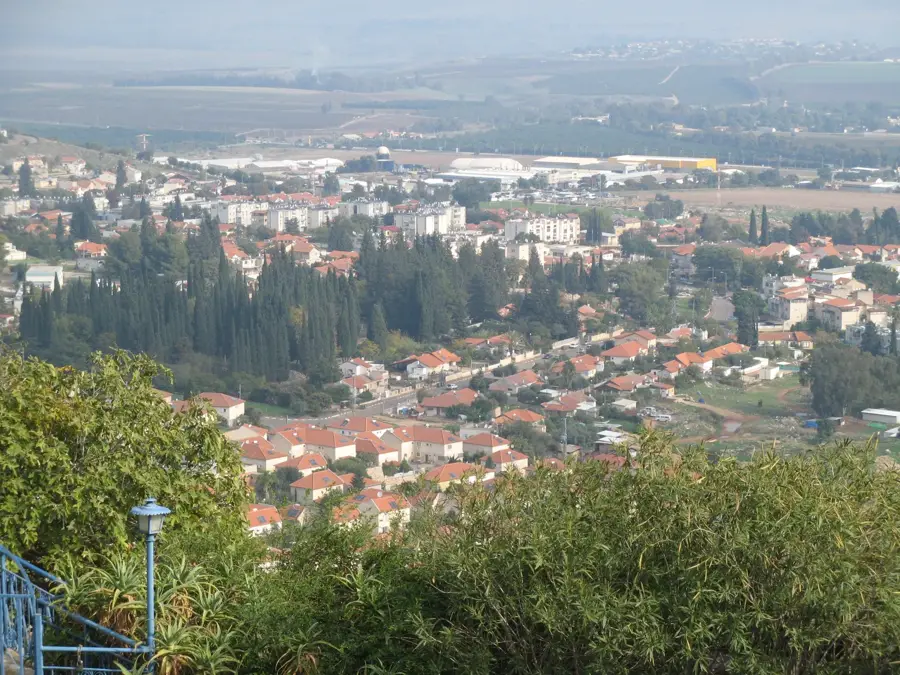
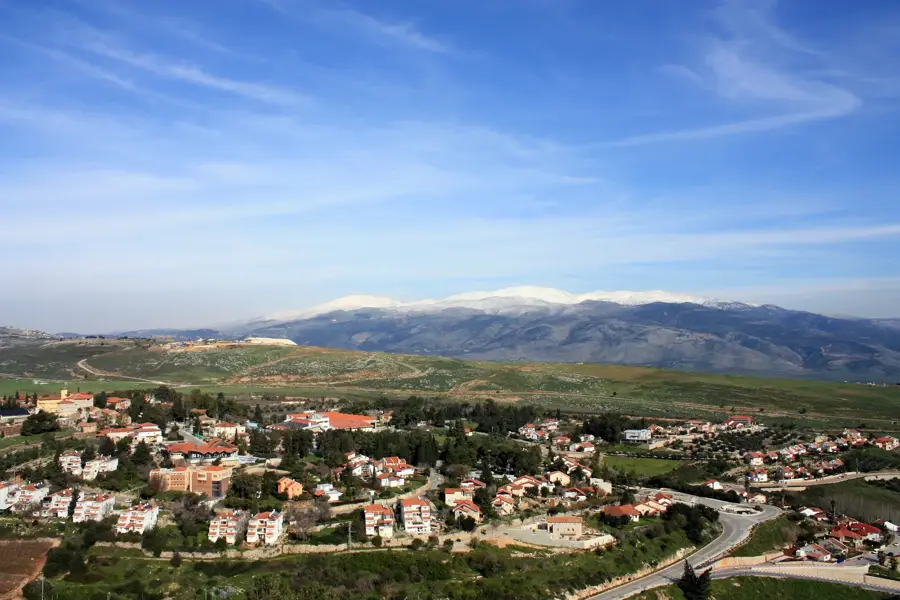
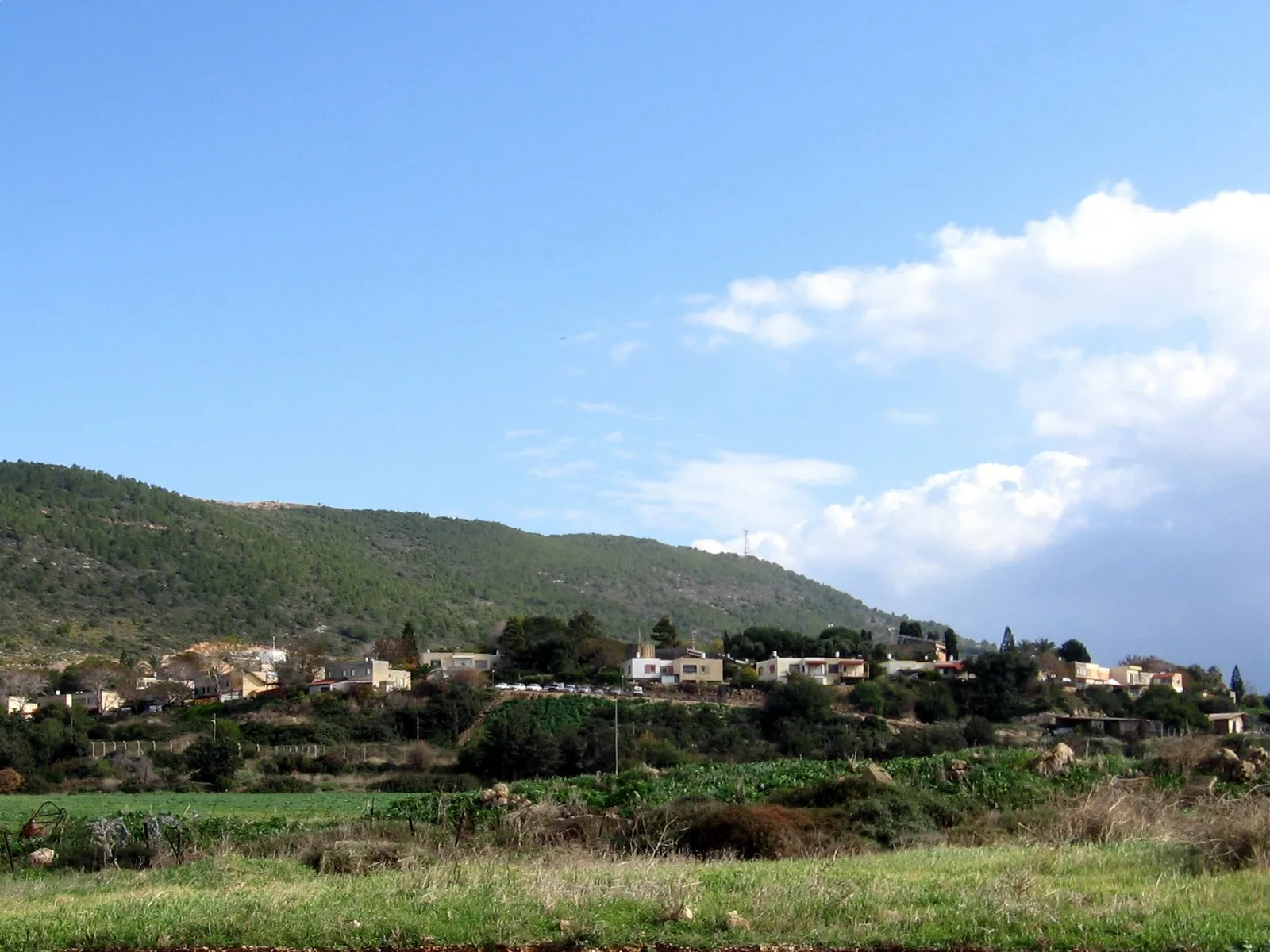
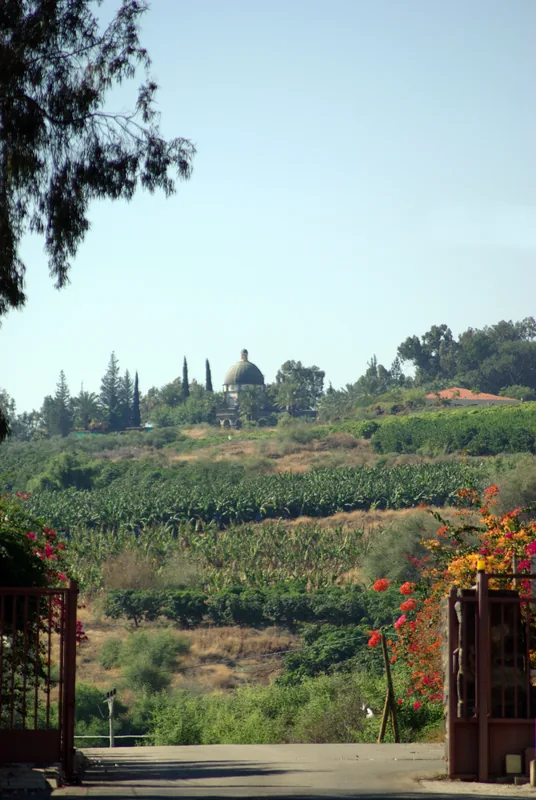
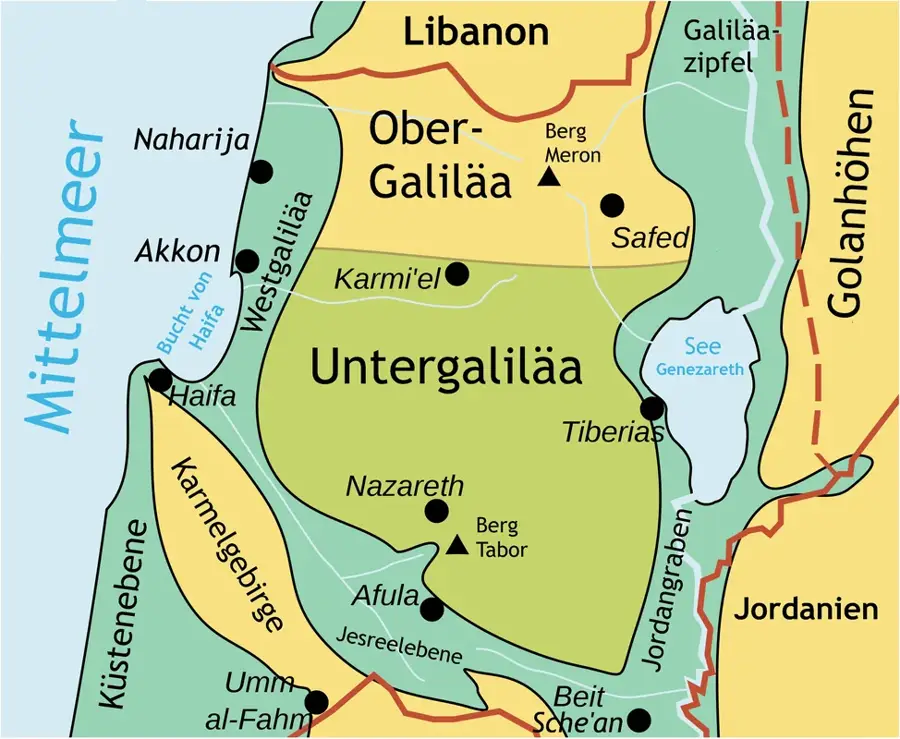
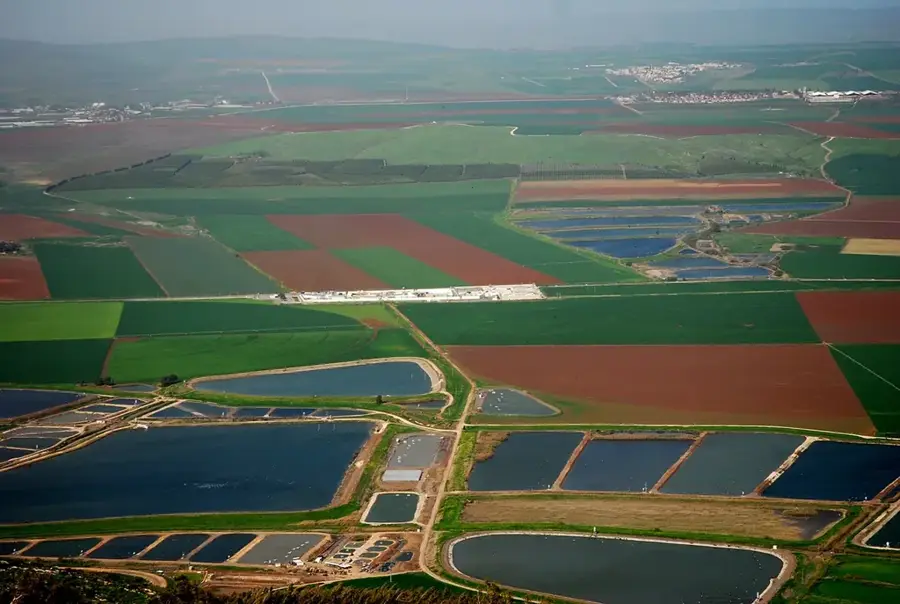
The Jezreel Valley is a large, fertile plain in northern Israel, stretching from the Mediterranean Sea to the Jordan Valley. Its geological formation is a graben, part of the Dead Sea Transform, and it lies at an elevation of about 50-100 meters below sea level in its lowest parts. The valley has been a crucial agricultural region for millennia, known for its wheat, barley, and olives. In modern times, it has become a hub for dairy farming and high-tech agriculture. The valley is also of strategic military importance, having been the site of numerous historical battles, including the famous Battle of Megiddo in 1918 during World War I. Its population density is moderate, with approximately 200,000 residents living in towns such as Afula, Migdal HaEmek, and Yokneam. The valley's unique microclimate supports a diverse ecosystem, including migratory birds that stop over in the nearby Beit She'an Valley.

Best time to visit & climate

The most pleasant time to visit is Apr, May, Oct.

JanFebMarAprMayJunJulAugSepOctNovDec
Avg °C111215192327292927241813
Rain mm9379402061012124079

📋 Practical info

🧭
Getting there
The valley is easily accessible via major highways connecting northern Israel; regional roads crisscross the fertile plain, making most sites reachable by car within a short drive.
📅
Best season
Spring (February to April) is well-suited when the fields are lush and wildflowers bloom; autumn provides milder temperatures suitable for exploring the vast agricultural landscape.
⛰️
Terrain & paths
The landscape is predominantly flat and even, consisting of vast agricultural fields and orchards, with gentle slopes appearing only as you move toward the surrounding hills.
🎒
What to bring
Comfortable walking shoes are sufficient for most areas; bring lightweight, breathable clothing and high-SPF sunscreen to protect against the strong Mediterranean sun.
🅿️
Parking
Ample parking is usually available in the many kibbutzim, moshavim, and small towns located throughout the valley, often near local heritage sites or trailheads.
⚠️
Safety
Stay on marked paths to avoid disturbing active agricultural operations; always carry sufficient water, as temperatures can rise significantly during the midday hours.
⏱️
Time needed
A typical visit ranges from a few hours for a scenic drive to a full day if visiting multiple historical sites or nature reserves within the expansive valley plain.

Geography

Coordinates
32.58000, 35.31000

Facts

  • The Jezreel Valley covers an area of approximately 400 km².
  • Its elevation ranges from 50 m below sea level to 150 m above sea level.
  • The Battle of Megiddo in 1918 involved 12,000 Allied troops.
  • The valley's soil is primarily Rendzina, rich in calcium carbonate.
  • Average annual temperature is 21 °C, with 450 mm of rainfall.
  • The valley hosts the Jezreel Valley Regional Council, governing 26 communities.

Explore nearby

Notable places around

Route planner — Car & Motorhome

Where do you start? We build the route here, with stops and country notes along the way.

Vehicle
Only stops with (optional):

© OpenStreetMap contributors · OpenRouteService

Sights in the town Jezreel Valley (12)

Ein Adashim📍 landmark

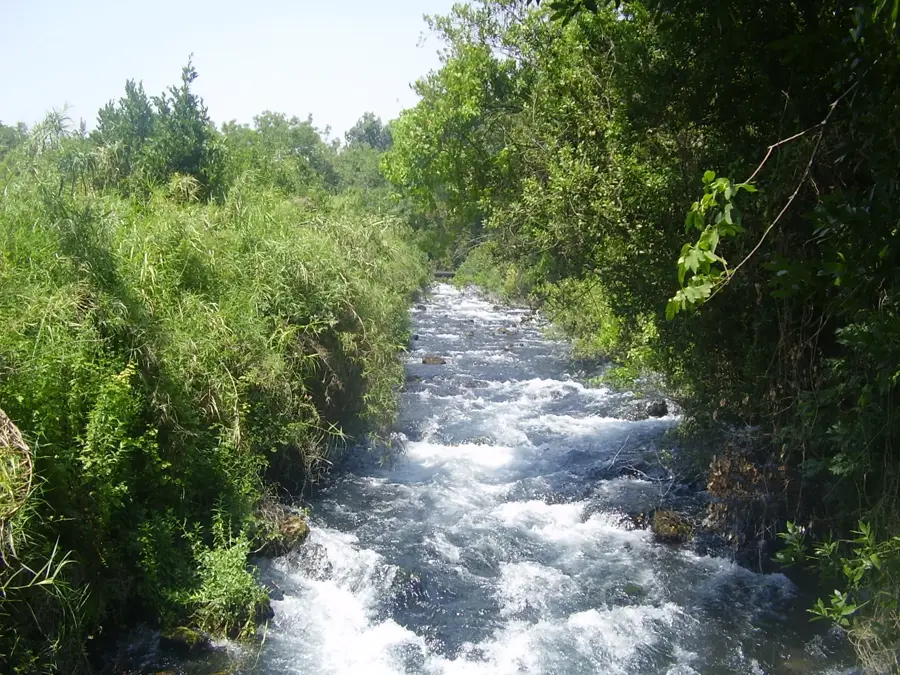
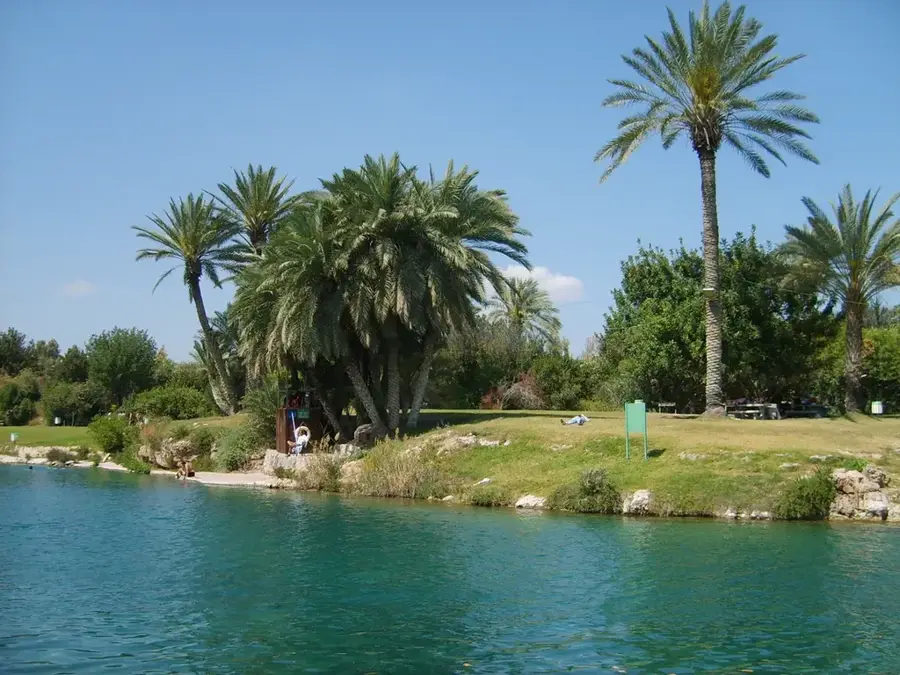
A natural spring in the eastern Jezreel Valley surrounded by lush green vegetation.

Hurvat Tevet🏺 historical

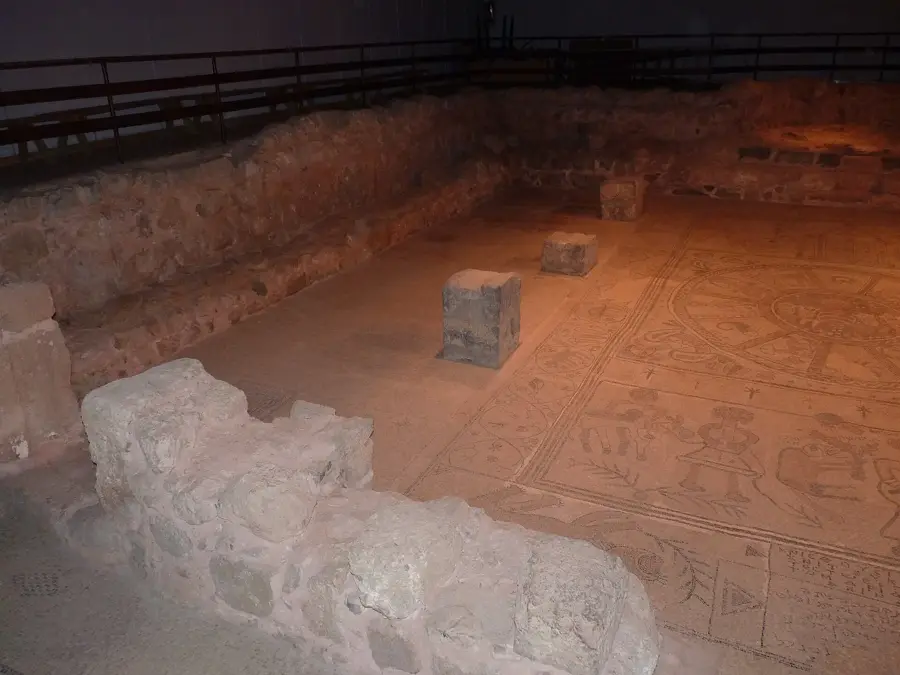
Archaeological ruins of an ancient settlement revealing various historical layers of the Jezreel Valley.

Ein Naim📍 landmark

A tranquil spring at the base of Givat HaMore, offering a peaceful nature destination.

Givat HaMore🌿 nature

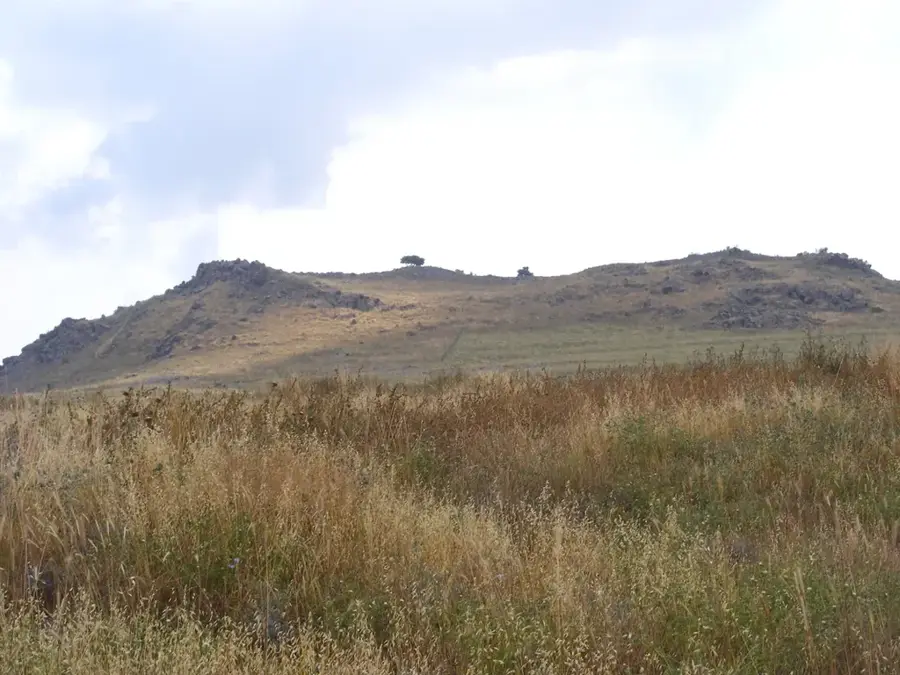
An isolated volcanic hill offering a 360-degree panoramic view of the entire Jezreel Valley.

Kfar Yeladim📍 landmark

A historic children's village from the 1920s, originally established to house orphans.

Horbat Sahar🏺 historical

Stone ruins of an ancient village overlooking the agricultural fields of the valley.

Givat Bolek🌿 nature

A scenic peak in the Lower Galilee providing expansive views toward Mount Tabor.

Hirbat Kara🏺 historical

An archaeological site containing remnants of agricultural structures from the Roman-Byzantine era.

Tel Jezreel🌿 nature

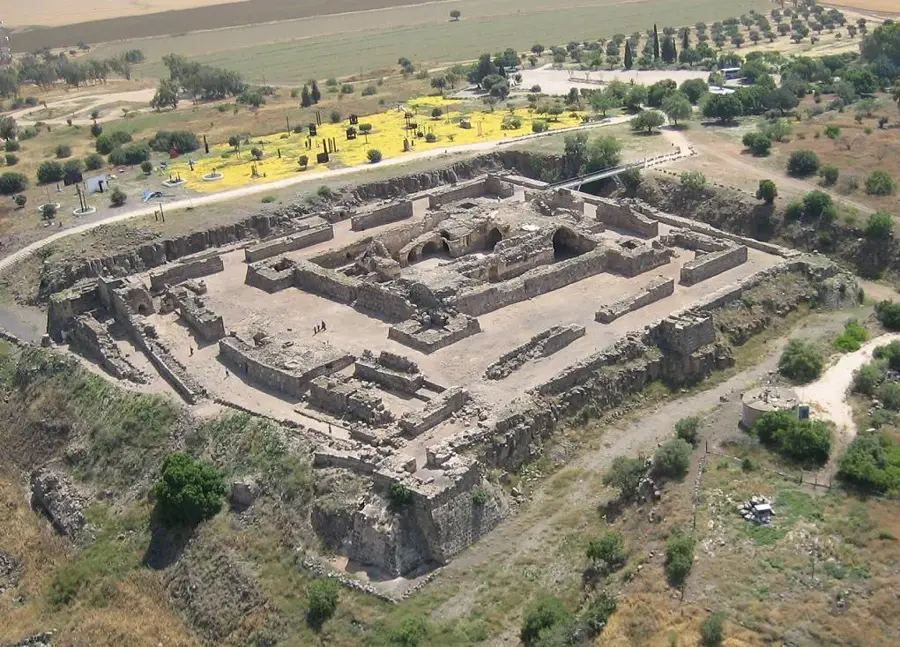
This biblical hill marks the site of the former winter palace of the kings of Israel.

Glich Water Park Afula🎡 recreation

A popular family leisure spot featuring colorful water slides and several swimming pools in Afula.

Old City Market🎭 culture

A bustling marketplace in Afula's old city offering fresh local produce and spices.

New City Market🎭 culture

A modern commercial center for shopping and local trade in the heart of Afula.

Sights nearby

Frequently asked questions

Why is this valley so important for agriculture?
It is the most fertile valley in Israel and is often referred to as the 'breadbasket' of the country.
What is Tel Megiddo?
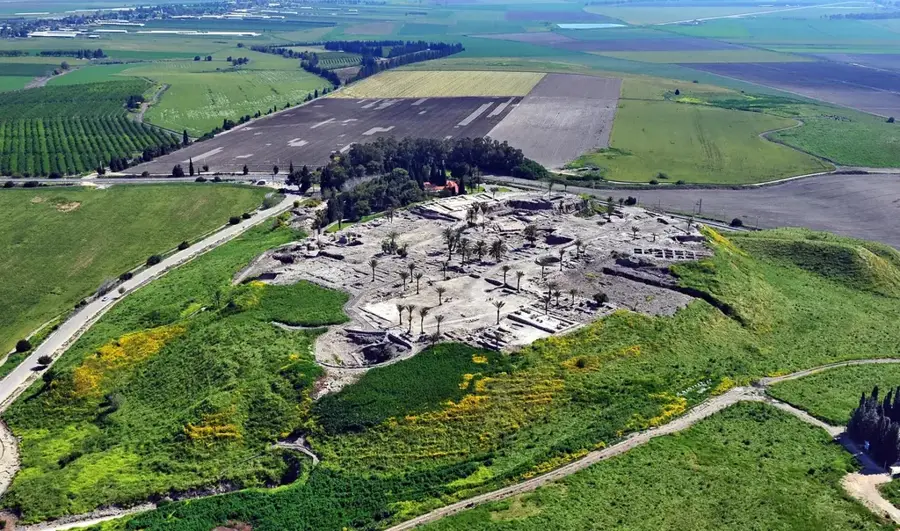
An ancient city mound in the valley, known in the New Testament as 'Armageddon'.
Where do you get the best view of the valley?
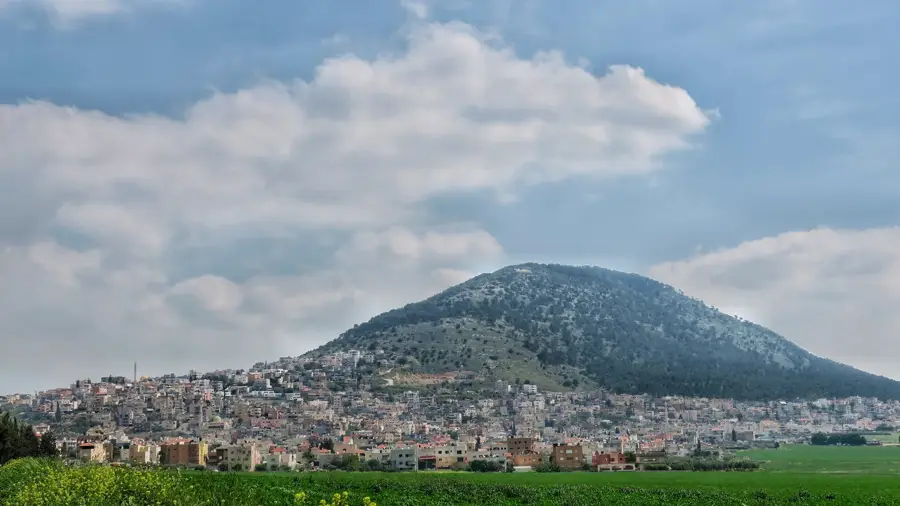
From Mount Tabor or the Gilboa Mountains, you get a fantastic panoramic view.
When is the landscape greenest?
After the winter rains, in late winter and early spring (February to April).
Are there museums about Kibbutz life there?
Yes, the 'Pioneer Museum' in Ein Harod has deep insights into Kibbutz history.
Jezreel Valley: where is it located?
Jezreel Valley is located in Israel.
Jezreel Valley: what is there to see?
Highlights include Ein Adashim, Hurvat Tevet, Ein Naim.
Jezreel Valley: when is the best time to visit?
The most pleasant time to visit is Apr, May, Oct.
Jezreel Valley: why is it worth visiting?

The Jezreel Valley is a large, fertile plain in northern Israel, stretching from the Mediterranean Sea to the Jordan Valley.
View on map → The Top 50 Attractions → OpenStreetMap →
Asia
Explore with Plizio Discover more places in Asia
More places in Israel →

Nearby cities

History & landmarks
Nature
More places