Plizio Visual Lab
Afula
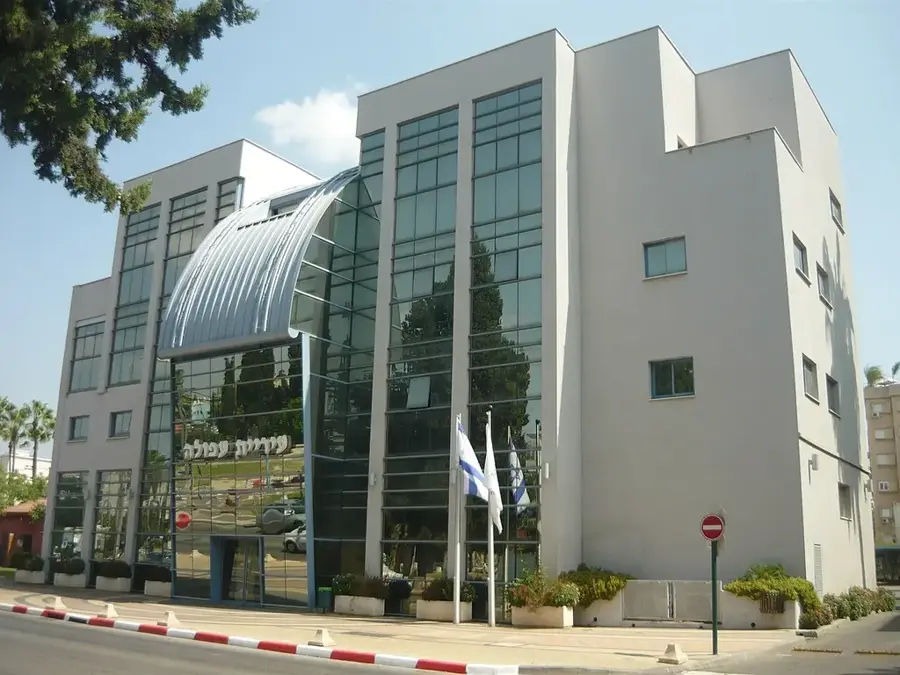
ℹ️Practical info — Afula
▾
🌤 Weather — 5 days
📍 Nearby
Sights nearby
💡 Tips
- Afula is known as the capital of the Jezreel Valley; don't miss the memorable sunflower fields in early summer.
- Summer days can be intensely hot, so it's best to plan your outdoor sightseeing for the early morning.
- Be mindful of Shabbat: from Friday evening until Saturday evening, public transport and most businesses close.
- The city serves as a major transit hub, making local buses the easiest way to explore the northern region.
🍽 Food
Afula is nationally famous for its street food. Head to the stalls near the old central bus station.
Buy freshly roasted seeds from the local market to snack on as you explore.
Taste the fresh fruits and vegetables grown in the fertile Jezreel Valley at local market stands.
🛍 Shopping · 🧘 Quiet spots
A lively spot to buy spices, fresh ingredients, and everyday local goods.
The main thoroughfare featuring numerous independent shops and local bakeries.
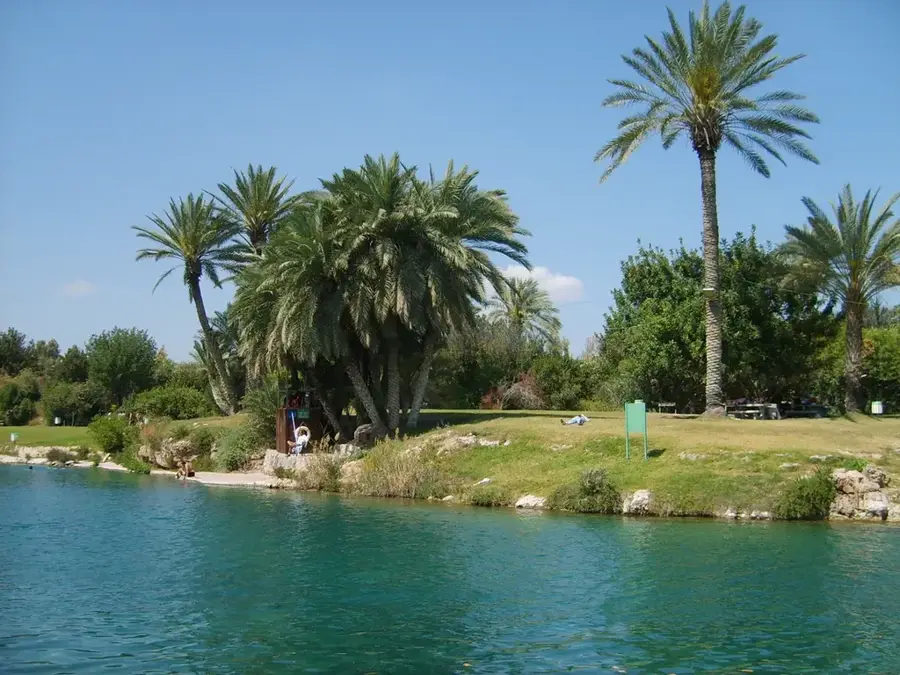
A spacious urban park with walking paths and plenty of green areas to unwind.
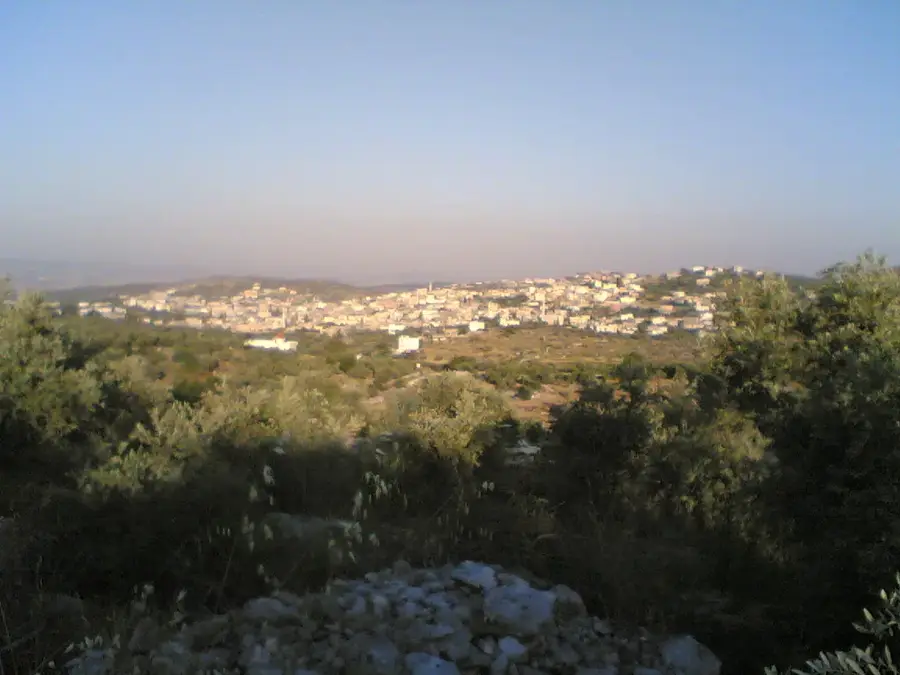
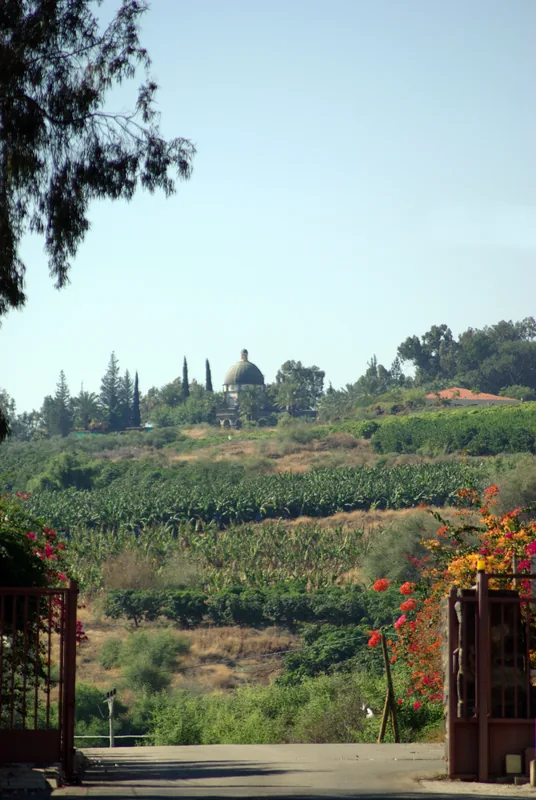
Take a short walk to the edge of the city to enjoy peaceful views of the agricultural landscape.
Water temperature…
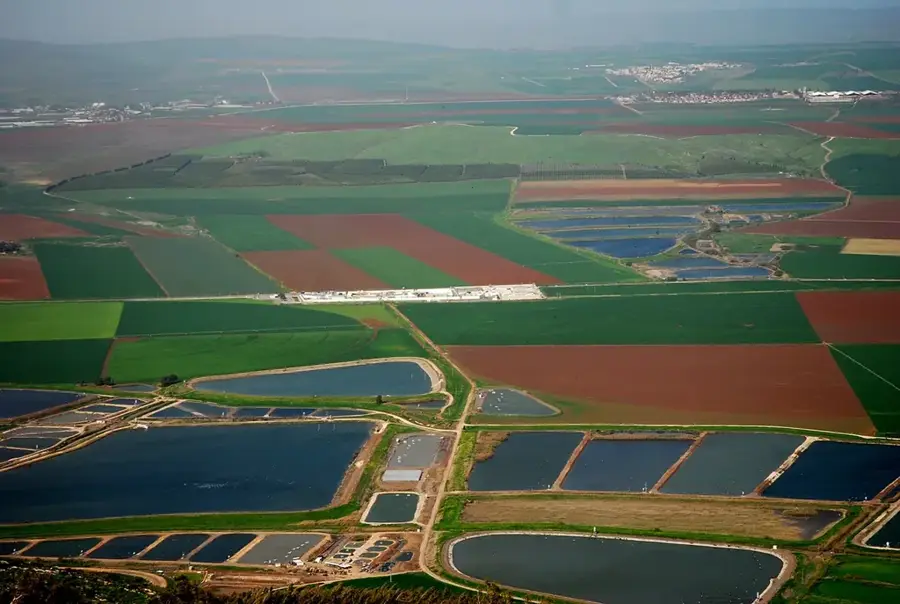
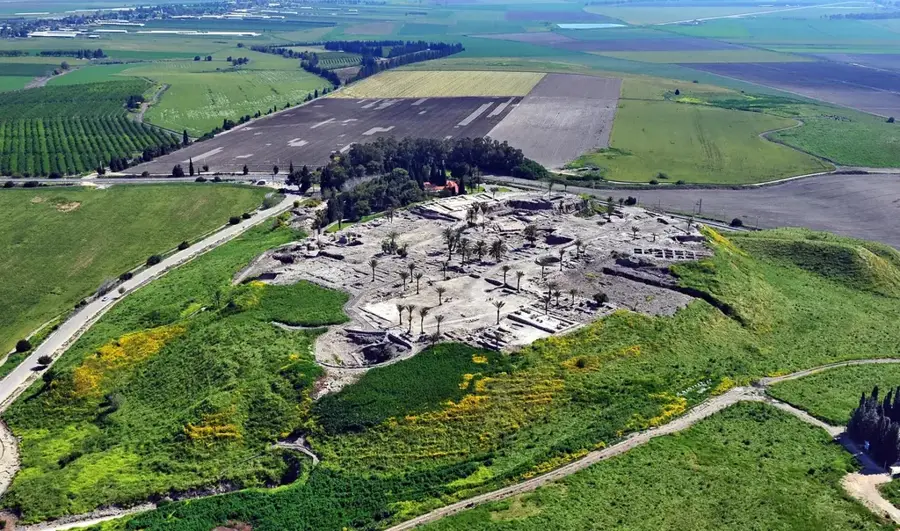
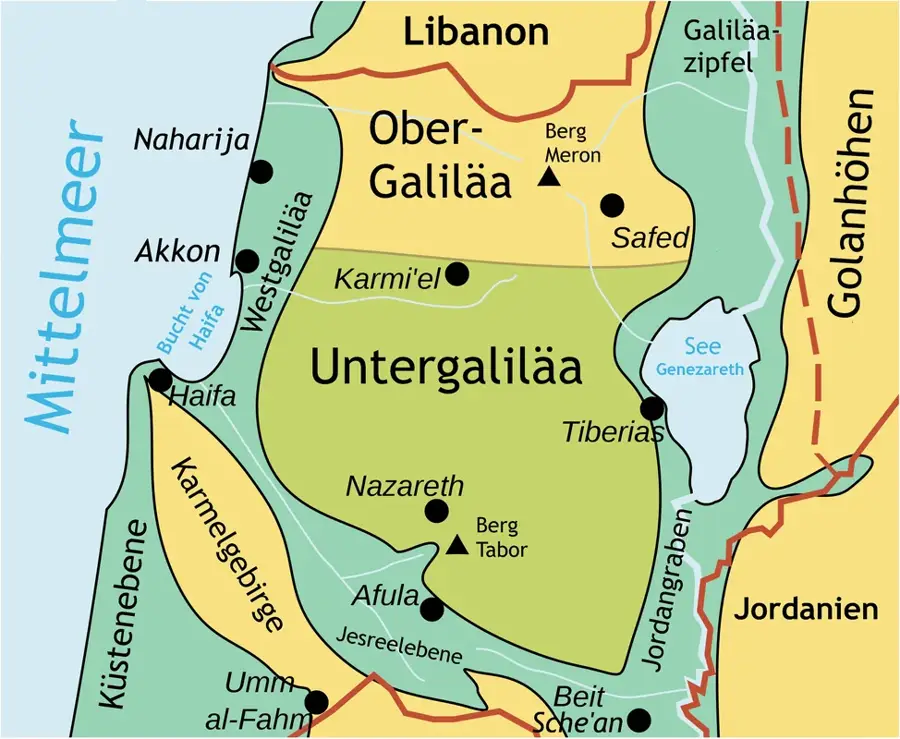
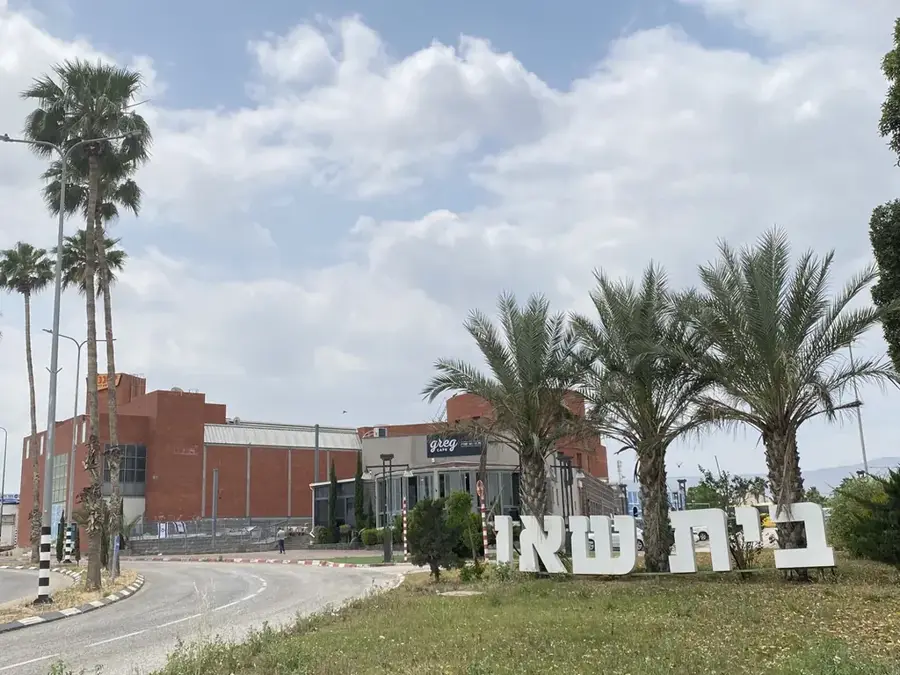
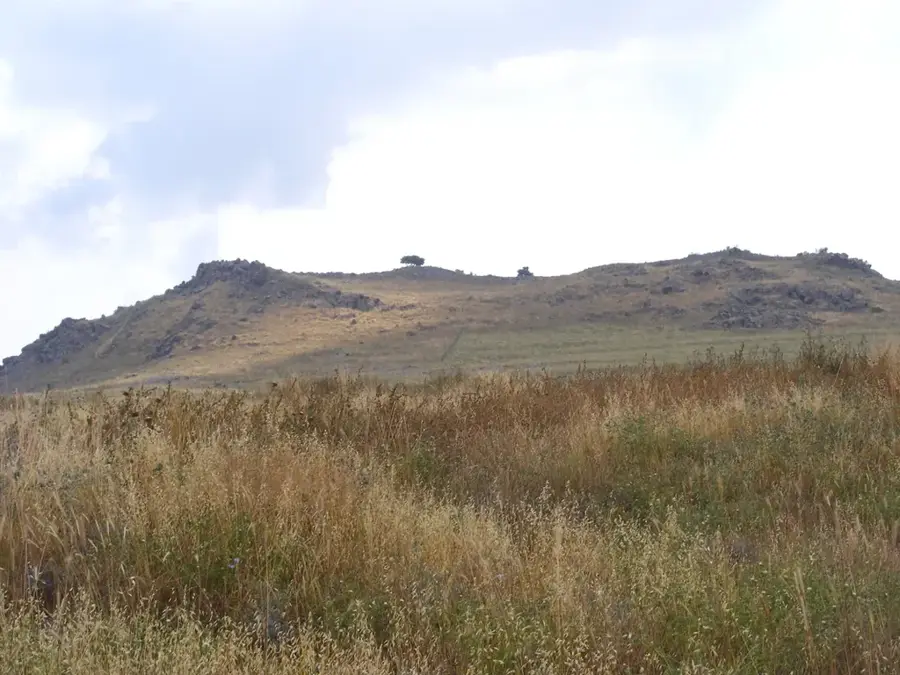
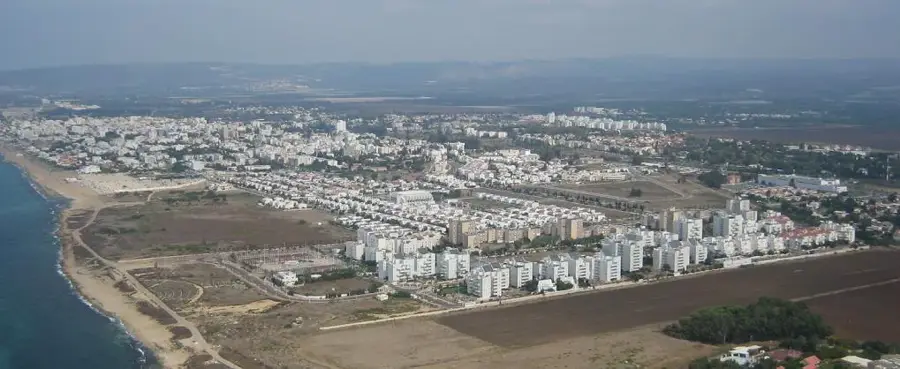
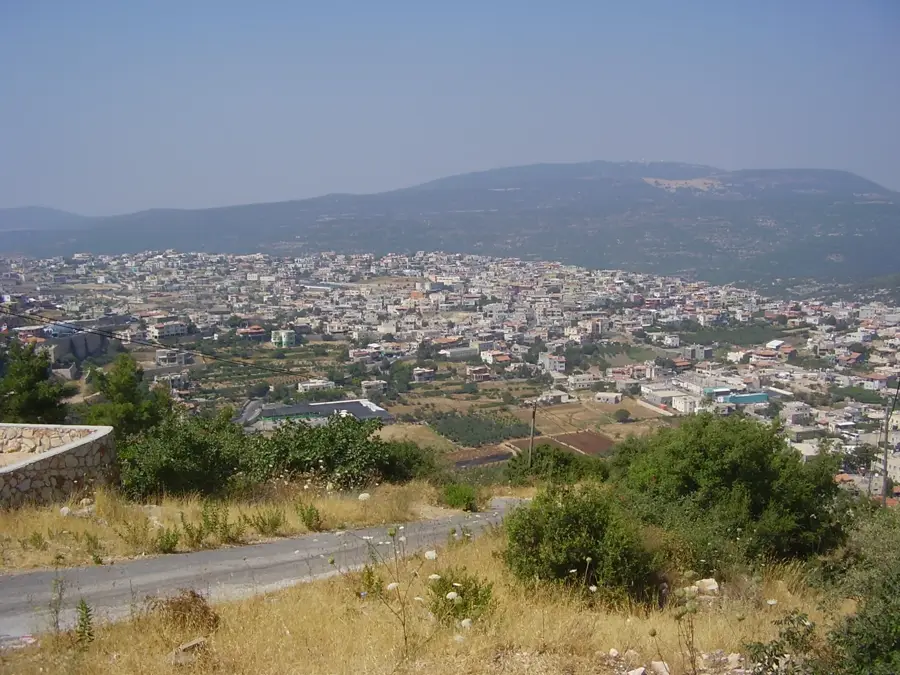
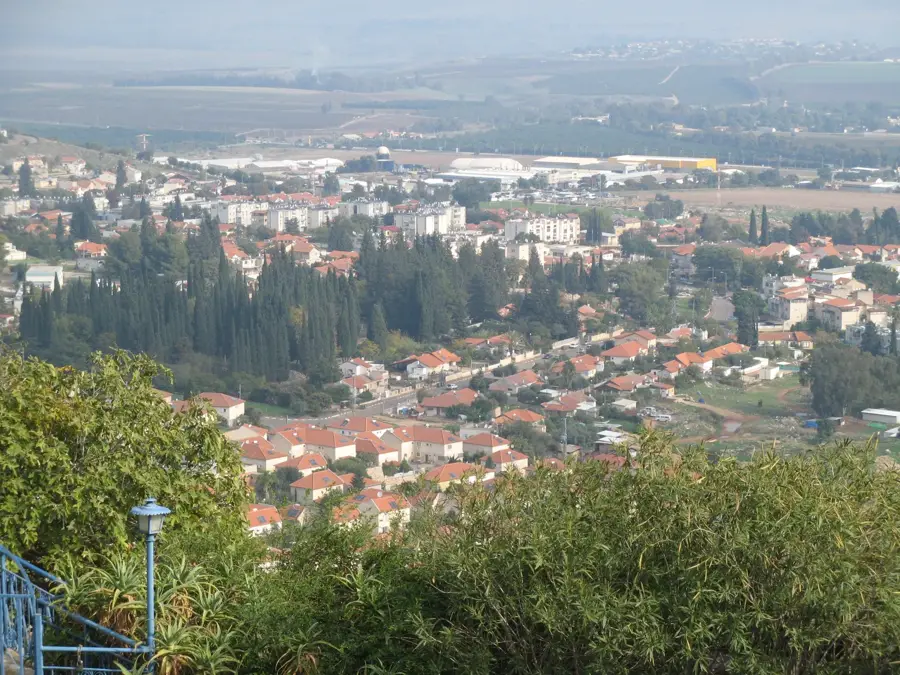
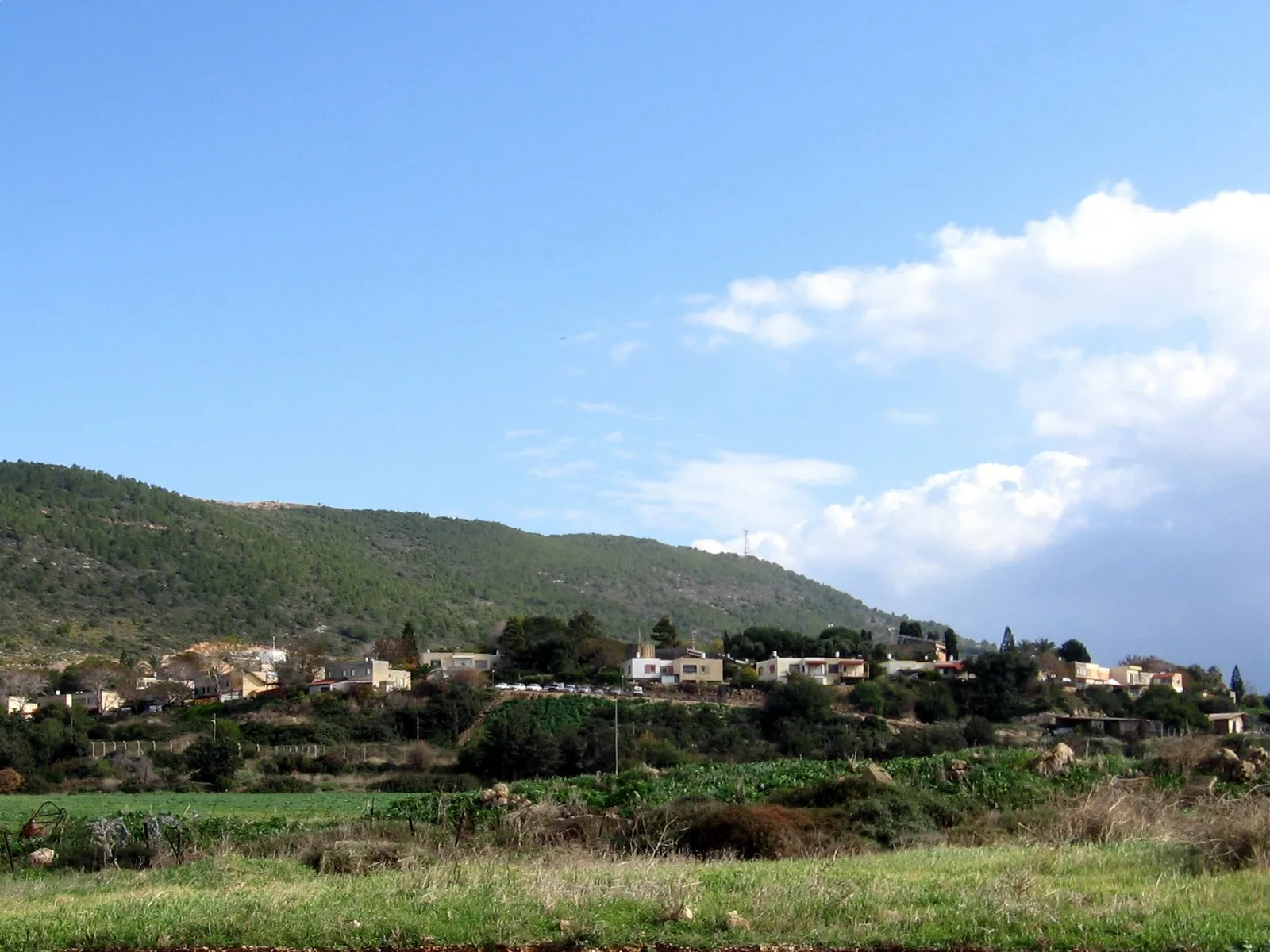
Afula is widely known as the 'Capital of the Valley' due to its central location in the fertile Jezreel Valley of northern Israel. The modern city was established in 1925 by the American Zion Commonwealth and was master-planned as a garden city by the renowned architect Richard Kauffmann. Despite its relatively recent modern foundation, archaeological findings at Tell Afula indicate that the site has been inhabited since the Chalcolithic period. Historically, Afula served as a vital crossroads connecting the mountains of Galilee with Samaria. Today, it functions as a primary commercial and service hub for the numerous kibbutzim and moshavim in the region. One of its most significant landmarks is the HaEmek Medical Center, a leading hospital serving a diverse northern population. In recent years, Afula has undergone rapid urban expansion and economic revitalization, bolstered by the opening of the Jezreel Valley railway line connecting it to Haifa. The city is also culturally famous across Israel for its agricultural produce, particularly its distinctive roasted sunflower seeds, which are a local staple.
- Location: Israel
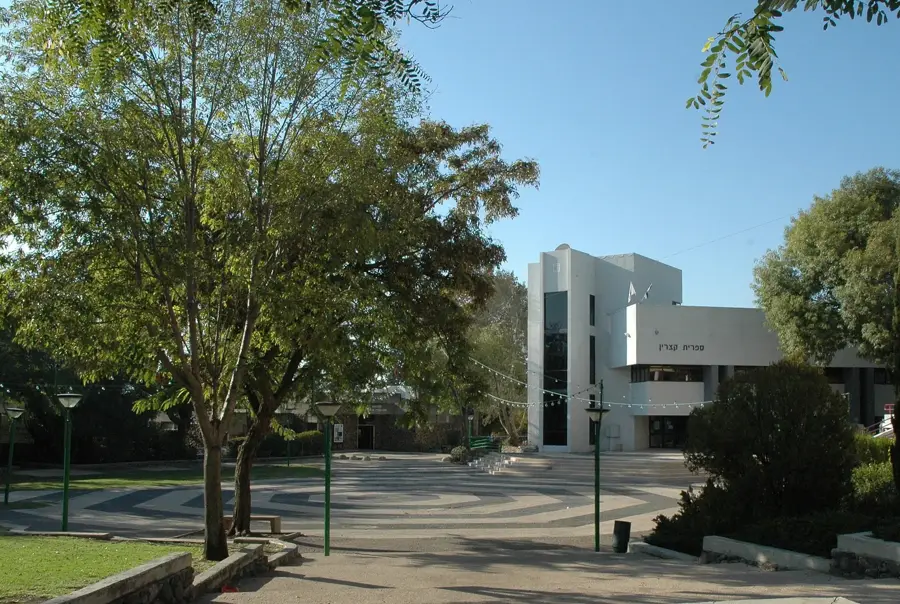
- Top sights: Kikar HaAtzmaut · Kfir Monument · students monument
- Nearby: Nazareth (9 km)
- Population: ~44.930 (2017)
Best time to visit & climate
The most pleasant time to visit is Apr, May, Oct.
| Jan | Feb | Mar | Apr | May | Jun | Jul | Aug | Sep | Oct | Nov | Dec | |
|---|---|---|---|---|---|---|---|---|---|---|---|---|
| Avg °C | 11 | 12 | 15 | 19 | 23 | 27 | 29 | 29 | 27 | 24 | 18 | 13 |
| Rain mm | 93 | 79 | 40 | 20 | 6 | 1 | 0 | 1 | 2 | 12 | 40 | 79 |
Geography
Facts
- Centrally located in the Jezreel Valley with a population of about 56,000.
- The city's name is derived from the Arabic village of al-Fulah, meaning 'the bean'.
- The land for the city was purchased in 1924 from the Sursock family of Beirut.
- Home to the HaEmek Medical Center, established in 1924.
- A key station on the historic Hejaz Railway and the modern Valley Line.
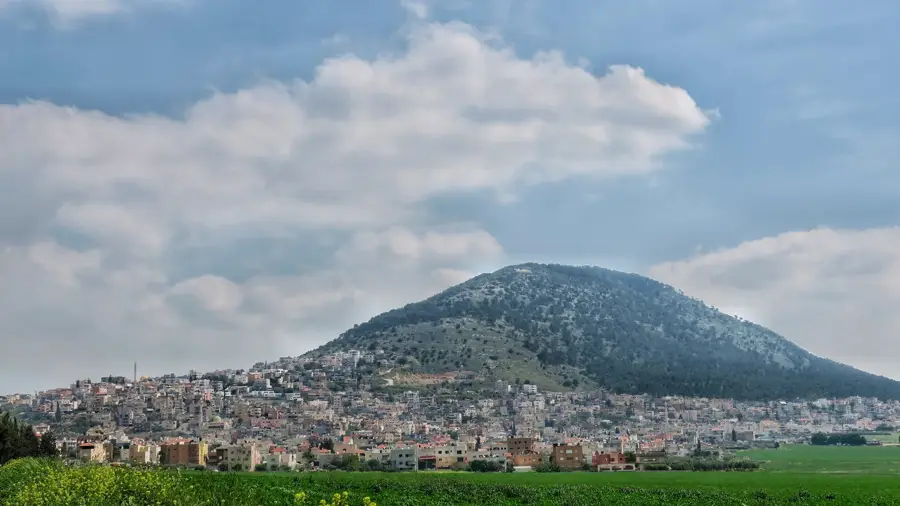
- Strategically positioned near Mount Tabor, a significant biblical landmark.
Explore nearby
Notable places around

Route planner — Car & Motorhome
Where do you start? We build the route here, with stops and country notes along the way.
© OpenStreetMap contributors · OpenRouteService
Sights in the town Afula (3)
Frequently asked questions
Where is Afula located?
What is a specialty of Afula?
Are there sights to see?
How to get there by train?
When is the best time to visit?
Afula: where is it located?
Afula: what is there to see?
Afula: when is the best time to visit?
Afula: why is it worth visiting?

Nearby cities
History & landmarks
Nature
More places