Plizio Visual Lab

Beit She'an
Plizio editorial teamData Sources
ruin
—°9
Beit She'an (Israel)

Weather…

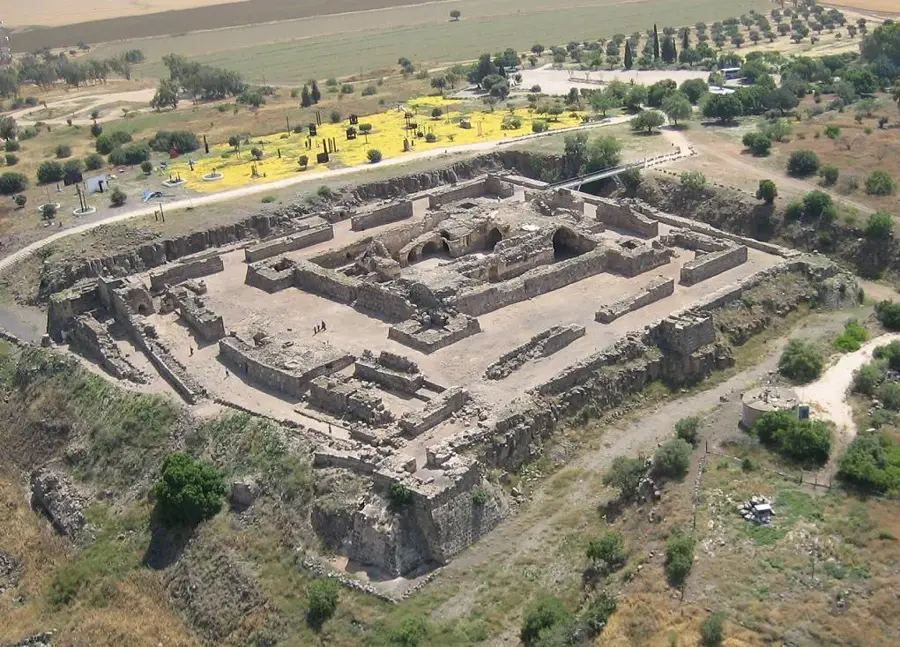
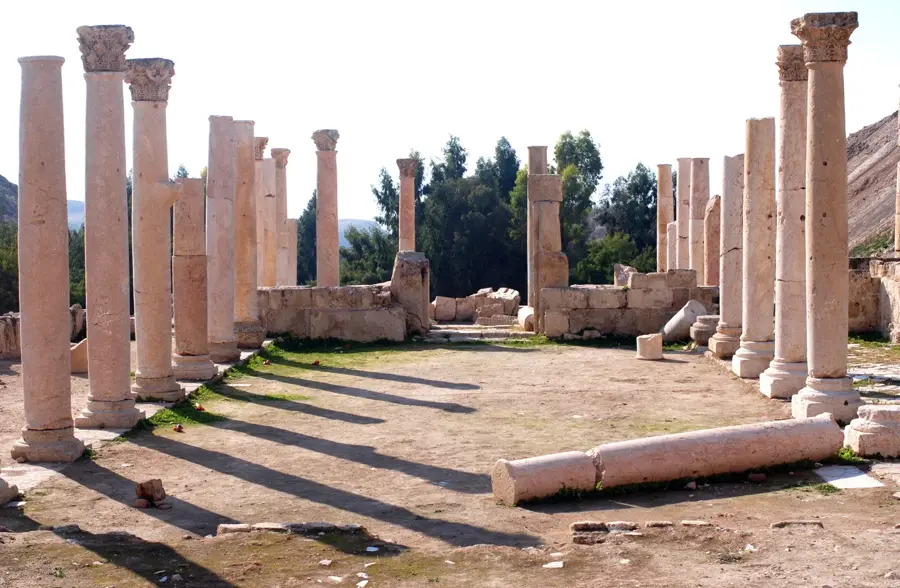
Beit She'an is one of Israel's oldest cities and features some of the best-preserved Roman-Byzantine ruins in the Middle East. Known in antiquity as Scythopolis, it served as the capital of the Decapolis, a league of ten Hellenistic cities. The expansive archaeological site features a monumental theater seating 7,000, grand colonnaded streets (Cardo and Decumanus), and extensive public bathhouses. Above the Roman lower city towers the biblical Tell, which shows evidence of continuous habitation dating back to the 5th millennium BCE. A catastrophic earthquake in 749 CE leveled most of the city, leaving the massive stone columns toppled exactly as they appear to visitors today. Excavations continue to reveal the grandeur of Late Antique urban planning and the sophisticated social life of the era. The Beit She'an National Park now features a popular night spectacular that uses advanced lighting to bring the ancient structures to life.

Best time to visit & climate

The most pleasant time to visit is Apr, May, Oct.

JanFebMarAprMayJunJulAugSepOctNovDec
Avg °C111215192327292927241813
Rain mm9379402061012124079

📋 Practical info

🚪
Visiting
The expansive archaeological site is fully open for exploration, allowing visitors to walk through the ancient colonnaded streets, the impressive Roman theater, and the bathhouses. You can also climb the central tel for panoramic views of the entire ruined city.
🕒
Typical hours
The national park typically operates from early morning until late afternoon, with extended evening hours during special summer events when the ruins are illuminated. Closing times are generally earlier on Fridays and before major holidays.
📷
Photography
The monumental Roman architecture provides excellent subjects for photography, particularly during the golden hour when the stone glows warmly. The view from the top of the tel provides the best vantage point for capturing the entire layout of the ancient city.
⏱️
Time needed
Budgeting at least two to three hours is necessary to walk through the lower city ruins and make the steep ascent up the ancient mound. History enthusiasts may want to allow even more time to study the intricate architectural details.
Combine with
This visit pairs perfectly with a stop at the nearby Gan HaShlosha National Park (Sachne) for a refreshing swim in its natural warm springs. The Belvoir Fortress (Kochav HaYarden) is also a short drive away overlooking the Jordan Valley.
🧭
Getting there
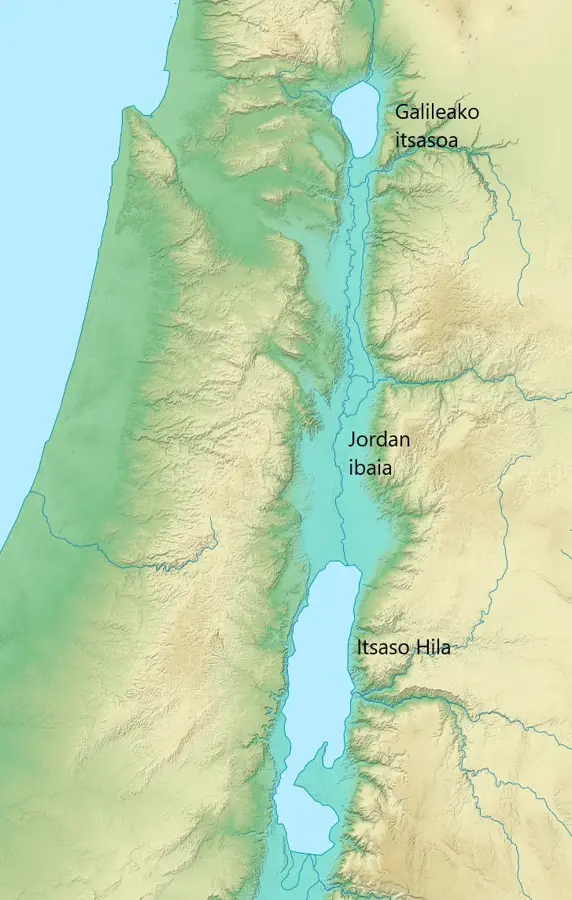
The site is located in the modern city of Beit She'an in the Jordan Valley, making it easily accessible by car with ample parking available. Regional buses also connect the city to major hubs like Tiberias, Jerusalem, and Afula.
💡
Insider tip
The Jordan Valley can become exceptionally hot during the summer, so it is crucial to visit early in the morning, wear sun protection, and carry plenty of water. The climb up the tel is steep, but the rewarding view is well worth the effort.

Geography

Coordinates
32.50280, 35.50190

Facts

  • The Roman theater originally accommodated 7,000 spectators.
  • The city was largely destroyed by an earthquake in 749 CE.
  • It was the only Decapolis city located west of the Jordan River.
  • Inhabitation on the Tell dates back nearly 7,000 years.
  • The public bathhouse complex covers 1.5 hectares.
  • Major archaeological excavations began in the 1920s.

Explore nearby

Notable places around
Route planner — Car & Motorhome

Where do you start? We build the route here, with stops and country notes along the way.

Vehicle
Only stops with (optional):

© OpenStreetMap contributors · OpenRouteService

Sights in the town Beit She'an (9)

Tel Peha🏺 historical

Ancient settlement mound near Beit She'an featuring multiple archaeological layers.

Roman Temple🏺 historical

Remains of an impressive ancient pagan temple within the Beit She'an archaeological park.

Byzantine Bathhouse🏺 historical

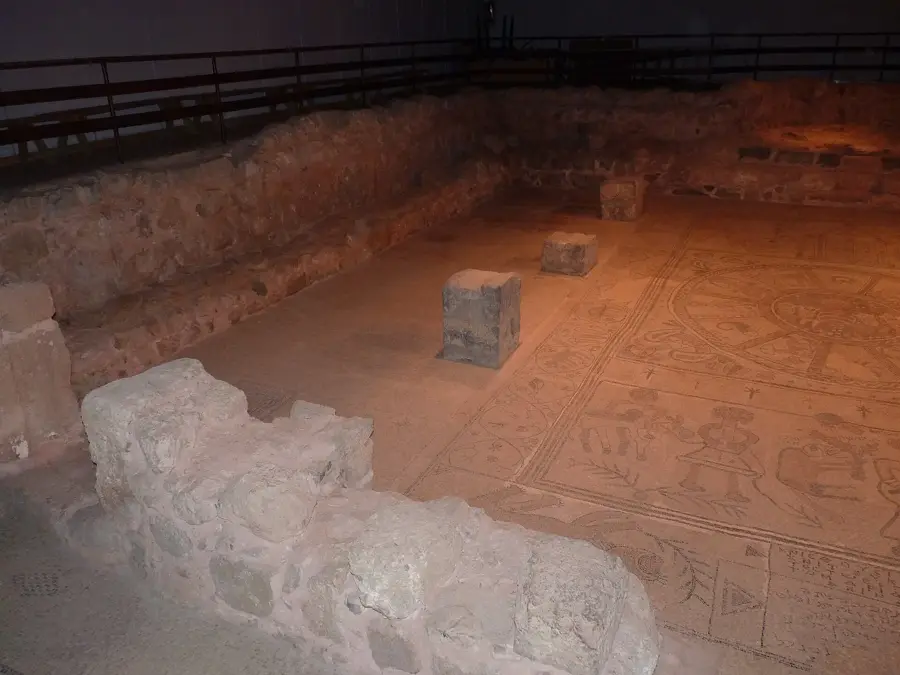
Extensive Byzantine bath complex featuring ornate mosaic floors and hypocaust heating systems.

Ein Tsemed (hamasil)📍 landmark

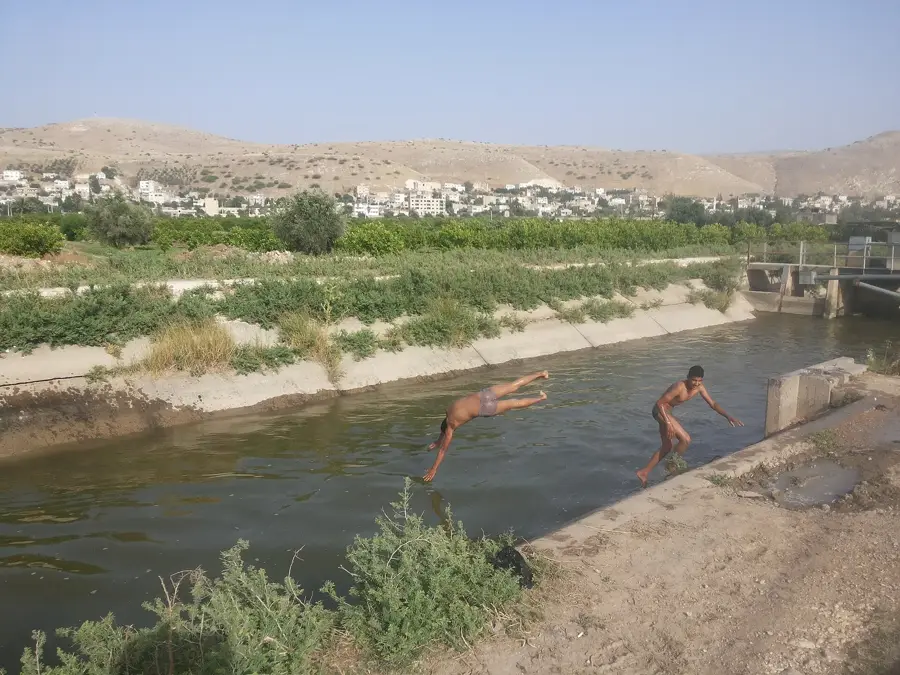
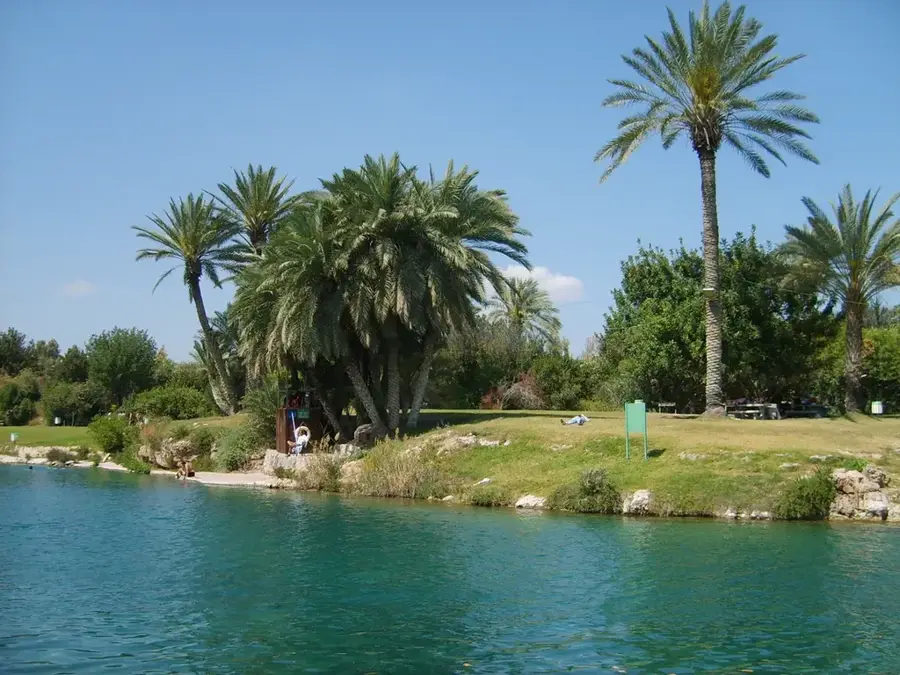
Natural spring pool near Beit She'an that is a popular swimming spot due to its clear water.

Einot Hasida📍 landmark

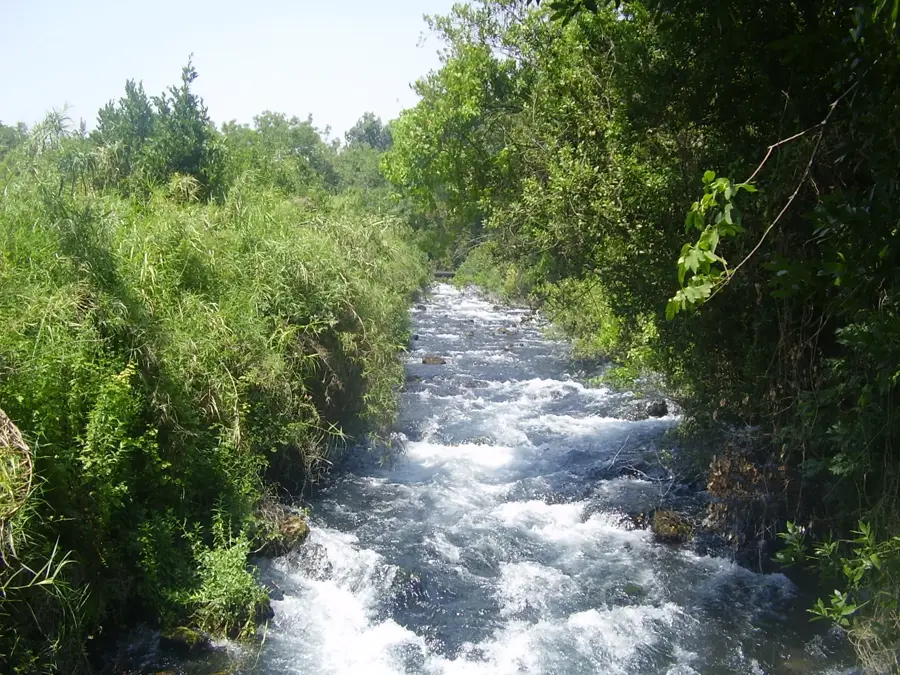
Group of freshwater springs whose cool waters flow directly into the Harod Stream.

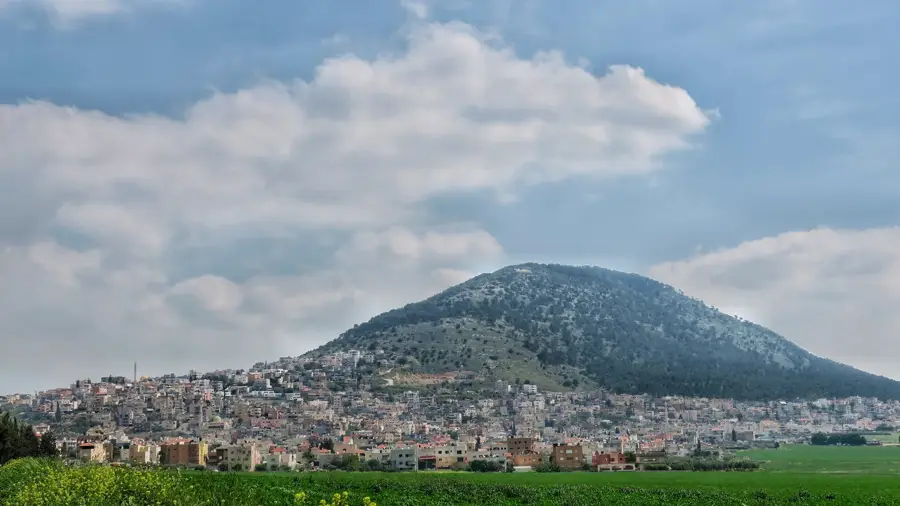
Tel Temes🌿 nature

Volcanic cone in the Jordan Valley serving as a prominent lookout point over the surrounding fields.

Ein Yehuda📍 landmark

Deep, turquoise spring pool in Kibbutz Ein HaNatziv that maintains a constant temperature year-round.

Kimaron Hall🎭 culture

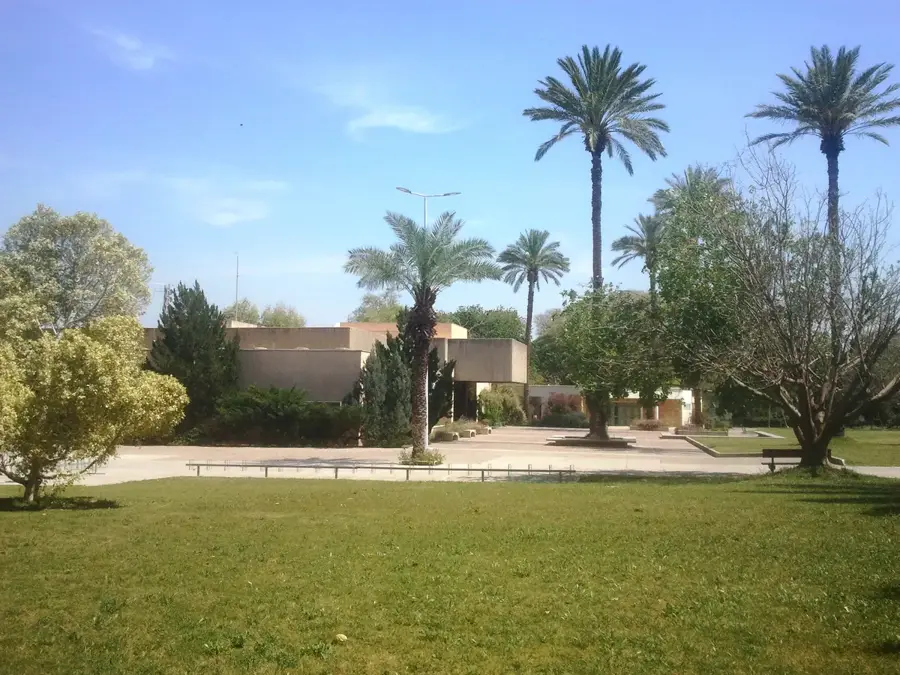
Modern culture and arts center in Beit She'an hosting concerts, theater, and regional events.

Open Market🎭 culture

Lively marketplace in Beit She'an featuring a variety of fresh regional foods and goods.

Sights nearby

Frequently asked questions

What makes Beit Shean special?
It features the best-preserved Roman-Byzantine ruins in Israel.
Is there a night show?
Yes, 'Shean Nights' is a spectacular light and sound show.
Is it hot there in summer?
Yes, extremely hot; visit the park early in the morning.
Is there any shade?
Very little shade on-site; hat and water are essential.
How much time to allocate?
At least 2 to 3 hours for the entire site.
Beit She'an: where is it located?
Beit She'an is located in Israel.
Beit She'an: what is there to see?
Highlights include Tel Peha, Roman Temple, Byzantine Bathhouse.
Beit She'an: when is the best time to visit?
The most pleasant time to visit is Apr, May, Oct.
Beit She'an: why is it worth visiting?

Beit She'an is one of Israel's oldest cities and features some of the best-preserved Roman-Byzantine ruins in the Middle East.
View on map → The Top 50 Attractions → OpenStreetMap →
Asia
Explore with Plizio Discover more places in Asia
More places in Israel →

Nearby cities

History & landmarks
Nature
More places