Plizio Visual Lab

Beit Netofa Valley
Plizio editorial teamData Sources
valley
—°10
Beit Netofa Valley (Israel)

Weather…

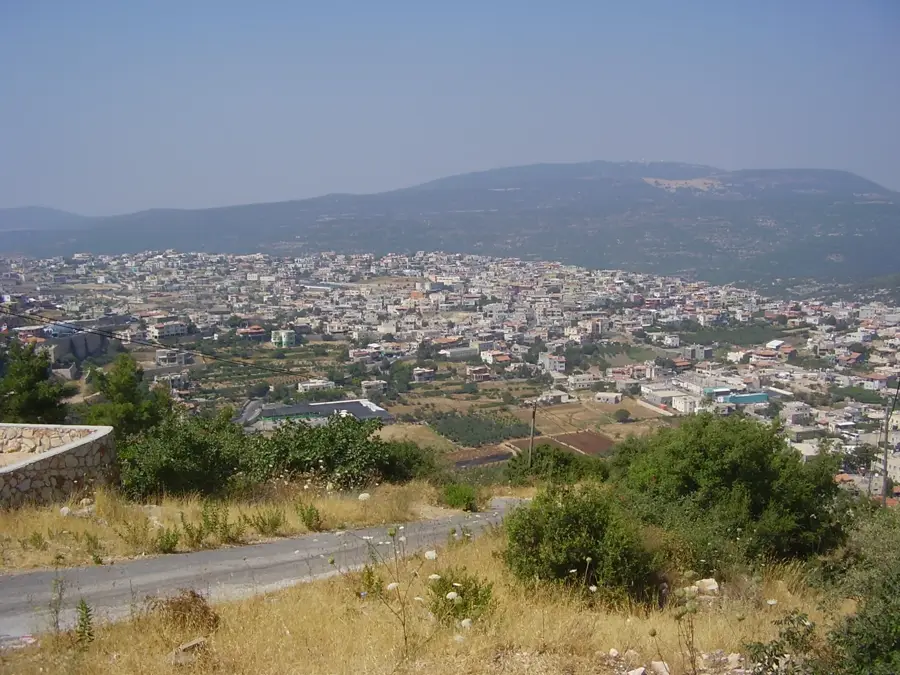
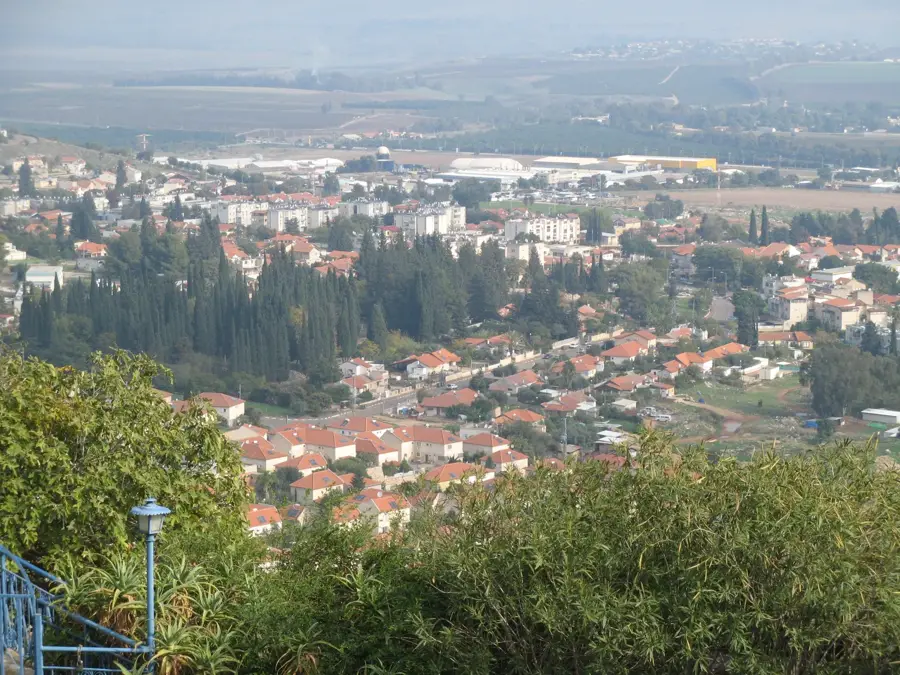
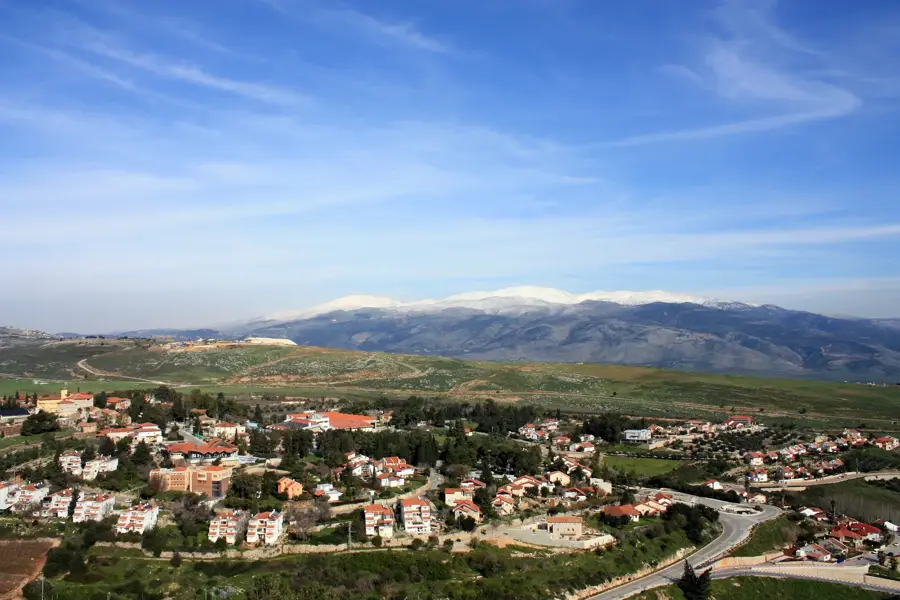
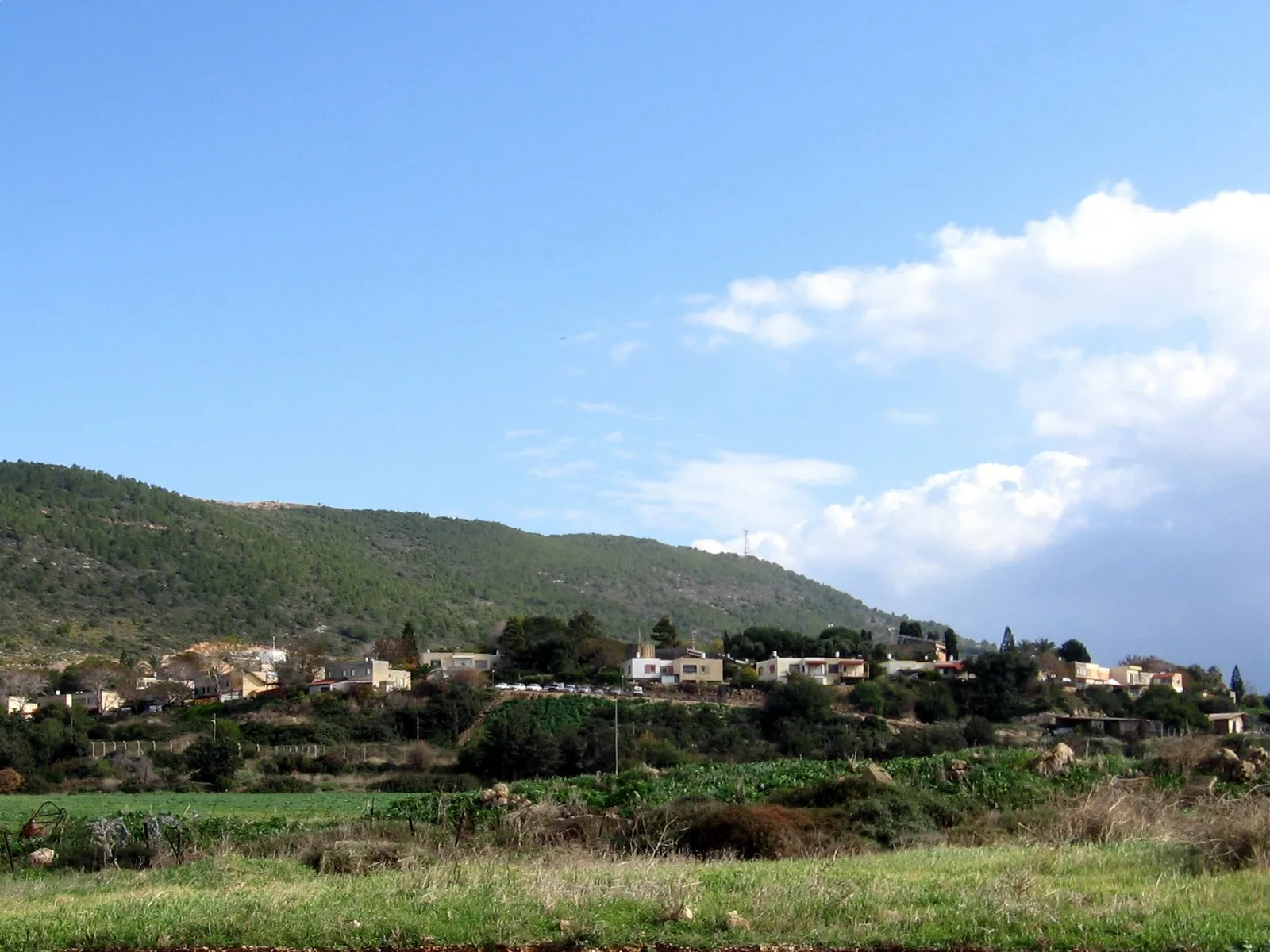
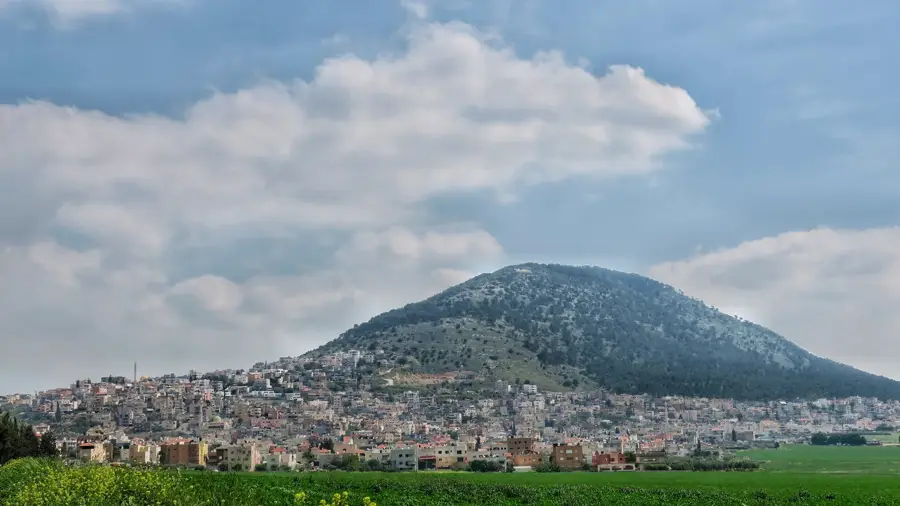
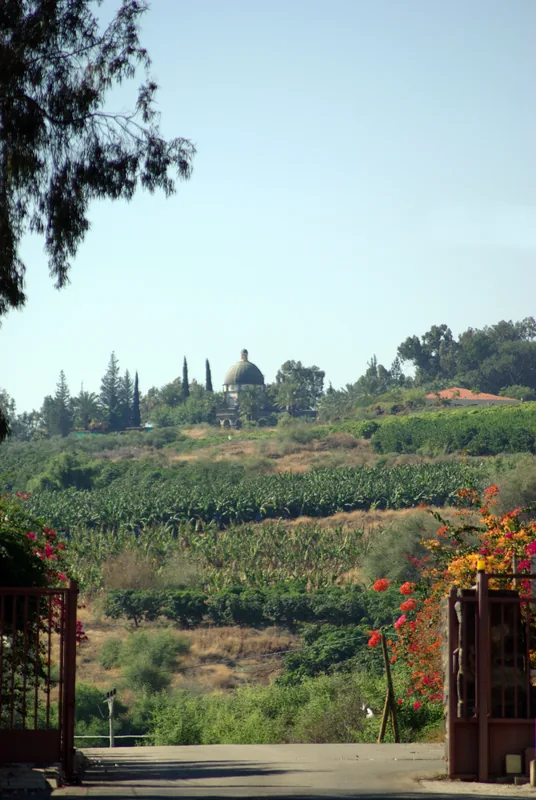
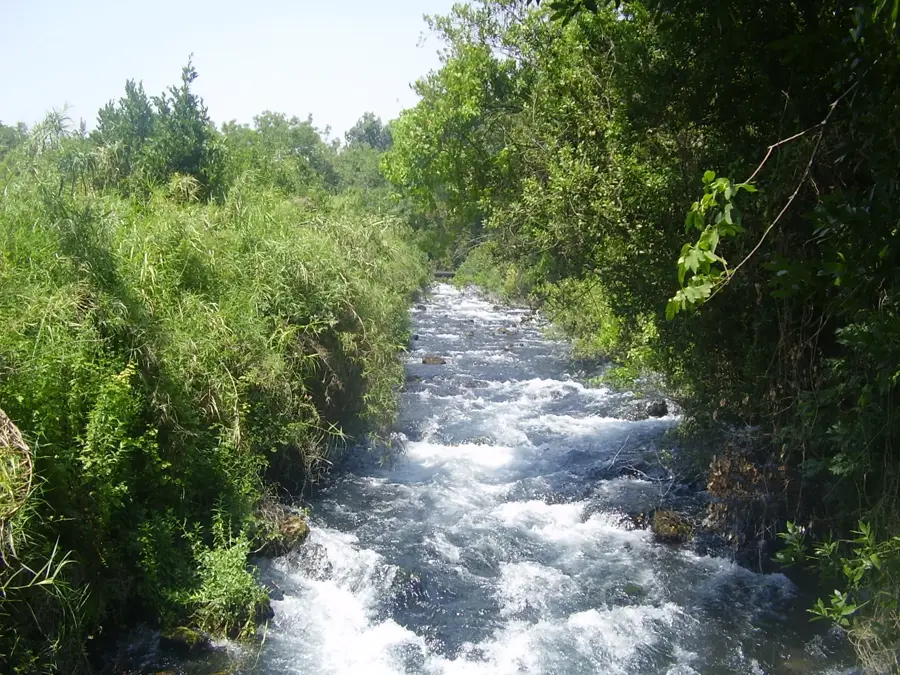
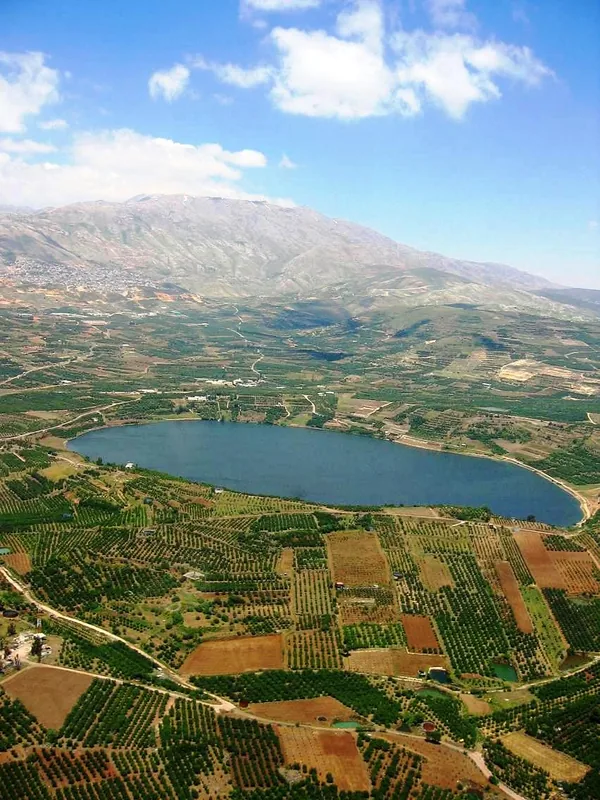
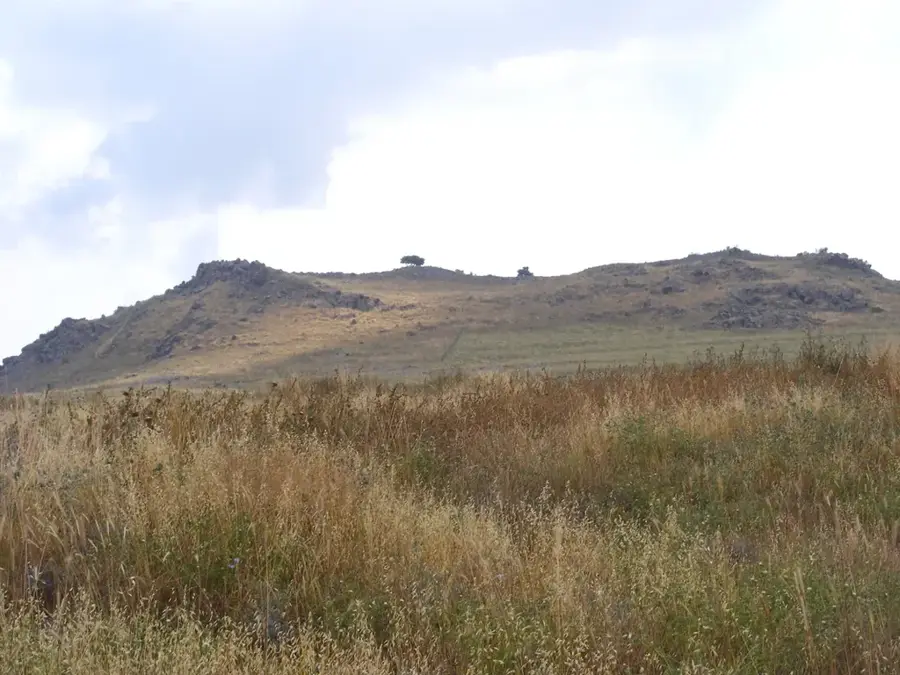
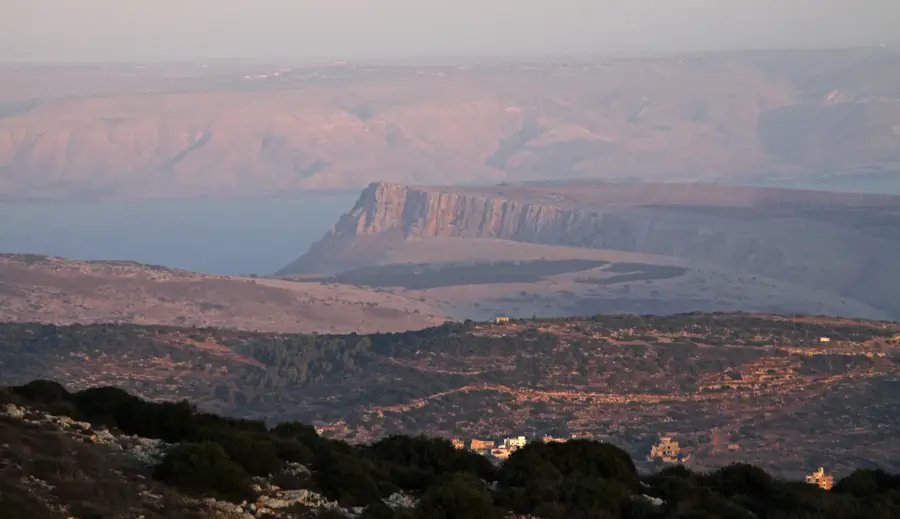
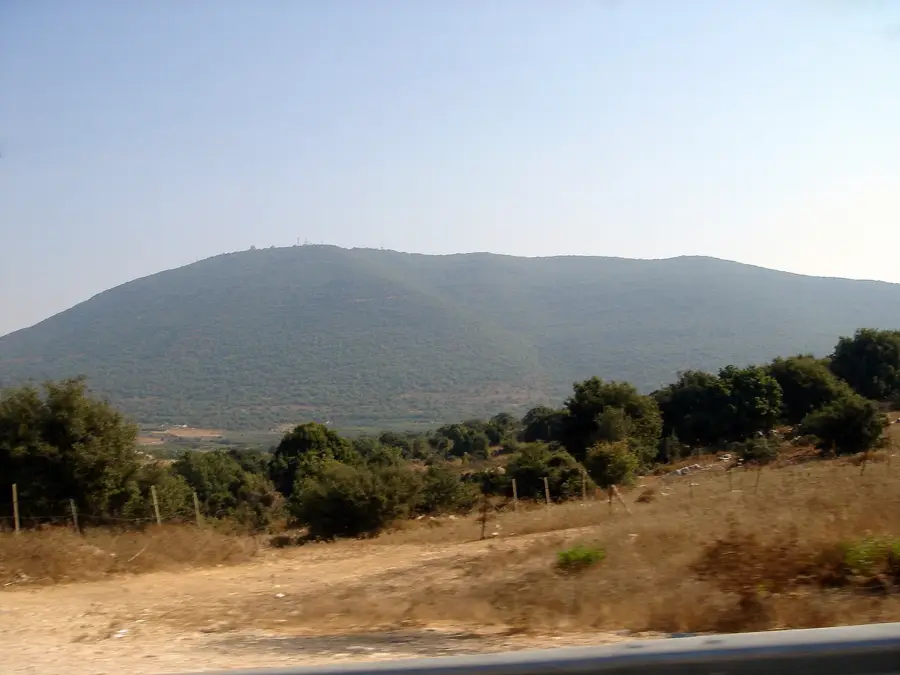
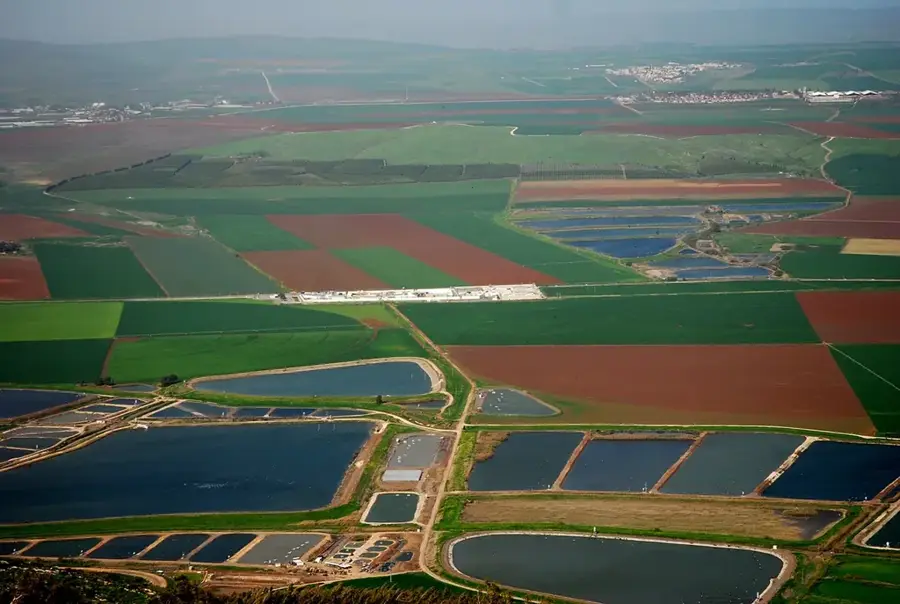
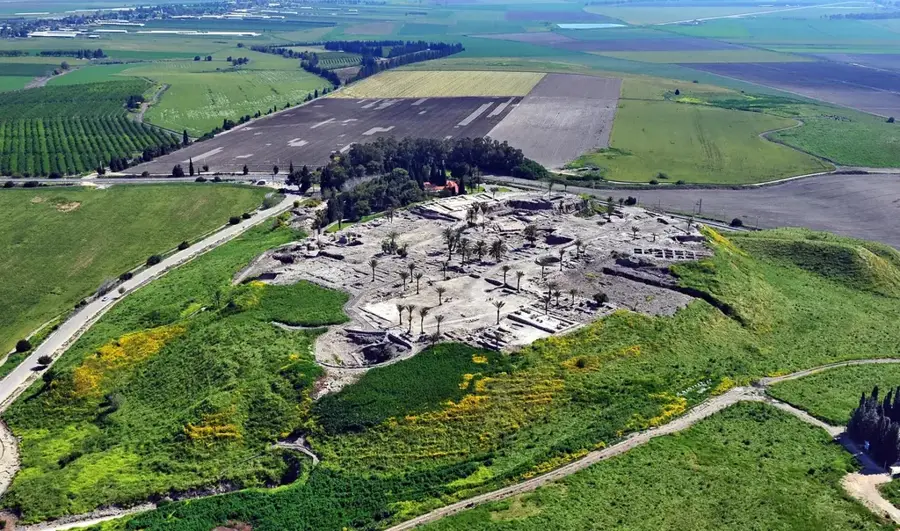
The Beit Netofa Valley is the largest and most prominent valley in the Lower Galilee, spanning approximately 16 kilometers in length and 5 kilometers in width. It lies tucked away between the Yodfat ridge to the north and the Turan range to the south, creating a vast, flat agricultural expanse. The valley is renowned for its extremely fertile but heavy clay soil, which has been cultivated for millennia, producing a variety of grains and vegetables. Strategically, the valley plays a crucial role in Israel's modern infrastructure as it hosts the main open-air canal of the National Water Carrier (HaMovil HaArtzi), which transports water from the Sea of Galilee to the arid south. During rainy winters, the valley often experiences natural flooding, forming temporary lakes due to the soil's slow absorption rate, a striking phenomenon in the Galillean landscape. Historically, the area is surrounded by significant ancient sites, including the fortified city of Yodfat and nearby Sepphoris, reflecting the rich Jewish and Roman history of the region. Today, Beit Netofa remains an idyllic rural area, offering expansive views and a network of trails for hikers and mountain bikers exploring the heart of the Galilee.

Best time to visit & climate

The most pleasant time to visit is May, Jun, Oct.

JanFebMarAprMayJunJulAugSepOctNovDec
Avg °C91013172225272725221611
Rain mm9077382161002134577

📋 Practical info

🧭
Getting there
The fertile valley is easily accessible by car via photogenic regional roads traversing the historic Lower Galilee region. Several small, surrounding rural villages also offer excellent starting points for extensive exploration.
📅
Best season
Spring is visually spectacular here, when millions of wildflowers bloom and the weather is very mild. Autumn is also an excellent time, wonderfully coinciding culturally with the traditional local olive harvesting season.
⛰️
Terrain & paths
The valley floor is largely flat and dominated by vast, visually impressive open agricultural fields. The gentle surrounding hills, however, offer light inclines with rustic dirt tracks and local farm access driveways.
🎒
What to bring
Be sure to wear comfortable, closed hiking shoes specifically suitable for unpaved, often dusty agricultural tracks. Adequate sun protection and plenty of fresh drinking water are always highly recommended here in any season.
🅿️
Parking
Guests and visitors normally park considerately in the surrounding villages or at officially marked panoramic viewpoints. Pay meticulous attention not to block any agricultural access roads or private farm driveways with your car.
⚠️
Safety
Respect the private agricultural lands and always stay strictly on the officially designated public paths. Pay close attention to occasionally operating, heavy, and noisy agricultural machinery working in the adjacent fields.
⏱️
Time needed
Relaxed exploration of the best scenic viewpoints and local trails comfortably takes about two to four hours. Many visitors ideally combine this with educational and cultural excursions into traditional Galilean towns in the immediate vicinity.

Geography

Coordinates
32.81000, 35.32000

Facts

  • The valley is 16 km long and is the largest internal valley in the Galilee.
  • The National Water Carrier canal here is part of the largest water project in Israel.
  • Winter floods can turn the valley into a temporary wetland for several weeks.
  • Archaeological finds in the area date back to the Bronze and Iron Ages.
  • The valley is bordered by the Arab town of Arraba and the Jewish village of Mitzpe Netofa.
  • The heavy soil is known locally as 'grumusol' or vertisol.

Explore nearby

Notable places around

Route planner — Car & Motorhome

Where do you start? We build the route here, with stops and country notes along the way.

Vehicle
Only stops with (optional):

© OpenStreetMap contributors · OpenRouteService

Sights in the town Beit Netofa Valley (10)

Tel Hanaton🏺 historical

The ruins of an ancient fortified city in the Beit Netofa Valley, strategically located along old Galilean trade routes.

Tel Yodfat🏺 historical

An ancient Jewish fortress ruins known for its fierce resistance and siege by the Romans during the Great Revolt.

lavra netofa⛪ religious

A Christian hermitage of the Melkite Greek Catholic Church, situated in seclusion on the hills overlooking the Beit Netofa Valley.

Ein Turan📍 landmark

A perennial spring in the village of Turan, which has been an important water source for locals since antiquity.

Har Atzmon🌿 nature

A prominent peak overlooking the Beit Netofa Valley, part of the mountain massif of Lower Galilee.

Turan🌿 nature

A viewpoint on Mount Turan providing a wide panorama over the Beit Netofa Valley and its agricultural fields.

Horvat Ruma🏺 historical

The remains of an ancient Jewish settlement in Galilee, featuring ruins of dwellings and cisterns from the Roman period.

Ein Zippori📍 landmark

A bountiful spring near Sepphoris whose water feeds the Zippori stream and sustains lush vegetation.

Monkey forest📍 landmark

An ecological park in Yodfat where monkeys roam freely among visitors in a natural forest setting.

Giv`at Rabbi🌿 nature

A hill in Galilee named after a famous rabbi, providing expansive views of the surrounding valleys.

Sights nearby

Frequently asked questions

Where is the Beit Netofa Valley located?
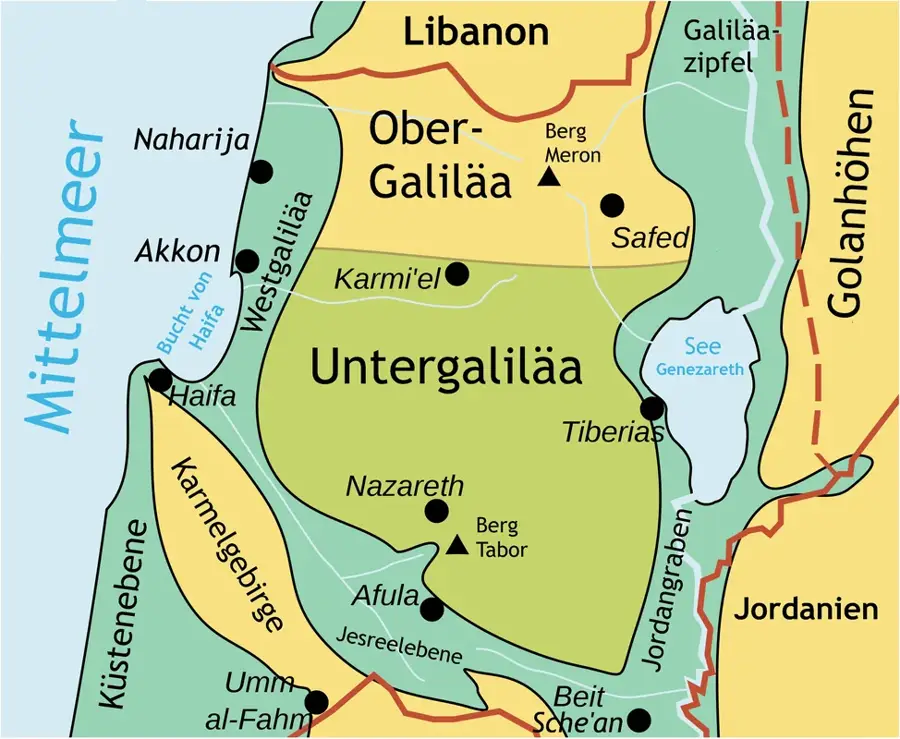
It is located in Lower Galilee, north of the city of Nazareth, and is known for its agriculture.
What is the most significant structure in the valley?
The open channel of Israel's National Water Carrier runs through the middle of the valley.
Can you go hiking there?
Yes, there are paths along the channel and on the adjacent ridges like Mount Turan.
When does the valley look most beautiful?
After the winter rains in spring, when the fields are lush green and wildflowers bloom.
What crops are grown there?
The valley is famous for olive groves, grain fields, and various types of fruit.
Beit Netofa Valley: where is it located?
Beit Netofa Valley is located in Israel.
Beit Netofa Valley: what is there to see?
Highlights include Tel Hanaton, Tel Yodfat, lavra netofa.
Beit Netofa Valley: when is the best time to visit?
The most pleasant time to visit is May, Jun, Oct.
Beit Netofa Valley: why is it worth visiting?

The Beit Netofa Valley is the largest and most prominent valley in the Lower Galilee, spanning approximately 16 kilometers in length and 5 kilometers in width.
View on map → The Top 50 Attractions → OpenStreetMap →
Asia
Explore with Plizio Discover more places in Asia
More places in Israel →

Nearby cities

History & landmarks
Nature
More places