Plizio Visual Lab

Tell Taannek
Plizio editorial teamData Sources
ruins
—°5
Tell Taannek (Palestinian Territories)

Weather…

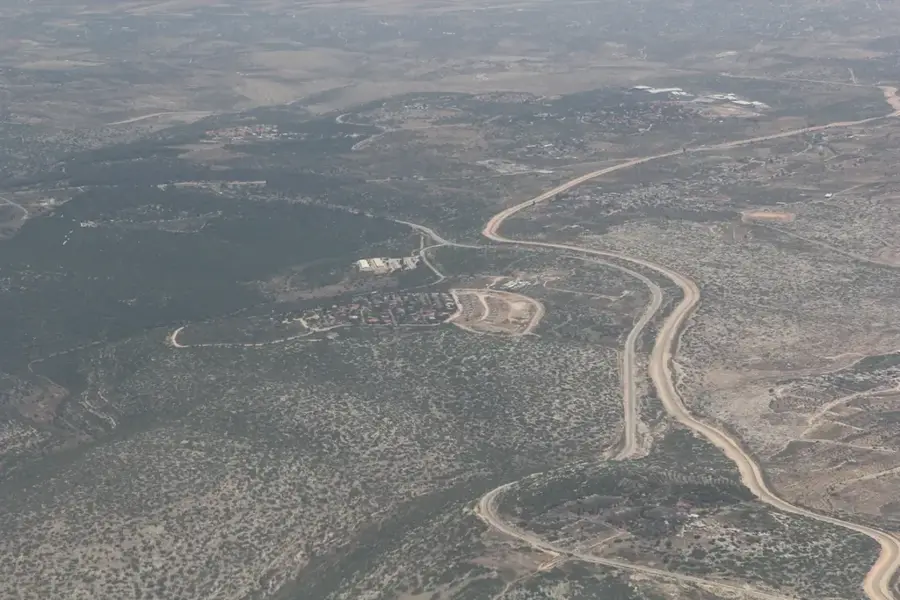
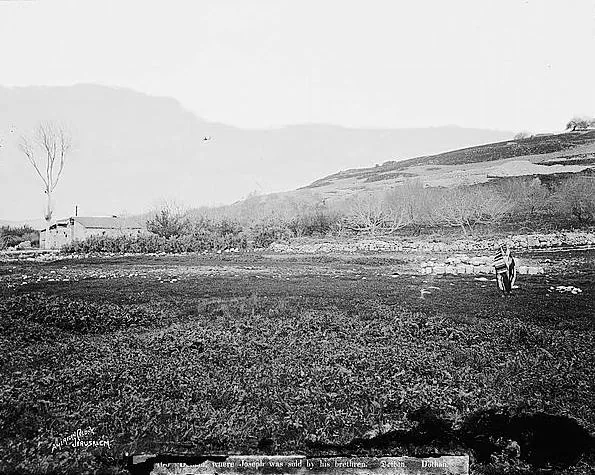
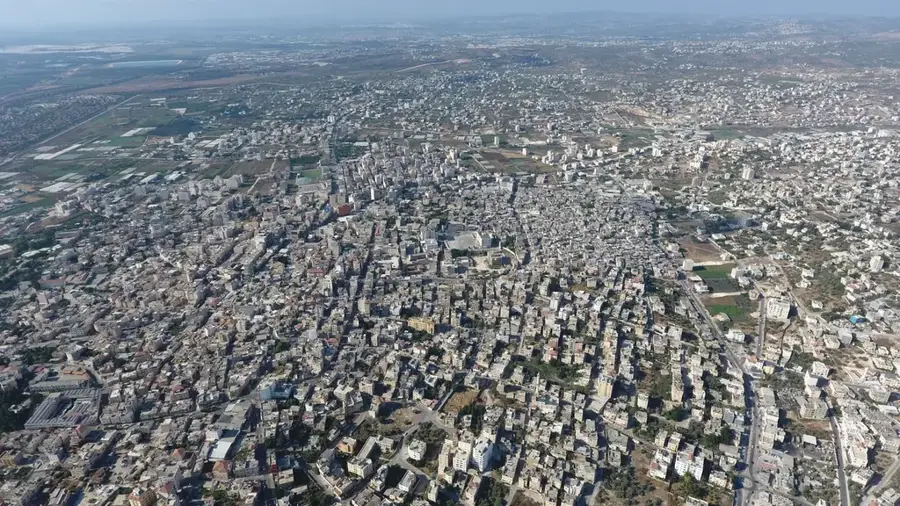
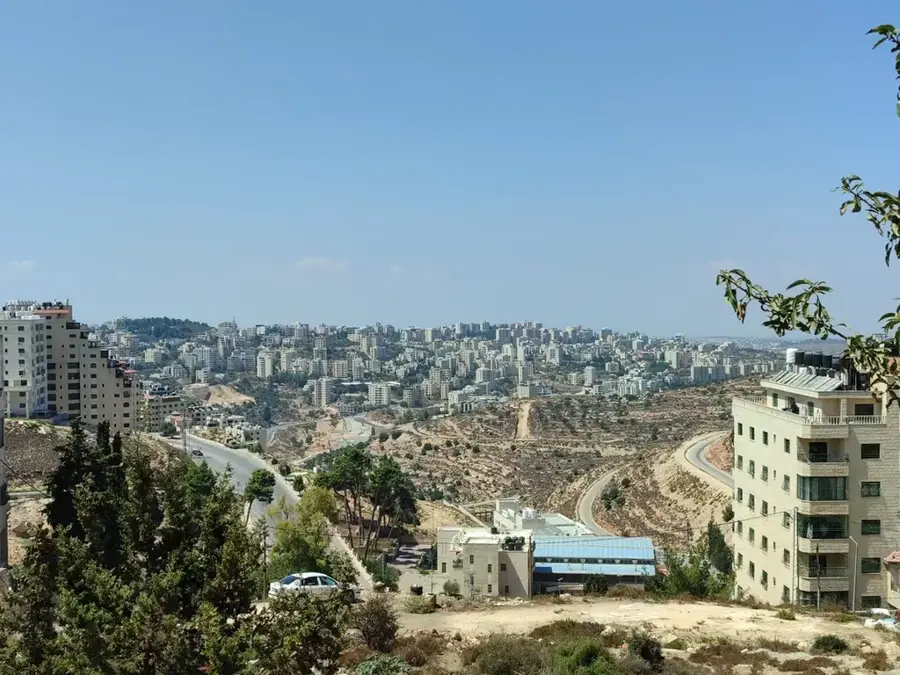
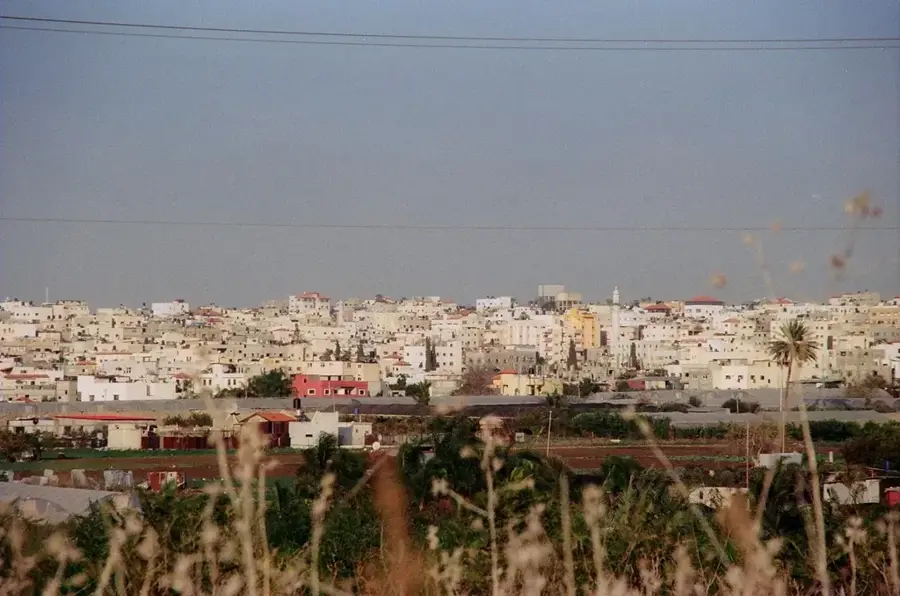
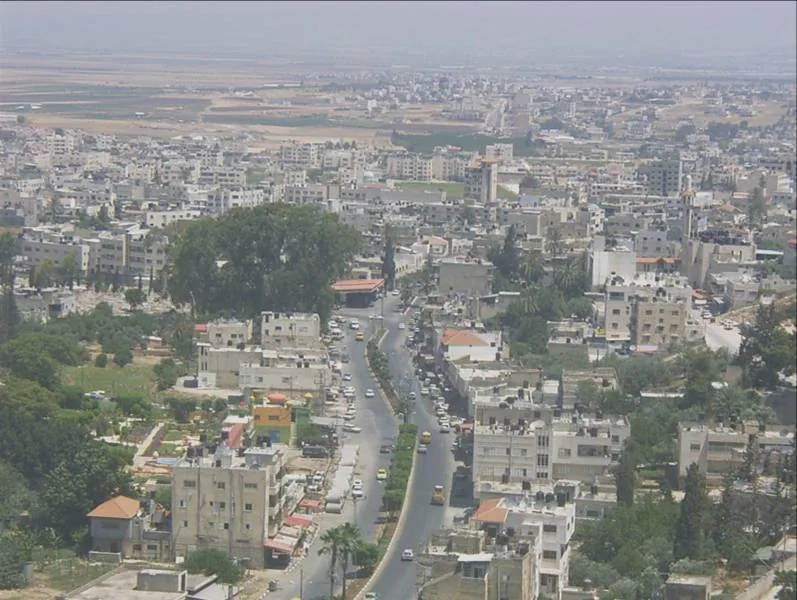
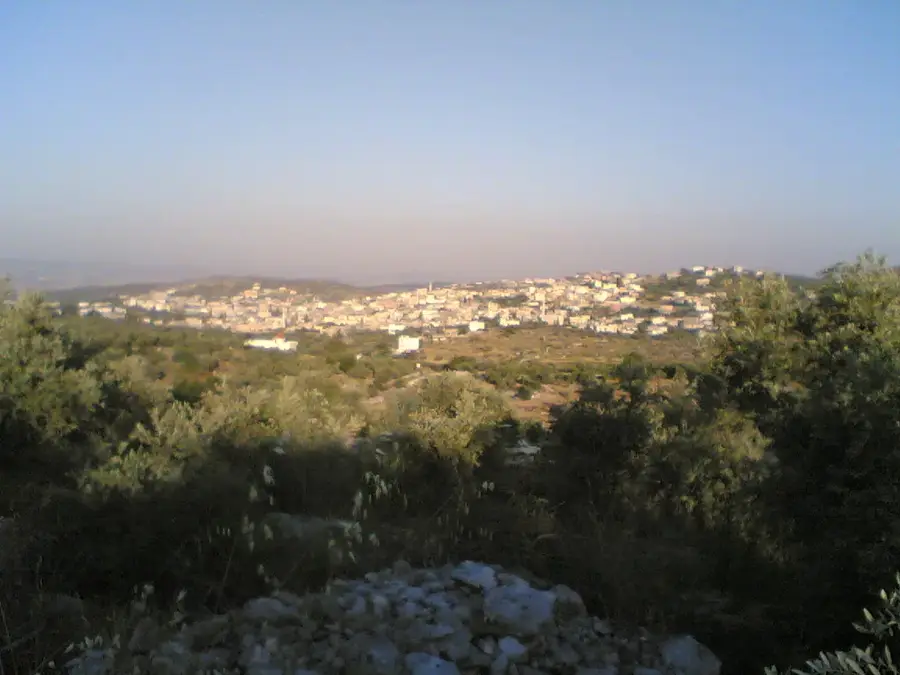
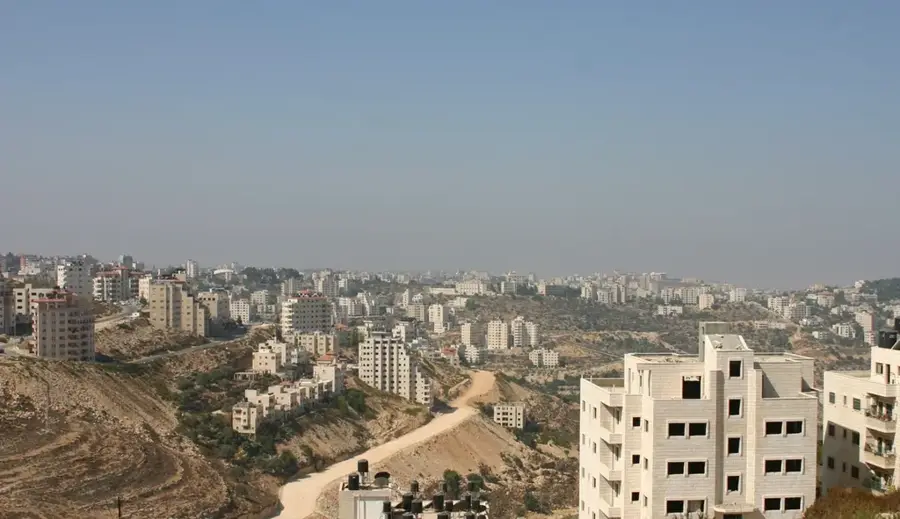
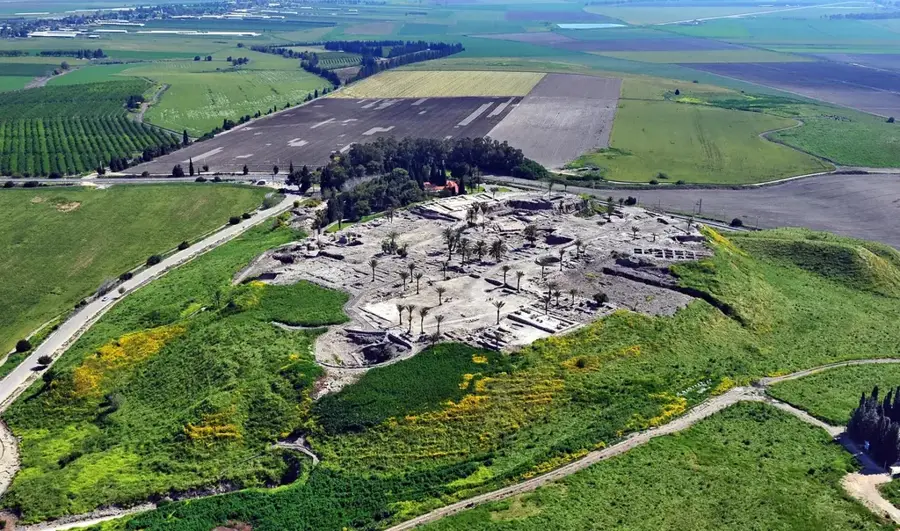
Tell Taannek is a significant archaeological mound in the northern West Bank, containing the remains of the ancient Canaanite city of Taanach. Positioned strategically on the southern rim of the Jezreel Valley, it once guarded a key mountain pass through the Carmel range. The site became internationally famous following excavations in the early 20th century led by Ernst Sellin, which unearthed an archive of 13 cuneiform tablets dating back to the 15th century BCE. These tablets contain administrative orders and diplomatic correspondence, providing a rare glimpse into the Late Bronze Age society. Taanach is also prominently mentioned in the Bible, notably in the Song of Deborah, as a site of ancient battles. The ruins reveal a long history of habitation, with layers ranging from the Bronze and Iron Ages to the Islamic period. Today, the tell gives both scholarly interest and sweeping views of the Jezreel Valley, illustrating why this location remained a vital military and economic stronghold for thousands of years.

Best time to visit & climate

The most pleasant time to visit is May, Jun, Oct.

JanFebMarAprMayJunJulAugSepOctNovDec
Avg °C131315182225272726241915
Rain mm118884723711121857104

📋 Practical info

🚪
Visiting
The ancient Canaanite city ruins are generally open to the public and can be explored on foot. Visitors can walk among the excavated areas, though some sections may be fenced off.
🕒
Typical hours
Archaeological sites in Palestine usually operate during daylight hours without a fixed schedule. It's advisable to visit in the morning to avoid excessive heat.
📷
Photography
Photography is typically allowed throughout the ruins for personal use. Tripods might require permission, and flash photography is best avoided near fragile remains.
⏱️
Time needed
A thorough exploration of the site typically takes about one to two hours. Allow extra time if you wish to examine the cuneiform tablet display area.
Combine with
Combine your visit with nearby archaeological sites like Megiddo or Beit She'an for a fuller historical context. The Jezreel Valley has several ancient tells worth seeing.
🧭
Getting there
The site is located at the edge of the Jezreel Valley, reachable by private car or taxi from nearby towns. No public transport directly serves the ruins, so arranging transport in advance is wise.
💡
Insider tip
Wear sturdy hiking shoes and bring ample water, as the terrain is uneven and shade is limited. A hat and sunscreen are also essential for protection.

Geography

Coordinates
32.51860, 35.22140

Facts

  • The city is mentioned in the Old Testament in connection with Deborah's victory.
  • Ernst Sellin conducted the first scientific excavations at the site in 1902.
  • Thirteen cuneiform tablets from the 15th century BCE were discovered here.
  • A clay cult stand with detailed reliefs is one of the most famous findings.
  • Taannek was one of the Levitical cities within the territory of Manasseh.
  • A Christian community existed at the site during the Byzantine period.

Explore nearby

Notable places around
Route planner — Car & Motorhome

Where do you start? We build the route here, with stops and country notes along the way.

Vehicle
Only stops with (optional):

© OpenStreetMap contributors · OpenRouteService

Sights in the town Tell Taannek (5)

Selet Al Hartheyeh Cultural Center🎭 culture

A center for local arts and culture in the large town of Silat al-Harithiya.

Tell Ta'annek🏺 historical

A significant archaeological mound holding the remains of a biblical Canaanite city.

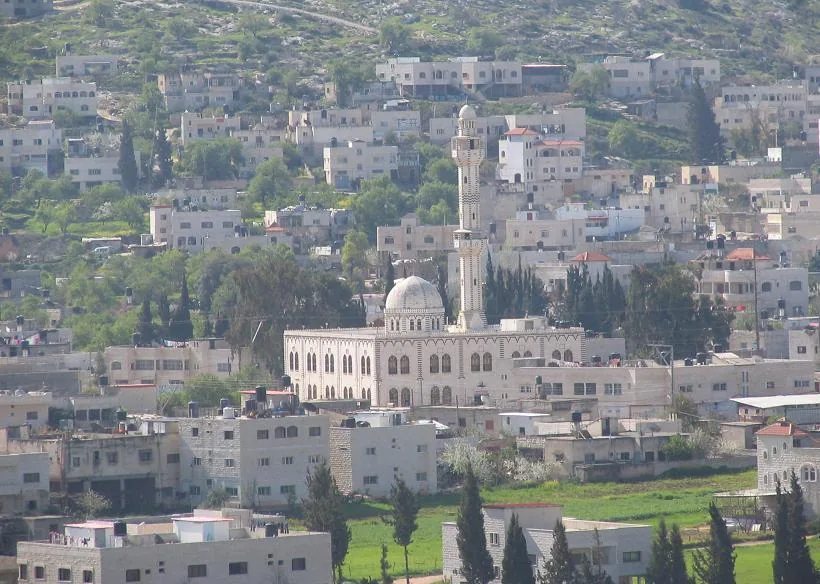
Al Arkam Mosque📍 landmark

This Muslim prayer house is set in the hilly landscape near the ancient site of Tell Ta'annek.

Moa's Bin Jabal Mosque📍 landmark

One of the community mosques in Silat al-Harithiya, on the edge of the Jezreel Valley.

Ez aldeen Al Qasam Mosque📍 landmark

This mosque is a local landmark in the history-rich region around Tell Ta'annek.

Sights nearby

Frequently asked questions

What exactly is Tell Taannek?
Tell Taannek is a significant archaeological mound, known as one of the strategically important cities of the Bronze and Iron Ages.
When is the best visiting time?
During the day, preferably early morning or late afternoon to avoid the heat and direct sun.
Is there an entrance fee?
No, the site is archeologically open-access and does not require an entrance fee.
What is the condition of the ruins?
It is primarily an excavation mound; the ruins are archaeological foundations and not traversable as buildings.
Is the hill easy to climb?
Yes, the ascent is moderate, but sturdy footwear is absolutely necessary due to the rocky ground.
Tell Taannek: where is it located?
Tell Taannek is located in Palestinian Territories.
Tell Taannek: what is there to see?
Highlights include Selet Al Hartheyeh Cultural Center, Tell Ta'annek, Al Arkam Mosque.
Tell Taannek: when is the best time to visit?
The most pleasant time to visit is May, Jun, Oct.
Tell Taannek: why is it worth visiting?
Tell Taannek is a significant archaeological mound in the northern West Bank, containing the remains of the ancient Canaanite city of Taanach.
View on map → The Top 50 Attractions → OpenStreetMap →
Asia
Explore with Plizio Discover more places in Asia
More places in Palestinian Territories →

Nearby cities

History & landmarks