Plizio Visual Lab

Golan Heights
Plizio editorial teamData Sources
plateau
—°8
Golan Heights (Israel)

Weather…

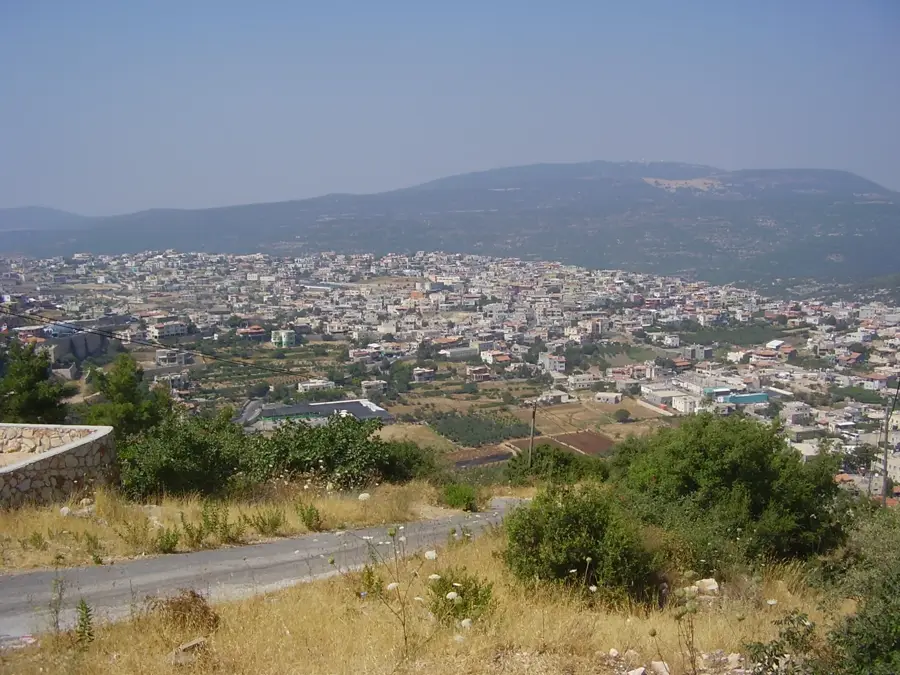
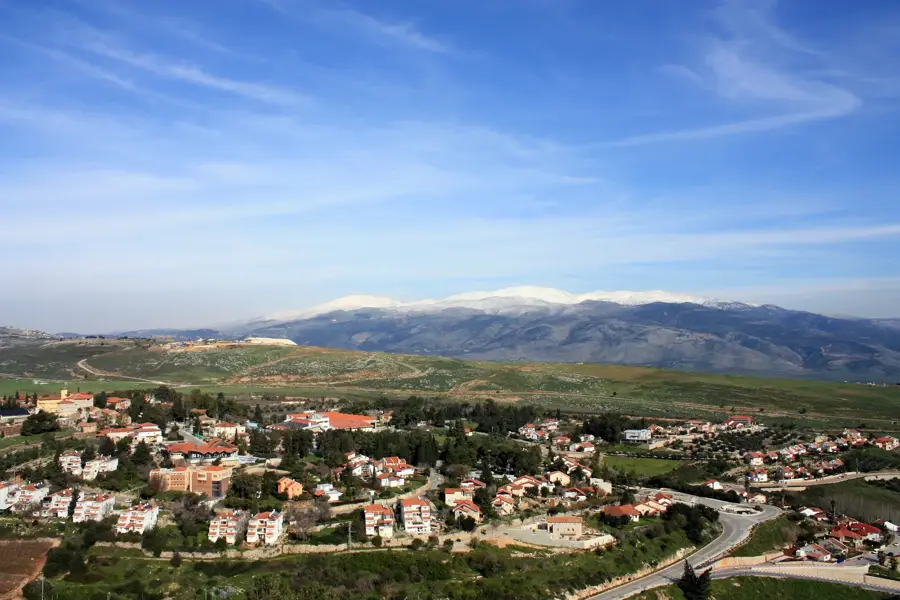
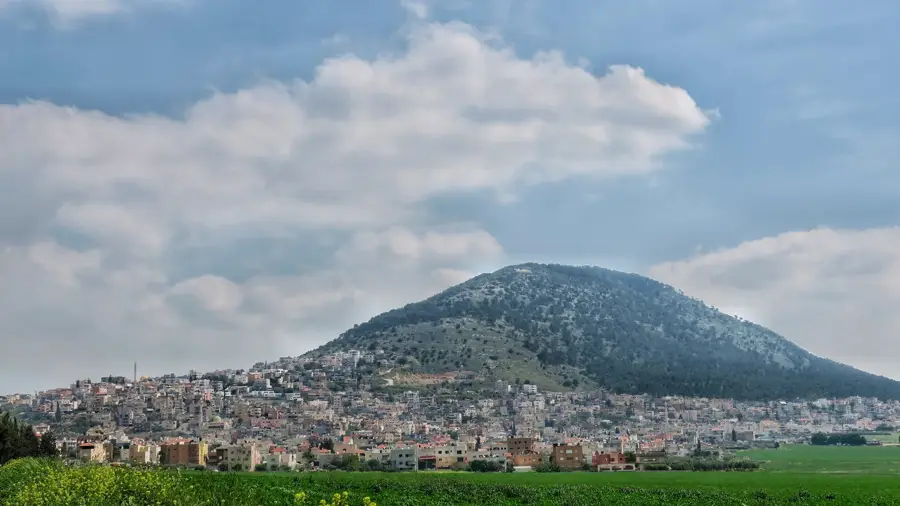
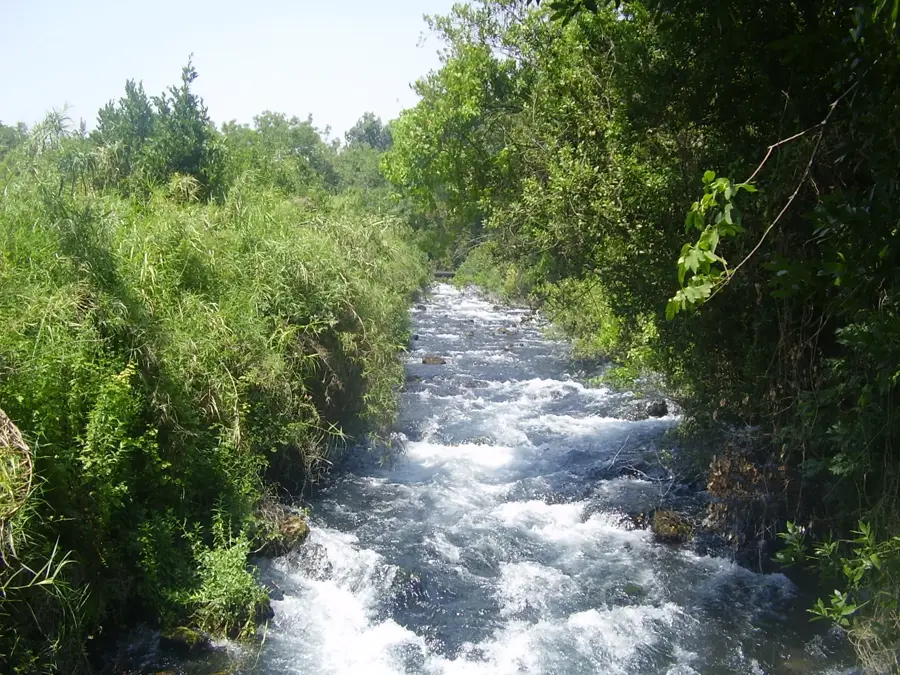
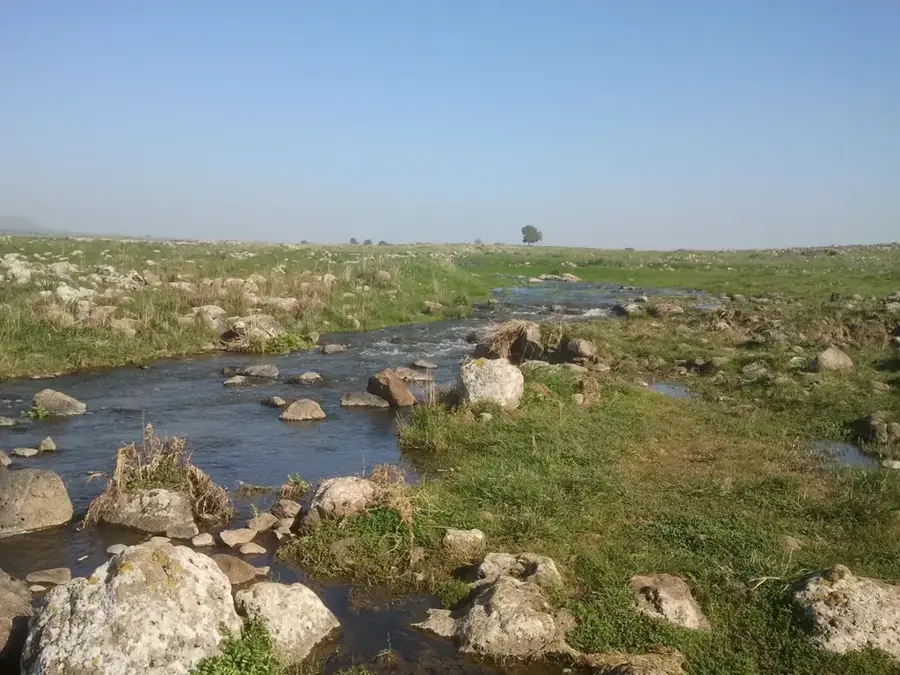
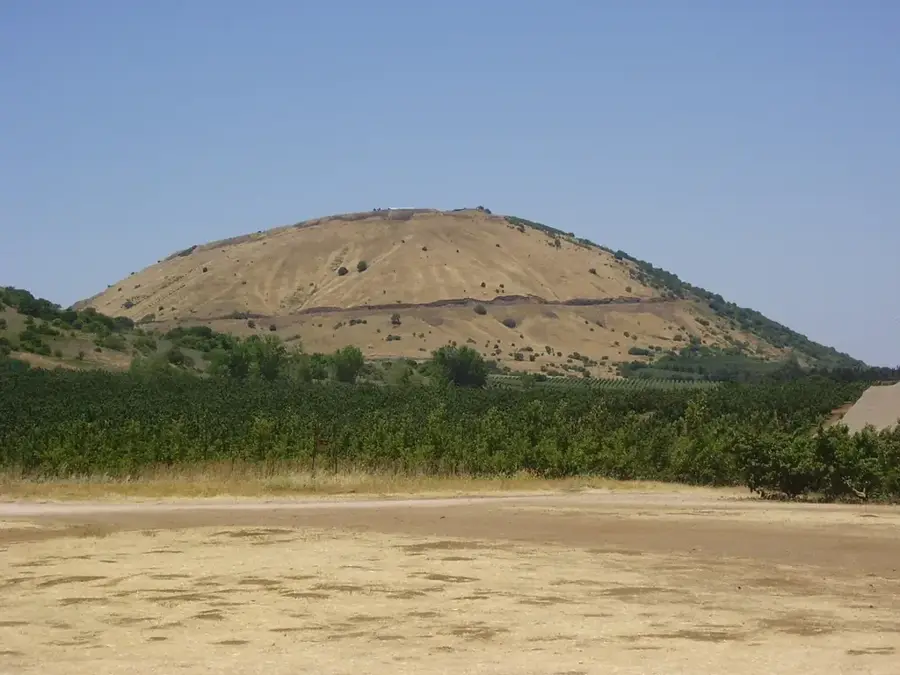
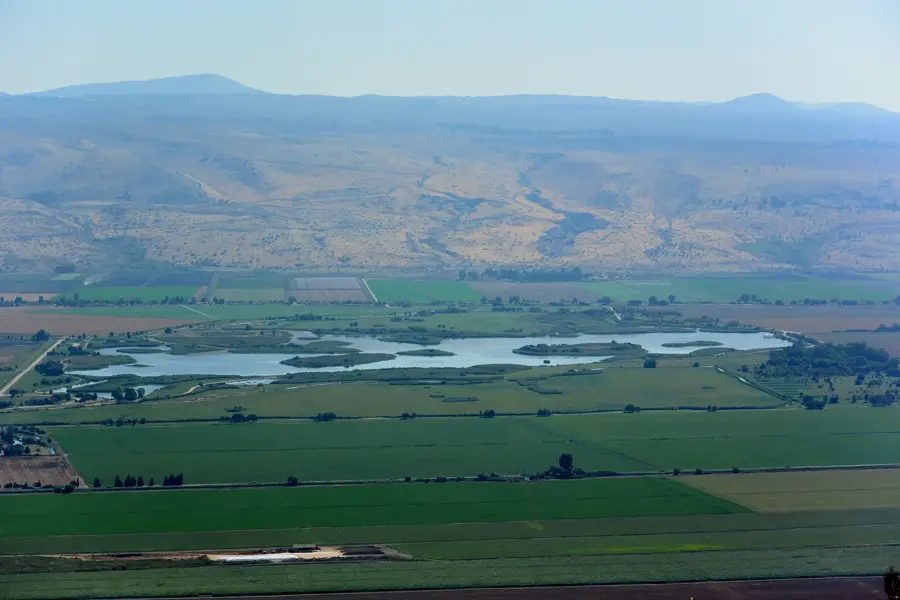
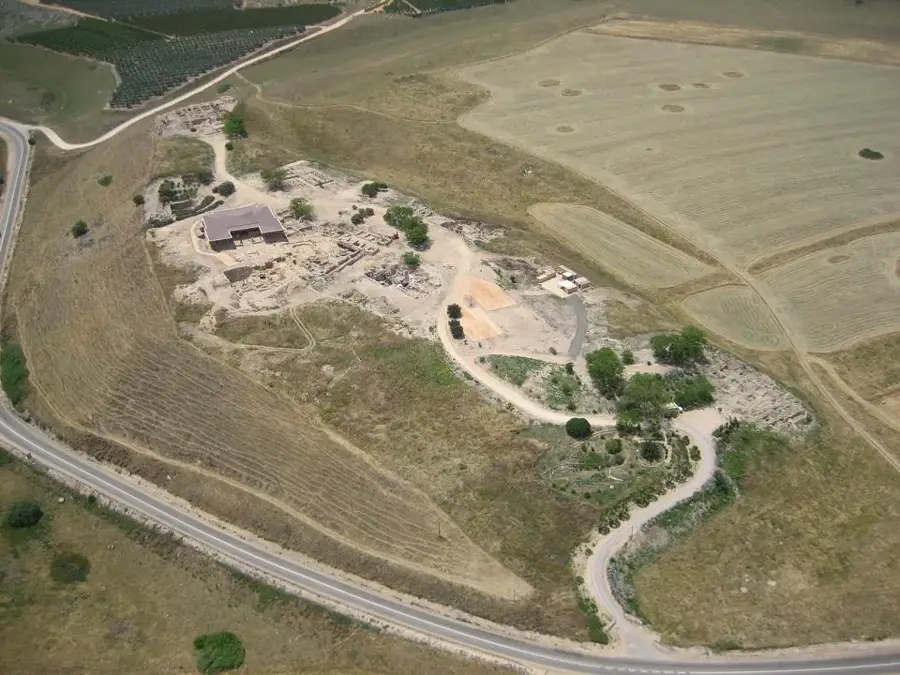
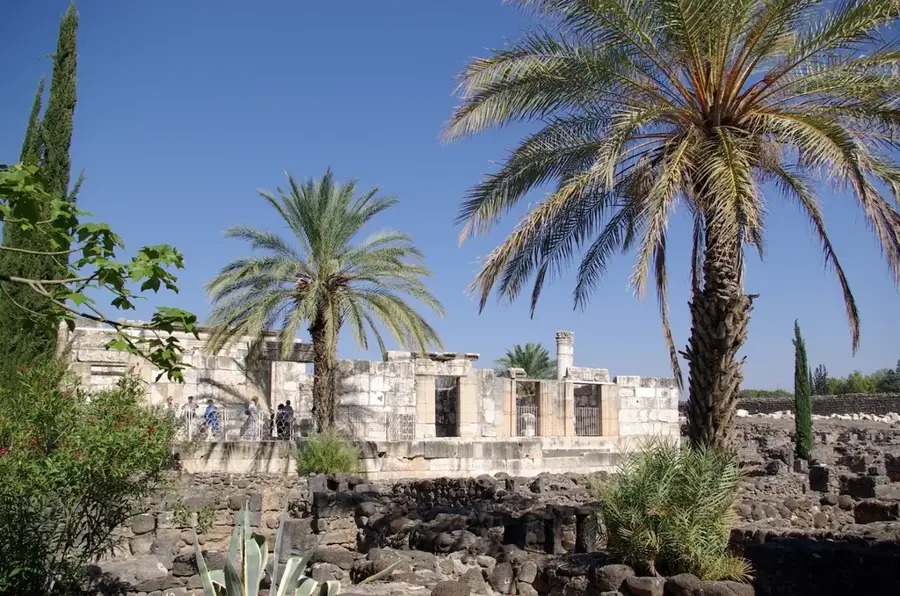
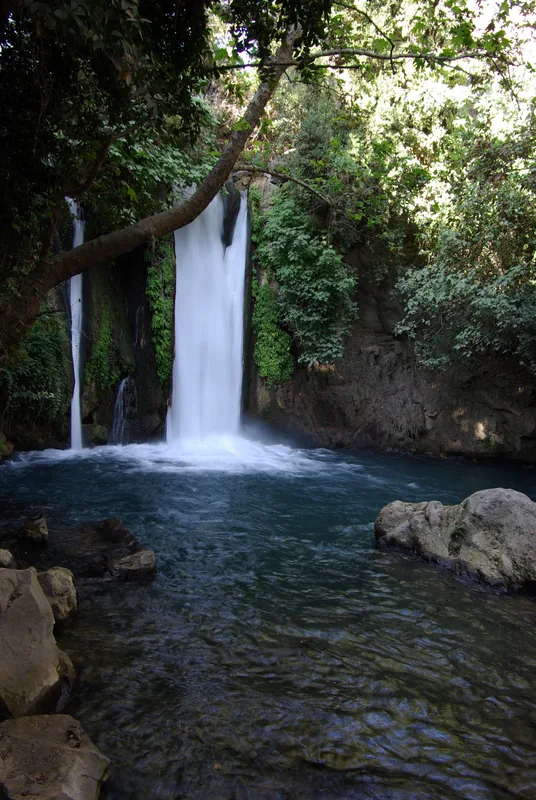
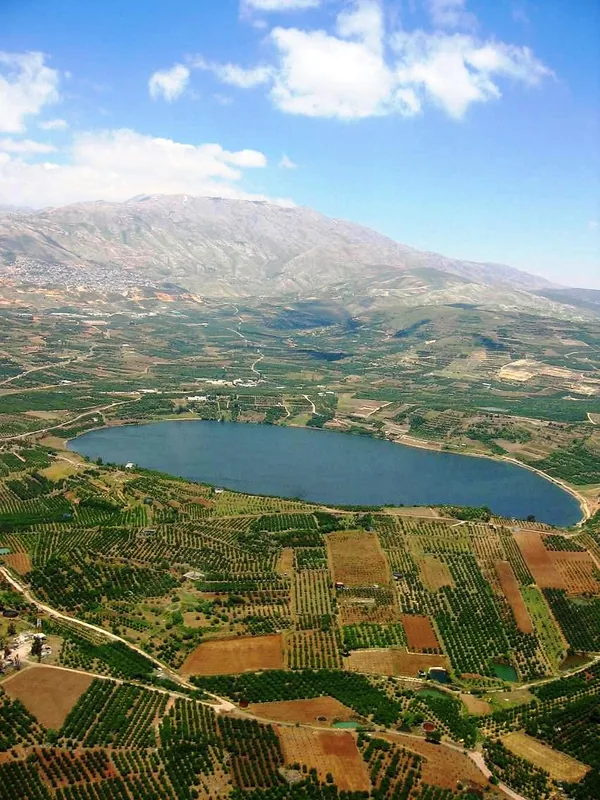
The Golan Heights is a basaltic plateau located in northeastern Israel, bordered by Mount Hermon to the north and the Jordan Rift Valley to the west. Geologically, the region is volcanic in origin, characterized by vast ancient lava fields and distinct dormant volcanic cones that rise above the plateau surface. The elevation slopes downward from 1,200 meters in the north to roughly 300 meters in the south. Thanks to its fertile volcanic soil and relatively high rainfall, the Golan is one of the region's most water-rich areas, featuring numerous perennial streams and spectacular waterfalls like Banias and Gamla. Historically, the area has been a crossroads of civilizations, evidenced by the ancient Jewish city of Gamla and the enduring presence of Druze communities. Today, the Golan is famous for its boutique wineries, cattle ranching, and outdoor tourism. It serves as a vital ecological sanctuary, with its deep canyons providing essential nesting sites for rare birds of prey, including the Eurasian griffon vulture.

Best time to visit & climate

The most pleasant time to visit is May, Sep, Oct.

JanFebMarAprMayJunJulAugSepOctNovDec
Avg °C8913172226282826221510
Rain mm6154281661011102952

📋 Practical info

🧭
Getting there
The area is widely accessible by well-maintained highways driving north from the Sea of Galilee. Public buses serve the main settlements, but exploring the natural reserves is vastly easier with a rented car.
📅
Best season
Spring transforms the region into a lively green landscape covered in blooming flowers and flowing streams. Winters can bring snow to the higher elevations, while summers are typically hot but drier than the coastal plains.
⛰️
Terrain & paths
The environment is characterized by dark basalt rock formations, undulating hills, and deep ravines carved by perennial streams. Trails often involve rocky, uneven steps and steep ascents near waterfalls and old volcanic craters.
🎒
What to bring
Bring sturdy hiking boots with good ankle support to navigate the rocky volcanic trails safely. A hat, adequate sun protection, and a refillable water bottle are crucial, alongside a swimsuit if visiting the natural pools.
🅿️
Parking
Established nature reserves and national parks across the plateau feature dedicated, often paved parking lots for visitors. Roadside viewpoints generally have small, gravel pull-offs to accommodate a few cars safely.
⚠️
Safety
It is absolutely critical to never wander off marked trails due to the serious danger of uncleared minefields from past conflicts. Fences with warning signs must be strictly respected under all circumstances.
⏱️
Time needed
A thorough driving tour of the region's main geological sights and historical ruins easily occupies one to two days. Shorter nature hikes to specific waterfalls or craters usually take between two and four hours.

Geography

Coordinates
33.00000, 35.75000

Facts

  • The Golan Heights covers an area of approximately 1,800 square kilometers.
  • Mount Hermon's Israeli peak reaches 2,236 meters above sea level.
  • The region accounts for nearly 20% of Israel's total wine production.
  • Gamla Waterfall is the highest in Israel, dropping 51 meters.
  • The plateau was formed by volcanic eruptions starting 4 million years ago.
  • The Golan is home to the Druze villages of Majdal Shams and Buq'ata.

Explore nearby

Notable places around
Route planner — Car & Motorhome

Where do you start? We build the route here, with stops and country notes along the way.

Vehicle
Only stops with (optional):

© OpenStreetMap contributors · OpenRouteService

Sights in the town Golan Heights (8)

Bnei Zfat🌿 nature

A volcanic peak offering wide views over the central Golan plateau.

Kawas🏺 historical

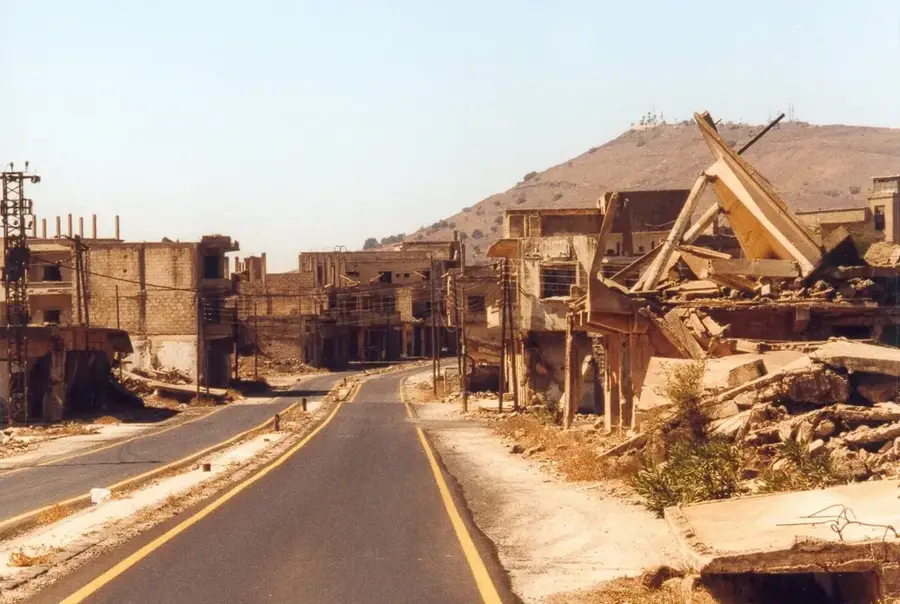
Remains of abandoned dwellings built from local basalt rock on the plateau.

`Ayn al Wardah🏺 historical

Ancient settlement traces near a seasonal spring in the central Golan.

Naffach🏺 historical

Ruins of a Syrian village known for its distinctive architecture made of basalt blocks.

Fazra hill🌿 nature

A prominent elevation on the plateau overlooking the surrounding pastures.

Hushaniya spring📍 landmark

A natural spring with a shallow pool surrounded by eucalyptus trees.

Amichai Viewpoint🌿 nature

Viewpoint offering a broad panorama over the Syrian border and the Quneitra valley.

Einot Pekham📍 landmark

Small natural spring pools offering a refreshing cool-down in nature.

Sights nearby

Frequently asked questions

What is the terrain of the Golan Heights like?
It is a basaltic high plateau with volcanic cones and deep valleys.
Are there waterfalls there?
Yes, well-known waterfalls include Banias, Gamla (Israel's highest), and the Yehudia falls.
Can you ski on the Golan?
Yes, at the northern edge lies Mount Hermon with Israel's only ski resort.
Is the Golan famous for its wine?
Yes, the volcanic soil is handy for viticulture; there are many award-winning wineries.
Can you visit historical ruins?
Yes, Gamla (the 'Masada of the North') and Nimrod Fortress are impressive sites.
Golan Heights: where is it located?
Golan Heights is located in Israel.
Golan Heights: what is there to see?
Highlights include Bnei Zfat, Kawas, `Ayn al Wardah.
Golan Heights: when is the best time to visit?
The most pleasant time to visit is May, Sep, Oct.
Golan Heights: why is it worth visiting?

The Golan Heights is a basaltic plateau located in northeastern Israel, bordered by Mount Hermon to the north and the Jordan Rift Valley to the west.
View on map → The Top 50 Attractions → OpenStreetMap →
Asia
Explore with Plizio Discover more places in Asia
More places in Israel →

Nearby cities

History & landmarks
Nature
More places