Plizio Visual Lab

Hula Nature Reserve
Plizio editorial teamData Sources
national-park
—°10
Hula Nature Reserve (Israel)

Weather…

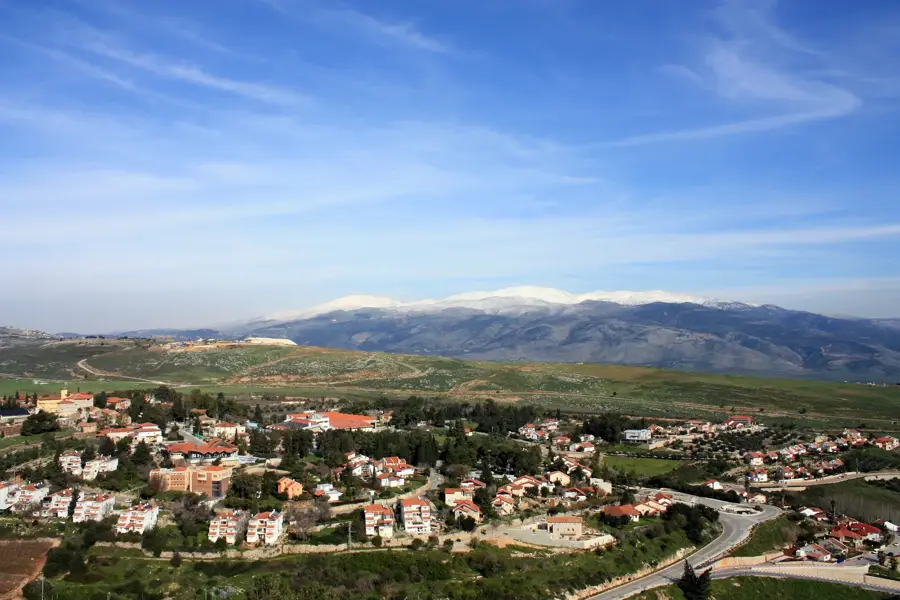
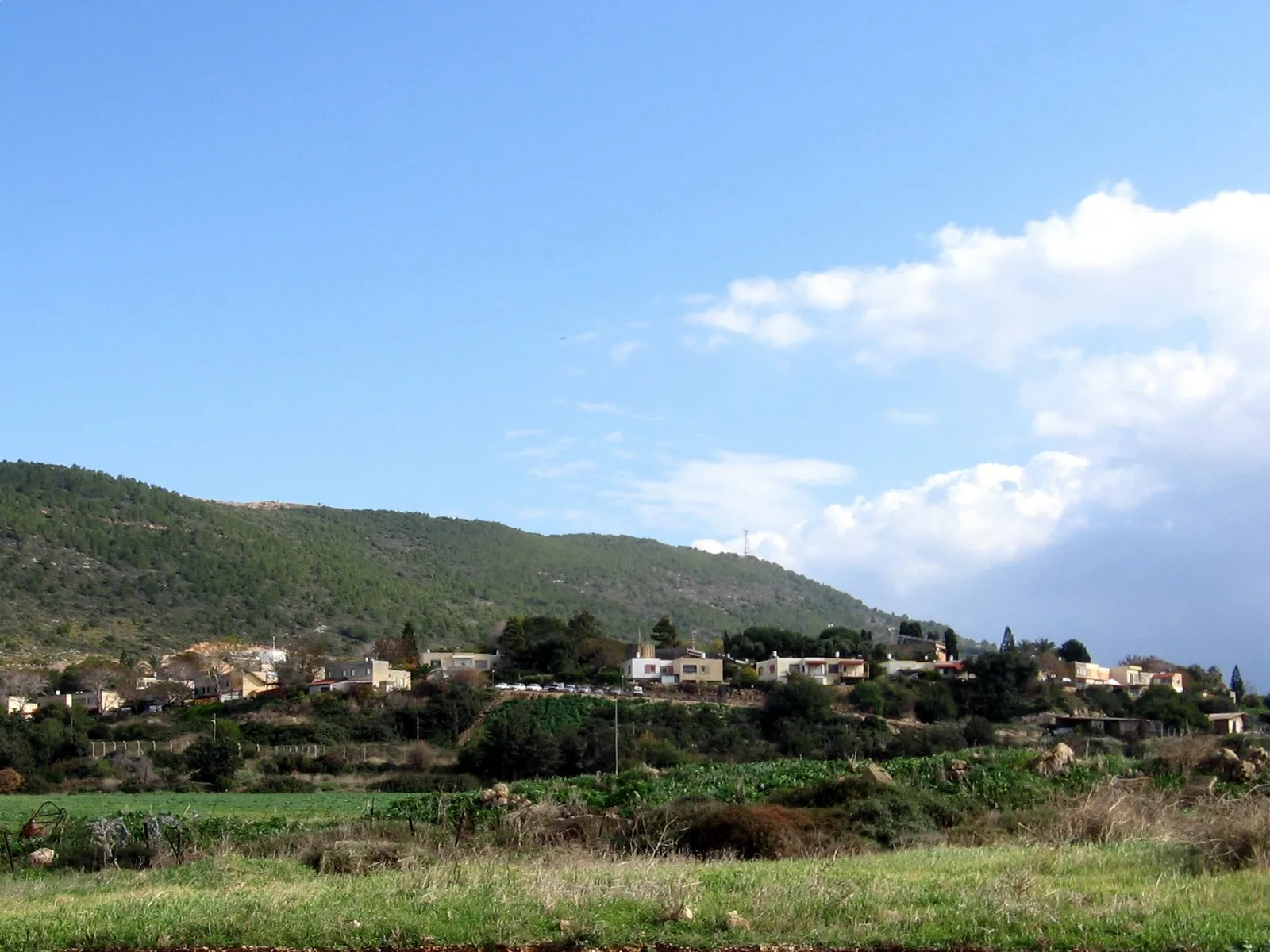
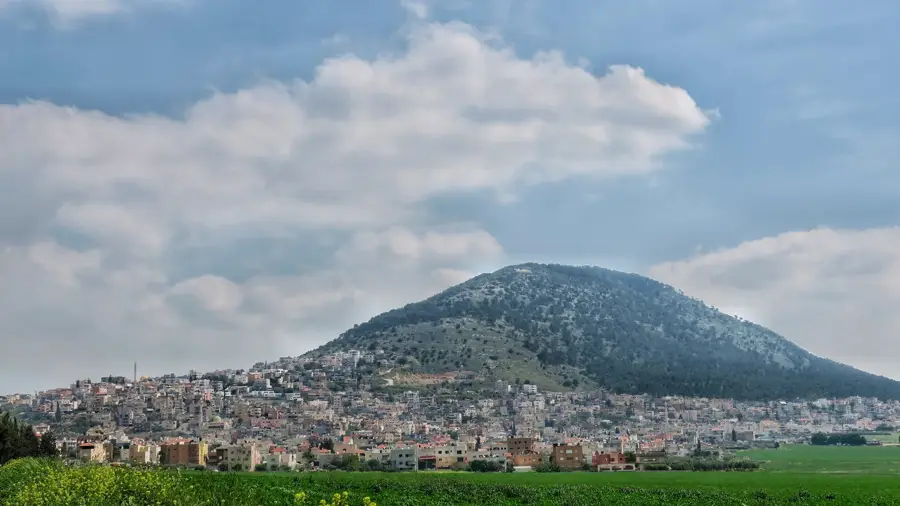
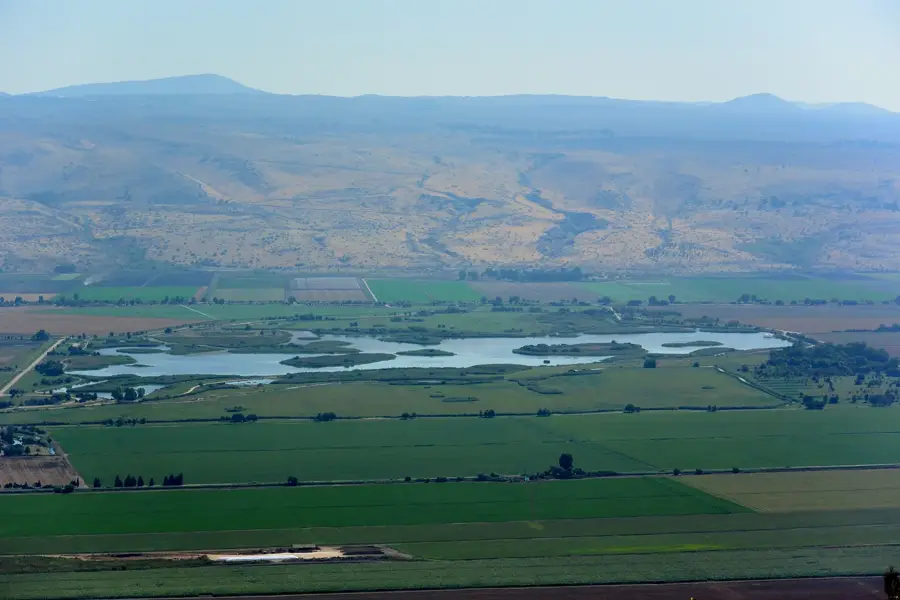
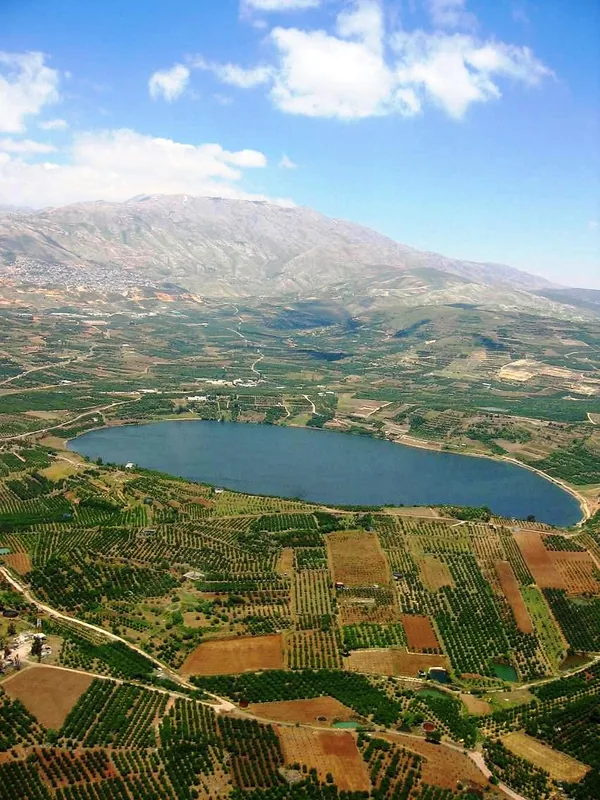
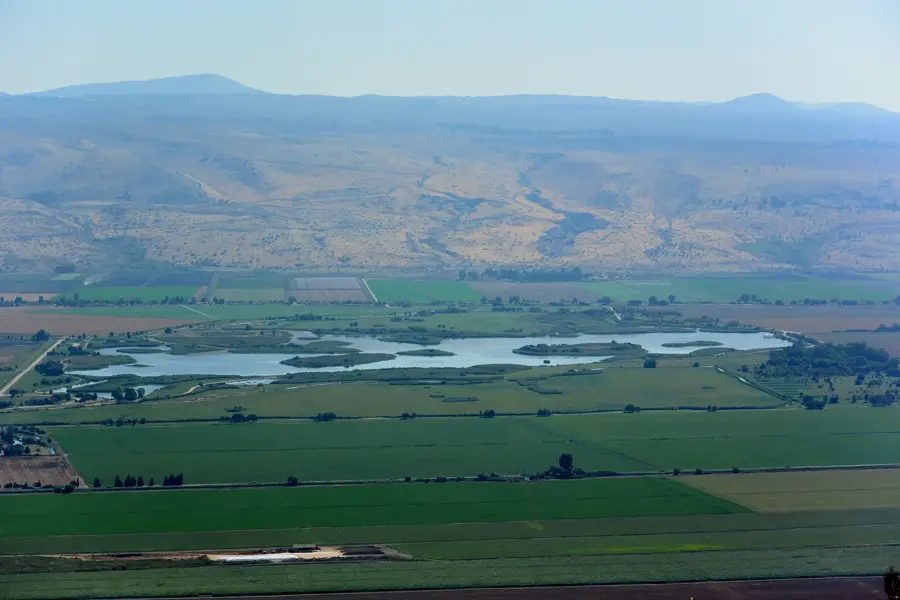
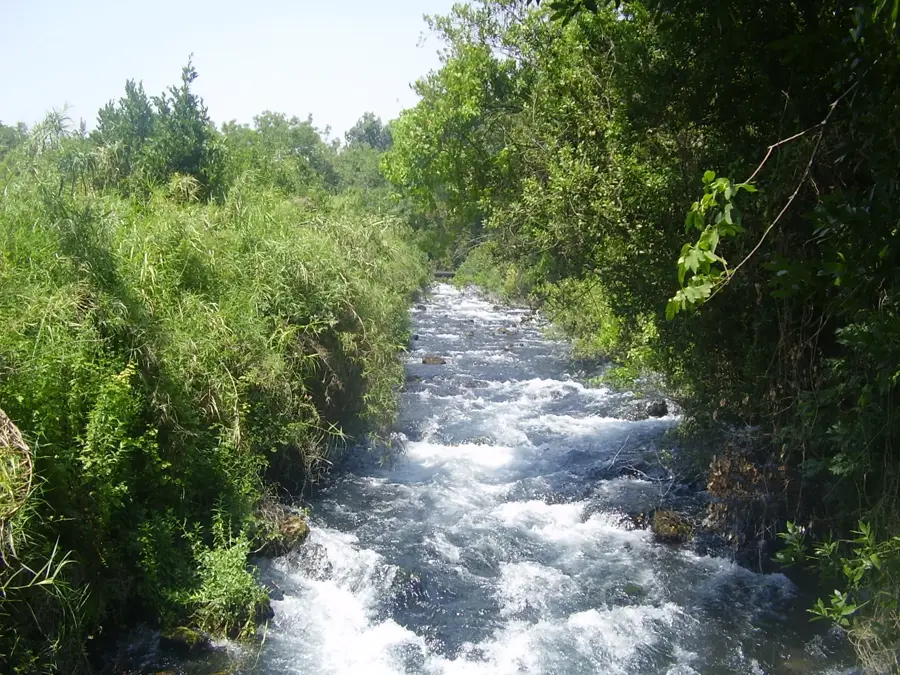
The Hula Nature Reserve in northern Israel is an ecological jewel and was the country's first official nature reserve, established in 1964. Located in the Hula Valley, part of the Great Rift Valley, the area was originally a vast lake and swampland. In the 1950s, the valley was drained to create agricultural land, which led to significant ecological issues, prompting the eventual restoration of a portion of the wetlands. Today, the reserve is one of the world's most important stopover points for migratory birds on their journey between Europe, Asia, and Africa. Over 500 million birds pass through the valley annually, including tens of thousands of cranes that often overwinter here. Visitors can experience the rich wildlife via floating bridges and observation points, observing water buffalo and rare marsh plants such as papyrus. The reserve integrates active conservation with cutting-edge scientific research on avian migration patterns. The re-flooding of part of the valley in the 1990s has dramatically increased biodiversity and successfully boosted sustainable tourism in the region.

Best time to visit & climate

The most pleasant time to visit is May, Jun, Oct.

JanFebMarAprMayJunJulAugSepOctNovDec
Avg °C91013172225272725221611
Rain mm9077382161002134577

📋 Practical info

🧭
Getting there
The wetland is situated in northern Israel and is best reached by private car using the well-developed road network; the main entrance is clearly signposted from the major traffic routes.
📅
Best season
The primary attraction is the massive bird migration in spring and autumn when millions rest here; early mornings or late afternoons consistently offer the most spectacular light for birdwatching.
⛰️
Terrain & paths
The terrain is completely flat and highly visitor-friendly, featuring well-paved paths and floating pontoon bridges over the water, making it absolutely well-suited for families and wheelchair users.
🎒
What to bring
A quality pair of binoculars or a camera equipped with a telephoto lens is indispensable for birding; otherwise, comfortable everyday clothing, sun protection, and some water are sufficient.
🅿️
Parking
There are spacious and generally well-equipped parking facilities directly at the visitor center, where bicycles or electric golf carts can frequently be rented for easily exploring the large site.
⚠️
Safety
The reserve is a very safe environment for all visitors; you are simply requested to respect the birds' quiet resting zones, completely avoid making loud noises, and stay strictly on the paths.
⏱️
Time needed
For a leisurely walk and extensive wildlife observations from the various well-placed viewpoints, nature enthusiasts should typically plan to spend roughly two to three hours exploring the area.

Geography

Coordinates
33.10000, 35.61000

Facts

  • The reserve opened in 1964 as Israel's very first nature reserve.
  • Over 500 million migratory birds pass through the Hula Valley each year.
  • Tens of thousands of cranes use the reserve as their wintering grounds.
  • It is home to the northernmost wild papyrus growth in the world.
  • A herd of water buffalo helps maintain the balance of marsh vegetation.
  • 60,000 dunams of swampland were drained in the valley during the 1950s.

Explore nearby

Notable places around

Route planner — Car & Motorhome

Where do you start? We build the route here, with stops and country notes along the way.

Vehicle
Only stops with (optional):

© OpenStreetMap contributors · OpenRouteService

Sights in the town Hula Nature Reserve (10)

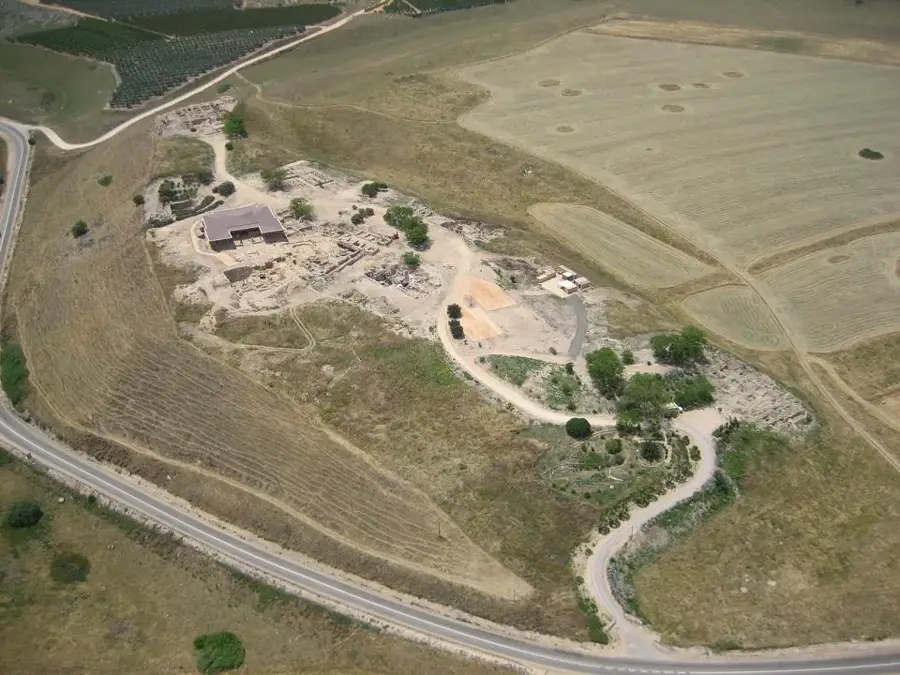
Khirbet Kufira🏺 historical

Historical wall remains on an elevation overlooking the verdant Hula Valley.

Ashmura🏺 historical

Remains of an early kibbutz established in the midst of the former Hula swamps.

Horbat Shuah🏺 historical

Ancient agricultural ruins located near the upper Jordan River.

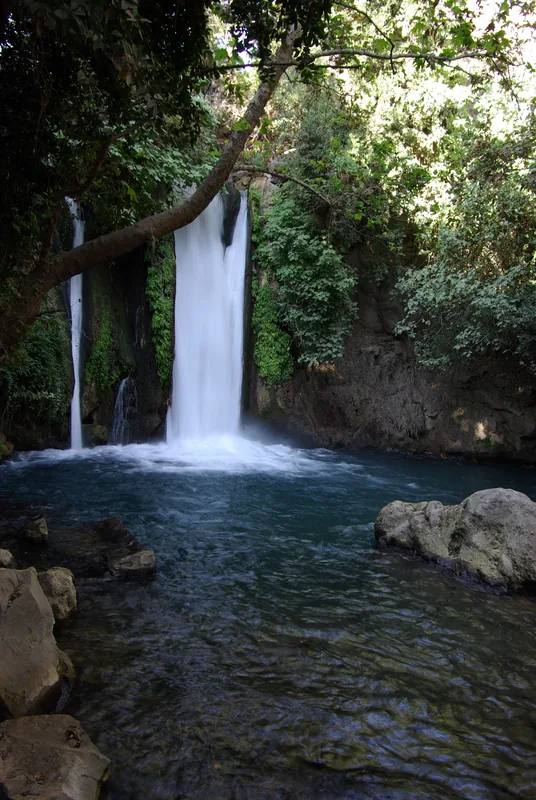
Ein Tina - The Pipe📍 landmark

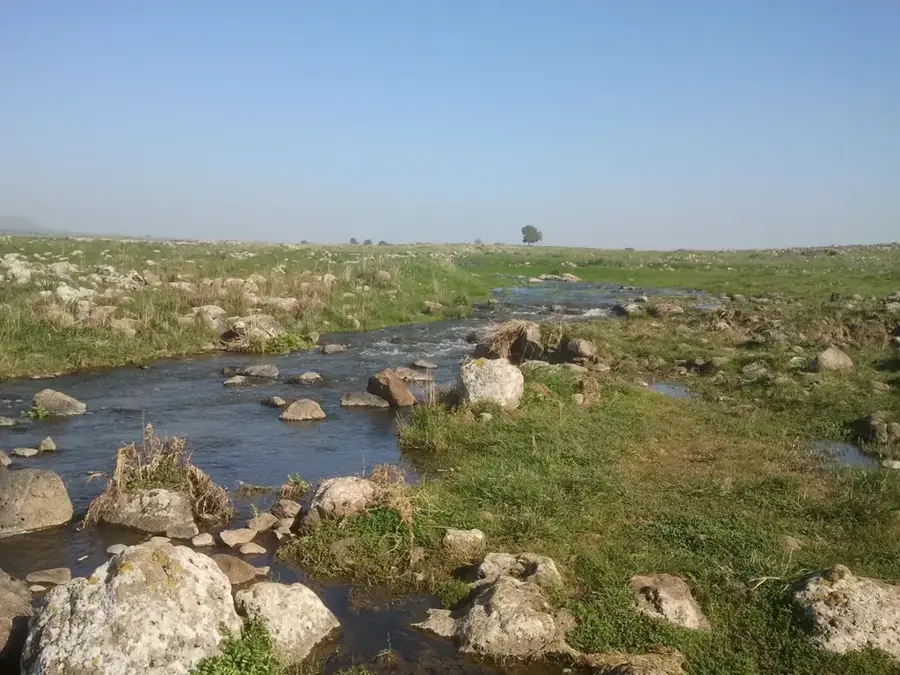
A gushing spring where water flows through a pipe into a shallow wading pool.

Ein Divsha📍 landmark

A clear spring flowing past the remains of an old water mill.

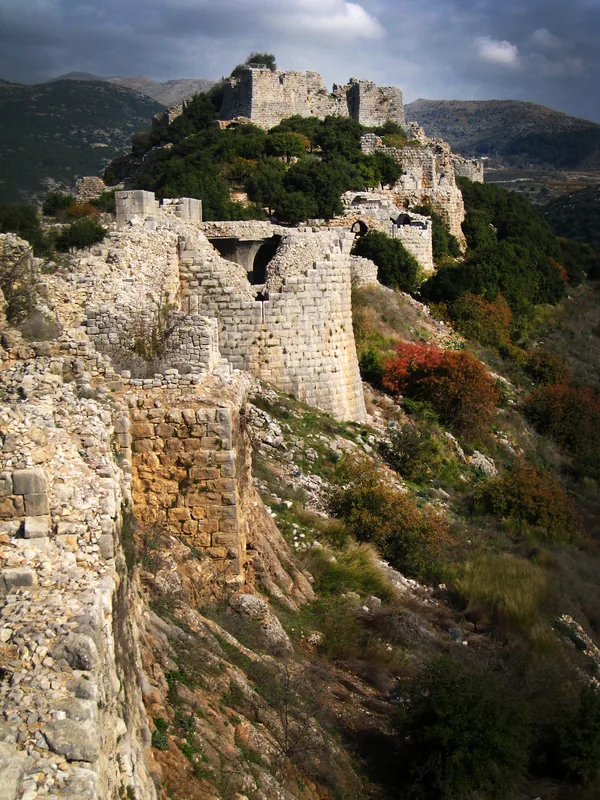
Ramot Naftaly Fortress🏰 castle

A stone fortification offering expansive views over the Hula Valley.

Agamon Hula lookout🌿 nature

Observation platform at the Agamon Hula lake overlooking thousands of migrating birds.

Ran's Observation Point🌿 nature

This vantage point has wide views over the Hula Valley and is dedicated to pilot Ran Kochva.

Metzudat Koach🌿 nature

This historic British police fortress on the Naftali ridge provides panoramic views of the Hula Valley wetlands.

Einot Einan📍 landmark

This large freshwater spring complex at the foot of the Naftali Mountains is one of the main water sources for the Hula basin.

Sights nearby

Frequently asked questions

When do the cranes migrate through the valley?
The main migration periods are autumn (October-December) and spring (March-April).
Are there vehicles for rent in the park?
Yes, visitors can rent bicycles or golf carts to explore the 8.5 km circular trail.
Is the reserve suitable for children?
Absolutely, it is flat, stroller-friendly, and features interactive exhibits about wildlife.
What is the Agamon Hula project?
It is a man-made lake created to restore the ecosystem after the original swamps were drained.
Do I need to book in advance?
During peak season (crane migration), online booking is highly recommended.
Hula Nature Reserve: where is it located?
Hula Nature Reserve is located in Israel.
Hula Nature Reserve: what is there to see?
Highlights include Khirbet Kufira, Ashmura, Horbat Shuah.
Hula Nature Reserve: when is the best time to visit?
The most pleasant time to visit is May, Jun, Oct.
Hula Nature Reserve: why is it worth visiting?

The Hula Nature Reserve in northern Israel is an ecological jewel and was the country's first official nature reserve, established in 1964.
View on map → The Top 50 Attractions → OpenStreetMap →
Asia
Explore with Plizio Discover more places in Asia
More places in Israel →

Nearby cities

History & landmarks
Nature
More places