Plizio Visual Lab

Pasargadae
Plizio editorial teamData Sources
ruin
—°6
Pasargadae (Iran)

Weather…

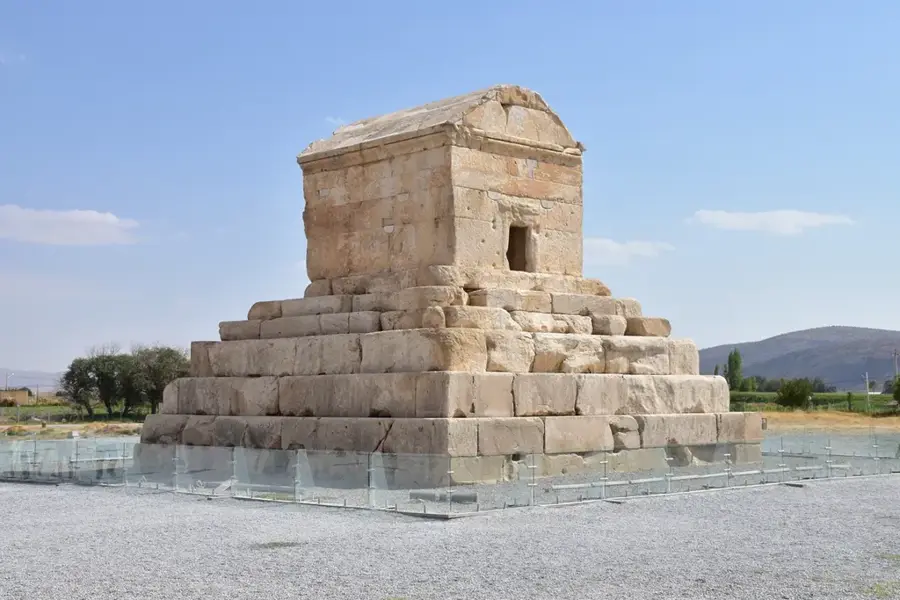
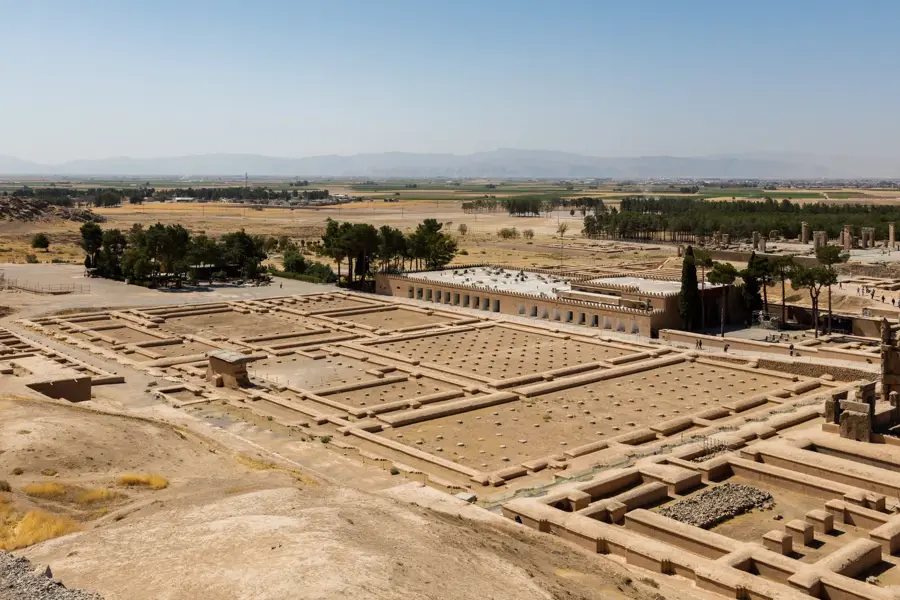
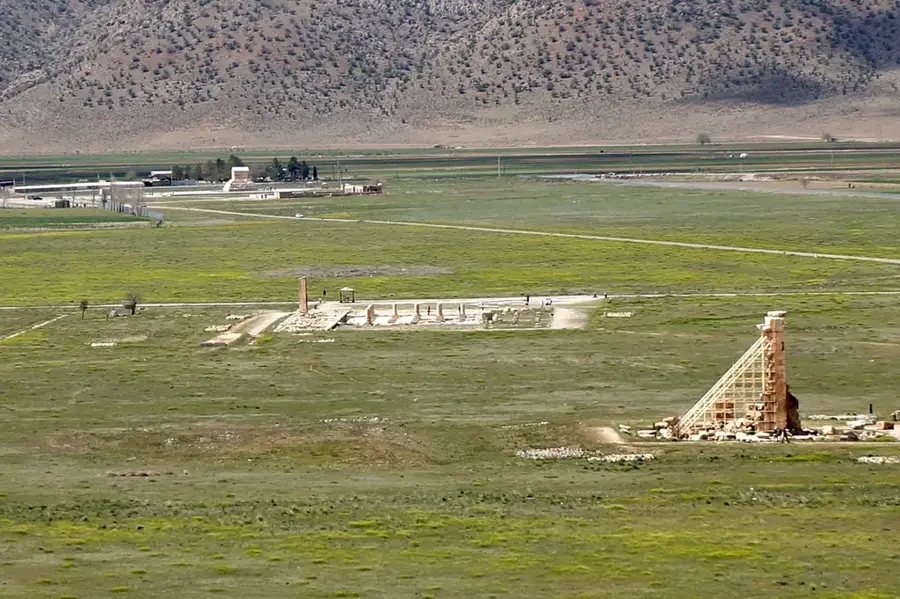
Pasargadae was the first dynastic capital of the Achaemenid Empire, established by Cyrus the Great in the 6th century BC within the Fars region. The site features significant monumental structures, including the residential palace, the audience hall, and the iconic Tomb of Cyrus, a simple yet grand limestone structure set on a six-stepped base. The architectural style of Pasargadae reflects a unique synthesis of Elamite, Babylonian, and Assyrian influences, representing the diverse nature of the first global empire. It is also the birthplace of the Persian garden (Charbagh) concept, which utilized sophisticated irrigation systems and served as a model for landscape design across the Islamic world. The archaeological remains provide vital evidence of the administrative and cultural achievements of the early Persians. In 2004, Pasargadae was designated a UNESCO World Heritage site, underscoring its importance as a testament to the origins of the Persian civilization.

Best time to visit & climate

The most pleasant time to visit is May, Sep, Oct.

JanFebMarAprMayJunJulAugSepOctNovDec
Avg °C35914212628272318105
Rain mm473838268343143542

📋 Practical info

🚪
Visiting
Visitors can freely explore the extensive outdoor archaeological site, walking among the widely dispersed ruins of the ancient capital. The tomb of Cyrus the Great is the centerpiece, viewable from all sides on the vast plain.
🕒
Typical hours
The complex is typically open during standard daytime hours, generally from morning until just before sunset. It is advisable to visit earlier in the day to avoid the intense midday heat, especially during the summer months.
📷
Photography
Photography is generally permitted throughout the open-air site, offering excellent opportunities to capture the isolated monuments against the vast landscape. The Tomb of Cyrus is particularly striking during the golden hours of early morning or late afternoon.
⏱️
Time needed
A thorough visit to see all the main monuments and the surrounding landscape usually takes around two to three hours. If you plan to walk between the distant palaces instead of driving or using shuttles, you should allocate additional time.
Combine with
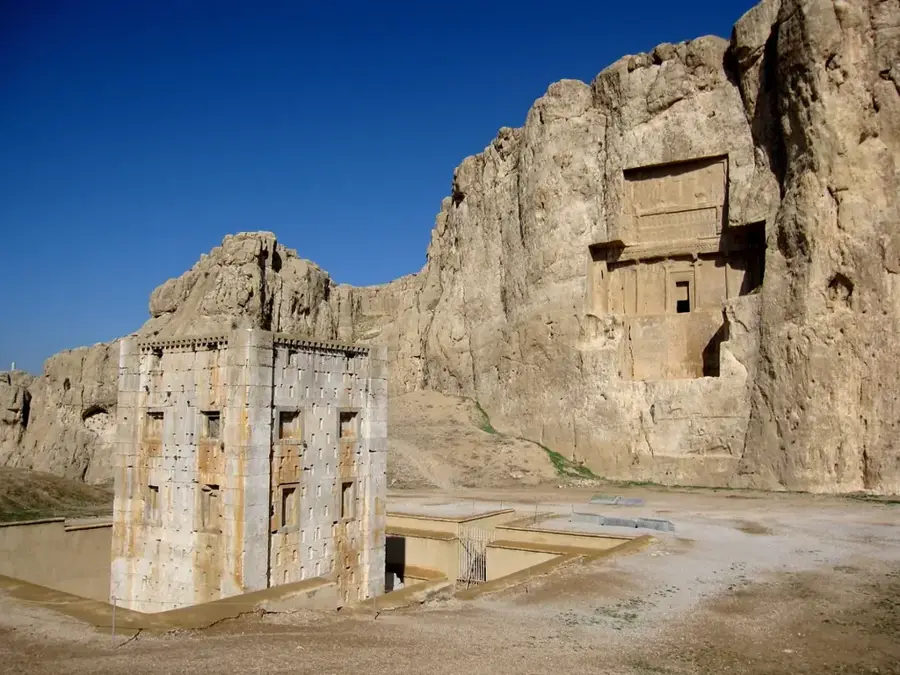
Most travelers combine this visit with the nearby Naqsh-e Rostam necropolis and the magnificent ruins of Persepolis, both located to the south. The ancient city of Estakhr is also just a short drive away along the same standard historical route.
🧭
Getting there
The site is easily accessible by road, situated off the main highway connecting Isfahan and Shiraz. Many international visitors hire a private taxi or join a guided tour from Shiraz, which is roughly a two-hour drive to the south.
💡
Insider tip
Since the ruins are spread out over a large area, consider hiring a local shuttle or electric vehicle if walking long distances in the hot sun is difficult. Always bring plenty of drinking water and wear adequate sun protection for the exposed plains.

Geography

Coordinates
30.19830, 53.17830

Facts

  • Construction of Pasargadae began around 546 BC following the conquest of Media.
  • The Tomb of Cyrus stands 11 meters high and is made of large white limestone blocks.
  • The site contains the earliest known archaeological examples of the Persian garden layout.
  • Pasargadae is situated at an elevation of approximately 1,900 meters in the Zagros Mountains.
  • Iron and lead clamps were used to secure the stone blocks without the need for mortar.
  • It was recognized as a UNESCO World Heritage site in 2004 for its cultural significance.

Explore nearby

Notable places around
Route planner — Car & Motorhome

Where do you start? We build the route here, with stops and country notes along the way.

Vehicle
Only stops with (optional):

© OpenStreetMap contributors · OpenRouteService

Sights in the town Pasargadae (6)

Tall-i Takht (Throne Hill)🏺 historical

An unfinished stone citadel platform built during the reign of Cyrus the Great in Pasargadae.

Pavilion B🏺 historical

The stone structural remains of an ancient garden pavilion in the royal complex of Pasargadae.

Residential Palace🏺 historical

The ruined columns and foundations of Cyrus the Great's private living quarters in ancient Pasargadae.

Taḵt-e mādar-e Soleymān📍 landmark

A fortified massive stone structure in Pasargadae traditionally referred to as the Throne of the Mother of Solomon.

Tomb of Cyrus II📍 landmark

A stepped, megalithic limestone monument in Pasargadae serving as the resting place of Cyrus the Great.

Muzaffarid Caravanserai📍 landmark

A 14th-century caravanserai constructed from stones transported from the palaces of Pasargadae.

Sights nearby

Frequently asked questions

What is the main attraction in Pasargadae?
The imposing tomb of Cyrus the Great is the most famous monument of the ancient residence city.
How far is Pasargadae from Persepolis?
It is located about 75 km northeast of Persepolis; the drive takes approximately one hour by car.
Is there shade on the grounds?
Hardly any. The site is very spacious and open; sunscreen and water are essential.
Is there transport within the site?
Yes, small shuttle buses operate between the different ruin sections due to the large distances.
When is the best time to visit?
Early morning, to avoid the midday heat and take advantage of the soft light for photos.
Pasargadae: where is it located?
Pasargadae is located in Iran.
Pasargadae: what is there to see?
Highlights include Tall-i Takht (Throne Hill), Pavilion B, Residential Palace.
Pasargadae: when is the best time to visit?
The most pleasant time to visit is May, Sep, Oct.
Pasargadae: why is it worth visiting?
Pasargadae was the first dynastic capital of the Achaemenid Empire, established by Cyrus the Great in the 6th century BC within the Fars region.
View on map → The Top 50 Attractions → OpenStreetMap →
Asia
Explore with Plizio Discover more places in Asia
More places in Iran →

More places