Plizio Visual Lab

Golestan Palace
Plizio editorial teamData Sources
historical-site
—°12
Golestan Palace (Iran)

Weather…

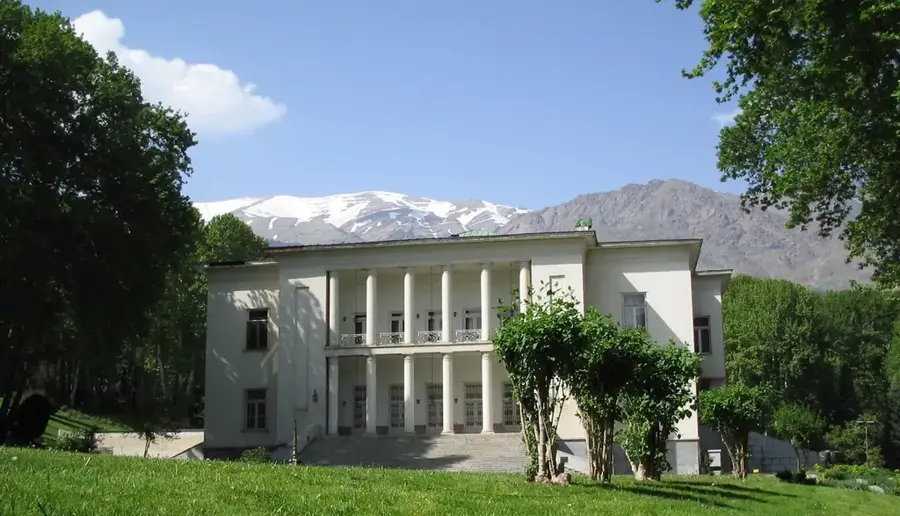
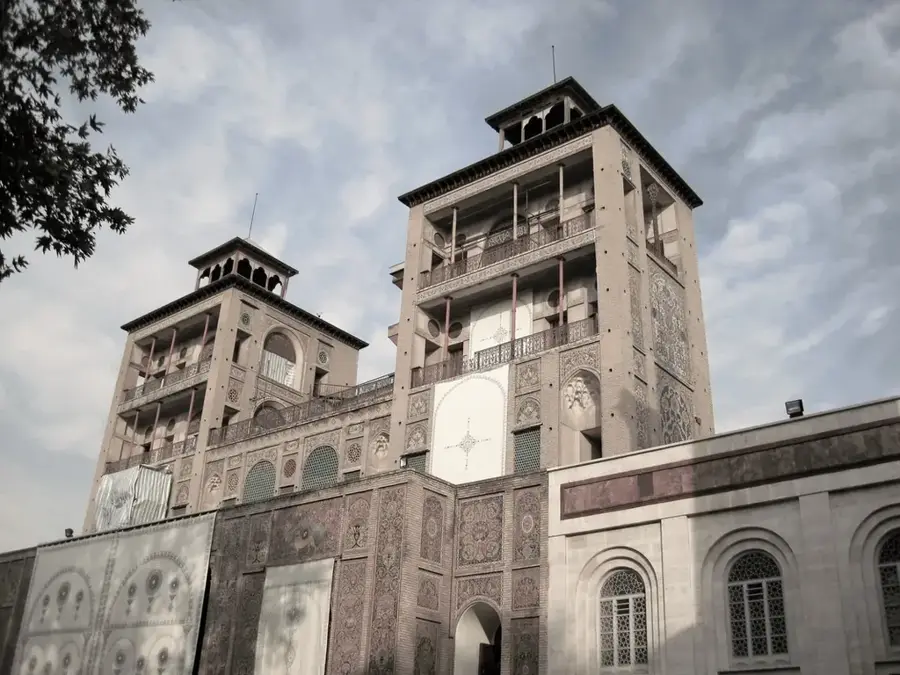
The Golestan Palace in Tehran is a masterpiece of the Qajar era, showcasing the successful integration of traditional Persian craftsmanship with Western architectural elements. While its origins date back to the Safavid period, the complex reached its peak splendor in the 19th century after Tehran became the capital. Key features include the Marble Throne Hall, used for grand state ceremonies, and the Shams-ol-Emareh (Edifice of the Sun), which was once the tallest building in Tehran and integrated European style balconies. The palace is renowned for its intricate mirror work, animated tile mosaics, and lush gardens that incorporate classic Persian water features. During the Pahlavi era, it remained a venue for official receptions and coronations of the last two Shahs. In 2013, UNESCO added Golestan Palace to the World Heritage list, recognizing it as a unique example of the artistic exchange between the East and the West during a transformative period.

Best time to visit & climate

The most pleasant time to visit is May, Sep, Oct.

JanFebMarAprMayJunJulAugSepOctNovDec
Avg °C361116222831292518105
Rain mm343535381567816364535

📋 Practical info

🚪
Visiting
Golestan Palace in Tehran is a UNESCO World Heritage site and can be visited with a guided tour. Several opulent halls and museums are accessible, including the Marble Throne Hall and the Brilliant Hall; some areas require special permission.
🕒
Typical hours
The palace complex is typically open daily from 9:00 to 17:00, last entry at 16:00. On Iranian holidays and mourning days, the palace may be closed; checking in advance is advisable.
📷
Photography
Photography is allowed in most areas, but flash and video recording are prohibited indoors. The intricate mirror work and tiles offer fantastic macro subjects; a camera with good low-light performance is beneficial.
⏱️
Time needed
A visit to Golestan Palace typically takes two to three hours if you go through all the accessible halls and museums. For a thorough visit with audio guide or guided tour, plan for half a day.
Combine with
Combine the palace visit with a walk through the adjacent Park-e Shahr and the Tehran Grand Bazaar, just ten minutes away. The National Jewels Museum in the Central Bank building is also a nearby attraction.
🧭
Getting there
Golestan Palace is in central Tehran at Panzdah-e Khordad Square. It is best reached by metro (Panzdah-e Khordad station) or taxi; parking in the area is limited.
💡
Insider tip
Buy your ticket online in advance to avoid queues, especially on weekends. Take time to admire the badgir (windcatcher) in the courtyard - it's one of the palace's finest architectural details.

Geography

Coordinates
35.67970, 51.42080

Facts

  • The Marble Throne was crafted in 1806 from 65 pieces of yellow Yazd marble.
  • Shams-ol-Emareh, completed in 1867, was the first structure in Tehran to use cast iron.
  • The palace complex currently features 17 distinct buildings, including galleries and museums.
  • Naser al-Din Shah was influenced by European architecture during his 19th-century travels.
  • The Mirror Hall took over three years of meticulous labor by Iranian master craftsmen.
  • It was officially inscribed as a UNESCO World Heritage site on June 23, 2013.

Explore nearby

Notable places around
Route planner — Car & Motorhome

Where do you start? We build the route here, with stops and country notes along the way.

Vehicle
Only stops with (optional):

© OpenStreetMap contributors · OpenRouteService

Sights in the town Golestan Palace (12)

Eshrat Abad Kolah Farangi Museum🏛 museum

An octagonal Qajar-era palace with a characteristic pavilion (Kolah Farangi), preserved today as part of a historic museum complex.

Farahabad Palace🏛 museum

This Qajar-era hunting lodge is located in eastern Tehran and impresses with its historic architecture amidst former royal gardens.

Abyaz Palace🏛 museum

This wing of the Golestan Palace now houses the Anthropological Museum and stands out for its snow-white facade and European-inspired details.

Daniel Synagogue (Polish)⛪ religious

A historic synagogue in Tehran that served as an important sanctuary for the Polish-Jewish community during World War II.

Sardar é Bagh Melli📍 landmark

This grand Qajar-era ceremonial gateway once served as the main entrance to a former military parade ground.

Park-e Shahr🌳 park

Tehran's oldest public park features a bird garden and a peaceful lake in the heart of the city center.

Negarestan Museum Garden🌳 park

This historic garden houses traditional Qajar-era pavilions and a gallery of 19th-century royal portraits.

Azadegan Water Park🎡 recreation

This expansive open-air complex is one of the city's largest water parks, featuring numerous slides and outdoor pools.

Rashkan Castle📍 landmark

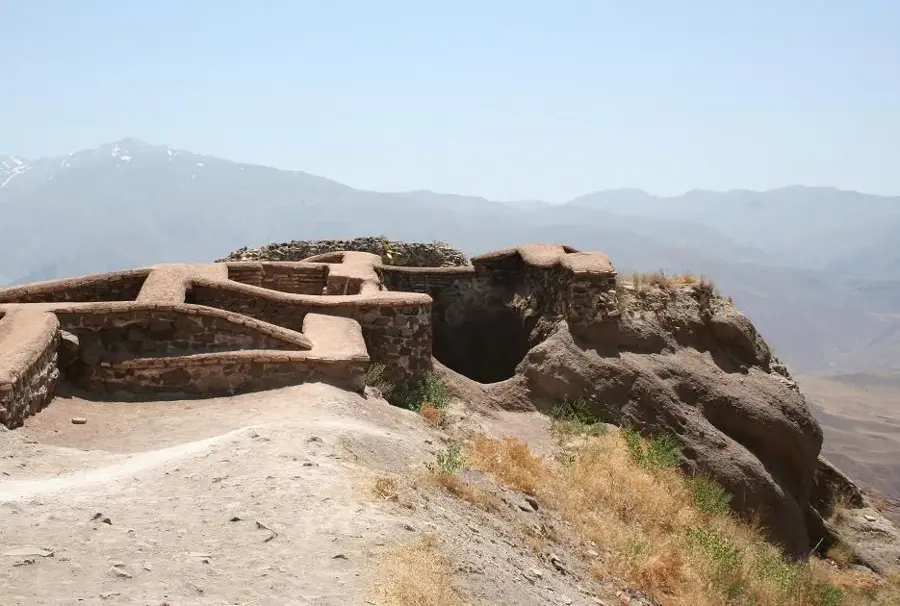
These ancient ruins on a rocky hilltop were once part of the Parthian-era fortifications of ancient Rey.

Catholic Armenian Church⛪ religious

This Armenian Catholic place of worship serves the local Christian community with its traditional religious architecture.

Saint Thaddeus Church⛪ religious

Located on the edge of the bazaar, this 18th-century historic Armenian church is one of the oldest in the city.

Simorgh park🌳 park

This neighborhood green space provides a modern playground and walking paths for local residents.

Sights nearby

Frequently asked questions

Where is the Golestan Palace located?
In the heart of Tehran, near the Grand Bazaar, easily accessible by metro (Panzdah-e Khordad station).
Do you have to pay extra for each building?
Yes, there is a base ticket for the garden and separate add-on tickets for the various museums and halls.
Is there a dress code?
General Iranian rules apply: headscarf for women, long trousers for men.
Is photography allowed inside?
In most ceremonial halls, photography without flash is allowed, but it is strictly forbidden in some museums.
What is the highlight of the palace?
The Talar-e Ayeneh (Hall of Mirrors) with its striking mirror mosaics is the most famous room.
Golestan Palace: where is it located?
Golestan Palace is located in Iran.
Golestan Palace: what is there to see?
Highlights include Eshrat Abad Kolah Farangi Museum, Farahabad Palace, Abyaz Palace.
Golestan Palace: when is the best time to visit?
The most pleasant time to visit is May, Sep, Oct.
Golestan Palace: why is it worth visiting?

The Golestan Palace in Tehran is a masterpiece of the Qajar era, showcasing the successful integration of traditional Persian craftsmanship with Western architectural elements.
View on map → The Top 50 Attractions → OpenStreetMap →
Asia
Explore with Plizio Discover more places in Asia
More places in Iran →

More places