Plizio Visual Lab

Dholavira
Plizio editorial teamData Sources
ruin
—°7
Dholavira (India)

Weather…

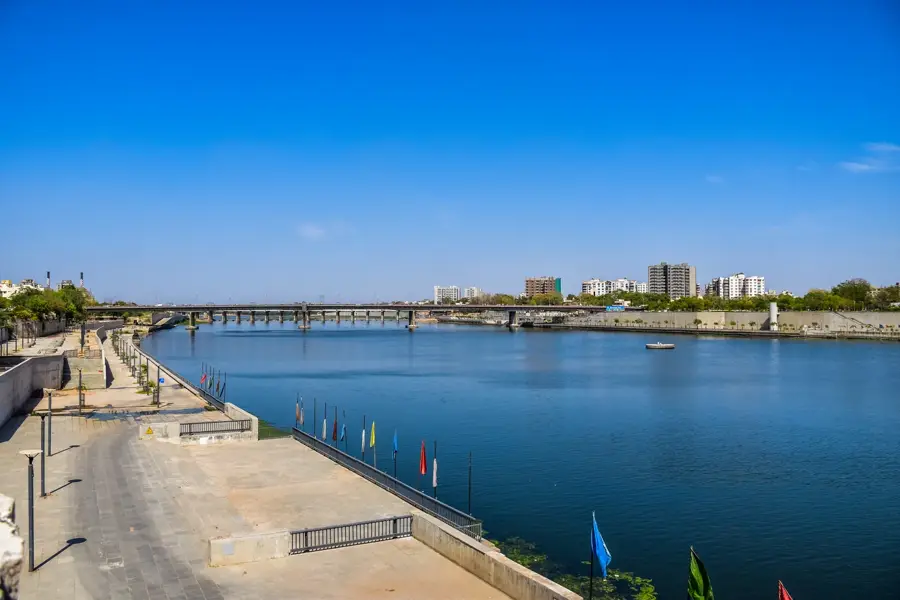
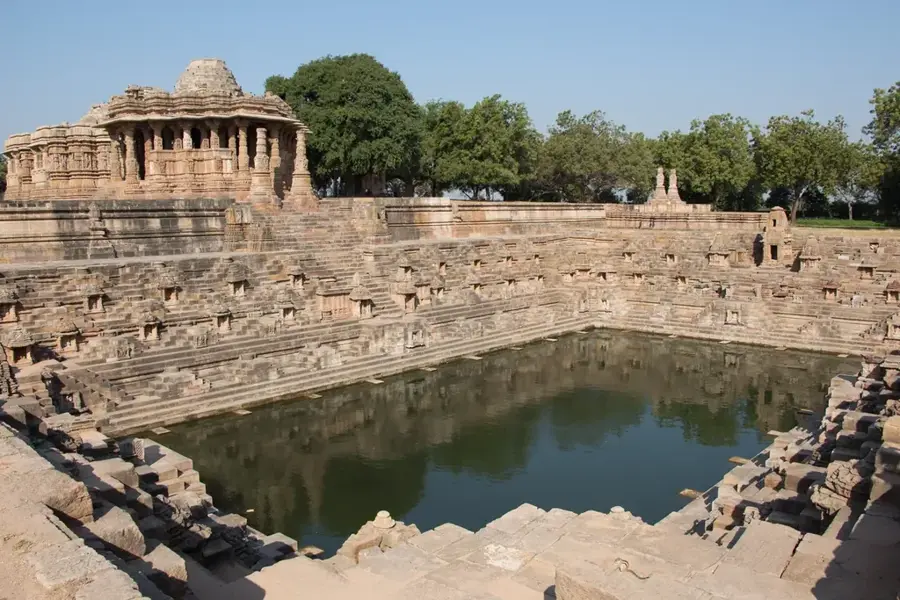
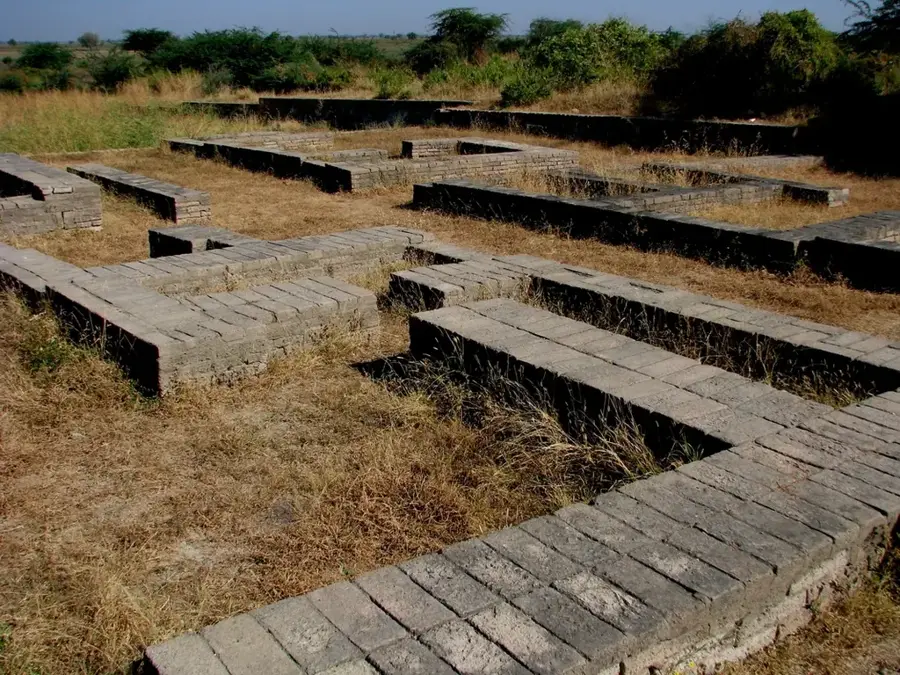
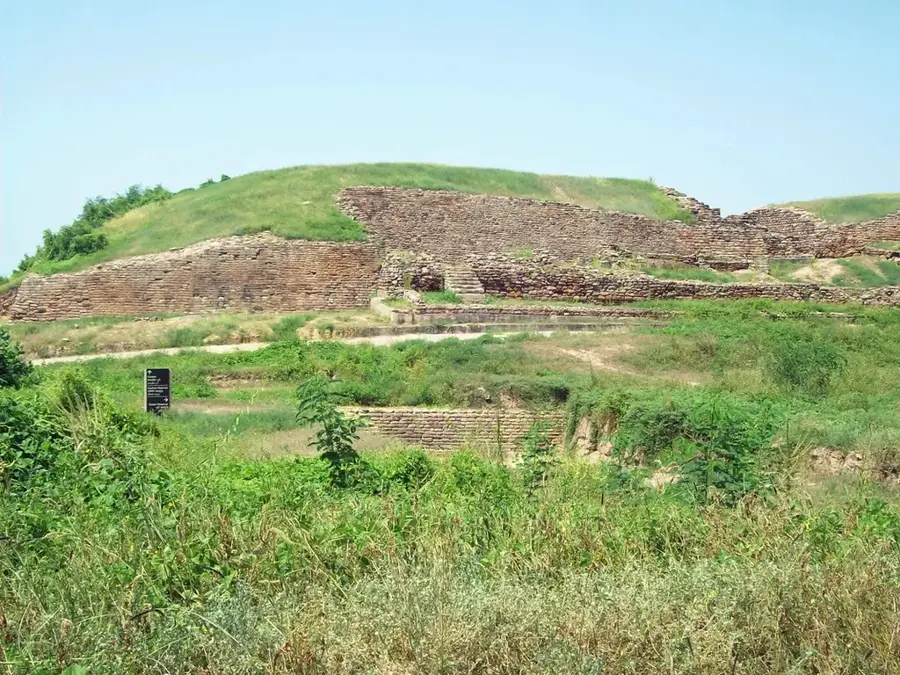
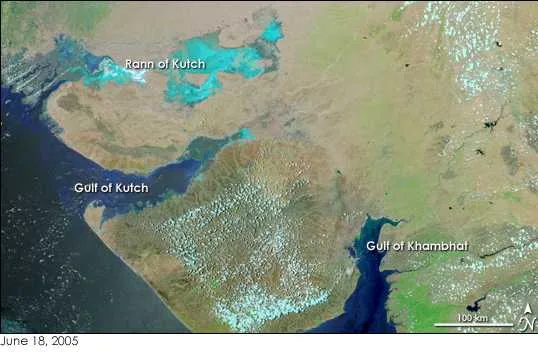
Dholavira is a premier archaeological site of the Indus Valley Civilization, located in the Kutch district of Gujarat. Situated on Khadir Bet island in the Great Rann of Kutch, the city thrived between 2650 and 1450 BCE as a major commercial hub. It is distinguished by its highly advanced water management system, featuring massive stone-cut reservoirs designed to store rainwater in an arid environment. The site reveals a unique tripartite city layout comprising the Citadel, Middle Town, and Lower Town, reinforced by formidable fortifications. Notable finds include a signboard with ten large Indus script characters, providing critical evidence for ancient literacy. In 2021, Dholavira was inscribed as a UNESCO World Heritage Site, recognized for its exceptional contributions to understanding Bronze Age urban planning and hydraulic engineering.

Best time to visit & climate

The most pleasant time to visit is Jan, Feb, Dec.

JanFebMarAprMayJunJulAugSepOctNovDec
Avg °C192227323434323030292520
Rain mm212223212613770862

📋 Practical info

🚪
Visiting
This immense archaeological wonder is open to those willing to make the journey, allowing visitors to deeply walk through ancient excavated ruins, including intricate water reservoirs. Exploring is entirely outdoors, exposing guests directly to the stark, sun-baked landscape.
🕒
Typical hours
The site is usually accessible from sunrise to sunset, predictably offering the best natural light and tolerable temperatures during the early morning or late afternoon hours. During the intense summer months, midday visits are highly not recommended due to extreme heat.
📷
Photography
Photography is widely permitted throughout the sprawling ruins, thoroughly great for capturing the stark geometric layouts of the ancient Indus Valley metropolis. Wide-angle lenses are particularly useful to easily encompass the immense scale of the ancient water management system.
⏱️
Time needed
Devote at least three to four hours to fully appreciate the distinctly complex architecture, the museum displaying artifacts, and the sheer vastness of the lower and middle towns. Travel time to reach this remote corner of Gujarat also necessitates making this a full-day commitment.
Combine with
The journey to Dholavira seamlessly pairs with witnessing the mesmerizing expanse of the Great Rann of Kutch white salt desert, especially during the lively winter festival season. Nearby fossil parks also gracefully offer an additional glimpse into the region's prehistoric past.
🧭
Getting there
Reaching the site invariably involves a long drive from Bhuj across a narrow land strip entirely surrounded by the stark salt flats. Hiring a sturdy taxi or having your own highly reliable vehicle is completely mandatory, as public transportation options to the site are virtually nonexistent.
💡
Insider tip
Bring substantial sun protection, including wide-brimmed hats and strong sunscreen, along with plenty of snacks and drinking water, as facilities around the site are quite rudimentary. Engaging a knowledgeable local guide immensely enriches the deep understanding of the unlabelled ruins.

Geography

Coordinates
23.88600, 70.21300

Facts

  • Excavations at the site began in 1990 led by archaeologist R. S. Bisht.
  • The urban area of Dholavira covers approximately 100 hectares.
  • Archaeologists have identified 16 large water reservoirs at the site.
  • The famous 'signboard' features 10 distinct Indus script characters.
  • The city was inhabited for a period of about 1,200 years.
  • It was designated a UNESCO World Heritage Site on July 27, 2021.

Explore nearby

Notable places around
Route planner — Car & Motorhome

Where do you start? We build the route here, with stops and country notes along the way.

Vehicle
Only stops with (optional):

© OpenStreetMap contributors · OpenRouteService

Sights in the town Dholavira (7)

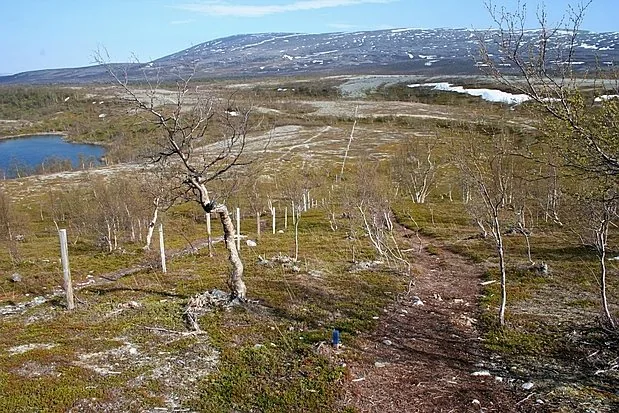
Fossil Trees📍 landmark

Prehistoric petrified tree trunks lie in the barren landscape of Kutch.

Pakistan view🌿 nature

This viewpoint features a vast gaze across the Rann of Kutch salt flats toward the border.

Dholavira Museum🏛 museum

The museum displays Harappan artifacts and jewelry from the nearby Indus Valley site.

Dholavira📍 landmark

A major Indus Valley Civilization city known for its advanced water management systems.

Castle🏺 historical

The ruins of the elevated citadel once formed the center of the Harappan city.

South Reservoirs🏺 historical

These massive rock-cut basins were once used to collect and store rainwater.

Kutch Fossil Park📍 landmark

The park features diverse fossils, including ammonites and wood from the Jurassic era.

Sights nearby

Frequently asked questions

What is special about Dholavira?
It is one of the most prominent Indus Valley Civilization sites, known for its sophisticated water management system.
Where exactly is Dholavira located?
It is located on Khadir Bet island in the Rann of Kutch, in the state of Gujarat.
How much time should be allocated for the visit?
Plan for at least 3 to 4 hours to see the extensive excavations and the site museum.
Is there accommodation nearby?
There are basic guesthouses and the government-run 'Toran Tourist Complex' right in Dholavira.
When is the best time to visit?
From November to February, when temperatures are manageable for exploring the open site.
Dholavira: where is it located?
Dholavira is located in India.
Dholavira: what is there to see?
Highlights include Fossil Trees, Pakistan view, Dholavira Museum.
Dholavira: when is the best time to visit?
The most pleasant time to visit is Jan, Feb, Dec.
Dholavira: why is it worth visiting?
Dholavira is a premier archaeological site of the Indus Valley Civilization, located in the Kutch district of Gujarat.
View on map → The Top 50 Attractions → OpenStreetMap →
Asia
Explore with Plizio Discover more places in Asia
More places in India →

Nearby cities

History & landmarks
Nature
More places