Plizio Visual Lab

Mývatn
Plizio editorial teamData Sources
Lake
—°4
Mývatn (Iceland)

Weather…

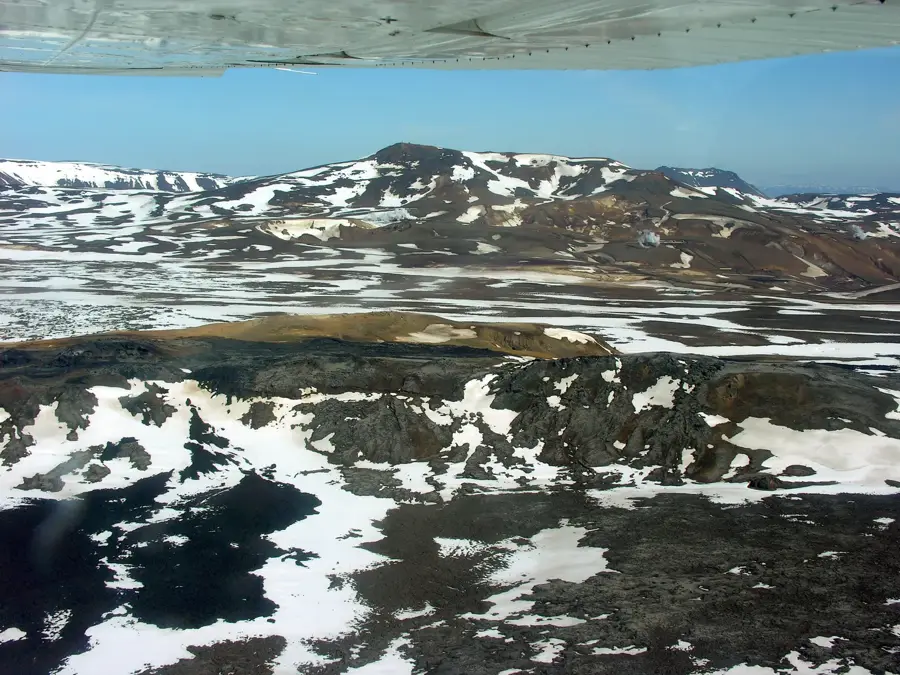
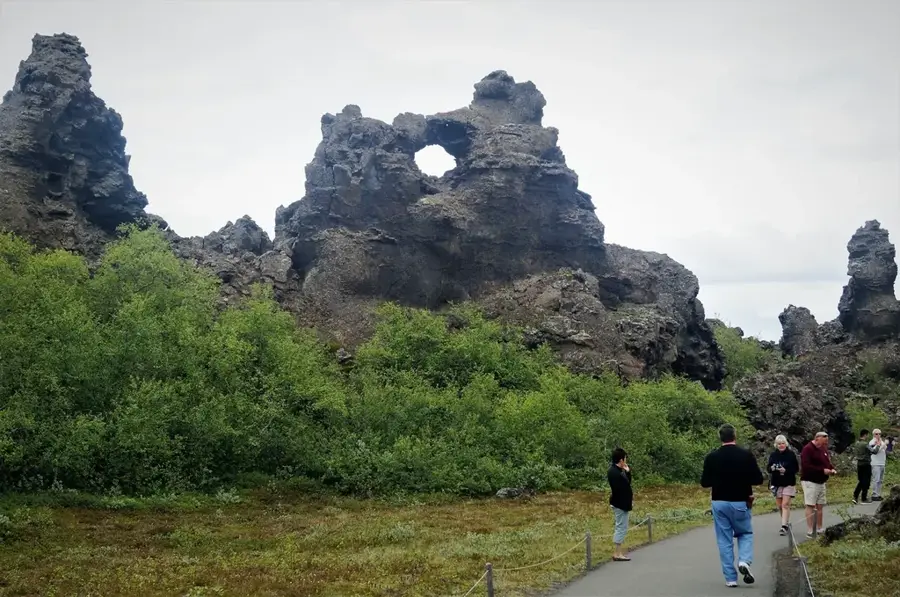
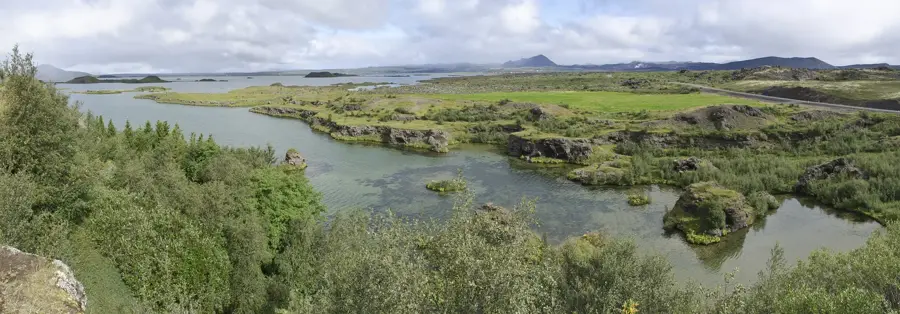
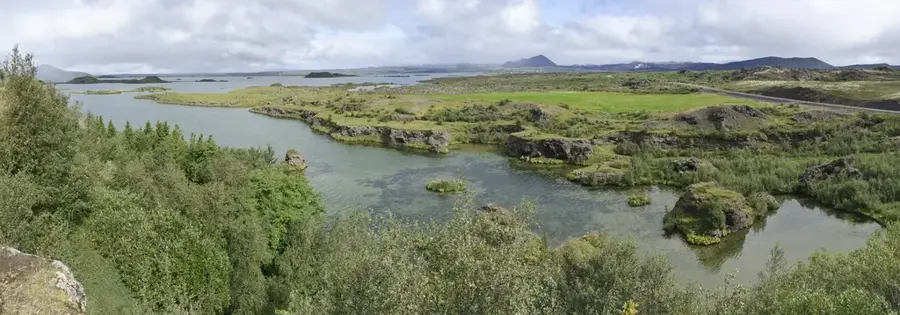
Mývatn is a shallow, nutrient-rich lake in northern Iceland, situated in an area of extreme volcanic activity. The lake was formed approximately 2,300 years ago by a massive basaltic lava eruption and covers an area of about 37 square kilometers. Its name literally translates to Midge Lake, referring to the vast swarms of midges that appear in summer, providing a vital food source for the local bird population. The region is world-renowned for its biodiversity, particularly for the wide variety of duck species that breed there. Geologically, the surroundings are extraordinary, featuring the pseudocraters at Skútustaðir, the eerie lava formations at Dimmuborgir, and the bubbling mud pots of the nearby Hverir geothermal area. The lake's average depth is only 2.5 meters, which allows the water to warm quickly and supports abundant aquatic life. Mývatn is a key stop on the Diamond Circle sightseeing route and a major hub for tourism and geothermal energy in the north.

Best time to visit & climate

The most pleasant time to visit is Jun–Aug.

JanFebMarAprMayJunJulAugSepOctNovDec
Avg °C-6-6-5-315653-1-4-6
Rain mm836877687158788310610510196

📋 Practical info

🧭
Getting there
The lake is typically easily accessible via well-maintained main roads that encircle or run close to the shoreline. Numerous viewpoints and short walking trails can be directly reached from the primary paved routes.
📅
Best season
Summer months offer the best opportunity to observe the diverse birdlife and spirited vegetation around the water. Winter transforms the area into a quiet, frozen landscape, well-suited for seeing the northern lights under clear skies.
⛰️
Terrain & paths
The surrounding landscape features generally flat or gently rolling walking paths made of compacted dirt or boardwalks. Some sections may navigate through fascinating but uneven lava fields, requiring a moderate level of attention.
🎒
What to bring
Comfortable walking shoes are usually sufficient for the main trails, but waterproof boots are recommended for venturing near the wetland areas. In summer, insect repellent and a specialized head net are indispensable against dense midge swarms.
🅿️
Parking
Ample parking is generally available at designated visitor centers and scattered lookout points around the perimeter. These lots can fill up quickly during the peak tourist season, so arriving earlier in the day is always a good strategy.
⚠️
Safety
Stay strictly on the marked paths to protect the fragile geothermal and wetland ecosystems from permanent damage. The water temperature and depth can vary wildly, making swimming prohibited unless specifically indicated otherwise at managed baths.
⏱️
Time needed
A leisurely drive around the lake with frequent stops at major viewpoints takes around two to three hours. Nature enthusiasts should dedicate at least half a day to fully explore the diverse hiking paths and observe the local bird species in detail.

Geography

Coordinates
65.60390, -17.00030

Facts

  • Area of 37 square km
  • Formed about 2,300 years ago
  • Average depth of 2.5 meters
  • Famous for diverse duck species
  • Features pseudocraters at Skútustaðir
  • Part of the Diamond Circle route

Explore nearby

Notable places around
Route planner — Car & Motorhome

Where do you start? We build the route here, with stops and country notes along the way.

Vehicle
Only stops with (optional):

© OpenStreetMap contributors · OpenRouteService

Sights in the town Mývatn (4)

Vindbelgjarfjall📍 landmark

A prominent peak offering a wide panoramic view over Lake Mývatn.

Ytri Kleifarhóll📍 landmark

A natural attraction in the volcanic landscape of Mývatn.

Hamarshólar📍 landmark

Hamarshólar, a cluster of pseudocraters near Lake Mývatn.

Skútustaðagígar🏺 historical

The famous pseudocraters of Skútustaðir on the southern shore of Lake Mývatn.

Sights nearby

Frequently asked questions

What does the name Mývatn mean?
It means 'Midge Lake' because of the many midges in summer.
What are pseudocraters?
Crater-like forms created by steam explosions under lava.
Are there thermal baths?
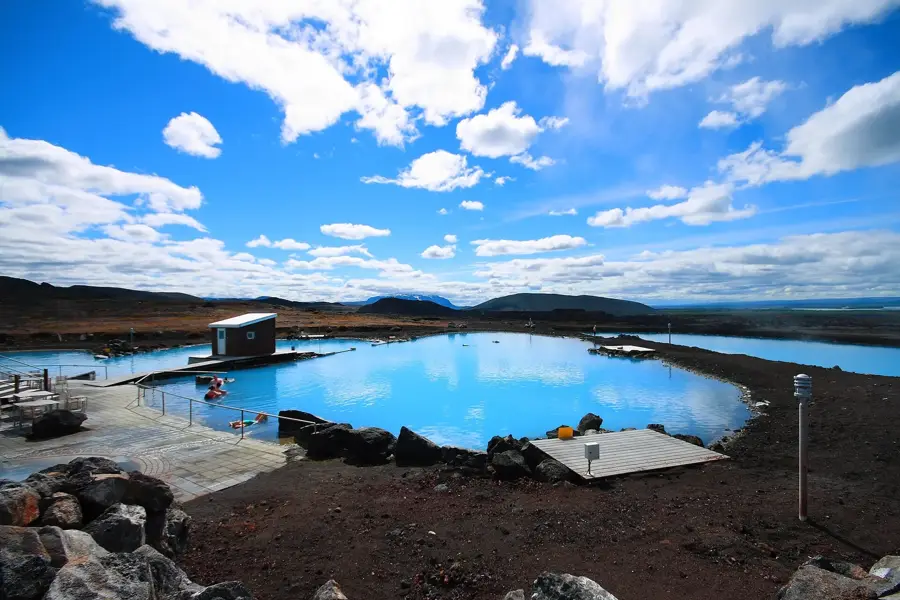
Yes, the Mývatn Nature Bath is a popular alternative to the Blue Lagoon.
Can you go birdwatching there?
Yes, the lake is one of the most important breeding grounds for ducks worldwide.
What is Dimmuborgir?
An area of bizarre lava formations located near the lake.
Mývatn: where is it located?
Mývatn is located in Iceland.
Mývatn: what is there to see?
Highlights include Vindbelgjarfjall, Ytri Kleifarhóll, Hamarshólar.
Mývatn: when is the best time to visit?
The most pleasant time to visit is Jun, Aug.
Mývatn: why is it worth visiting?
Mývatn is a shallow, nutrient-rich lake in northern Iceland, situated in an area of extreme volcanic activity.
View on map → The Top 50 Attractions → OpenStreetMap →
Europe
Explore with Plizio Discover more places in Europe
More places in Iceland →

Nearby cities

History & landmarks
Nature

More places