Plizio Visual Lab
Hofstaðir Ruins
Weather…
Water temperature…
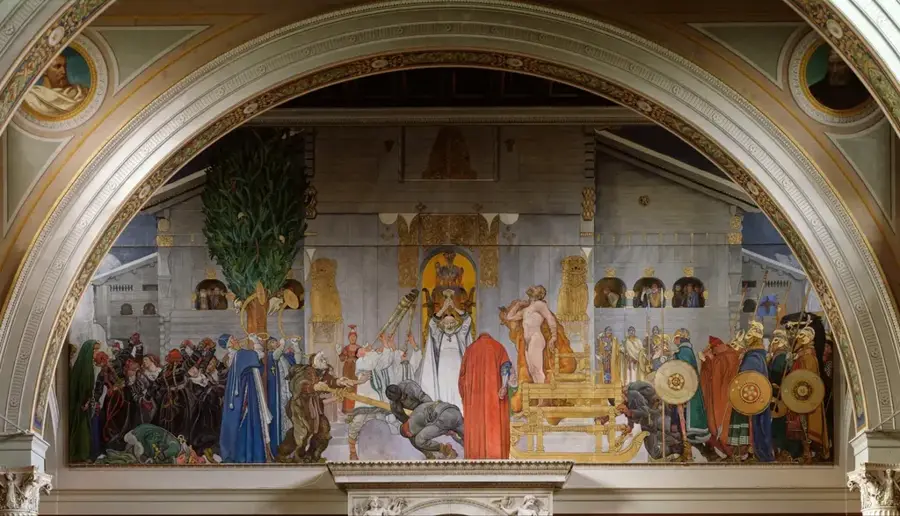
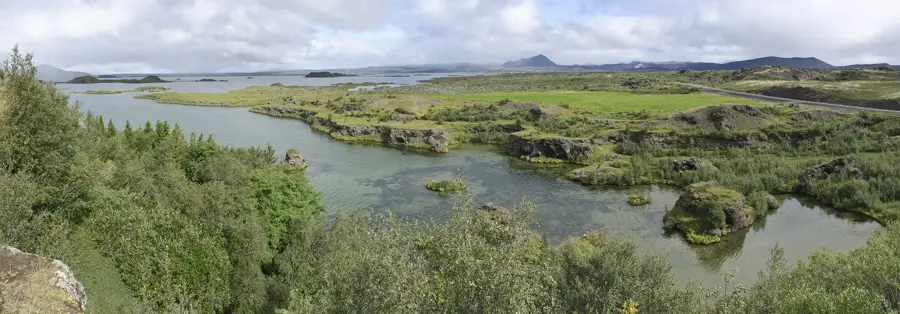
Hofstaðir in Mývatnssveit is one of the most significant archaeological sites from the Viking Age in Iceland. Excavations have uncovered the remains of a massive longhouse, measuring approximately 42 meters in length, which is one of the largest structures of its kind ever found in the North Atlantic. The site is particularly famous for its association with pagan rituals, as evidenced by the discovery of numerous animal skulls, primarily cattle, which appear to have been sacrificed. Researchers believe Hofstaðir served as a high-status residence and a center for communal feasts and religious gatherings during the 10th and 11th centuries. The architectural layout includes a large hall, several smaller rooms, and outbuildings, providing valuable insights into early settlement life and social structure. Today, the ruins are protected as a cultural heritage site, attracting visitors interested in Iceland's medieval history and Norse archaeology.
- Location: Iceland
- Nearby: Lake Mývatn (24 km)
Best time to visit & climate
The most pleasant time to visit is Jun–Aug.
| Jan | Feb | Mar | Apr | May | Jun | Jul | Aug | Sep | Oct | Nov | Dec | |
|---|---|---|---|---|---|---|---|---|---|---|---|---|
| Avg °C | -6 | -6 | -5 | -3 | 0 | 5 | 7 | 6 | 3 | -2 | -5 | -6 |
| Rain mm | 101 | 86 | 93 | 80 | 82 | 67 | 92 | 97 | 120 | 124 | 118 | 113 |
📋 Practical info
Geography
Facts
- The longhouse measured 42 meters in length
- 23 cattle skulls were discovered during excavations
- The site dates back to the period between 950 and 1070 AD
- First archaeological excavations began in 1908
- Located in the Mývatnssveit district of North Iceland
- Identified as a major ritual and social center for the region
Explore nearby
Notable places around
Route planner — Car & Motorhome
Where do you start? We build the route here, with stops and country notes along the way.
© OpenStreetMap contributors · OpenRouteService
Sights nearby
Frequently asked questions
Where is Hofstaðir located in Mjóifjörður?
What kind of ruins are found there?
Is the journey to Mjóifjörður difficult?
What is special about Mjóifjörður?
Are there accommodations nearby?
Hofstaðir Ruins: where is it located?
Hofstaðir Ruins: when is the best time to visit?
Hofstaðir Ruins: why is it worth visiting?

Nearby cities
History & landmarks
Nature
More places