Plizio Visual Lab

Mount Agrafa
Plizio editorial teamData Sources
Mountain
—°1
Mount Agrafa (Greece)

Weather…

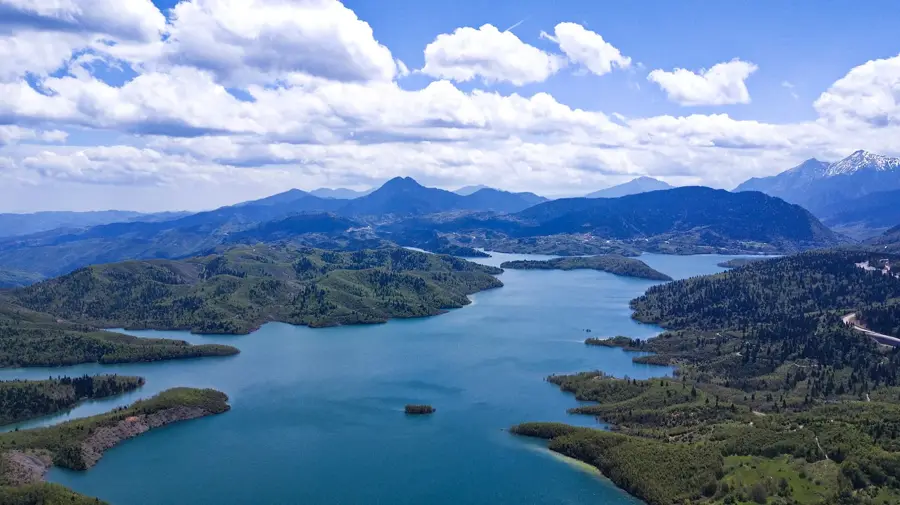
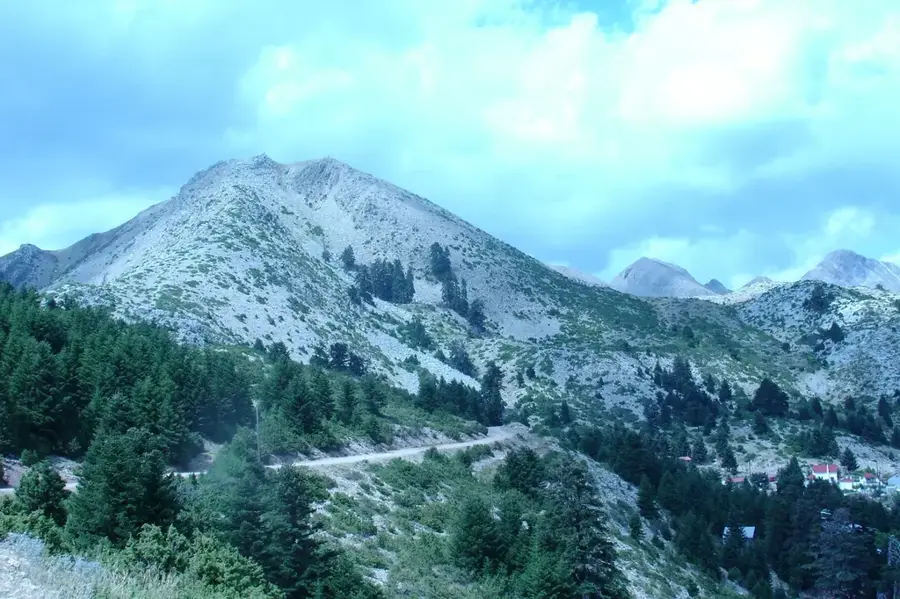
Agrafa is a rugged and remote mountain range in the central Pindus system, spanning the regional units of Evrytania and Karditsa. Its highest peak, Karava, rises to 2,184 meters, making it part of one of the most inaccessible regions in Greece. The name 'Agrafa' literally translates to 'unwritten,' a reference to the fact that the region was so isolated and defiant that it was omitted from Ottoman tax registers. Geologically, the area is defined by sharp ridges, deep ravines, and a mix of limestone and flysch formations. Throughout history, Agrafa has been a stronghold for Greek resistance movements, from the War of Independence to World War II. In the 1950s, the creation of the artificial Lake Plastiras on its eastern fringes significantly altered the local geography. Today, Agrafa attracts adventure travelers seeking pristine wilderness and traditional villages that have remained largely unchanged by modern development.

Best time to visit & climate

The most pleasant time to visit is May, Jun, Sep.

JanFebMarAprMayJunJulAugSepOctNovDec
Avg °C56913182327272116117
Rain mm101817244372218196892108127

📋 Practical info

🧭
Getting there
This exceptionally remote region is best accessed via rugged, unpaved mountain roads starting from Karditsa or Karpenisi. A reliable high-clearance 4x4 vehicle is strongly recommended to navigate deep into this southern section of the Pindus.
📅
Best season
Summer and early autumn generally provide the safest and most reliable conditions to navigate the unpaved high-altitude mountain passes. Heavy winter snows typically make the deeply rugged terrain completely inaccessible for several months.
⛰️
Terrain & paths
The landscape is famously rugged and steeply pitched, featuring remarkably deep gorges, dense native forests, and challenging alpine terrain. Hiking here strictly requires excellent physical conditioning and confident map-reading and navigation skills.
🎒
What to bring
Comprehensive wilderness trekking equipment, a reliable handheld GPS, and detailed topographical maps are absolutely essential here. Visitors must bring all necessary food and emergency water, as basic amenities in these isolated villages are extremely rare.
🅿️
Parking
Parking is generally informal and can usually be found in the small, widely scattered mountain villages or along wider dirt road sections. Always ensure your vehicle is completely clear of the narrow mountain passes frequently used by local shepherds.
⚠️
Safety
Cellular reception is highly unreliable or non-existent in these remote valleys, making absolute self-sufficiency crucial for survival. Flash floods in the deep gorges and sudden violent thunderstorms on the high peaks pose extremely realistic dangers.
⏱️
Time needed
Due to the exceptionally difficult access, a basic visit usually requires at least one long, demanding full day. Many prepared adventurers choose to spend several days remote trekking, as simply driving deep into this historically autonomous region takes hours.

Geography

Coordinates
39.14170, 21.65280

Facts

  • The highest summit, Karava, reaches 2,184 meters.
  • The range includes over 70 peaks exceeding 2,000 meters in height.
  • Lake Plastiras was formed in 1959 by damming the Tavropos River.
  • The region maintained a de facto autonomy during the Ottoman rule.
  • The Agrafiotis River flows through the center of the massif.
  • Access to many villages remains challenging due to the steep terrain.

Explore nearby

Notable places around
Route planner — Car & Motorhome

Where do you start? We build the route here, with stops and country notes along the way.

Vehicle
Only stops with (optional):

© OpenStreetMap contributors · OpenRouteService

Sights in the town Mount Agrafa (1)

Agrafa bridge📍 landmark

A bridge in the Agrafa mountains that serves as a local attraction.

Sights nearby

Frequently asked questions

Why is the mountain range called 'Agrafa'?
The name means 'the unwritten,' as the region was not recorded for taxes due to its inaccessibility.
Where is this region located?
In the southern Pindus mountains, spread across the Evrytania and Karditsa regional units.
What is the biggest attraction nearby?
Lake Plastira, a beautiful reservoir often referred to as 'Greek Switzerland.'
What is the terrain like?
Extremely rugged, with deep gorges and high peaks, well-suited for wilderness trekking.
Are the roads good?
Many roads are narrow, winding, and partly unpaved; caution is advised.
Mount Agrafa: where is it located?
Mount Agrafa is located in Greece.
Mount Agrafa: when is the best time to visit?
The most pleasant time to visit is May, Jun, Sep.
Mount Agrafa: why is it worth visiting?

Agrafa is a rugged and remote mountain range in the central Pindus system, spanning the regional units of Evrytania and Karditsa.
View on map → The Top 50 Attractions → Most beautiful beaches → OpenStreetMap →
Europe
Explore with Plizio Discover more places in Europe
More places in Greece →

Nearby cities

History & landmarks

More places