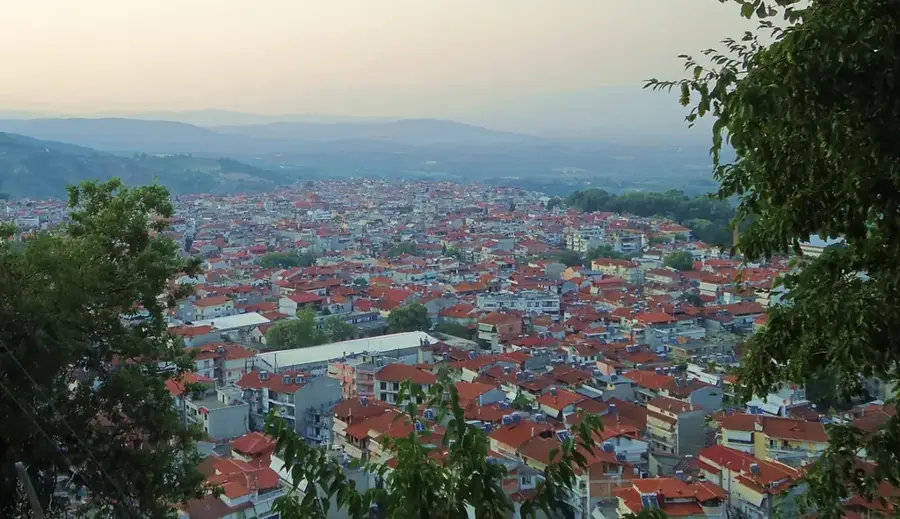
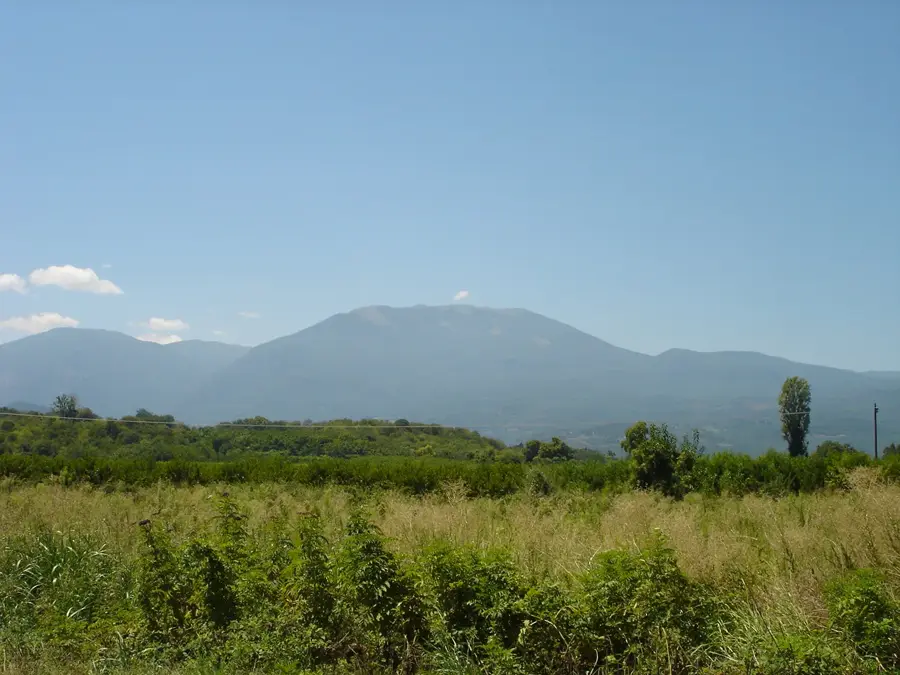
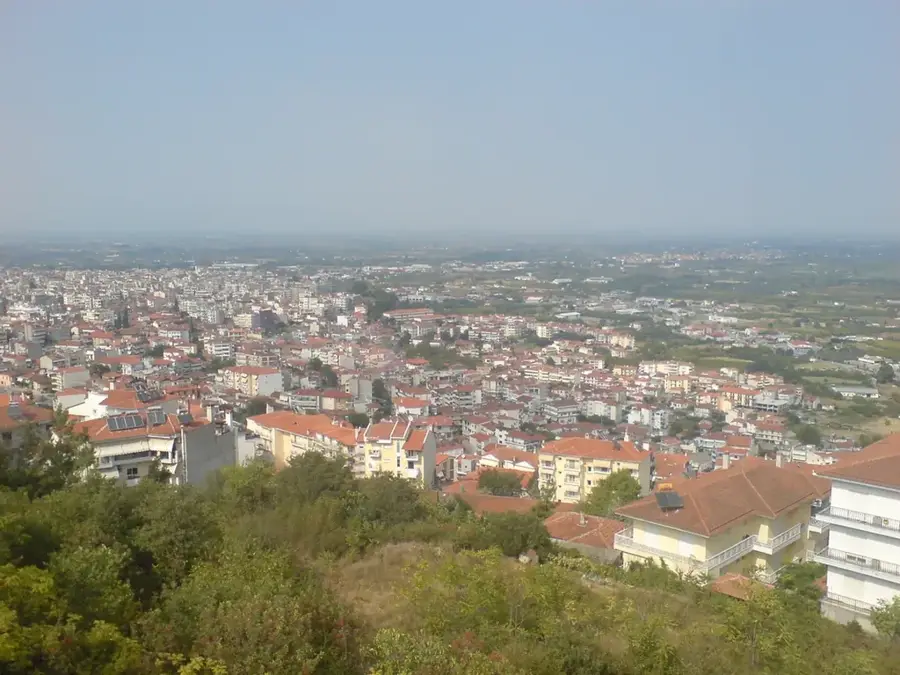
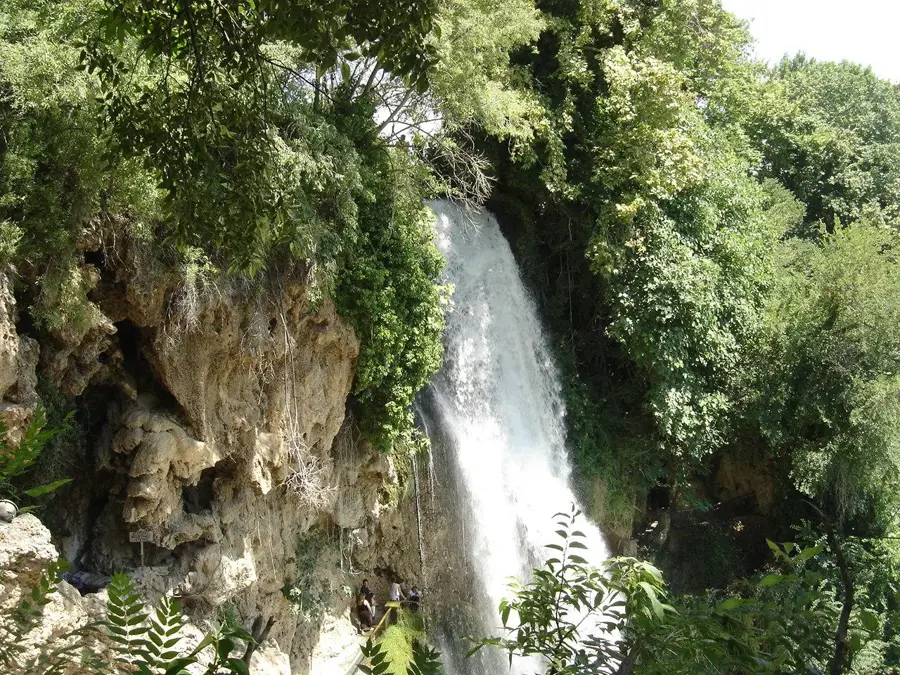
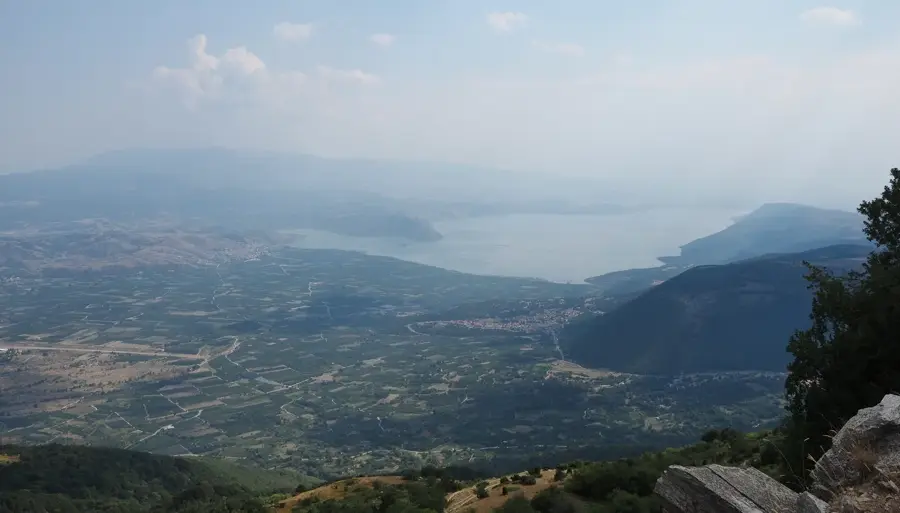
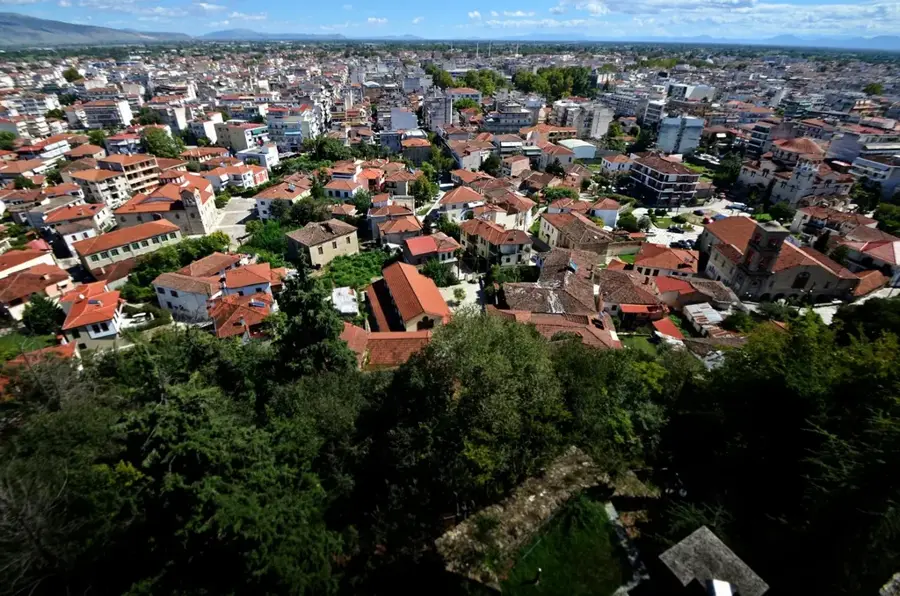
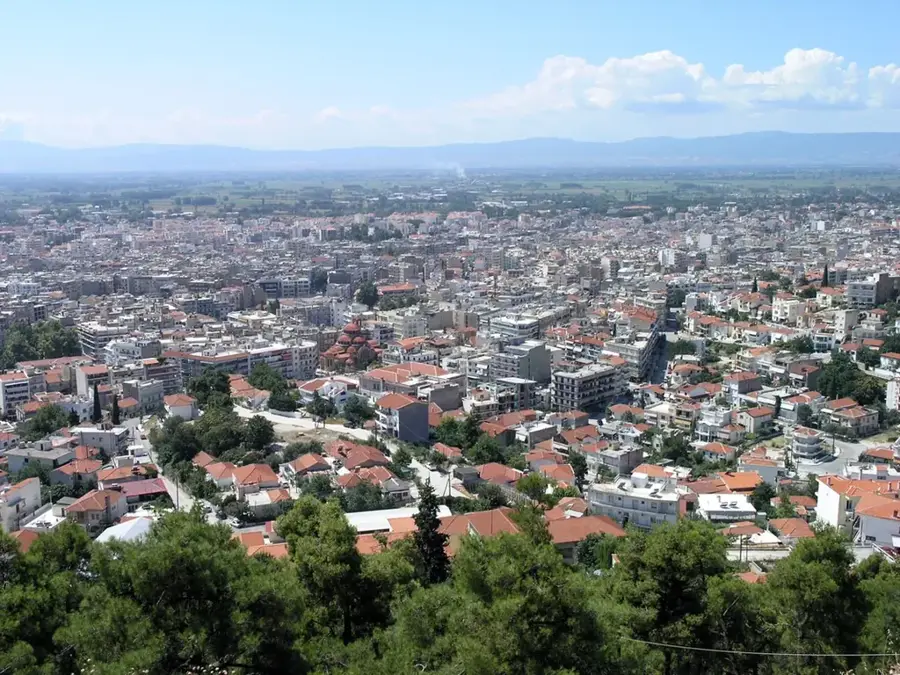
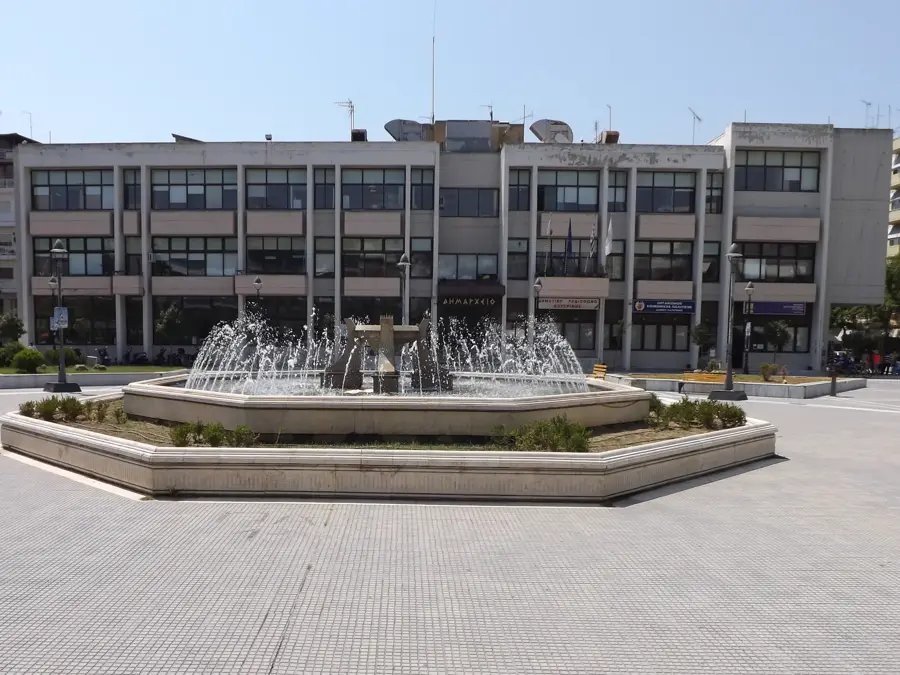
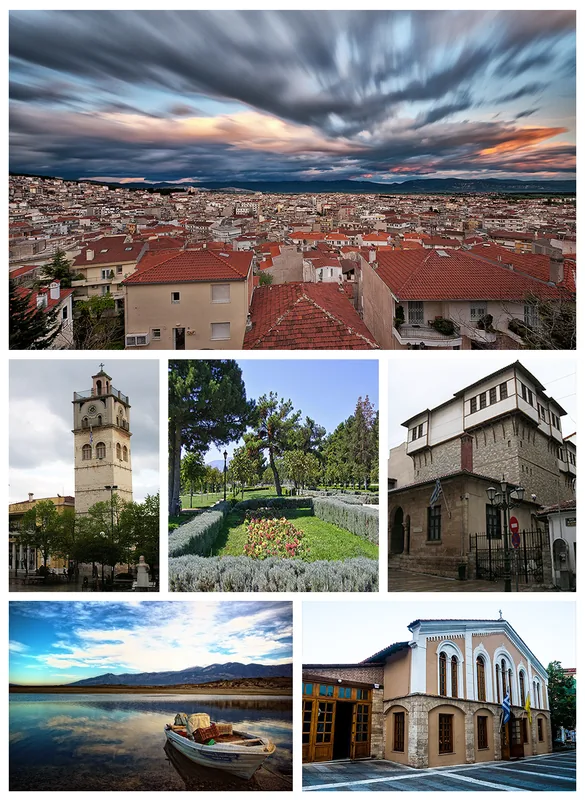
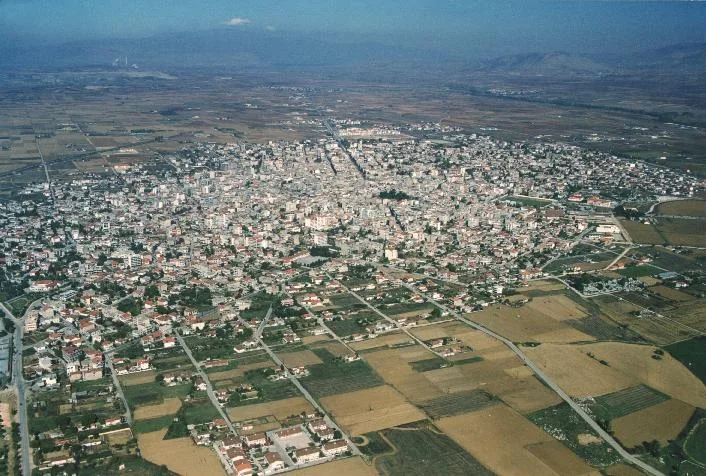
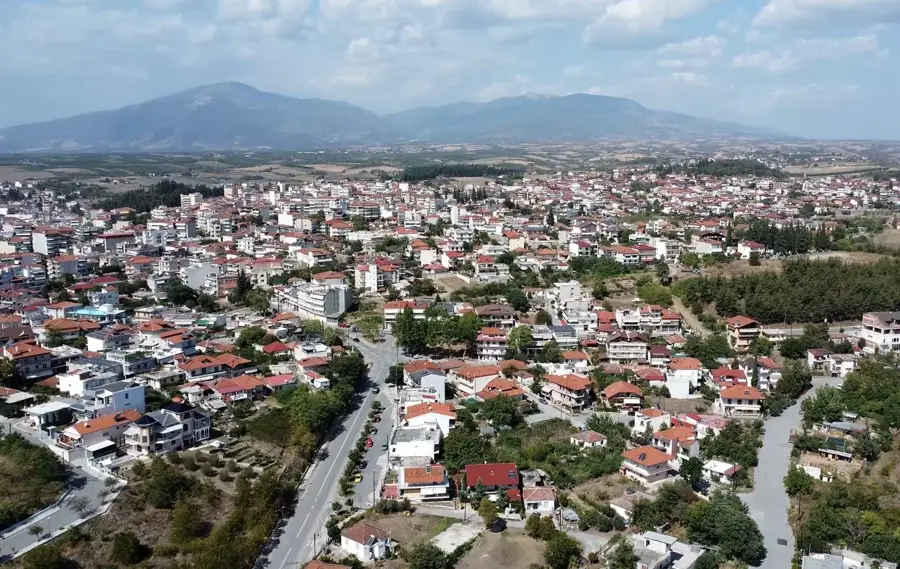
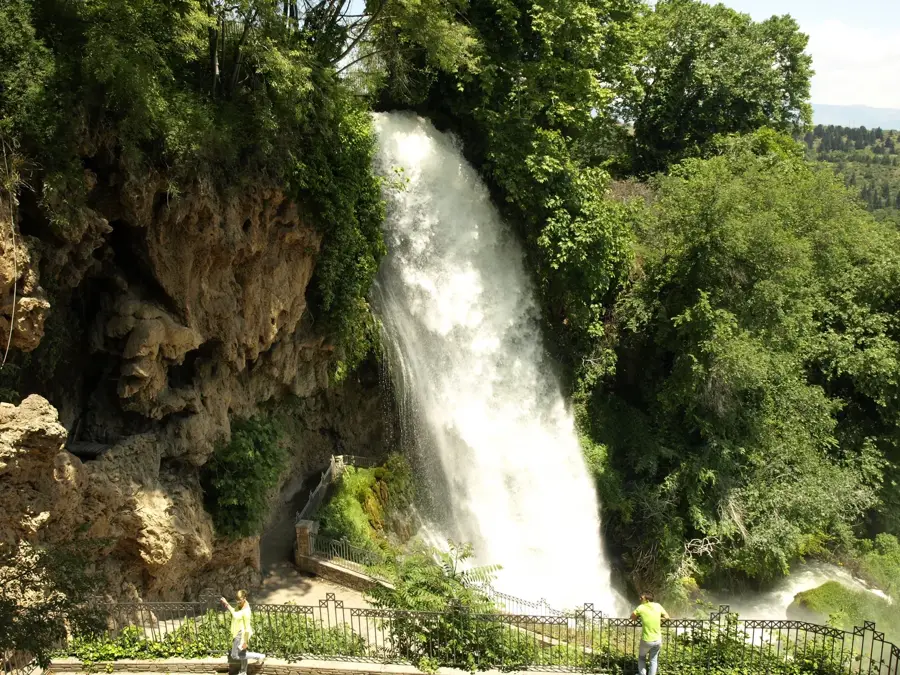
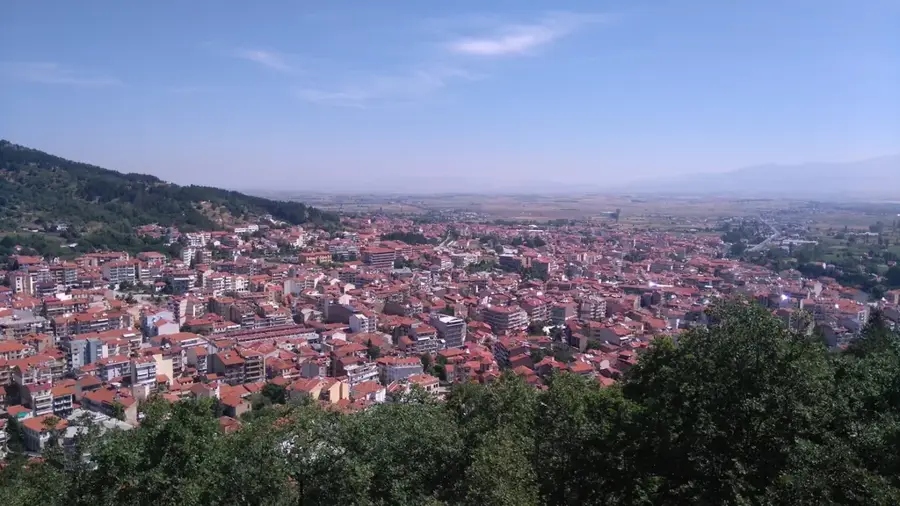
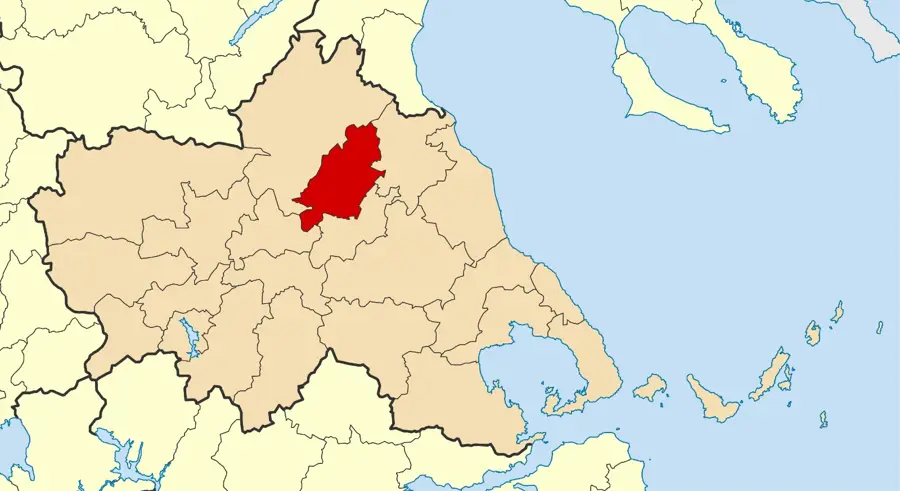
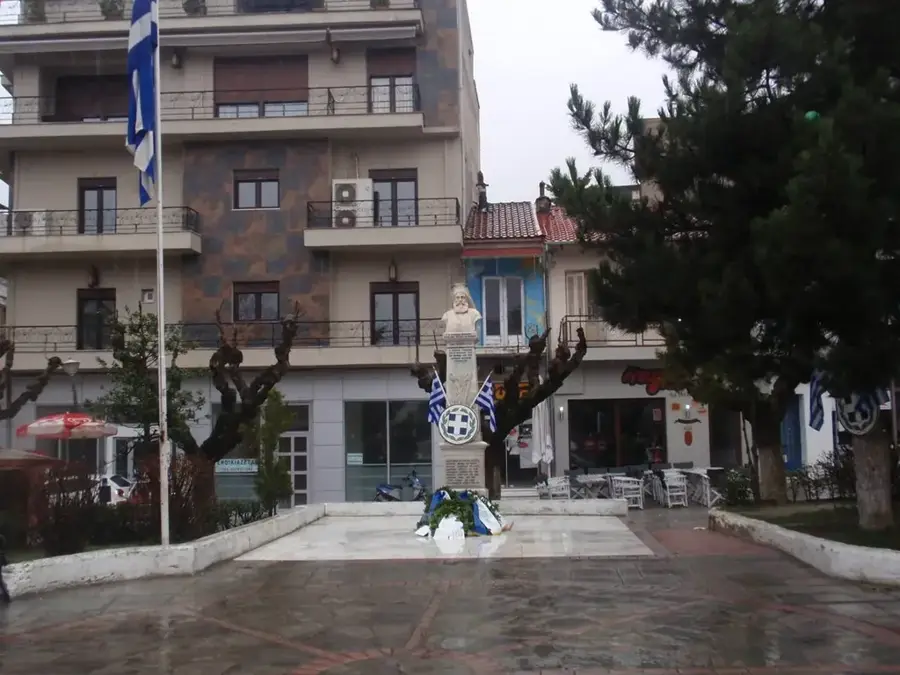
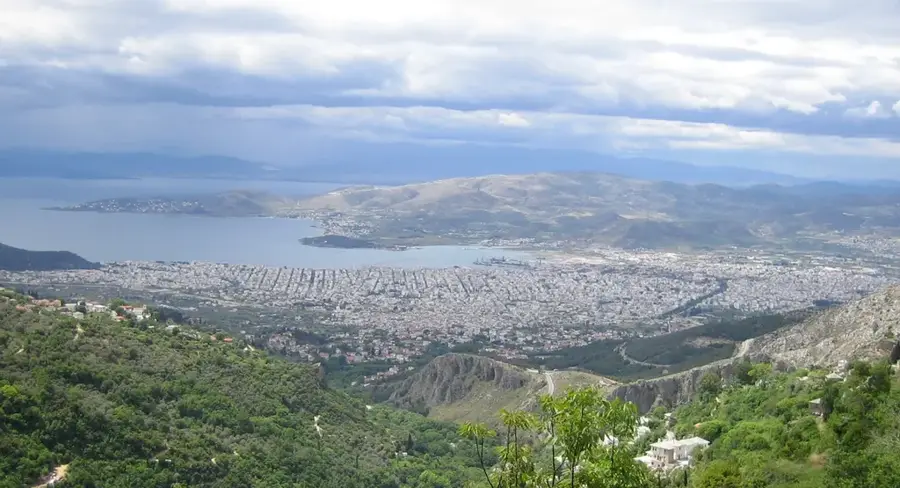
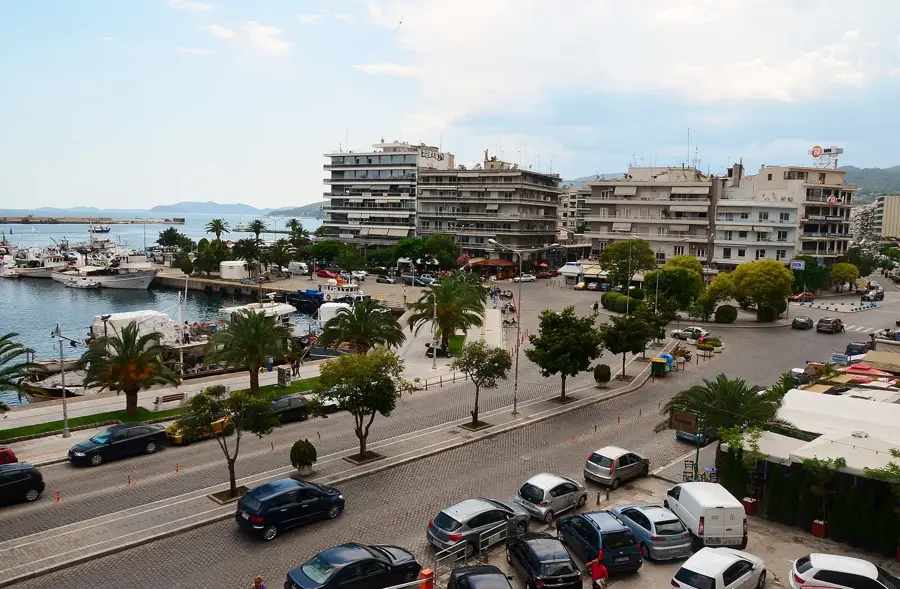
Naoussa is perched on the eastern slopes of Mount Vermio in Central Macedonia, celebrated for its natural beauty, long-standing wine tradition, and heroic history. The Arapitsa River flows through the city, creating pretty waterfalls in the municipal park. Naoussa holds the title of "Heroic City" in remembrance of the 1822 uprising against the Ottomans, during which the town's women famously chose death in the waterfalls over captivity. Today, the region is one of Greece's premier wine-producing areas, renowned for the Xinomavro red grape variety, which enjoys a Protected Designation of Origin status. In addition to viticulture, the town is a significant center for fruit production, particularly peaches and apples. The blend of traditional architecture, the industrial legacy of its former textile mills, and proximity to Vermio's ski resorts make Naoussa a versatile year-round destination.
Location: Greece
Top sights: Mieza Nymphaion · Therino Dimotiko Theatro Naoysas «Melina Merkoyri» · Mieza Roman villa
Nearby: Veria (17 km)
Population: ~19.887
Best time to visit & climate
The most pleasant time to visit is Jun–Aug.
Jan
Feb
Mar
Apr
May
Jun
Jul
Aug
Sep
Oct
Nov
Dec
Avg °C
1
2
6
10
16
21
24
24
18
13
7
2
Rain mm
46
43
48
44
51
41
32
30
52
58
50
63
Live webcam – Naoussa
See what it looks like near Naoussa right now.
Naoussa › South-west · 0.1 km · Open webcam on Windy · Webcams provided by Windy.com
Geography
Population
19,887
Coordinates
40.63000, 22.07000
Facts
Naoussa was granted the title of 'Heroic City' by royal decree in 1955.
The Xinomavro grape variety is cultivated across more than 500 hectares in the area.
The Arapitsa River is one of the few in Greece that originates within a city's limits.
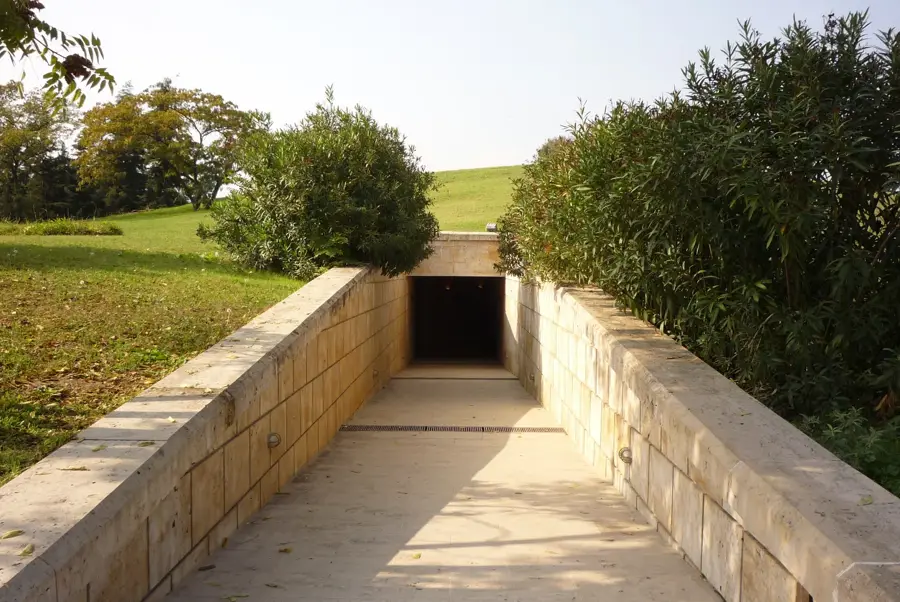
The School of Aristotle at Mieza is located in the city's immediate surroundings.
The Monument of the Women of Naoussa marks the site of the 1822 sacrifice.
In the 19th century, Naoussa was known as the 'Manchester of the Balkans' for its textile industry.
Pick weather + travel mode, get a concrete day plan.
09:00→16:484 km walk7 places0/7
Day budget: ≈ 22–30 €Entries 26€ · Transport 0€
Start your day in the historic Alonia quarter, feel the city's pulse, and admire the Clock Tower. In the morning, delve into Naoussa's spiritual and heroic past by visiting the cathedral and the Monument of Sacrifice. Spend a relaxing afternoon in the cool Municipal Park before discovering the refreshing Arapitsa Waterfalls. Conclude your tour with a deep dive into the region's winemaking tradition at the Wine and Vine Museum, ideally with a tasting of the local Xinomavro.
← swipe for more places →
📍
09:10 · 47'
Traditional Quarter of Alonia
Start your day with a coffee at one of the traditional kafenions.
Morning starts in Alonia quarter under umbrellas, where wet cobblestones enhance the historic vibe. At noon, we find shelter in the Cathedral and visit the Sacrifice Monument. Afternoon brings us to the Arapitsa waterfalls, which roar louder in the rain. We finish the day dry and warm with a local wine tasting at the museum.
← swipe for more places →
📍
09:10 · 47'
Traditional Quarter of Alonia
Watch out for slippery cobblestones; wear shoes with good grip.
Winter morning in Alonia is crisp and frosty, perfect for sharp photos. At noon, we warm up in the Cathedral before enjoying the winter views from the Monument. The municipal park feels quiet and mystical in winter. Arapitsa waterfalls steam in the cold air, and before the early sunset, the Wine Museum offers a warm welcome.
← swipe for more places →
📍
09:10 · 47'
Traditional Quarter of Alonia
Watch out for black ice on shaded cobblestone areas.
Start your bike tour with a journey into antiquity at the School of Aristotle. Follow the river's course to the cool Arapitsa Waterfalls for a refreshing break. At noon, cycle into the heart of the city, the Alonia quarter, to enjoy local specialties. In the afternoon, explore the central sights like the Clock Tower and the cathedral before enjoying the view in the Municipal Park. Crown your day with a visit to the Wine and Vine Museum, where you can taste the famous Xinomavro wine.
← swipe for more places →
🏛️
09:10 · 84'
School of Aristotle
Take your time to absorb the peaceful atmosphere of this historic site.
The bike tour starts at Aristotle’s School, where trees provide some cover. At noon we reach the waterfalls, where mist blends with the rain. In Alonia, ride carefully on the wet stones. We spend the afternoon in the park before taking refuge from the rain at the Wine Museum.
← swipe for more places →
🏛️
09:10 · 84'
School of Aristotle
Dense trees provide natural cover from light rain.
A fresh winter morning leads us to the ancient school, where frost covers the ruins. At noon we bike through the cool town to the roaring waterfalls. After a stop in the old town, we enjoy the crisp air in the municipal park. The day ends early at sunset by the Wine Museum, where we can warm up.
← swipe for more places →
🏛️
09:10 · 84'
School of Aristotle
Gloves are mandatory for the descent towards the school.
Start your day in the philosophical heart of the region, at the School of Aristotle. After a walk to the nearby waterfalls, drive into the center of Naoussa. Park near the Municipal Park, enjoy the view, and explore the historic and religious sites in the heart of the city on foot, such as the cathedral and the Alonia quarter. Dedicate the afternoon to Naoussa's liquid soul: drive to the Wine and Vine Museum for a comprehensive tour and a well-deserved tasting of the famous Xinomavro.
By car, we comfortably reach Aristotle’s School while it rains outside. At noon we park close to the waterfalls for a short, wet excursion. A cluster change takes us to the park area, where we find dry cafes. In the afternoon we visit the Cathedral and end the day relaxed at the Wine Museum.
← swipe for more places →
🏛️
09:10 · 84'
Cluster Start: School of Aristotle
Parking right at the entrance; minimal walking in the rain required.
A winter day starting in the warmth of the car at the frosty School of Aristotle. At noon we enjoy the misty waterfalls and clear views from the Monument. The municipal park invites a short, fresh walk before heading to the cozy old town. For an early dinner and wine tasting, we arrive at the heated museum.
← swipe for more places →
🏛️
09:10 · 84'
Cluster Start: School of Aristotle
Keep the car warm; the ancient site is very exposed in winter.
A municipal open-air theatre in Naoussa named after the famous actress Melina Mercouri.
Mieza Roman villa🏺 historical
Archaeological remains of a grand Roman villa in the Mieza area near Naoussa.
Boutaris Mansion🏺 historical
An elegant historic mansion in Naoussa associated with the local winemaking tradition.
Saint Menas Church⛪ religious
A church dedicated to Saint Menas in Naoussa, known for its religious significance.
Agios Georgios⛪ religious
A traditional Greek Orthodox church in Naoussa dedicated to Saint George.
Timioy Prodromoy⛪ religious
A church dedicated to Saint John the Baptist in the town of Naoussa.
Techniti limni Koykoyli🌿 nature
Techniti limni Koykoyli is an artificial lake near Naoussa.
paidiki chara👨👩👧 family
Paidiki Chara is a children's playground in Naoussa.
Frequently asked questions
What is Naoussa famous for?
Naoussa is famous for its excellent red wine (Xinomavro) and its carnival.
What is the Agios Nikolaos Park?
An idyllic nature park with springs, giant plane trees, and trout ponds on the edge of town.
Where is the School of Aristotle located?
Ancient Mieza, where Aristotle taught Alexander the Great, is located just a few kilometers away.
Are there ski resorts nearby?
Yes, the 3-5 Pigadia and Seli ski centers are easily accessible from Naoussa.
What are the 'Genitsari and Boules'?
Traditional carnival figures that play a central role during the festivities in Naoussa.
Naoussa: where is it located?
Naoussa is located in Greece.
Naoussa: what is there to see?
Highlights include Mieza Nymphaion, Therino Dimotiko Theatro Naoysas «Melina Merkoyri», Mieza Roman villa.
Naoussa: when is the best time to visit?
The most pleasant time to visit is Jun, Aug.
Naoussa: why is it worth visiting?
Naoussa is perched on the eastern slopes of Mount Vermio in Central Macedonia, celebrated for its natural beauty, long-standing wine tradition, and heroic history.