Plizio Visual Lab
D-Day Strände
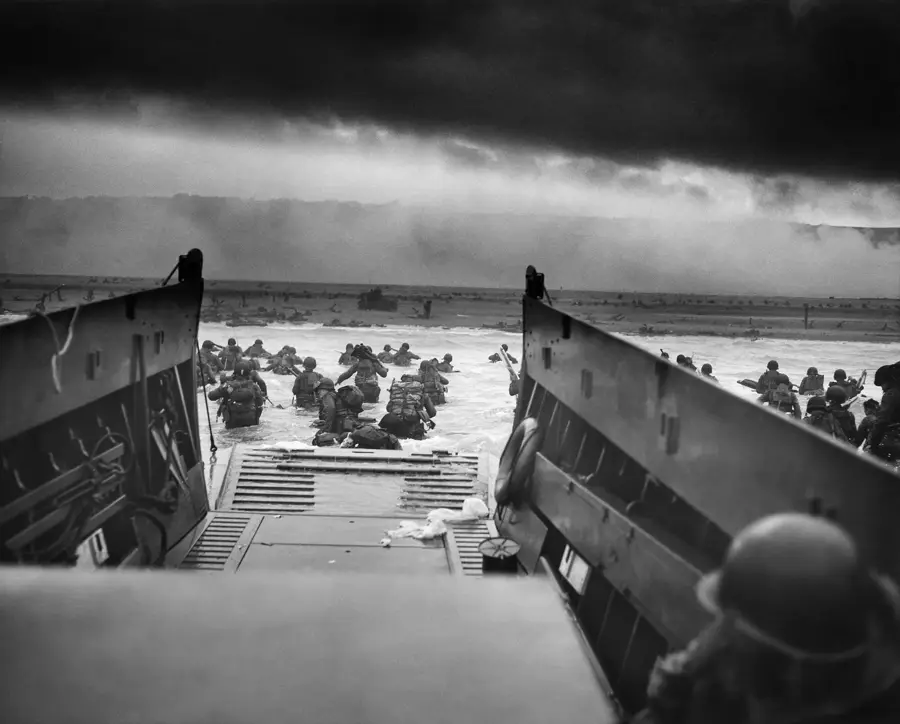
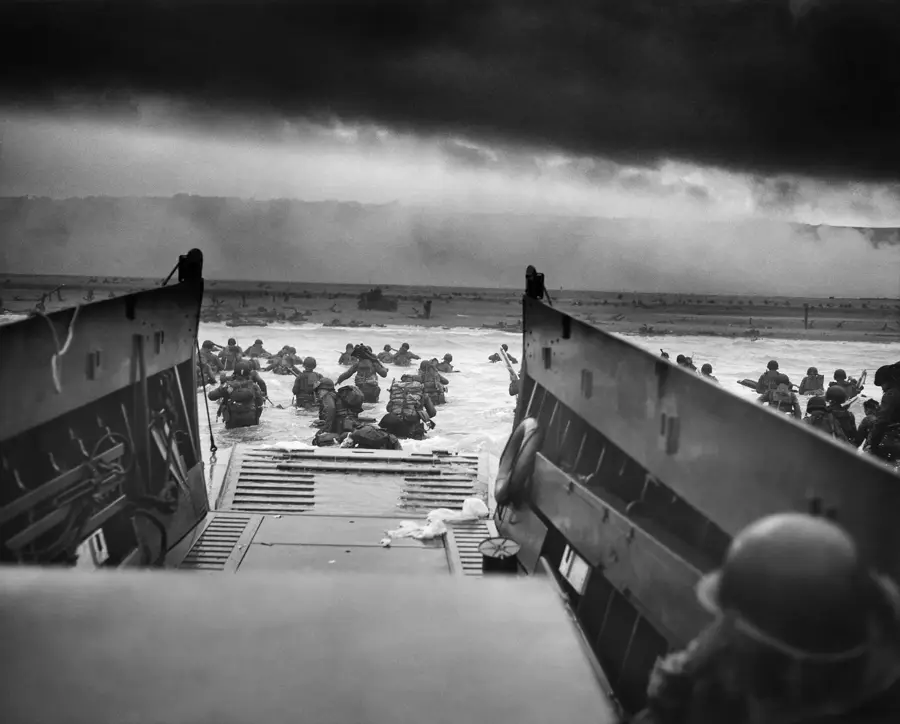
The Normandy landings on June 6, 1944, marked the beginning of Western Europe's liberation during World War II and represent the largest amphibious operation in history. Codenamed Operation Overlord, Allied forces landed across five beach sectors between Cherbourg and Caen, known as Utah, Omaha, Gold, Juno, and Sword. Over 156,000 troops, supported by thousands of ships and aircraft, were involved in the initial assault to break through the Axis fortifications of the Atlantic Wall. The fighting was particularly fierce at Omaha Beach, but the operation's success established a crucial foothold for the subsequent advance into Nazi-occupied Europe. Today, numerous memorials, military cemeteries, and museums along the coastline preserve the memory of this pivotal historical event and the sacrifice of those involved. The American Cemetery at Colleville-sur-Mer and the remains of the artificial Mulberry harbor at Arromanches are among the most visited sites. The Normandy region is now a place of international remembrance and reconciliation, where world leaders gather annually to commemorate the struggle for peace. The beaches themselves serve as a quiet reminder of the day that changed the course of the 20th century.
- Location: Normandie, France
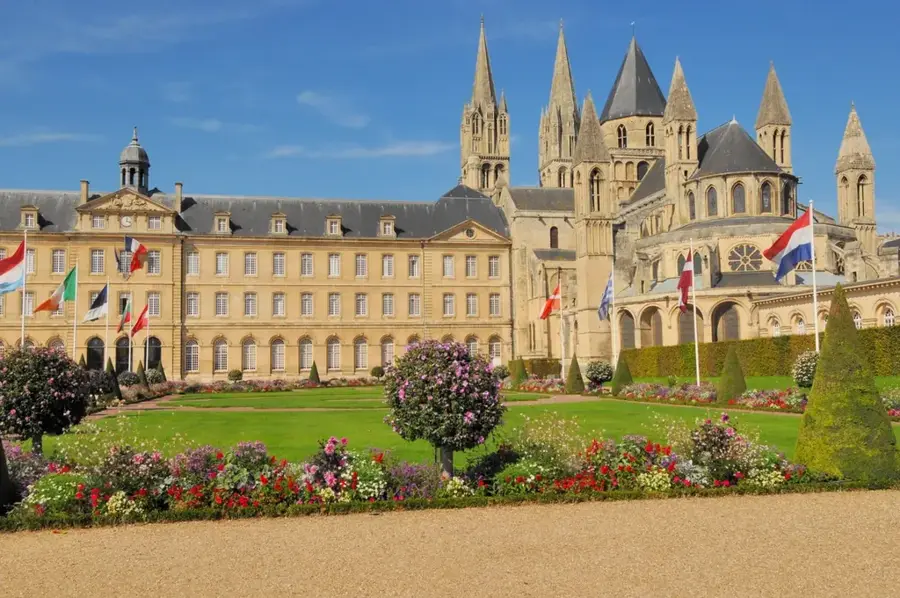
- Top sights: Overlord Museum · Manoir de Saint-Laurent-sur-Mer · Château de Saint-Sever
- Nearby: Bayeux (16 km)
Best time to visit & climate
The most pleasant time to visit is Jul–Sep.
| Jan | Feb | Mar | Apr | May | Jun | Jul | Aug | Sep | Oct | Nov | Dec | |
|---|---|---|---|---|---|---|---|---|---|---|---|---|
| Avg °C | 7 | 7 | 8 | 10 | 13 | 15 | 17 | 18 | 16 | 14 | 11 | 8 |
| Rain mm | 83 | 68 | 61 | 43 | 51 | 48 | 48 | 56 | 50 | 85 | 98 | 98 |
📋 Practical info
Geography
Facts
- The invasion commenced on the morning of June 6, 1944.
- Over 156,000 Allied soldiers landed on the very first day.
- Five distinct beach sectors were used as landing zones.
- An artificial Mulberry harbor was constructed at Arromanches.
- The US Cemetery at Colleville-sur-Mer holds 9,387 graves.
- General Dwight D. Eisenhower commanded the entire operation.
Explore nearby
Notable places around
Route planner — Car & Motorhome
Where do you start? We build the route here, with stops and country notes along the way.
© OpenStreetMap contributors · OpenRouteService
Sights in the town D-Day Strände (4)
Sights nearby
Frequently asked questions
Which beach is the most important to see?
Can I visit the beaches in one day?
Is the American Cemetery free to visit?
Are there museums nearby?
Are the beaches family-friendly?
D-Day Strände: where is it located?
D-Day Strände: what is there to see?
D-Day Strände: when is the best time to visit?
D-Day Strände: why is it worth visiting?

Nearby cities