Plizio Visual Lab
Verdun
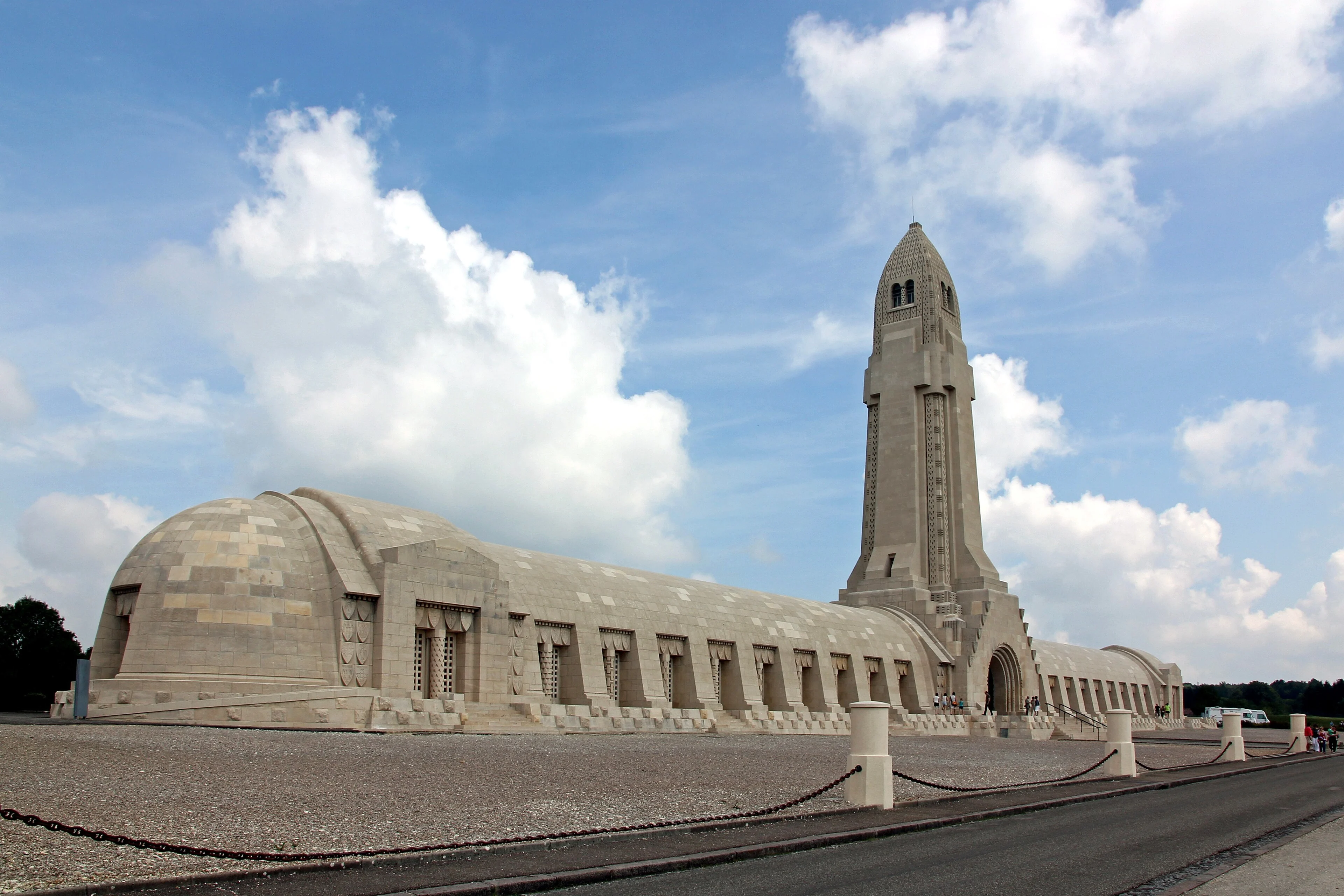
The Battle of Verdun, which lasted from February 21 to December 18, 1916, is regarded as one of the bloodiest and longest battles of attrition in the First World War. Across a relatively small area along the Meuse River, German and French troops engaged in a fierce struggle that spanned over 300 days and resulted in more than 700,000 casualties. The strategy of German General von Falkenhayn aimed to 'bleed' the French army white by attacking the historically significant forts of Verdun. Locations such as Fort Douaumont and Fort Vaux became symbols of unimaginable suffering and the madness of trench warfare. Today, the battlefield is a memorial site of international importance, centered around the Douaumont Ossuary, which contains the remains of 130.000 unidentified soldiers. The Mémorial de Verdun provides a comprehensive historical analysis and displays personal items from soldiers on both sides. The landscape remains scarred by shell craters to this day, serving as a solemn reminder of the necessity of peace in Europe. Verdun is now a vital location for Franco-German reconciliation, famously symbolized by the handshake between Helmut Kohl and François Mitterrand in 1984.
- Location: Grand Est, France
- Top sights: Chapelle Saint-Joseph · Centre Mondial de la Paix · Cathédrale Notre-Dame
- Nearby: Saint-Mihiel (32 km)
Best time to visit & climate
The most pleasant time to visit is Jun–Aug.
| Jan | Feb | Mar | Apr | May | Jun | Jul | Aug | Sep | Oct | Nov | Dec | |
|---|---|---|---|---|---|---|---|---|---|---|---|---|
| Avg °C | 1 | 2 | 5 | 9 | 13 | 17 | 19 | 19 | 15 | 10 | 5 | 2 |
| Rain mm | 68 | 59 | 60 | 48 | 71 | 64 | 63 | 71 | 56 | 68 | 70 | 79 |
📋 Practical info
Geography
Facts
- The battle lasted exactly 302 days, making it the longest in world history.
- Approximately 60 million artillery shells were fired during the battle.
- The Douaumont Ossuary contains the bones of 130,000 soldiers.
- Nine French villages were completely destroyed and never rebuilt.
- Fort Douaumont was captured by the Germans at the very beginning of the battle.
- Over 500,000 people visit the Verdun memorial sites every year.
Explore nearby
Notable places around
Route planner — Car & Motorhome
Where do you start? We build the route here, with stops and country notes along the way.
© OpenStreetMap contributors · OpenRouteService
Sights in the town Verdun (10)
Monument à la Victoire et aux Soldats de Verdun
Monument to the victory and soldiers of Verdun.
Chapelle Buvignier
Chapel located in Meuse, France, now a gallery.
Église Saint-Sauveur
Church located in Meuse, France.
Citadelle de Verdun🏰 castle
Fortress in Verdun, France.
Abbatiale Saint-Vanne🗼 tower
Tour Saint Vanne, in ruins.
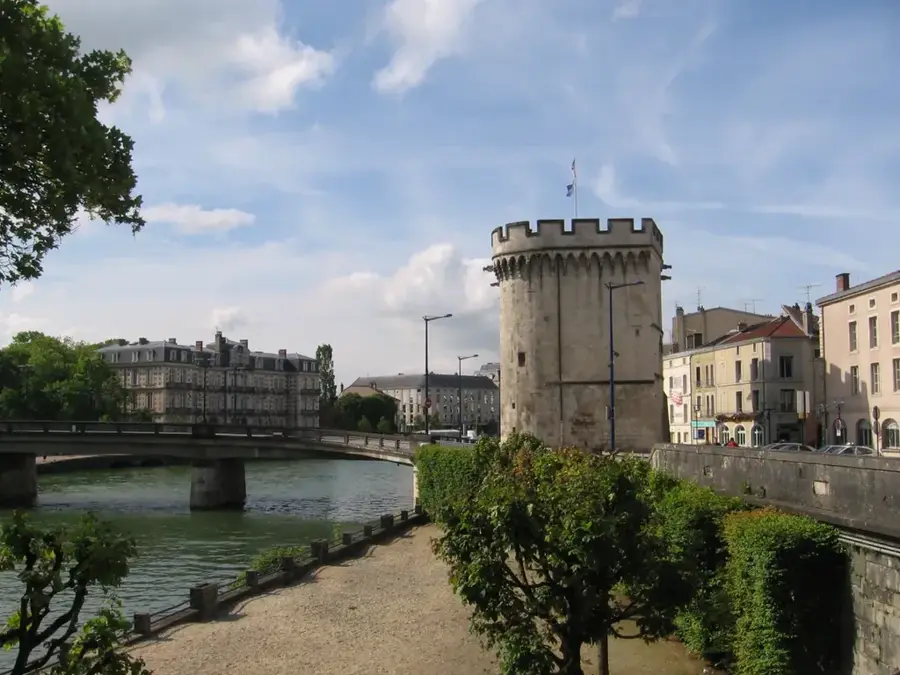
Porte Chaussée
Fortified entrance gate in Verdun.
Sights nearby
Frequently asked questions
What are the most important memorial sites in Verdun?
Can you visit the trenches?
How long does it take to visit the battlefields?
Is the site stroller-friendly?
Are there guided tours?
Verdun: where is it located?
Verdun: what is there to see?
Verdun: when is the best time to visit?
Verdun: why is it worth visiting?

Nearby cities