Plizio Visual Lab

Torgny Nature Reserve
Plizio editorial teamData Sources
Forest
—°7
Torgny Nature Reserve (Belgium)

Weather…

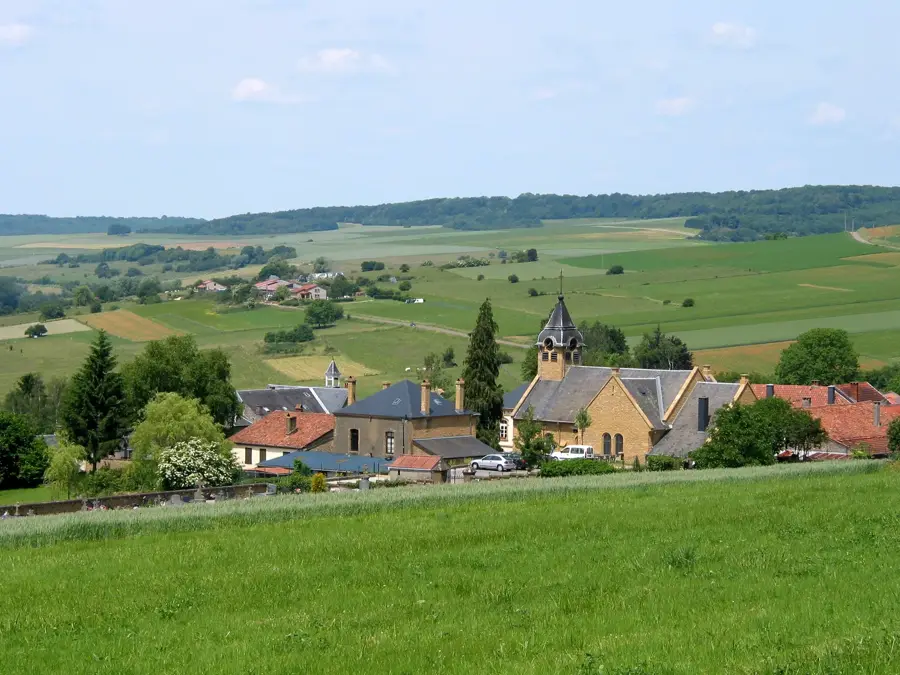
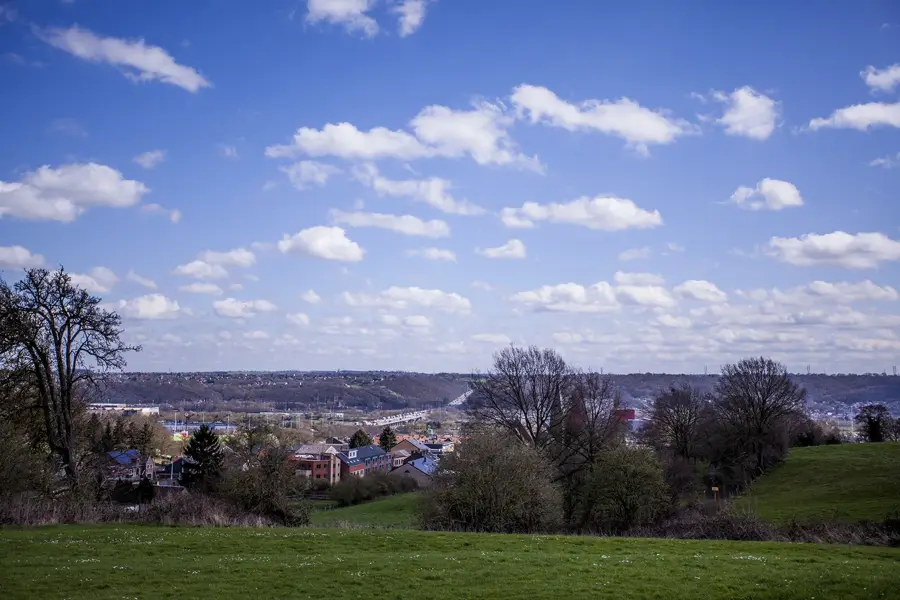
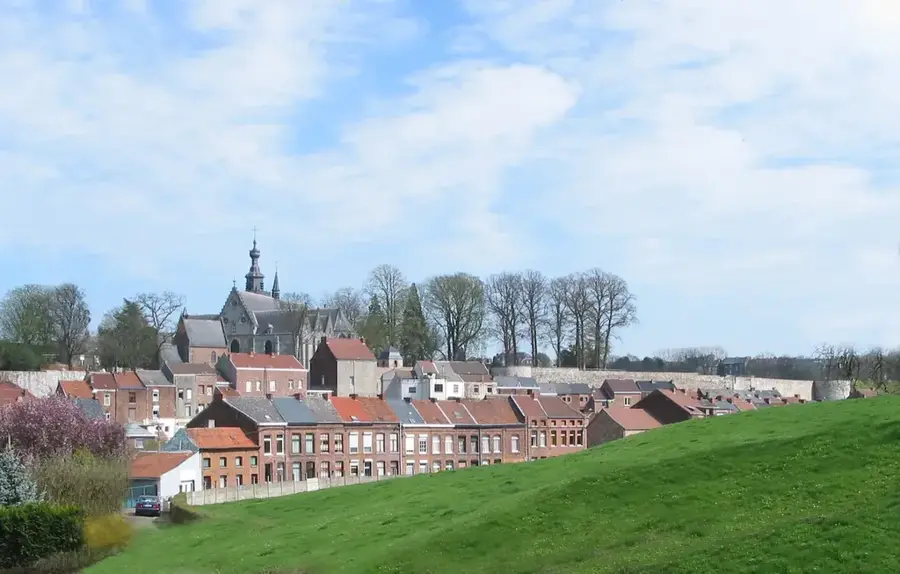
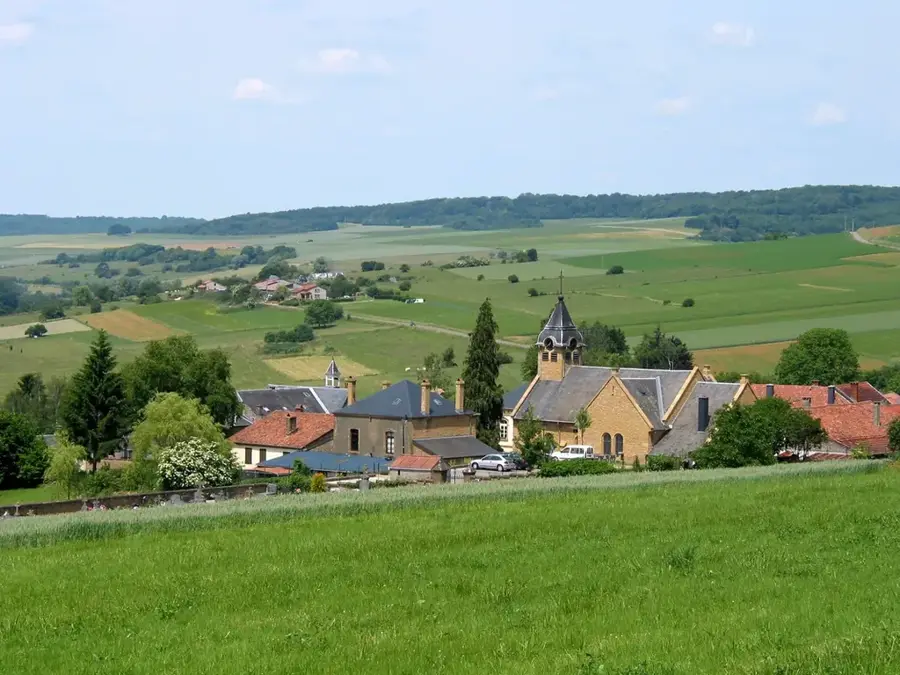
The Torgny nature reserve is located in the southernmost village of Belgium and is widely known as the country's 'Little Provence'. This area is distinguished by an exceptional sub-Mediterranean microclimate, favored by its protected position on the slopes of the Bajocian cuesta. The reserve's calcareous grasslands host flora and fauna rarely found in other parts of Belgium, including numerous orchid species and warmth-loving insects such as the praying mantis. Geologically, the substrate consists of limestone rocks deposited during the Jurassic period, approximately 170 million years ago, which today form the basis for the characteristic vegetation. The first efforts to protect this area began in 1943, and today it is managed by the Ardenne et Gaume organization. Beyond its ecological significance, Torgny is also famous for its viticulture and yellow limestone architecture, giving the village a southern European flair. The reserve plays a crucial role in preserving biodiversity in the Gaume region and serves as an important research area for botanists and entomologists.

Best time to visit & climate

The most pleasant time to visit is Jun–Aug.

JanFebMarAprMayJunJulAugSepOctNovDec
Avg °C115913161918141052
Rain mm786665507370697758717589

📋 Practical info

🧭
Getting there
Situated in the extreme south of Belgium, the reserve is best reached by driving to the characterful village of Torgny. From the village center, visitors can easily access the designated nature trails on foot by following the clear local signage.
📅
Best season
Late spring and summer are undoubtedly the most rewarding times to visit, as the special microclimate allows the exceptional flora to bloom beautifully. The warm weather during these months perfectly highlights the unique Mediterranean feel.
⛰️
Terrain & paths
The natural terrain consists mainly of gentle slopes and soft, unpaved earthen paths that wind peacefully through the varied vegetation. The walking trails are generally undemanding and highly accessible for visitors of almost all age groups.
🎒
What to bring
Comfortable walking shoes are entirely sufficient for exploring the well-kept paths of the reserve. Given the warmer microclimate, carrying a bottle of water, a wide-brimmed hat, and adequate sun protection is highly recommended during the summer.
🅿️
Parking
Parking spaces are usually available in small, designated public lots scattered within or just outside the village of Torgny. Since the village itself is quite compact, any chosen parking spot will likely be within a short walking distance.
⚠️
Safety
While the environment is very safe, it is important to strictly stay on the designated paths to actively protect the extremely fragile local flora. During the warmer summer months, visitors should also regularly check themselves for ticks after the walk.
⏱️
Time needed
A typical relaxing visit to thoroughly enjoy the unique botanical features and the peaceful surroundings usually takes anywhere from one to three hours. It is an excellent destination for a leisurely afternoon stroll in a remarkably quiet natural setting.

Geography

Coordinates
49.51670, 5.48330

Facts

  • Torgny is the southernmost village in the entire Belgian territory.
  • The reserve features a unique sub-Mediterranean microclimate.
  • First protection measures for the area were initiated as early as 1943.
  • Home to rare species such as the praying mantis and the smooth snake.
  • The soil consists of Bajocian limestone from the Jurassic period.
  • Managed by the non-profit organization Ardenne et Gaume.

Explore nearby

Notable places around
Route planner — Car & Motorhome

Where do you start? We build the route here, with stops and country notes along the way.

Vehicle
Only stops with (optional):

© OpenStreetMap contributors · OpenRouteService

Sights in the town Torgny Nature Reserve (7)

Domaine de Mandville🏰 castle

A castle estate located near the Torgny Nature Reserve.

Château-fort de Montquintin🏰 castle

Ruins of a medieval hilltop fortress in the Gaume region.

Visiorama🌿 nature

A viewpoint offering broad vistas over the surrounding nature reserve.

Le Pied en Coulisses🎭 culture

An outdoor theater stage overlooking the vineyards of the Torgny nature reserve.

Vignes du Poirier du Loup📍 landmark

Local vineyards known for wine production in this region.

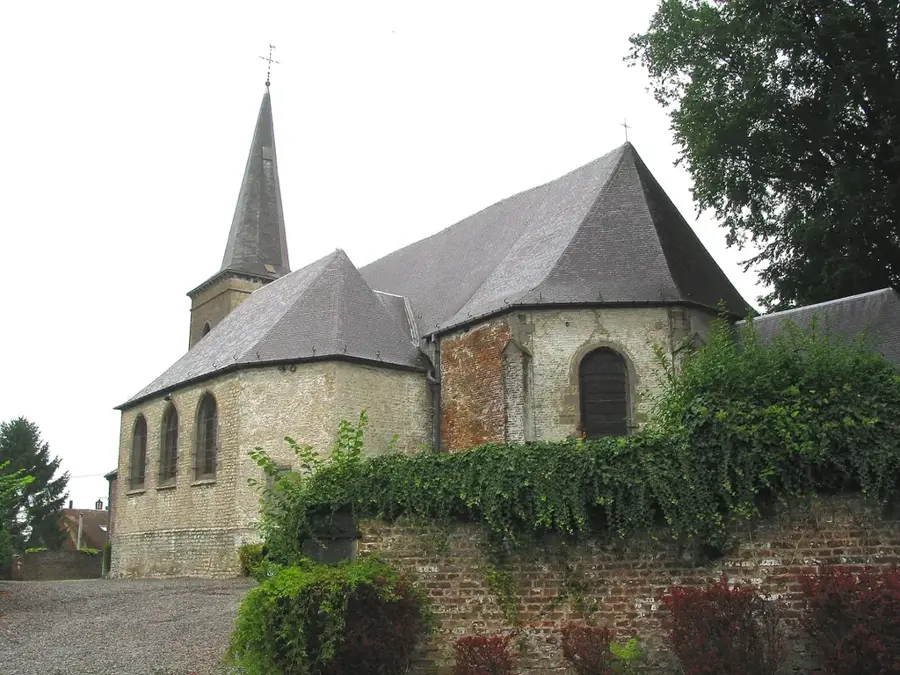
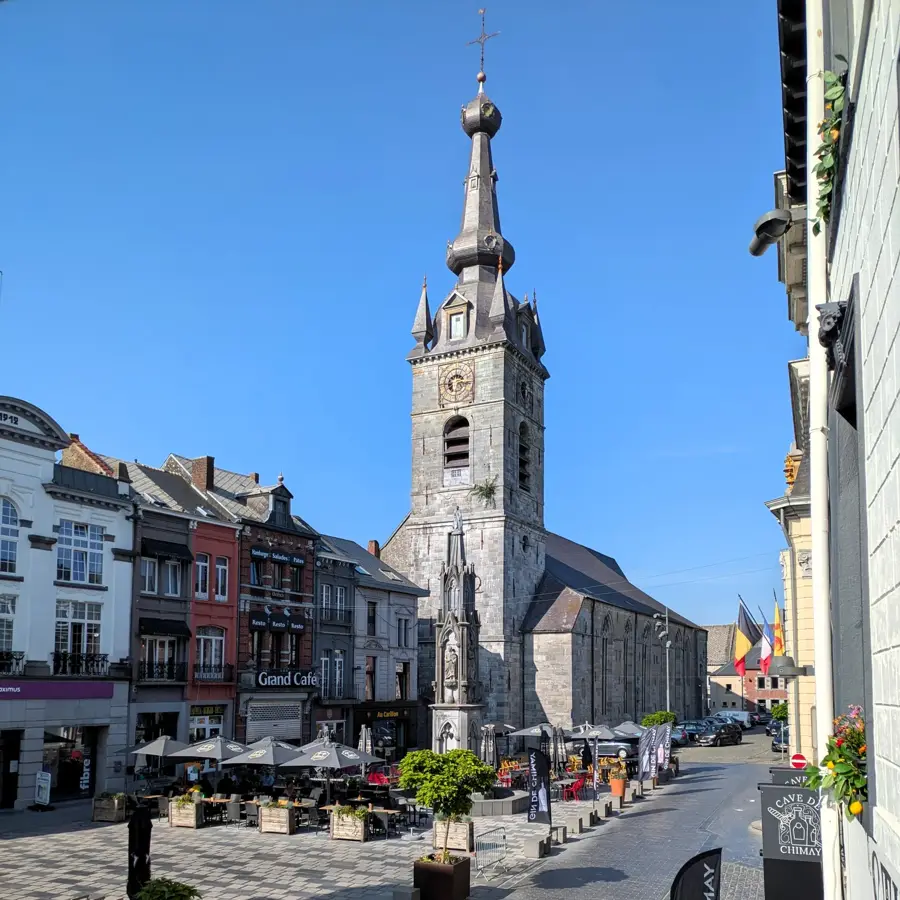
Église Saint-Michel⛪ religious

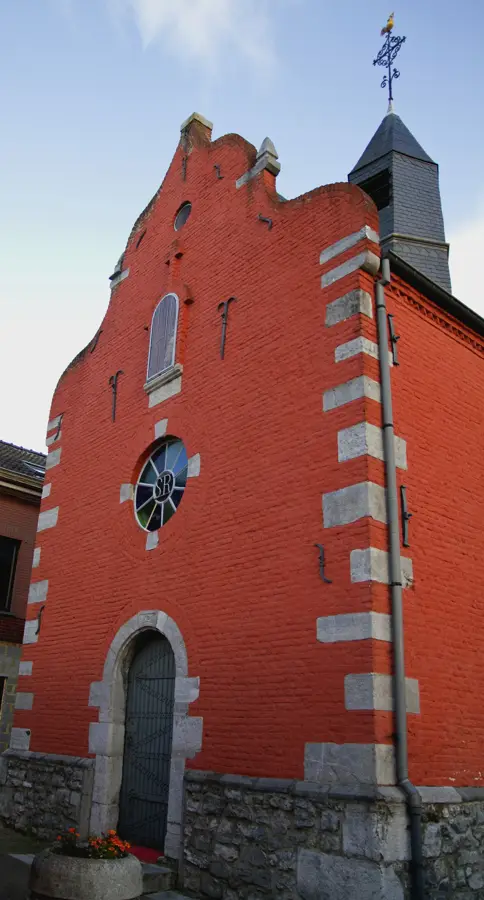
Église Saint-Michel is a Roman Catholic church in Torgny Nature Reserve, located in the southernmost village of Belgium.

Église de la Nativité-de-la-Vierge⛪ religious

A local church dedicated to the Nativity of the Virgin.

Sights nearby

Frequently asked questions

Why is Torgny called the 'Belgian Provence'?
Because of its exceptionally mild microclimate and Mediterranean flora.
What can be seen in the nature reserve?
It is known for its wild orchids and rare butterfly species.
When do the orchids bloom?
The best time is from May to June, when most species are in full bloom.
Is there viticulture in Torgny?
Yes, thanks to the warm climate, some of Belgium's few vineyards are located here.
What is the village of Torgny like?
It is one of the most beautiful villages in Wallonia, with houses made of golden limestone.
Torgny Nature Reserve: where is it located?
Torgny Nature Reserve is located in Belgium.
Torgny Nature Reserve: what is there to see?
Highlights include Domaine de Mandville, Château-fort de Montquintin, Visiorama.
Torgny Nature Reserve: when is the best time to visit?
The most pleasant time to visit is Jun, Aug.
Torgny Nature Reserve: why is it worth visiting?

The Torgny nature reserve is located in the southernmost village of Belgium and is widely known as the country's 'Little Provence'.
View on map → The Top 50 Attractions → OpenStreetMap →
Europe
Explore with Plizio Discover more places in Europe
More places in Belgium →

Nearby cities

History & landmarks