Plizio Visual Lab
Djibloho Hydroelectric Dam
Weather…
Water temperature…
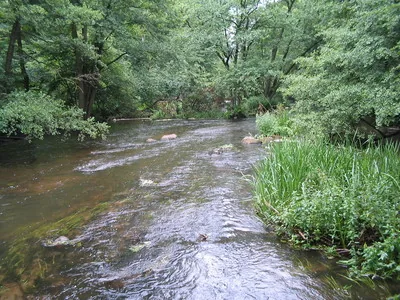
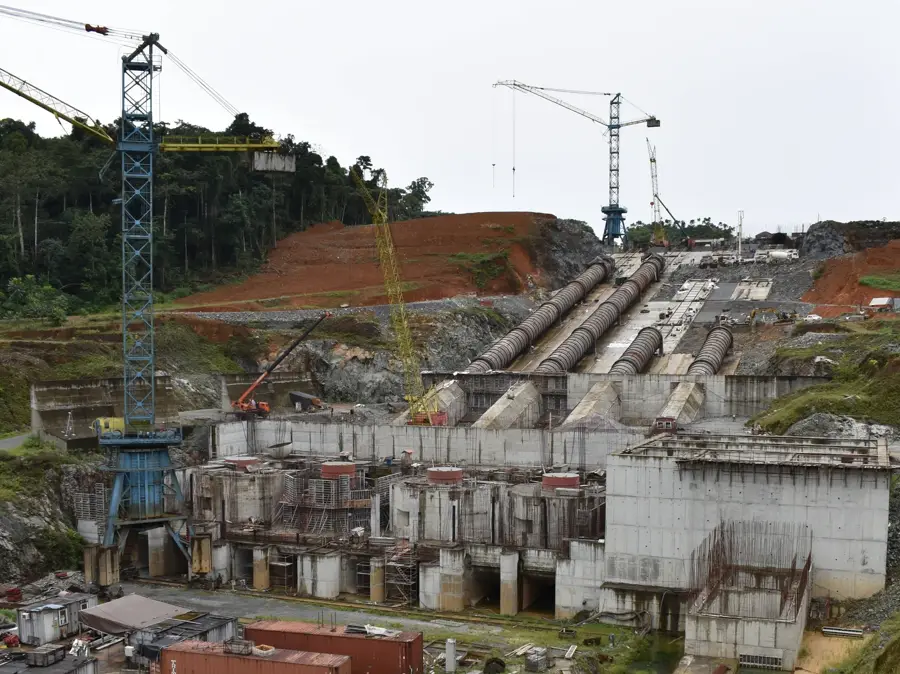
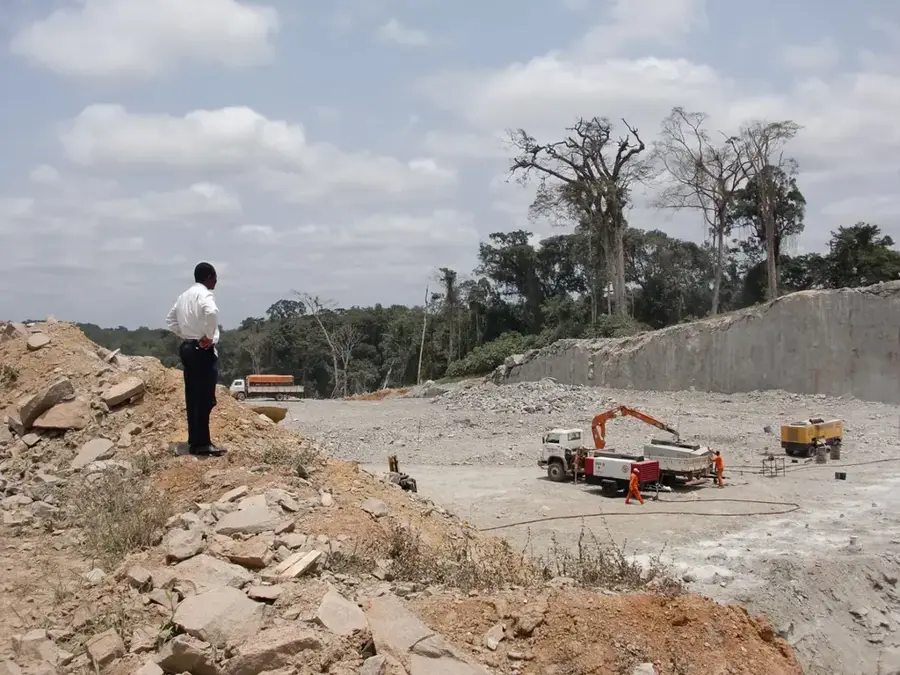
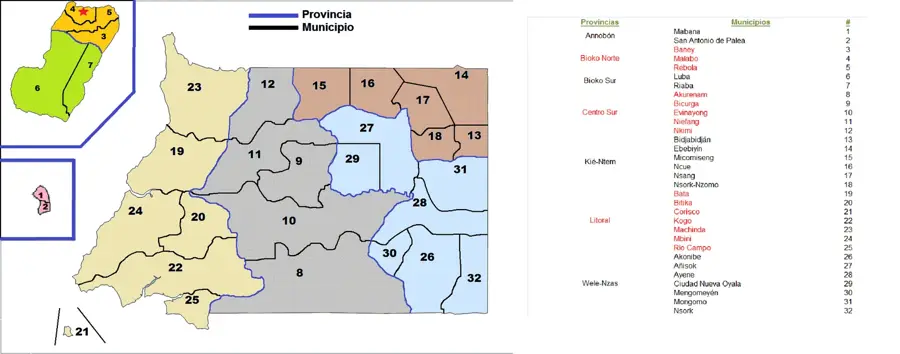
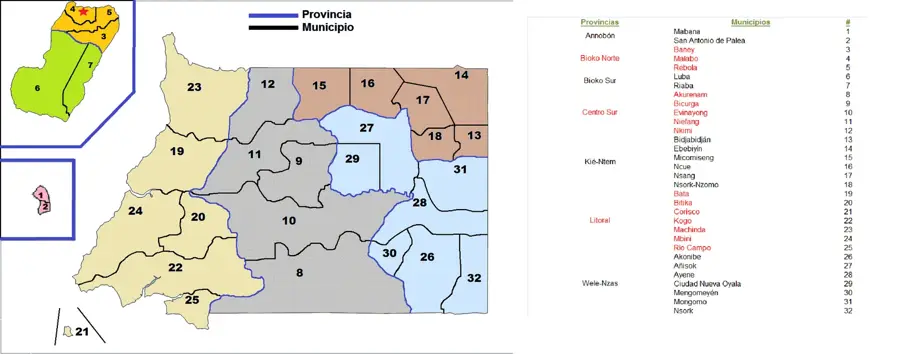
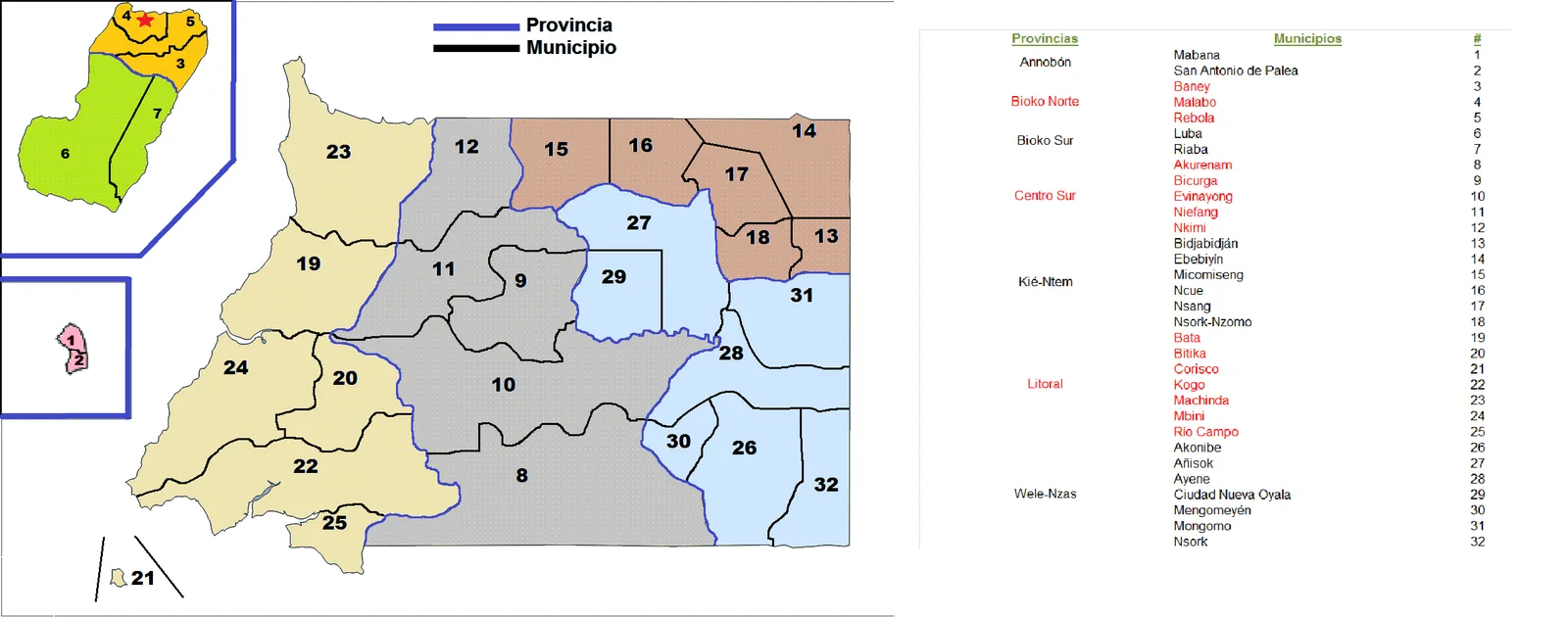
The Djibloho Dam on the Wele River is Equatorial Guinea's largest hydroelectric project and a symbol of the country's infrastructure modernization. The structure is located in the Wele-Nzas province, near the newly built city of Ciudad de la Paz. The facility was constructed by the Chinese company Sinohydro and officially inaugurated in October 2012. With an installed capacity of 120 megawatts, the dam covers a significant portion of the electricity demand on the mainland and reduces dependence on fossil fuels. The construction comprises a massive concrete dam and a power station that harnesses the natural power of the Wele River. This project was crucial for industrial development and improving the quality of life in the rural regions of the mainland. It represents a major step towards diversifying the country's energy sources and forms the backbone of the national electricity grid in the Rio Muni region.
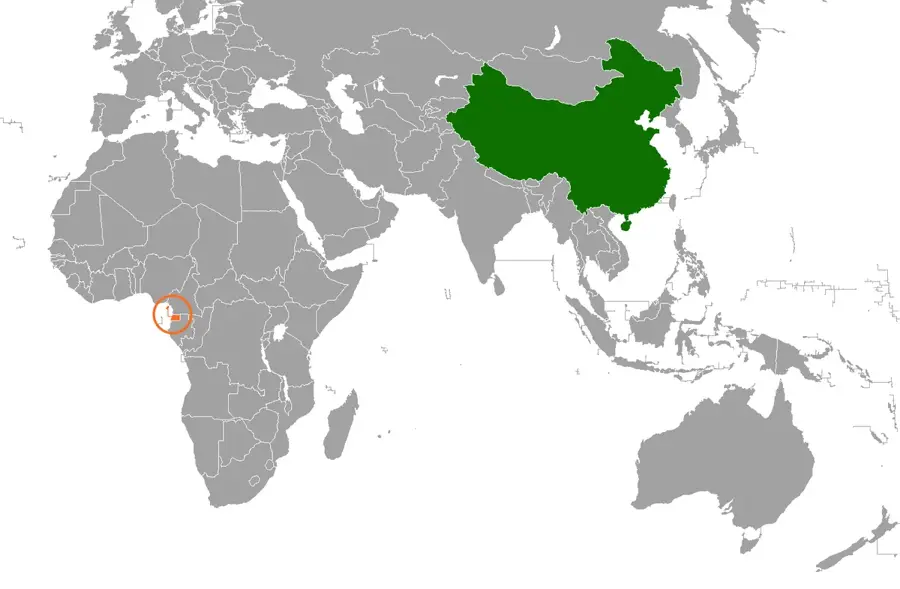
- Location: Equatorial Guinea
- Nearby: Mengomeyén (21 km)
Best time to visit & climate
The most pleasant time to visit is Jun–Aug.
| Jan | Feb | Mar | Apr | May | Jun | Jul | Aug | Sep | Oct | Nov | Dec | |
|---|---|---|---|---|---|---|---|---|---|---|---|---|
| Avg °C | 24 | 24 | 24 | 24 | 24 | 23 | 23 | 23 | 23 | 23 | 23 | 24 |
| Rain mm | 70 | 93 | 188 | 173 | 145 | 75 | 30 | 54 | 130 | 263 | 228 | 103 |
📋 Practical info
Geography
Facts
- Installed capacity of 120 megawatts.
- Official inauguration in October 2012.
- Built on the Wele River, the country's longest river.
- Constructed by the Chinese firm Sinohydro.
- Main source of electricity for the Rio Muni mainland region.
- Located near the new capital city, Ciudad de la Paz.
Explore nearby
Notable places around
Route planner — Car & Motorhome
Where do you start? We build the route here, with stops and country notes along the way.
© OpenStreetMap contributors · OpenRouteService
Sights nearby
Frequently asked questions
Can the Djibloho dam be visited?
What is the significance of the power plant?
Is the area beautiful?
Are there tourist offers there?
How is the area accessible?
Djibloho Hydroelectric Dam: where is it located?
Djibloho Hydroelectric Dam: when is the best time to visit?
Djibloho Hydroelectric Dam: why is it worth visiting?

Nearby cities

History & landmarks
Nature

More places