Plizio Visual Lab
Ayene
ℹ️Practical info — Ayene
▾
🌤 Weather — 5 days
📍 Nearby
Sights nearby
💡 Tips
- Transportation is mostly by bush taxis or minibuses; arrange your rides early in the day.
- The equatorial climate means heavy rains are common; a sturdy umbrella and waterproof footwear are essential.
- Bring sufficient cash in CFA francs, as ATMs are virtually non-existent in this rural area.
- Learning a few words of Fang will go a long way, though Spanish is the official language.
🍽 Food
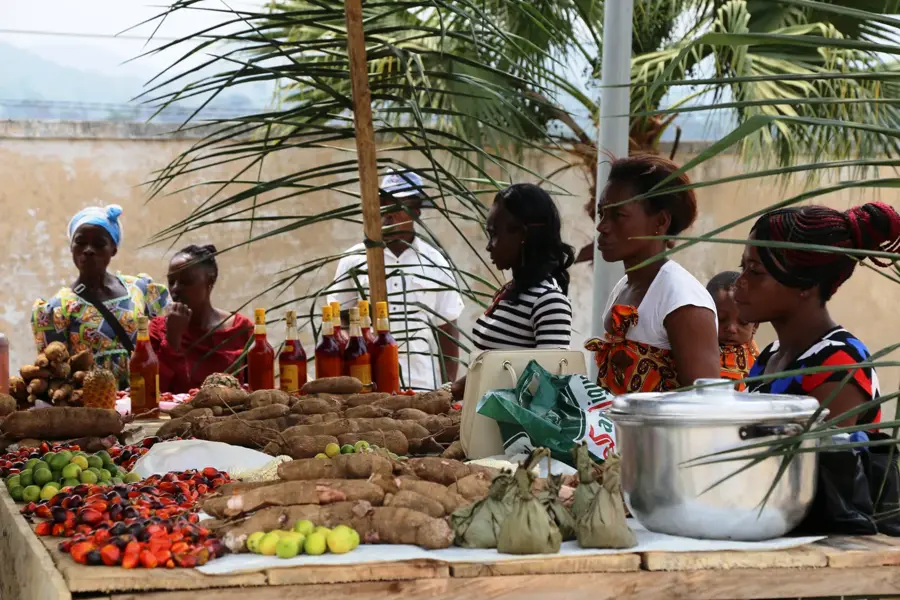
Often sold at roadside stands, roasted peanuts and fried plantains make a great local snack.
Available at local eateries; be aware of what meat is being served and choose sustainably if possible.
Buy fresh mangoes and papayas from local vendors in the village center.
🛍 Shopping · 🧘 Quiet spots
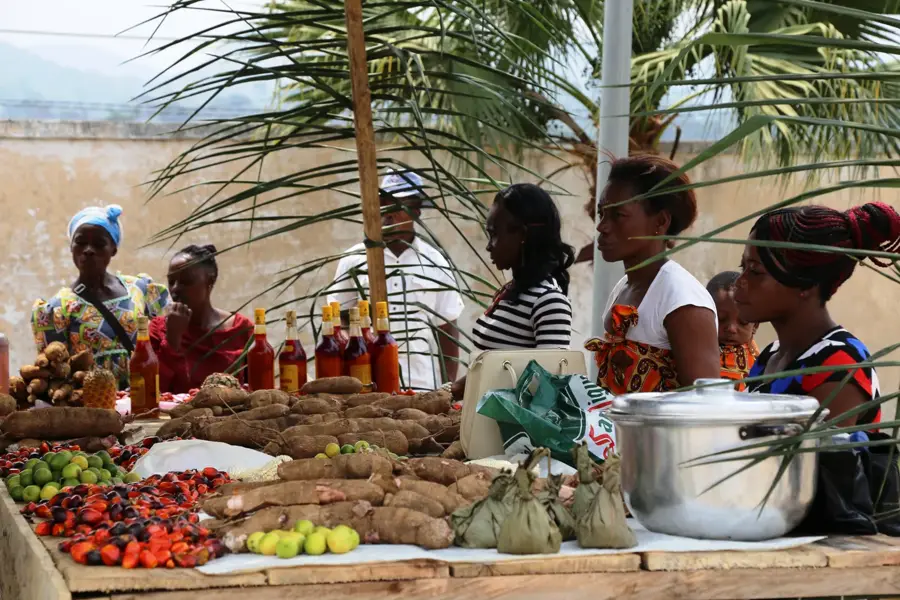
Visit the informal village markets for fresh produce and basic daily necessities.
Occasionally, local artisans sell woven baskets or wooden carvings directly from their homes.
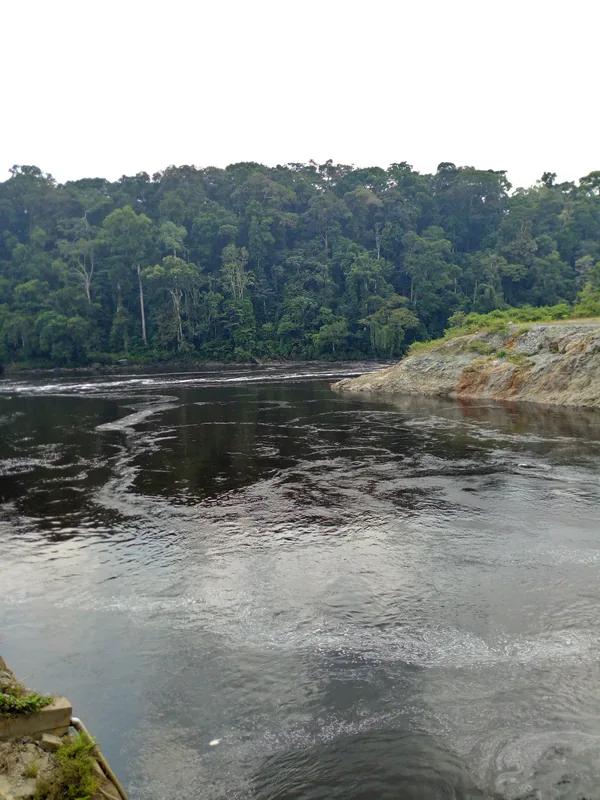
Stroll along the paths leading out of the village to experience the dense, untouched equatorial forest.
The peaceful agricultural plots around the settlement offer a glimpse into rural life.
Water temperature…
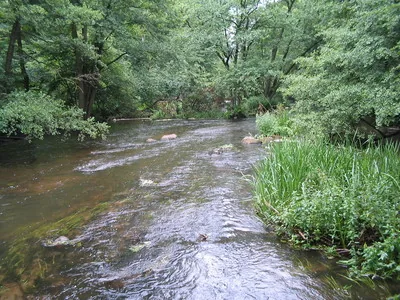
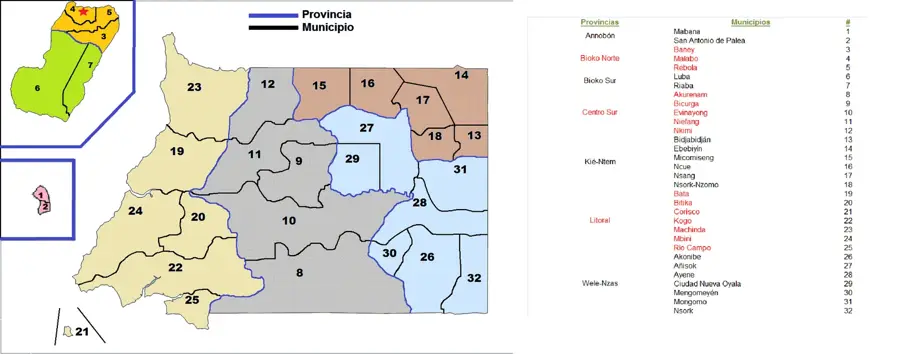
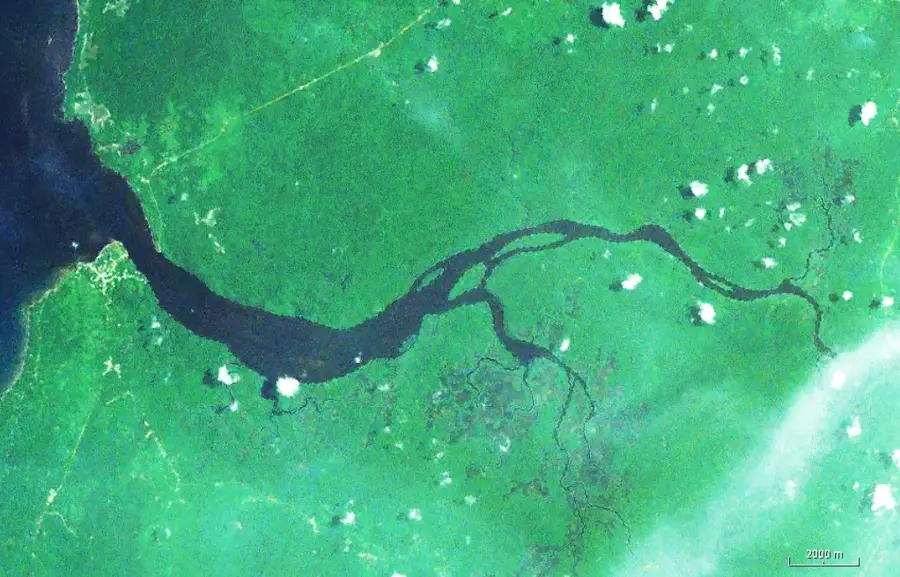
Ayene is a border town in the Ebebiyín district of Kie-Ntem province, located in the extreme northeast of Equatorial Guinea. The town is situated in a strategically vital zone near the tri-border area between Equatorial Guinea, Gabon, and Cameroon. Geographically, the territory is dominated by the Kie and Ntem rivers, which give the province its name and have historically served as natural borders and transport routes. Historically, Ayene was a key outpost for cross-border trade and migration, leading to a unique cultural diversity within the predominantly Fang-inhabited region. The local economy relies heavily on border commerce, forestry, and the cultivation of cash crops such as coffee and cocoa. Despite its remote location relative to the capital, Ayene has grown in importance in recent years due to the development of national highways connecting the interior of Río Muni with neighboring countries. The town also serves as a starting point for exploring the surrounding forest areas, renowned for their rich flora.
- Location: Equatorial Guinea
- Nearby: Nsang (18 km)
Best time to visit & climate
The most pleasant time to visit is Jan, Jul, Aug.
| Jan | Feb | Mar | Apr | May | Jun | Jul | Aug | Sep | Oct | Nov | Dec | |
|---|---|---|---|---|---|---|---|---|---|---|---|---|
| Avg °C | 24 | 24 | 24 | 24 | 24 | 23 | 23 | 23 | 23 | 23 | 23 | 24 |
| Rain mm | 60 | 89 | 184 | 177 | 154 | 87 | 43 | 72 | 143 | 262 | 214 | 88 |
Geography
Facts
- Ayene is located in Kie-Ntem province in the northeast of Río Muni.
- Situated in close proximity to the borders of Cameroon and Gabon.
- The area is geographically defined by the Ntem River basin.
- The population belongs almost entirely to the Fang ethnic group.
- An important hub for agricultural products in cross-border trade.
- The climate is tropical with a pronounced rainy season from September to November.
Explore nearby
Notable places around


Route planner — Car & Motorhome
Where do you start? We build the route here, with stops and country notes along the way.
© OpenStreetMap contributors · OpenRouteService
Frequently asked questions
What is life like in Ayene?
What can you do in Ayene?
Are there good dining options there?
Is Ayene a tourist place?
How is the journey?
Ayene: where is it located?
Ayene: when is the best time to visit?
Ayene: why is it worth visiting?

Nearby cities





History & landmarks
Nature

More places