Plizio Visual Lab
Nsang

ℹ️Practical info — Nsang
▾
🌤 Weather — 5 days
📍 Nearby
Sights nearby
💡 Tips
- Cash is essential as ATMs are very rare in this province; bring enough CFA francs.
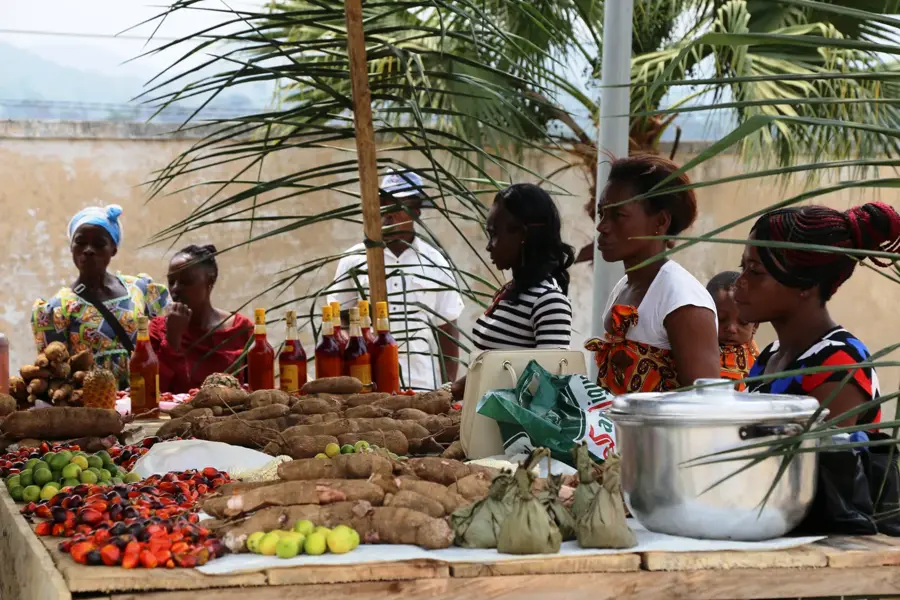
- Visit the local market early in the morning for the freshest agricultural produce.
- Shared taxis are the primary way to get to neighboring towns; negotiate the fare beforehand.
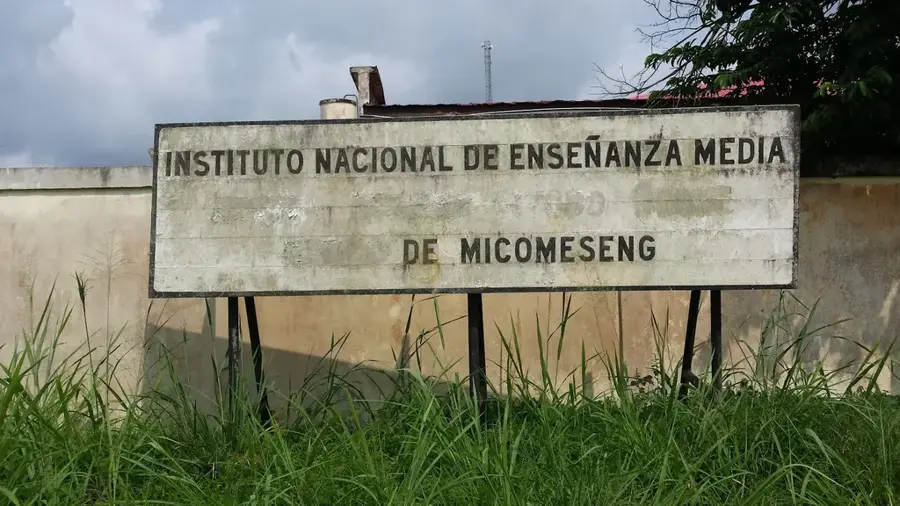
- Spanish is widely spoken; learning a few basic phrases will help you navigate.
🍽 Food
Look for local vendors pressing it fresh.
Available at small roadside eateries.
Best bought directly at the central market.
🛍 Shopping · 🧘 Quiet spots
At the morning market.
Ask around the village center for handmade items.
Take a walk along the local farms.
Sit and observe the slow local life.
Water temperature…
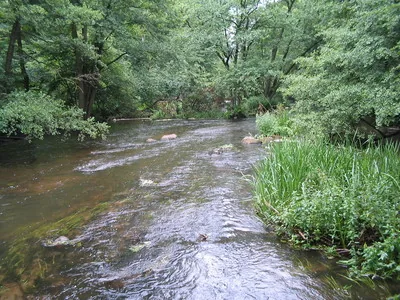
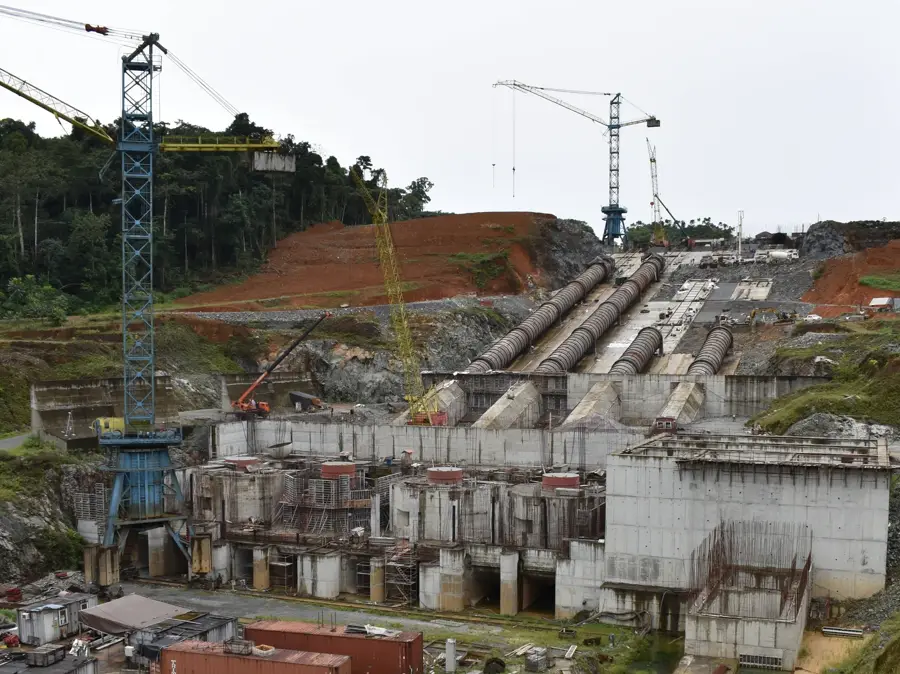
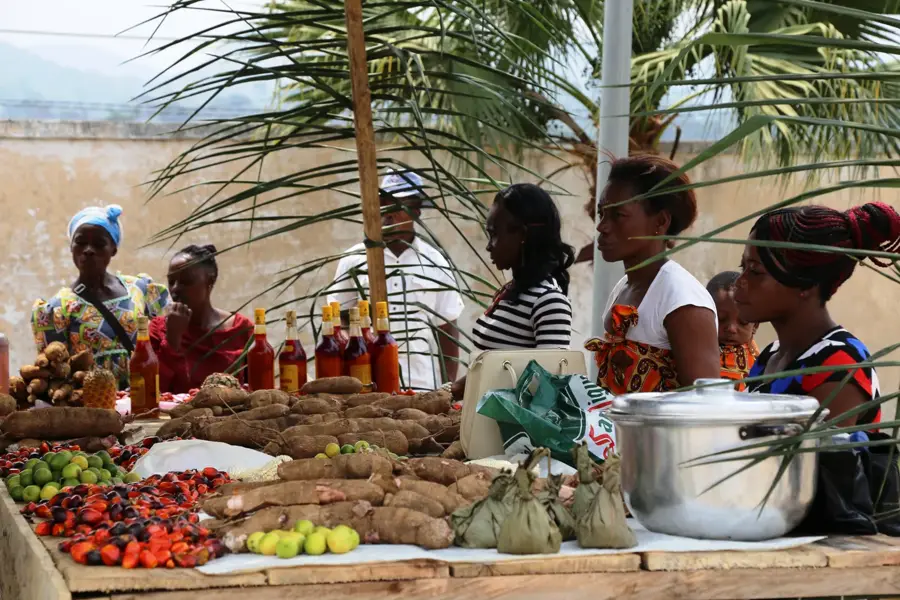
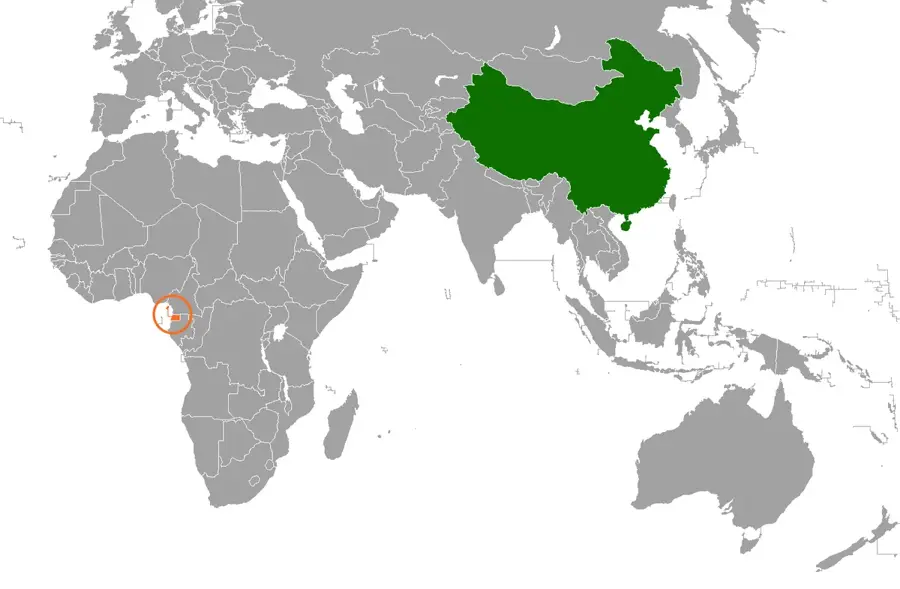
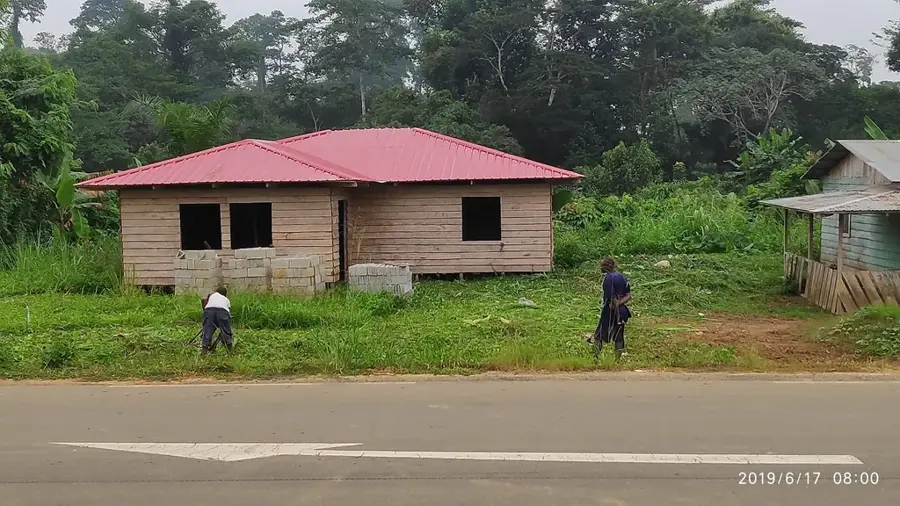
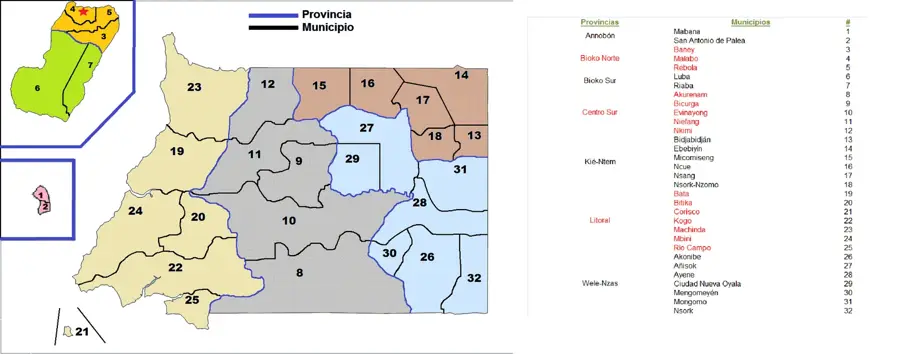
Nsang is a growing town located in the interior of Equatorial Guinea, within the Kié-Ntem province. The geography of the region is characterized by the undulating plateau of Rio Muni, covered with dense forests and crisscrossed by small rivers. Since the country's independence, Nsang has undergone steady development, with a focus on enhancing basic public services for the rural population. The local economy is primarily based on subsistence farming, with surplus products like cassava, plantains, and palm oil being traded in the local markets. Due to its strategic location on a major provincial road, Nsang serves as an essential transit point for travelers and traders moving between Ebebiyín and Mongomo. The town also acts as an educational and religious hub for surrounding villages, providing essential services to the local community. In recent years, government programs have aimed to modernize the electrical grid and improve access to clean water throughout the municipality.
- Location: Equatorial Guinea
- Nearby: Ayene (18 km)
- Population: ~2.122 (2013)
Best time to visit & climate
The most pleasant time to visit is Jan, Jul, Aug.
| Jan | Feb | Mar | Apr | May | Jun | Jul | Aug | Sep | Oct | Nov | Dec | |
|---|---|---|---|---|---|---|---|---|---|---|---|---|
| Avg °C | 24 | 24 | 24 | 24 | 24 | 23 | 23 | 23 | 23 | 23 | 23 | 24 |
| Rain mm | 60 | 89 | 184 | 177 | 154 | 87 | 43 | 72 | 143 | 262 | 214 | 88 |
Geography
Facts
- Located in the central part of Kié-Ntem province
- Key transit hub between the cities of Ebebiyín and Mongomo
- Agriculture revolves around cassava and palm oil production
- Situated on the Rio Muni plateau at 600 meters elevation
- Serves as a regional center for education and religious life
- Government initiatives focus on upgrading local utility grids
Explore nearby
Notable places around

Route planner — Car & Motorhome
Where do you start? We build the route here, with stops and country notes along the way.
© OpenStreetMap contributors · OpenRouteService
Sights in the town Nsang (1)
Frequently asked questions
Where is Nsang located?
Is Nsang a large city?
What can you visit in Nsang?
How are the transport links in Nsang?
Is there medical care in Nsang?
Nsang: where is it located?
Nsang: when is the best time to visit?
Nsang: why is it worth visiting?

Nearby cities





History & landmarks
Nature

More places