Plizio Visual Lab
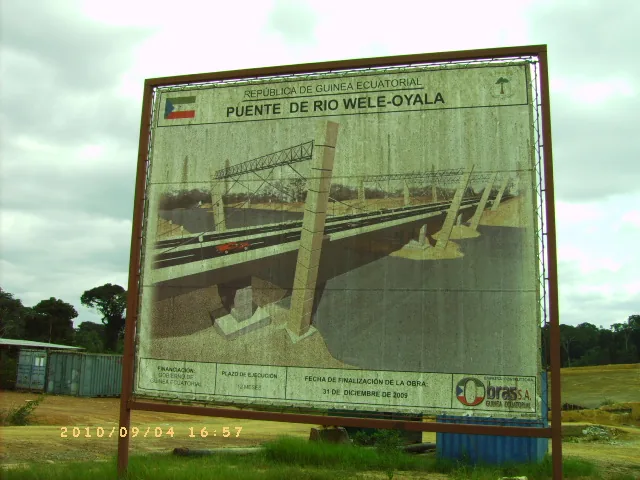
Wele River
Weather…
Water temperature…
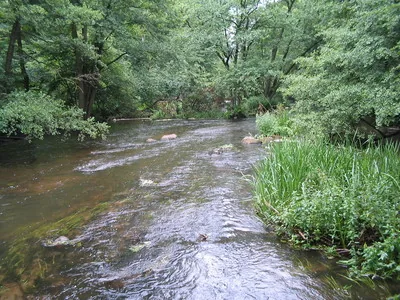
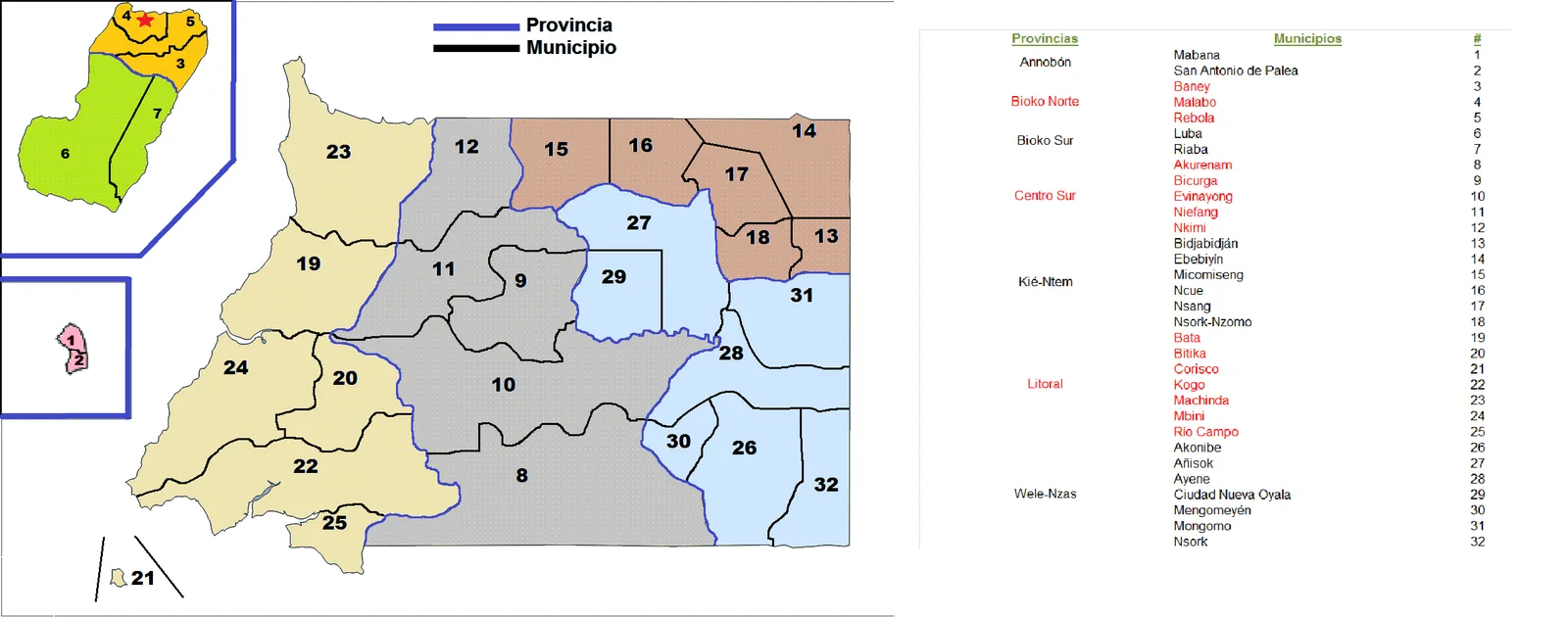
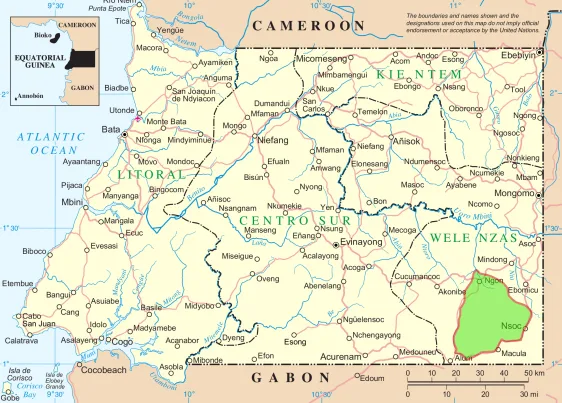
The Wele River is a major tributary of the Benito River and one of the most significant waterways in eastern Equatorial Guinea. It drains a vast area of the Wele-Nzas Province, providing a vital source of water for the region's agriculture and its local communities. Originating in the mountains of neighboring Gabon, the river carves its way through dense rainforests, creating fertile floodplains and supporting a diverse array of aquatic life, including hippos and crocodiles. The Wele River is also historically important as a route for early exploration and the movement of goods into the interior. Its waters are central to the daily life and economic activities of the people living in the eastern heartland of Rio Muni. Curriculum: Geography K6, Economics K7.
- Location: Equatorial Guinea
- Nearby: Mengomeyén (5 km)
Best time to visit & climate
The most pleasant time to visit is Jun–Aug.
| Jan | Feb | Mar | Apr | May | Jun | Jul | Aug | Sep | Oct | Nov | Dec | |
|---|---|---|---|---|---|---|---|---|---|---|---|---|
| Avg °C | 24 | 24 | 24 | 24 | 24 | 23 | 23 | 23 | 23 | 23 | 23 | 24 |
| Rain mm | 70 | 93 | 188 | 173 | 145 | 75 | 30 | 54 | 130 | 263 | 228 | 103 |
📋 Practical info
Geography
Facts
- A major tributary that gives the Wele-Nzas province its name.
- Flows from its source in the highlands of northern Gabon.
- Known for its populations of hippos and river crocodiles.
- Crucial for the irrigation and supply of eastern Rio Muni.
- Historically a vital route for regional trade and transport.
- Features fertile banks used for traditional subsistence farming.
- Plays a key role in the mainland's hydrological network.
Explore nearby
Notable places around

Route planner — Car & Motorhome
Where do you start? We build the route here, with stops and country notes along the way.
© OpenStreetMap contributors · OpenRouteService
Sights nearby
Frequently asked questions
How long is the Wele River?
Are there waterfalls on the Wele?
Is the river navigable?
What role does the river play for locals?
Can you hike along the riverbank?
Wele River: where is it located?
Wele River: when is the best time to visit?
Wele River: why is it worth visiting?

Nearby cities
More places