Plizio Visual Lab
Abourma Petroglyphs

Weather…
Water temperature…
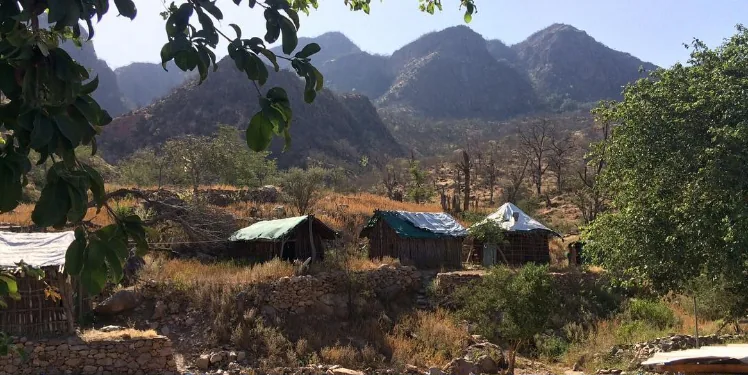
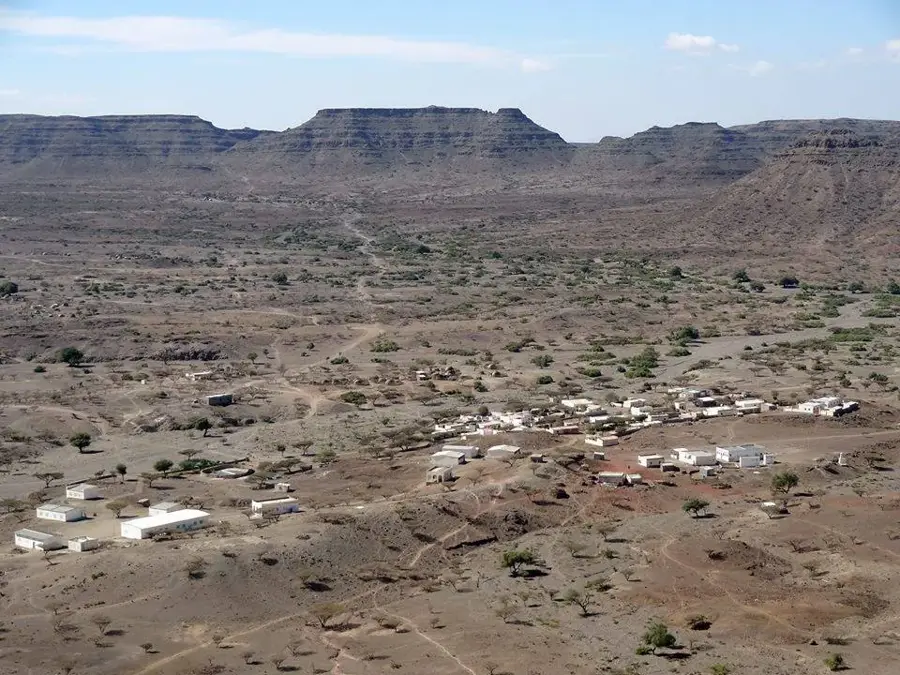
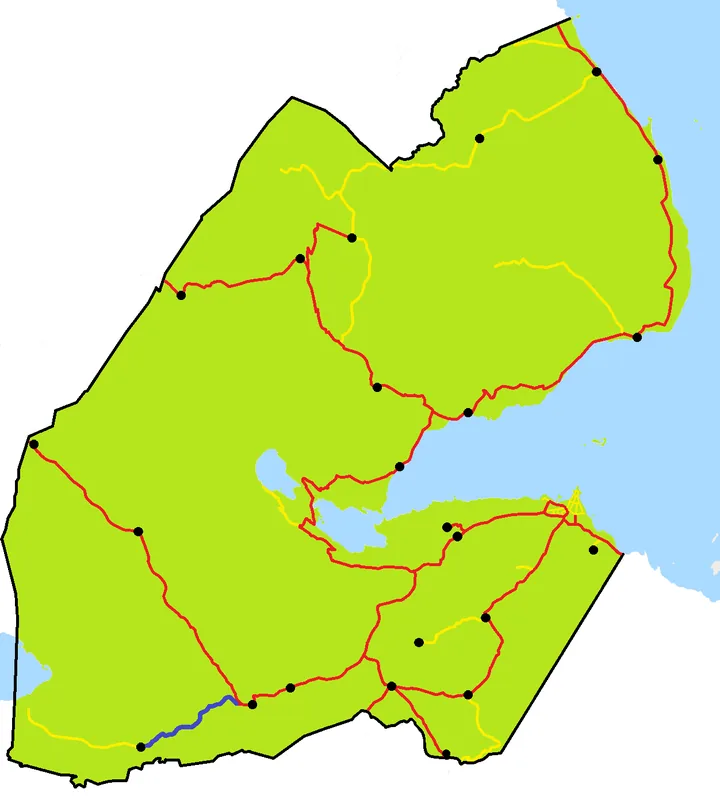
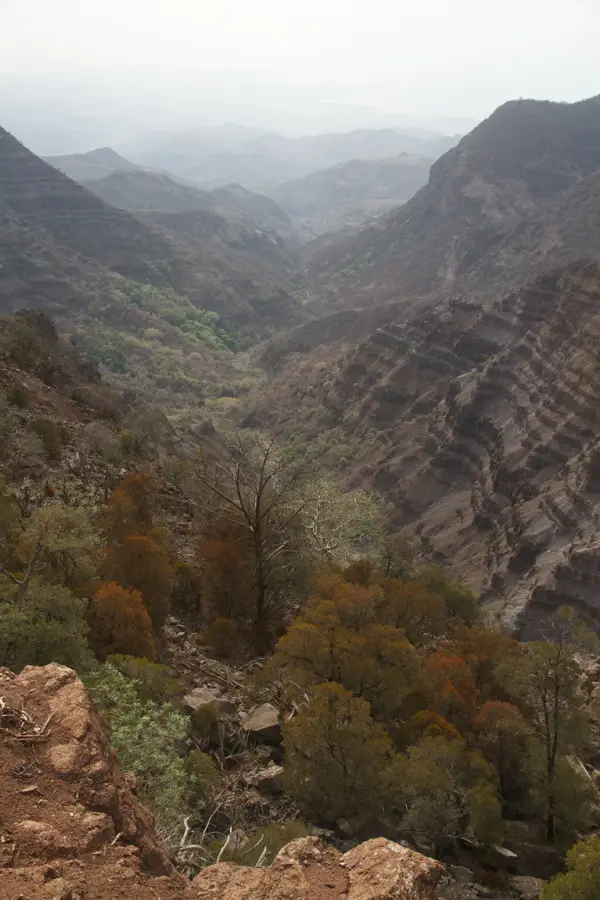
The Abourma Petroglyphs are an extraordinary rock art site located in the Makarrassou Massif in northern Djibouti. Extensively documented for the first time in 2008, the site stretches across a distance of approximately 3 kilometers along a rocky ridge. It features over 900 individual engravings dating back to the Neolithic period, around 3000 BC. The depictions showcase a rich variety of wildlife, including giraffes, ostriches, and antelopes, as well as human figures and hunting scenes. These artworks provide unique insights into the environmental conditions and lifestyle of prehistoric societies in the region before the climate became arid. The level of detail and state of preservation make Abourma one of the most significant archaeological sites in East Africa. Reaching the site involves a multi-day trek through rugged and remote terrain.
- Location: Djibouti
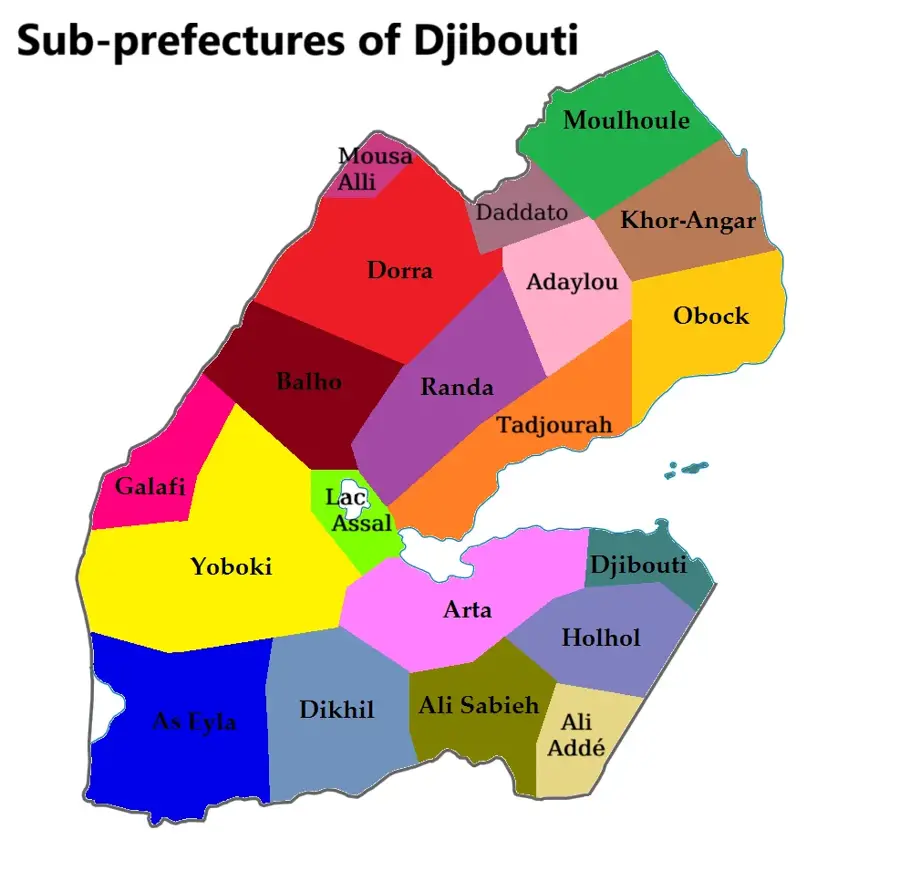
- Nearby: Dorra (14 km)
Best time to visit & climate
The most pleasant time to visit is Jan, Feb, Dec.
| Jan | Feb | Mar | Apr | May | Jun | Jul | Aug | Sep | Oct | Nov | Dec | |
|---|---|---|---|---|---|---|---|---|---|---|---|---|
| Avg °C | 22 | 23 | 25 | 27 | 30 | 33 | 32 | 31 | 31 | 27 | 25 | 23 |
| Rain mm | 9 | 9 | 25 | 58 | 35 | 11 | 46 | 67 | 51 | 23 | 11 | 18 |
📋 Practical info
Geography
Facts
- The site was comprehensively documented by archaeologists in 2008.
- The petroglyphs are spread across a linear distance of 3 kilometers.
- Researchers have identified over 900 distinct engravings at the site.
- The art dates back to the Neolithic era, approximately 3000 BC.
- Depictions include animals like giraffes that are now extinct in the region.
- The site is located in the remote Makarrassou Massif of northern Djibouti.
Explore nearby
Notable places around


Route planner — Car & Motorhome
Where do you start? We build the route here, with stops and country notes along the way.
© OpenStreetMap contributors · OpenRouteService
Sights nearby
Frequently asked questions
How old are the Abourma petroglyphs?
How do you reach the site?
What is depicted in the images?
Is there tourist infrastructure there?
How long does a visit take?
Abourma Petroglyphs: where is it located?
Abourma Petroglyphs: when is the best time to visit?
Abourma Petroglyphs: why is it worth visiting?

Nearby cities
History & landmarks
Nature
More places