Viterbo Christmas Village
The historic center hosts magical Christmas attractions, a festive market, and an enchanted forest for families.
PlizioGo
A thick, hand-rolled local pasta, typically served in a robust tomato and garlic sauce at traditional trattorias in the center.
A hearty peasant soup made with seasonal vegetables, stale bread, and a poached egg, best enjoyed in older rustic restaurants.
Hazelnut biscuits similar to cantuccini, well-suited with sweet wine; buy a bag from a traditional bakery in the old town.
Look for artisan workshops in the San Pellegrino area selling beautifully painted plates and bowls.
Pick up a bottle of the famous "Est! Est!! Est!!!" white wine or extra virgin olive oil from nearby Canino at a local enoteca.
The university's botanical garden has a peaceful green retreat from the stone-paved streets of the center.
Take a short bus ride to this nearby Renaissance garden, known for its impressive fountains and tranquil atmosphere.
Water temperature…
The historic center hosts magical Christmas attractions, a festive market, and an enchanted forest for families.
An awe-inspiring UNESCO recognized event where 100 men carry a 30-meter-tall illuminated tower through the dark streets.
A unique cultural festival dedicated to the crime and thriller genres through literature, cinema, and debates.
A multifaceted cultural event featuring literature, debates, music, and theater performances in the city's squares.
The medieval quarter of San Pellegrino is adorned with spectacular floral arrangements, celebrating spring.
A colorful celebration with allegorical floats, masked parades, and street performers entertaining the crowds.
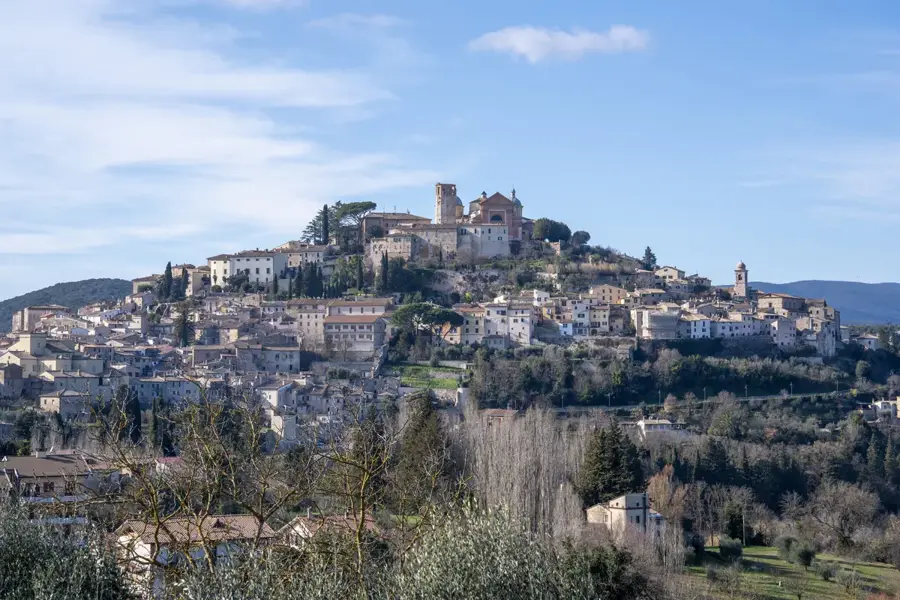
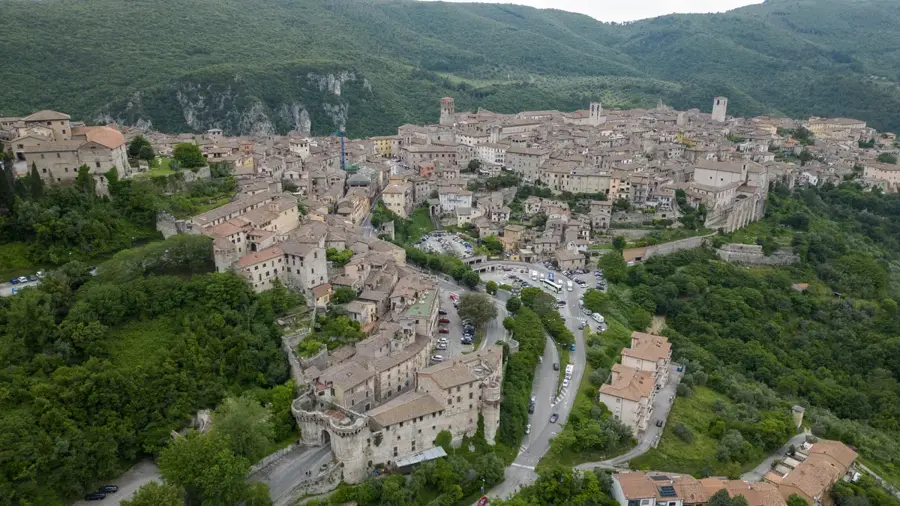
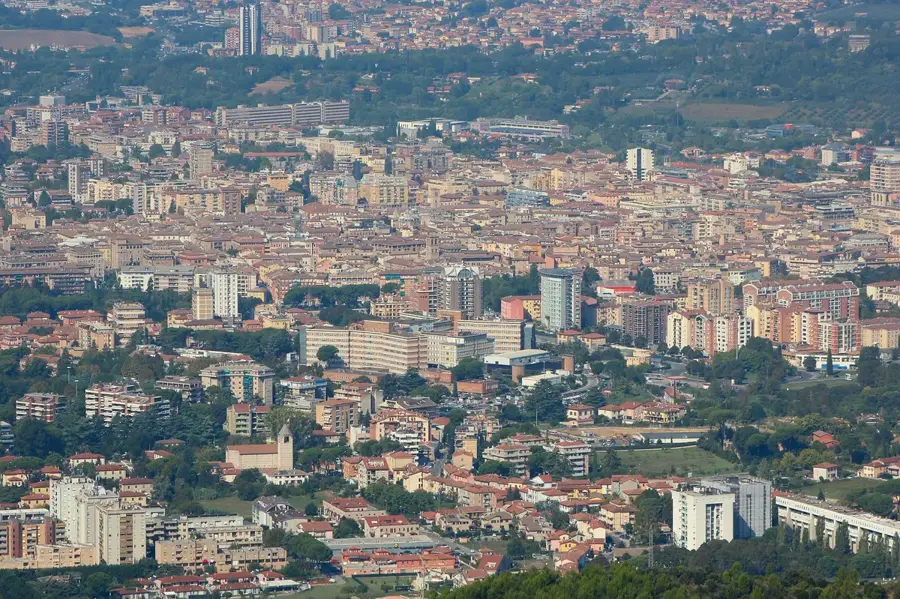
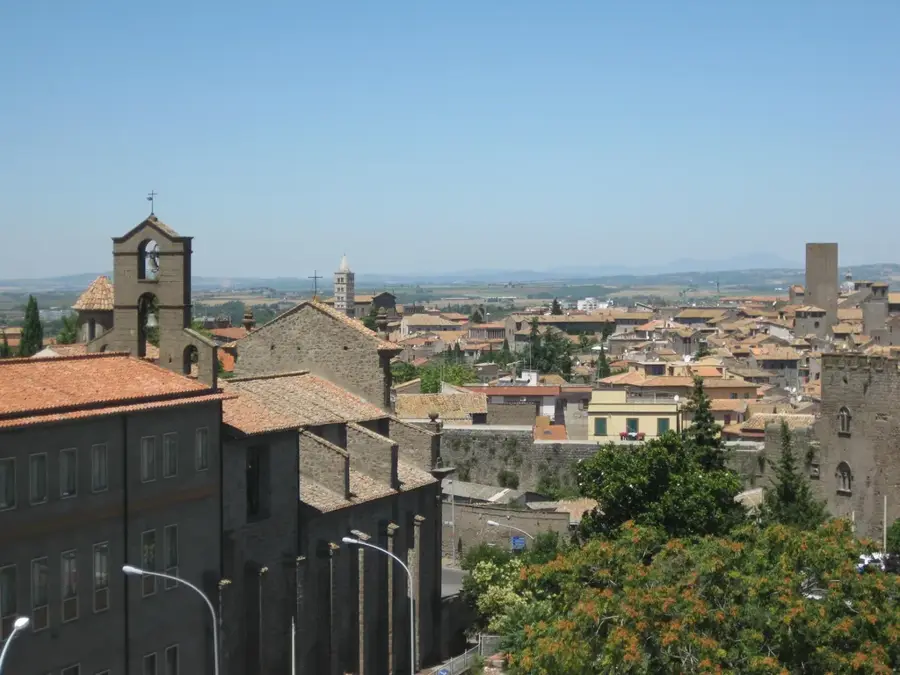
Viterbo, the capital of its namesake province in northern Lazio, reached its zenith in the 13th century when it served as the official Papal residence for 24 years. The Palazzo dei Papi hosted the first and longest conclave in history in 1268. The historic center, particularly the San Pellegrino district, is an architectural marvel of gray volcanic stone buildings, profferli (external stairs), and narrow alleys that transport visitors back to the Middle Ages. The city is also renowned for its thermal springs, such as the Bullicame, cited by Dante Alighieri in his Divine Comedy. Every September 3rd, the city celebrates its patron saint with the Macchina di Santa Rosa, a spectacular 30-meter-high illuminated tower carried through the streets.
The most pleasant time to visit is Jun, Jul, Sep.
| Jan | Feb | Mar | Apr | May | Jun | Jul | Aug | Sep | Oct | Nov | Dec | |
|---|---|---|---|---|---|---|---|---|---|---|---|---|
| Avg °C | 6 | 6 | 9 | 13 | 17 | 22 | 25 | 25 | 20 | 16 | 11 | 7 |
| Rain mm | 63 | 67 | 68 | 53 | 58 | 35 | 28 | 29 | 73 | 79 | 110 | 87 |
See what it looks like near Viterbo right now.
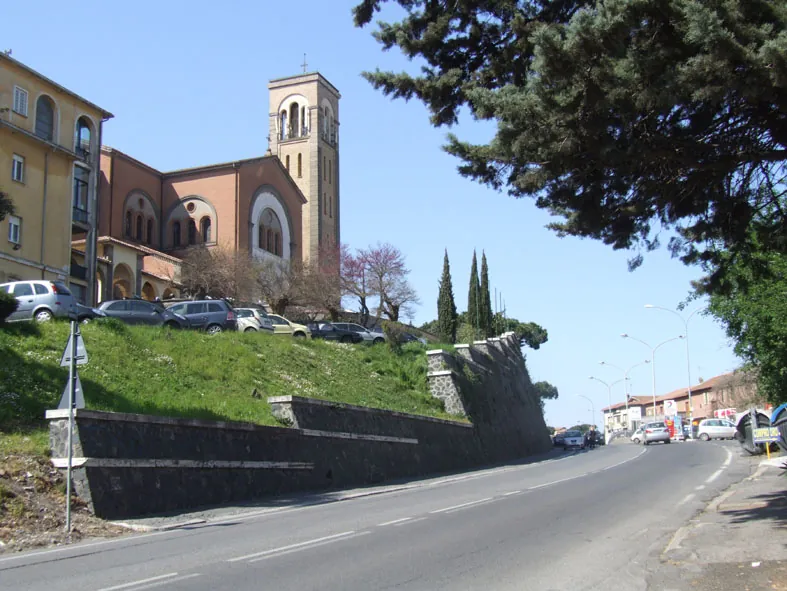
Viterbo › South-east: Church of Saint Leonard Murialdo · 1 km · Open webcam on Windy · Webcams provided by Windy.com
Notable places around
Where do you start? We build the route here, with stops and country notes along the way.
© OpenStreetMap contributors · OpenRouteService
Start your day at the monumental Fontana Grande, one of the city's oldest symbols. Stroll to Piazza del Plebiscito, where the stone lions of Viterbo guard the administrative palaces. At midday, immerse yourself in the magic of the San Pellegrino district, one of Italy's best-preserved medieval quarters. The authentic atmosphere is palpable among the stone arches and external staircases. In the afternoon, explore the Papal Palace, the site of the first conclave, and admire the Romanesque elegance of the San Lorenzo Cathedral. End your day at the National Etruscan Museum inside the Albornoz Fortress to understand the deep ancient roots of this region in Lazio.
Viterbo in the rain feels like a medieval film set, as the wet peperino stone of Fontana Grande takes on a deep, dark glow. By noon, the porticos of Piazza del Plebiscito provide a dry sanctuary. Spend the rainy afternoon exploring the grand halls of the Palazzo dei Papi and the Cathedral. Your day concludes inside the Etruscan Museum, safely sheltered from the weather while exploring ancient history.
Winter mornings in Viterbo often start with a mystical mist over the Fontana Grande. The crisp, cold air bites as you wander through the medieval San Pellegrino district. By noon, warm up with a hearty local soup near the Papal Palace. With the sun setting around 4:30 PM, the twilight glow creates a cozy atmosphere for your late afternoon museum visit.
Start your day at the Sanctuary of Santa Rosa, dedicated to Viterbo's patron saint. After a short stroll in the medieval San Pellegrino, drive to the Papal Palace. In the afternoon, head outside the center to visit Villa Lante in Bagnaia, famous for its perfectly symmetrical Renaissance gardens and water features. End your day with a relaxing soak at the Terme dei Papi, whose healing thermal waters have been appreciated since the time of the Popes.
Driving through Viterbo in the rain ensures a comfortable and dry journey. Start at the Sanctuary of Santa Rosa, with parking conveniently close. By noon, explore San Pellegrino with an umbrella ready. In the afternoon, the gardens of Villa Lante take on a mystical quality as the fountains blend with the rainfall. Finish your day soaking in the warm outdoor pools of Terme dei Papi.
Visiting Viterbo by car in winter allows you to stay warm while hopping between sites. Start your morning at Santa Rosa as the city slowly wakes up. After a brisk walk through freezing San Pellegrino, the heated car interior is a welcome relief. Villa Lante looks ethereal in the low winter light. End your day perfectly in the steaming waters of Terme dei Papi.
Italian primary; local Tuscia dialect heard. English basic in old town, better in hotels.