Plizio Visual Lab

Falster Bakke
Plizio editorial teamData Sources
peak
—°3
Falster Bakke (Denmark)

Weather…

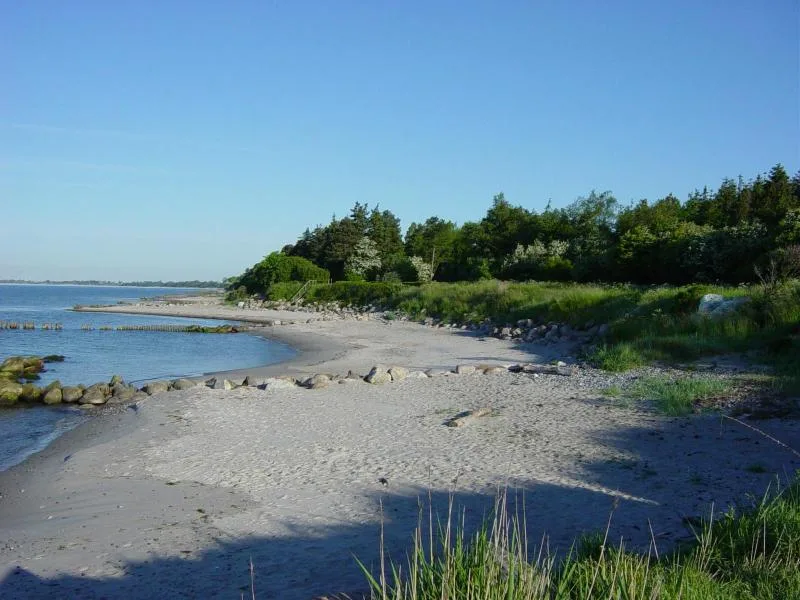
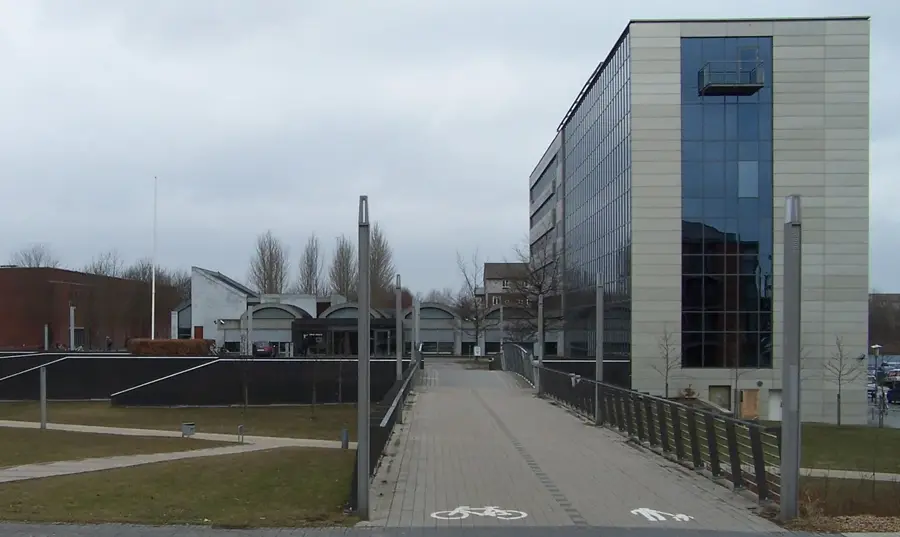
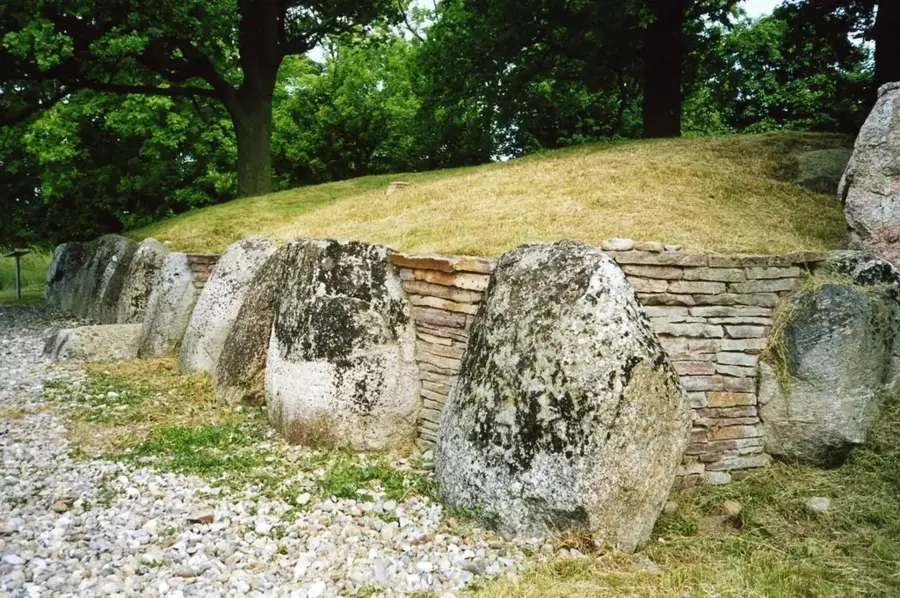
The relief of the island of Falster is predominantly flat to gently undulating, yet it contains several significant geological features. The island was formed as part of a moraine landscape during the last Ice Age, with modest elevations occurring primarily in the central and northern regions. The highest natural point on the island is Bavnehøj, reaching an elevation of 44 meters above sea level, providing clear views across the Danish archipelago. In stark contrast to the hilly north, the southern part of Falster is extremely low-lying, with areas like Bøtø Nor actually situated below sea level following reclamation and damming projects. This topographic duality makes Falster an interesting example of coastal dynamics and land management in Denmark. The soil is mostly composed of fertile loam, which has made the island a hub for sugar beet production for centuries. Along the eastern coast, the relief transitions smoothly into the extensive sandy beaches of Marielyst. The terrain's configuration significantly influences the island's drainage systems and the distribution of its vast agricultural fields.

Best time to visit & climate

The most pleasant time to visit is Jun–Aug.

JanFebMarAprMayJunJulAugSepOctNovDec
Avg °C113712161818151163
Rain mm604742354764707854645962

📋 Practical info

🧭
Getting there
The elevation on the island of Falster is typically best reached by car via local island roads, as public transport in rural areas is often sparse. Cyclists particularly appreciate the generally flat approach route leading right up to the hill itself.
📅
Best season
Summer is easily the most popular season for a visit, when the surrounding agricultural landscape of the island is in full bloom and days are long. In late autumn and winter, a chilly breeze often sweeps across the flat island, making outdoor walks much harsher.
⛰️
Terrain & paths
The terrain is a rather flat elevation that stands out from the typical moraine landscape, offering gentle, easily walkable field and meadow paths. The trails are mostly unpaved dirt or grass, but they completely lack any demanding or steep inclines.
🎒
What to bring
Normal leisure shoes are usually perfectly sufficient for the gentle paths, provided it has not rained heavily in the immediately preceding days. Binoculars are a great idea for observing the wider surroundings and potentially birds from this slight elevation.
🅿️
Parking
There are generally no large, developed parking lots; instead, visitors often park their cars considerately along road edges or in nearby rural villages. It is highly important not to block any entrances to fields or working agricultural operations.
⚠️
Safety
The relatively flat environment poses virtually no natural hazards, allowing for a genuinely relaxed and safe countryside walk. Since agricultural lands adjoin the area, you should behave respectfully and always keep dogs on a leash to avoid disturbing wildlife.
⏱️
Time needed
A visit here is mostly short, typically lasting between 30 and 45 minutes, often serving as a brief stop during a longer bike tour across the island. The duration depends heavily on how much you wish to pause and enjoy the quietness of the open landscape.

Geography

Coordinates
54.75110, 11.95220

Facts

  • Bavnehøj is the highest point on Falster, standing at 44 meters above sea level.
  • Southern Falster features reclaimed lands that sit below the current sea level.
  • The island was shaped by moraine deposits during the Weichselian glaciation.
  • The topography is significantly more hilly in the north than in the flat south.
  • Fertile loamy soils are a result of the island's glacial geological origins.
  • Marielyst on the east coast is situated on a flat coastal spit behind sand dunes.

Explore nearby

Notable places around
Route planner — Car & Motorhome

Where do you start? We build the route here, with stops and country notes along the way.

Vehicle
Only stops with (optional):

© OpenStreetMap contributors · OpenRouteService

Sights in the town Falster Bakke (3)

Galleri Matthies🏛 museum

A local art gallery showcasing various works in the Falster area.

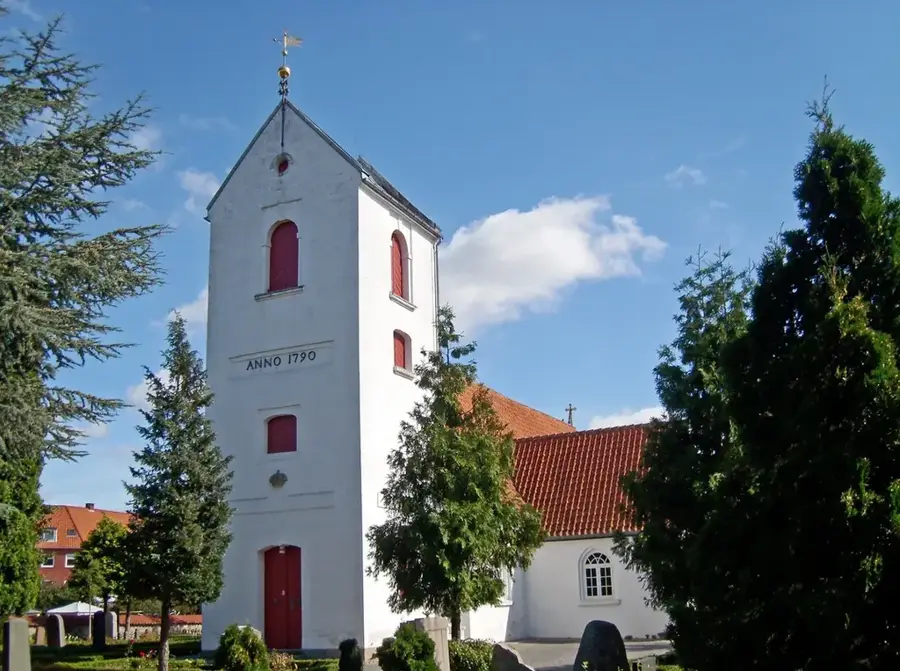
Sønder Alslev Kirke⛪ religious

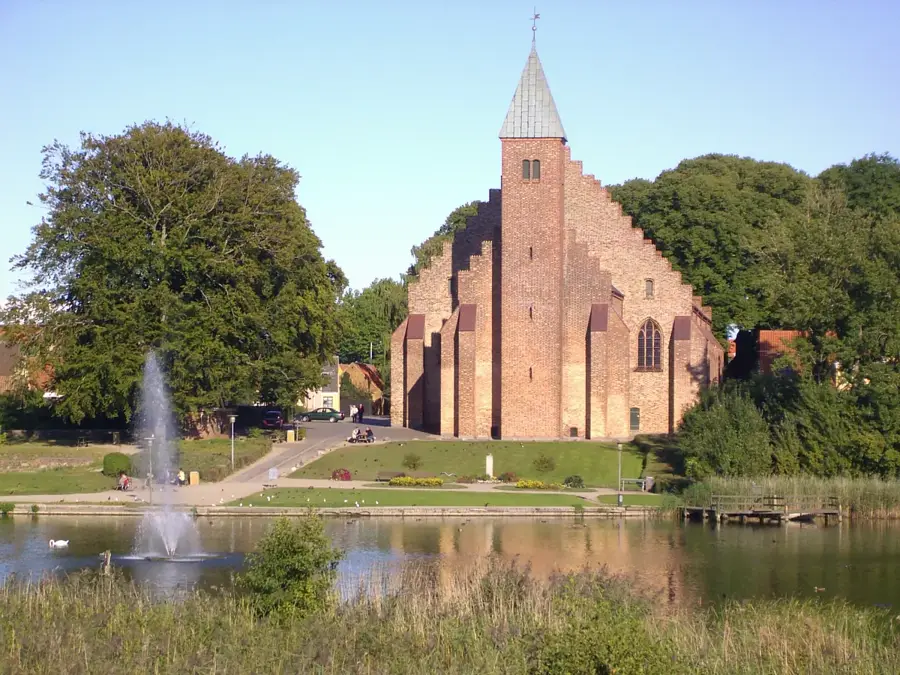
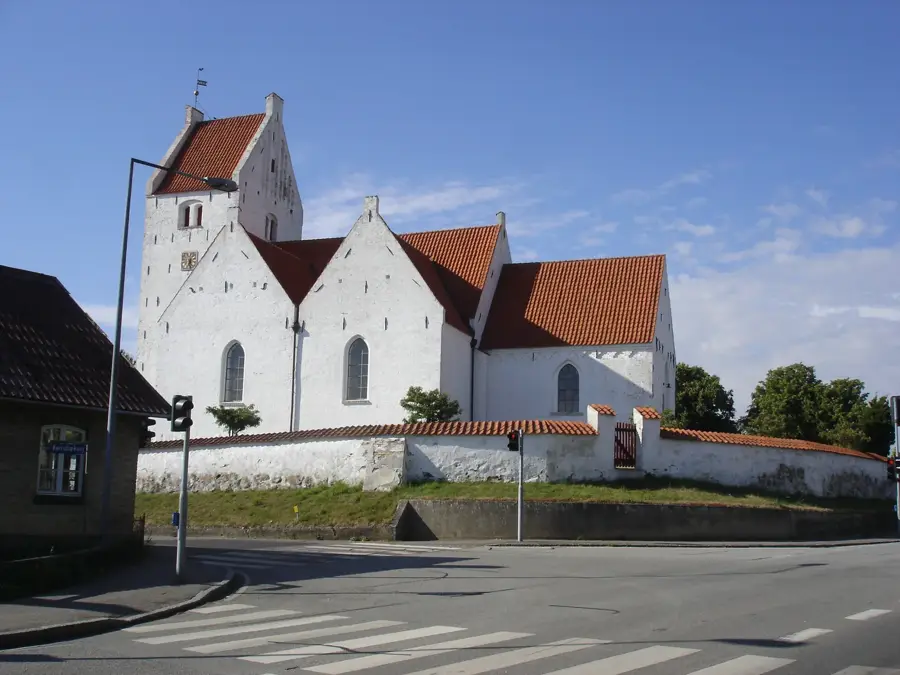
A medieval parish church known for its architecture on Falster island.

Sønder Kirkeby Kirke⛪ religious

A historic village church on Falster, notable for its medieval wall paintings.

Sights nearby

Frequently asked questions

Where is Falster Bakke?
On the island of Falster in southern Denmark.
What is the highest point of Falster?
Bavnehøj is the highest point on the island at approx. 44 meters.
Are there beautiful beaches?
Yes, Marielyst is one of Denmark's most famous and best beaches.
What can you do in Nykøbing Falster?
Visit the Medieval Centre or stroll through the alleys.
Where is the southernmost point?
Gedser Odde is the southernmost point of Denmark and all of Scandinavia.
Falster Bakke: where is it located?
Falster Bakke is located in Denmark.
Falster Bakke: what is there to see?
Highlights include Galleri Matthies, Sønder Alslev Kirke, Sønder Kirkeby Kirke.
Falster Bakke: when is the best time to visit?
The most pleasant time to visit is Jun, Aug.
Falster Bakke: why is it worth visiting?

The relief of the island of Falster is predominantly flat to gently undulating, yet it contains several significant geological features.
View on map → The Top 50 Attractions → Most beautiful beaches → OpenStreetMap →
Europe
Explore with Plizio Discover more places in Europe
More places in Denmark →

Nearby cities

History & landmarks