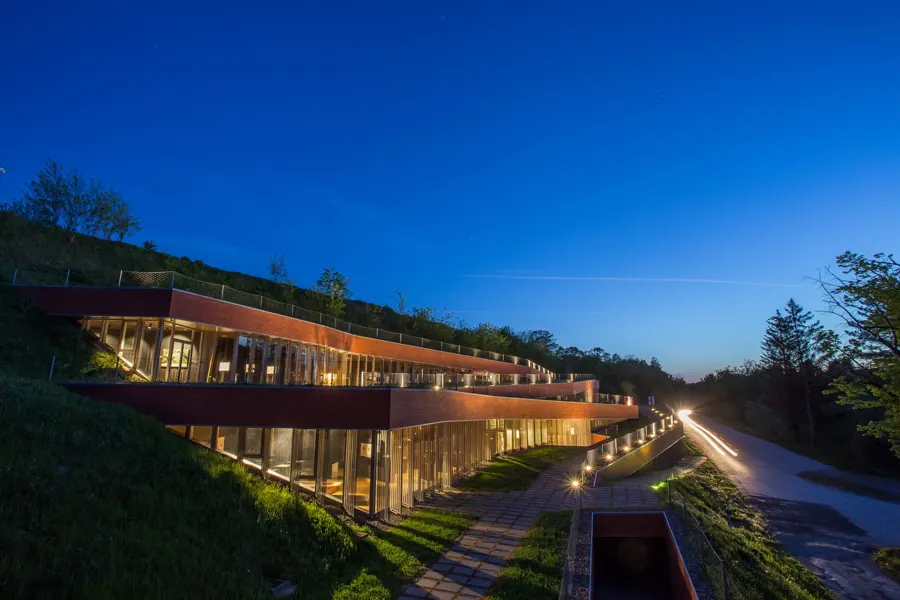


Vučedol Culture Museum🏛 museum
Museum in Croatia dedicated to the Neolithic Vučedol culture, with artifacts and reconstructions.
🌐 vucedol.hr🕒 Tu-Su 10:00-18:00
Plizio Visual Lab
The Vučedol archaeological site, located on the banks of the Danube near Vukovar, is the namesake of one of Europe's most significant Eneolithic (Copper Age) cultures, flourishing between 3000 and 2500 BC. This highly developed civilization was renowned for its sophisticated pottery, advanced copper metallurgy, and early astronomical observations. Its most famous artifact is the 'Vučedol Dove,' a ritual vessel in the shape of a bird, which has become an iconic symbol of Croatian archaeology. The Vučedol people were masters of metal casting, utilizing techniques that were revolutionary for their time. Excavations at the Gradac plateau suggest a structured social hierarchy and a settled lifestyle based on livestock breeding and agriculture. The modern Museum of Vučedol Culture presents these findings through interactive displays, highlighting the culture's unique achievements, such as the oldest known Indo-European calendar based on the constellations. The site is crucial for understanding the Indo-European roots and the technological transitions in prehistoric Southeast Europe.
Notable places around
Where do you start? We build the route here, with stops and country notes along the way.
© OpenStreetMap contributors · OpenRouteService
Museum in Croatia dedicated to the Neolithic Vučedol culture, with artifacts and reconstructions.