Osijek City Days
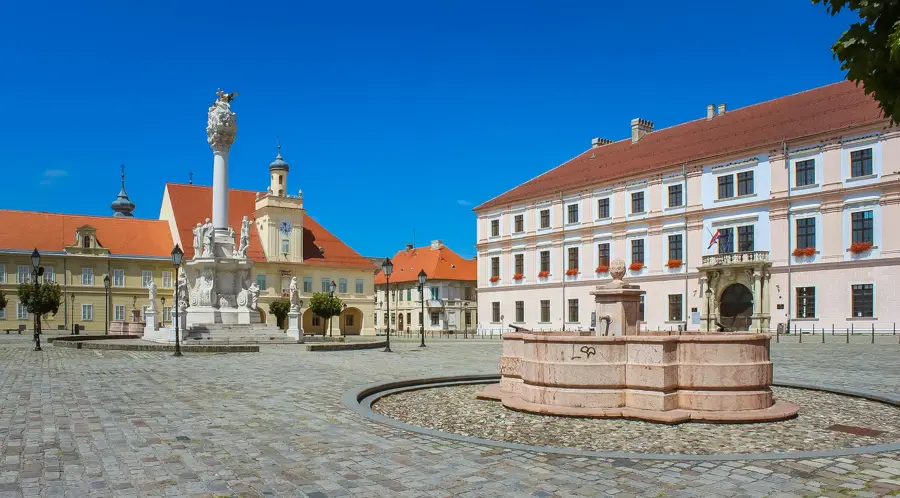
Recurring city celebration in December with concerts, exhibitions and events around the baroque Tvrdja fortress.
PlizioGo
A traditional, spicy fish stew typically served in riverside restaurants known as čardas.
A premium spicy sausage from Slavonia, often served as an appetizer with local cheeses.
Plum jam-filled dough pockets, a popular sweet dessert in traditional Slavonian taverns.
The convenient place to buy local produce like kulen, honey, and fresh vegetables.
Look for premium local wines, especially Graševina, in wine shops around the Tvrđa.
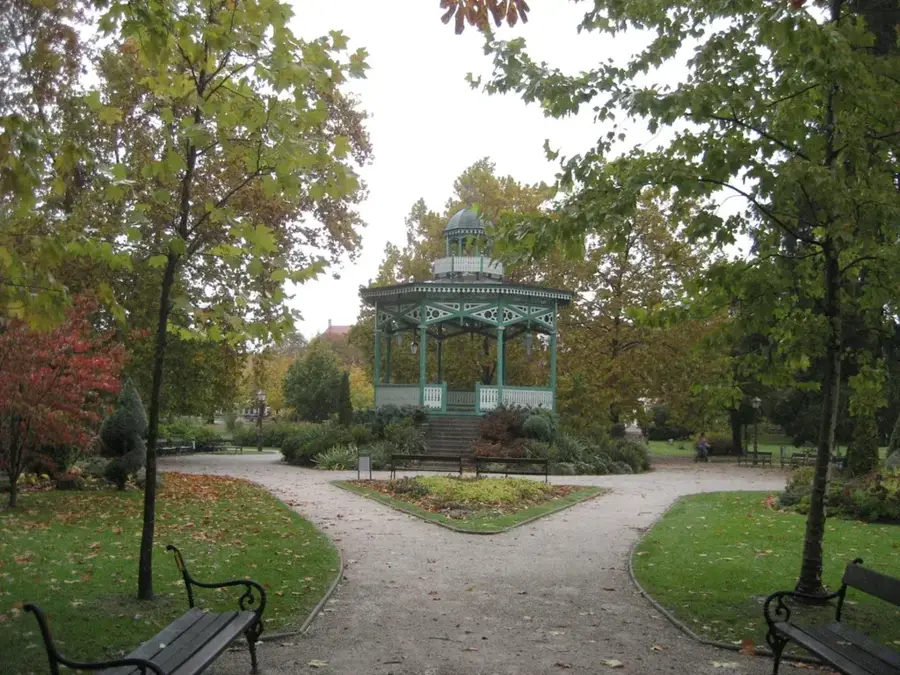
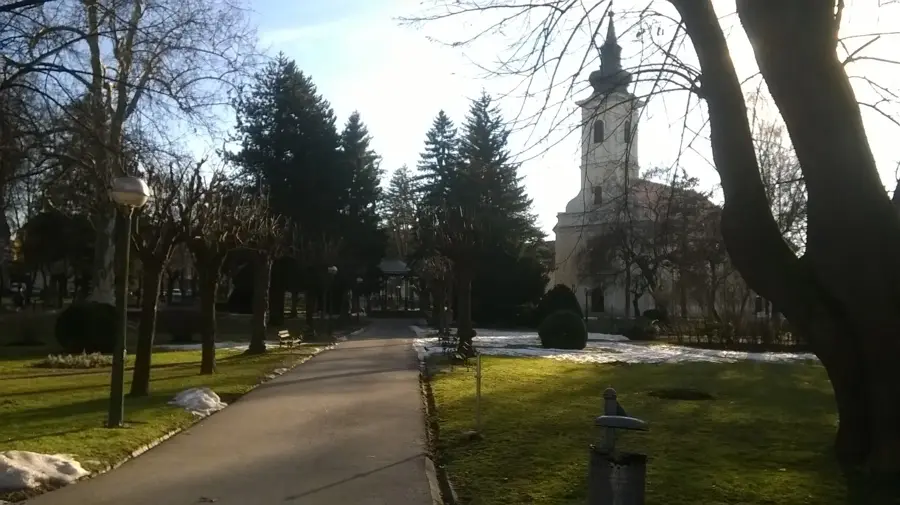
A vast, green park well-suited for a relaxing break under the shade of trees.
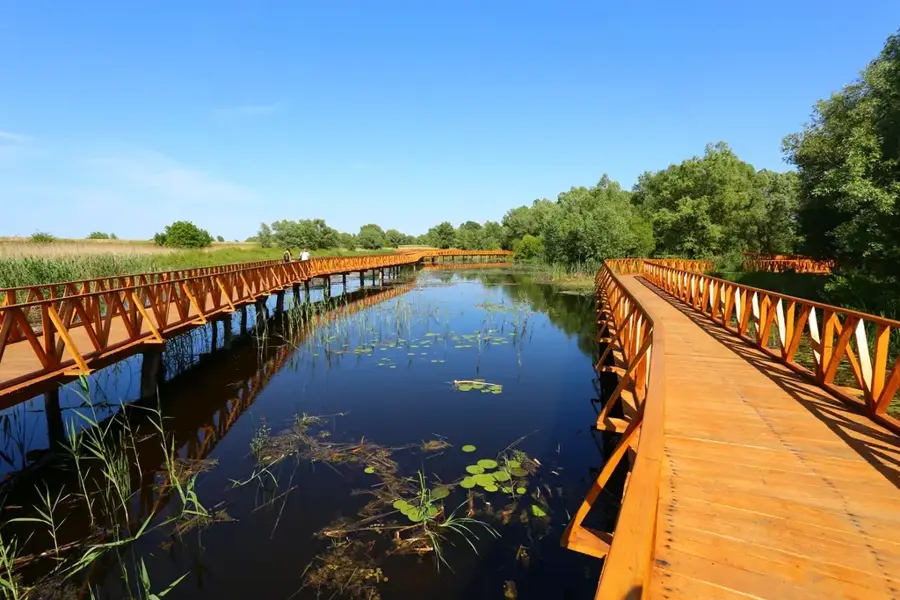
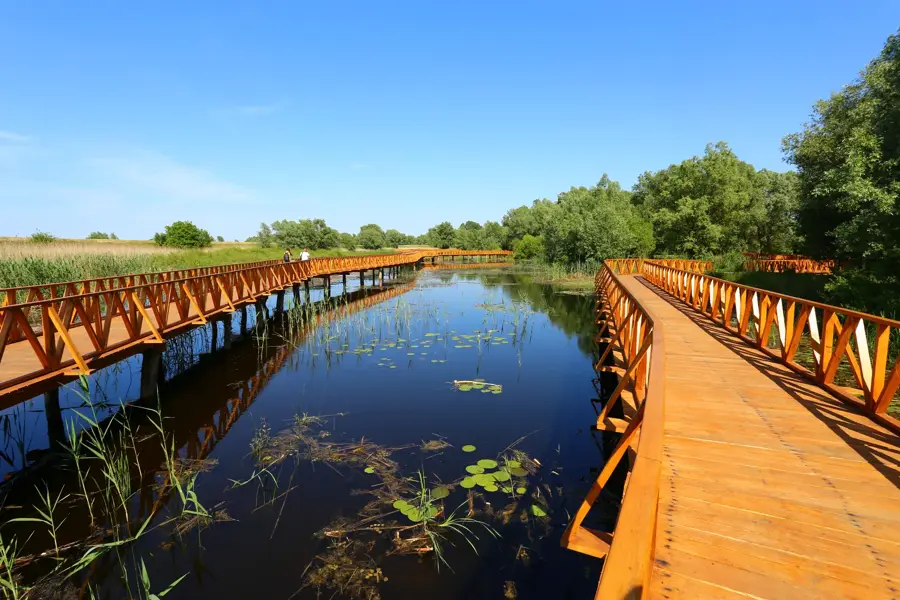
The bridge features quiet moments and a great view of the Drava river, especially at night.
Water temperature…
Recurring city celebration in December with concerts, exhibitions and events around the baroque Tvrdja fortress.
Osijek celebrates its city day each September with concerts, fairs and events in the Tvrdja fortress quarter.
One of Southeast Europe's largest extreme sports events, held each late summer in Osijek's Tvrdja fortress with BMX, skateboarding and music.
One of southeastern Europe's oldest extreme sports festivals, held every summer in Osijek. BMX, skateboard and inline competitions with an accompanying music programme.
From June to August theatre, concerts and street art fill Tvrdja, the baroque fortress of Osijek.
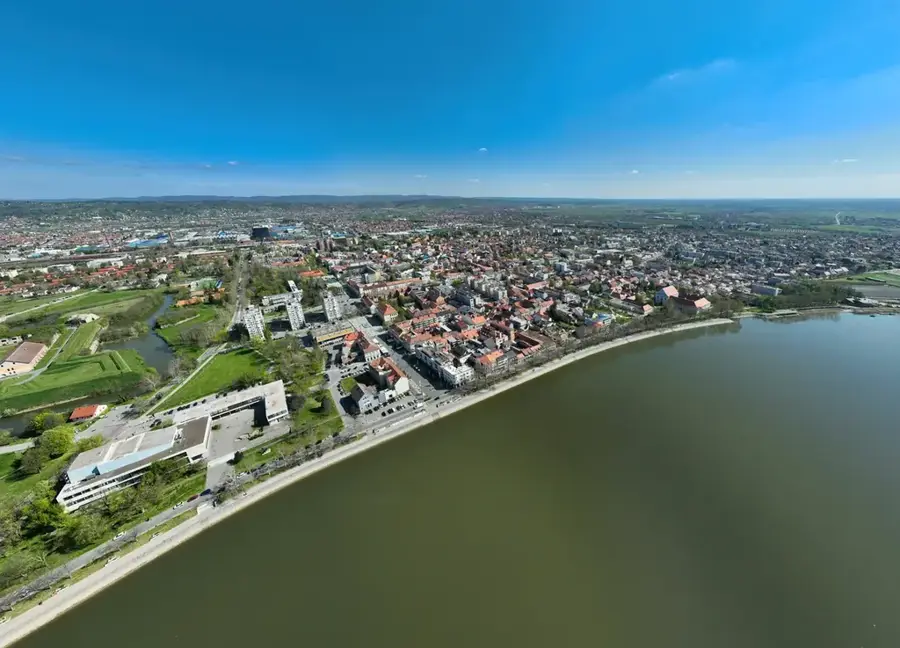
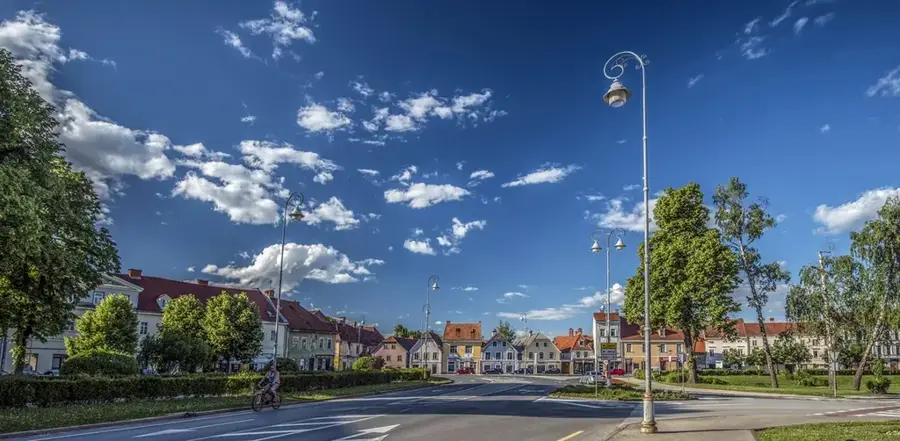
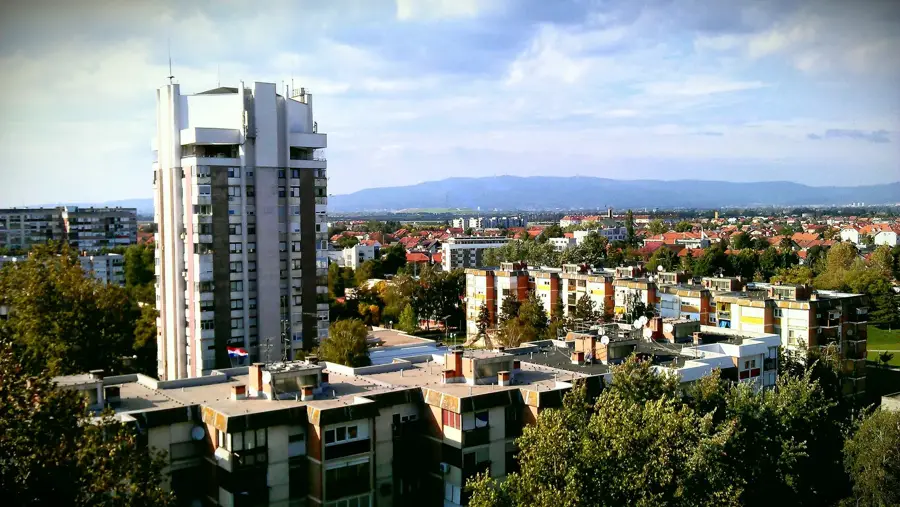
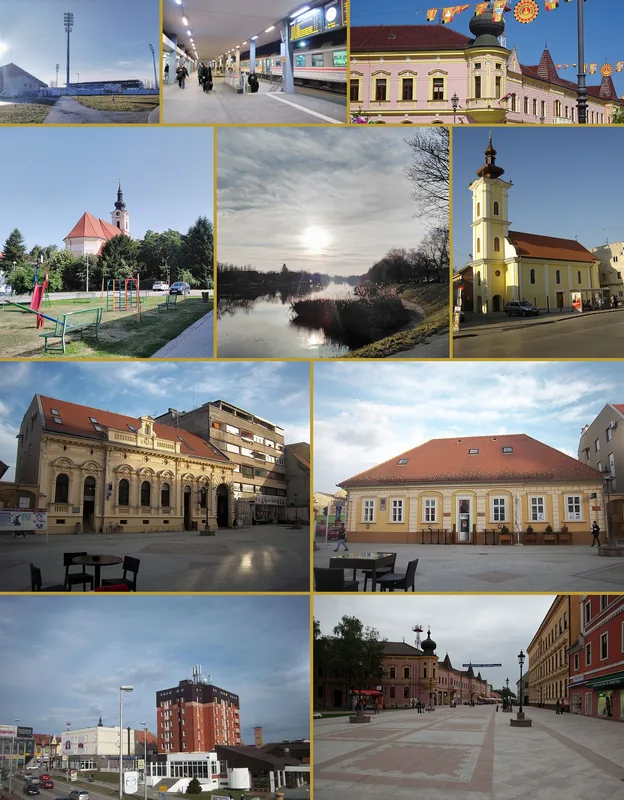
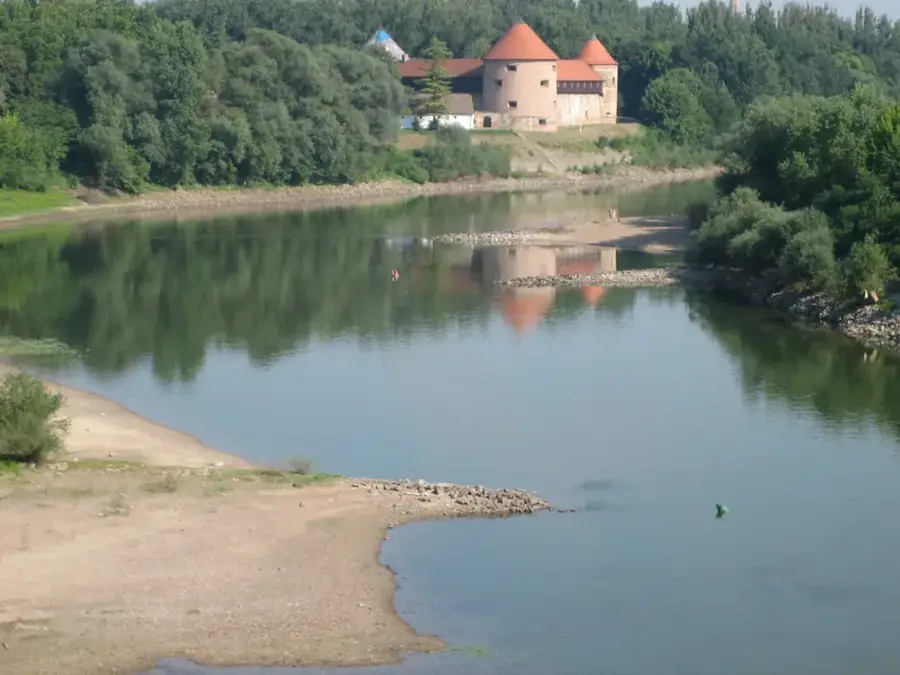
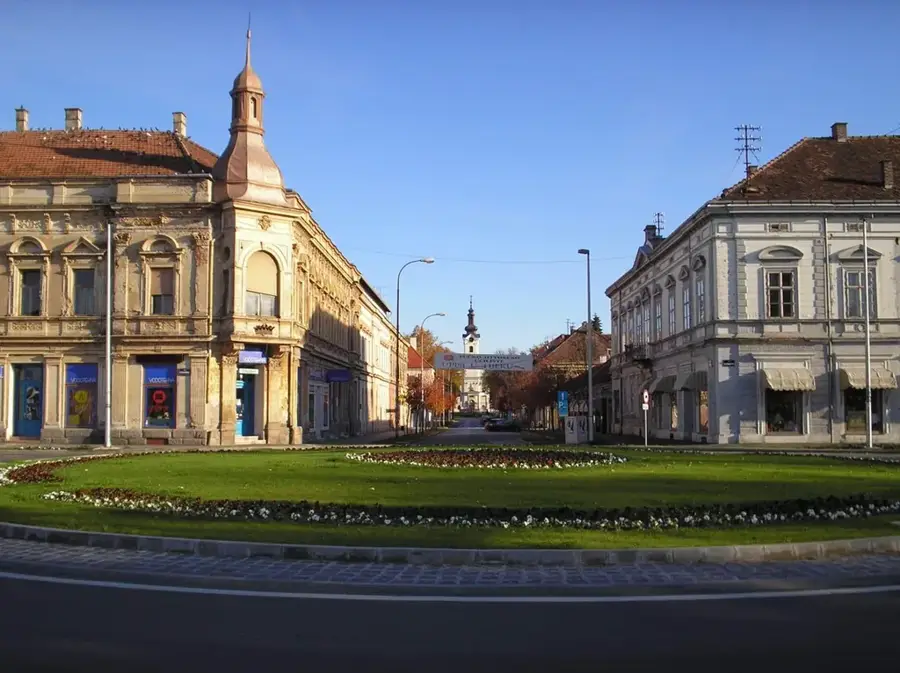
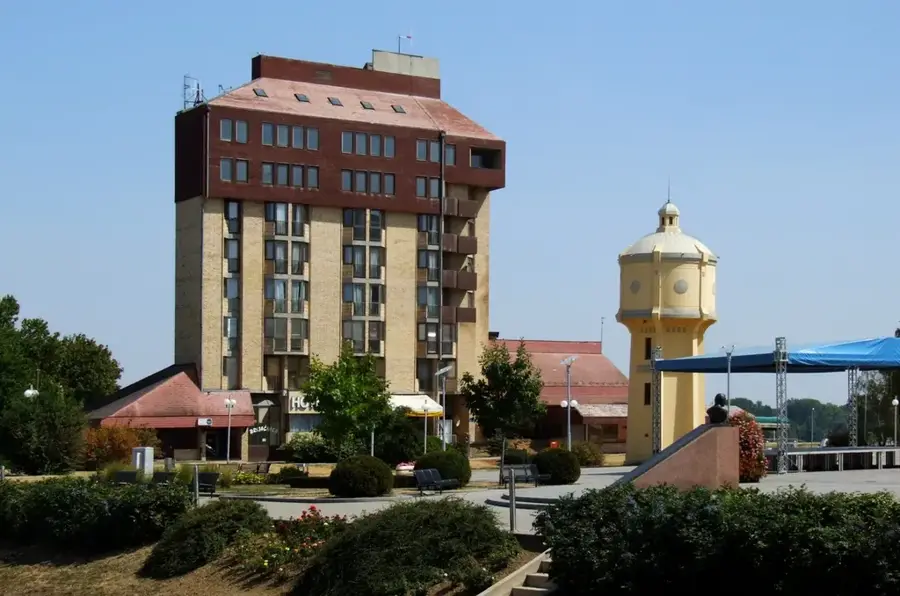
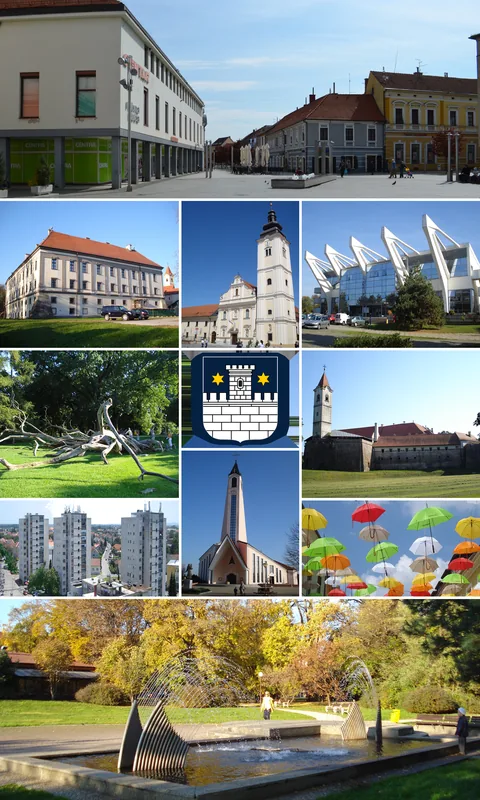
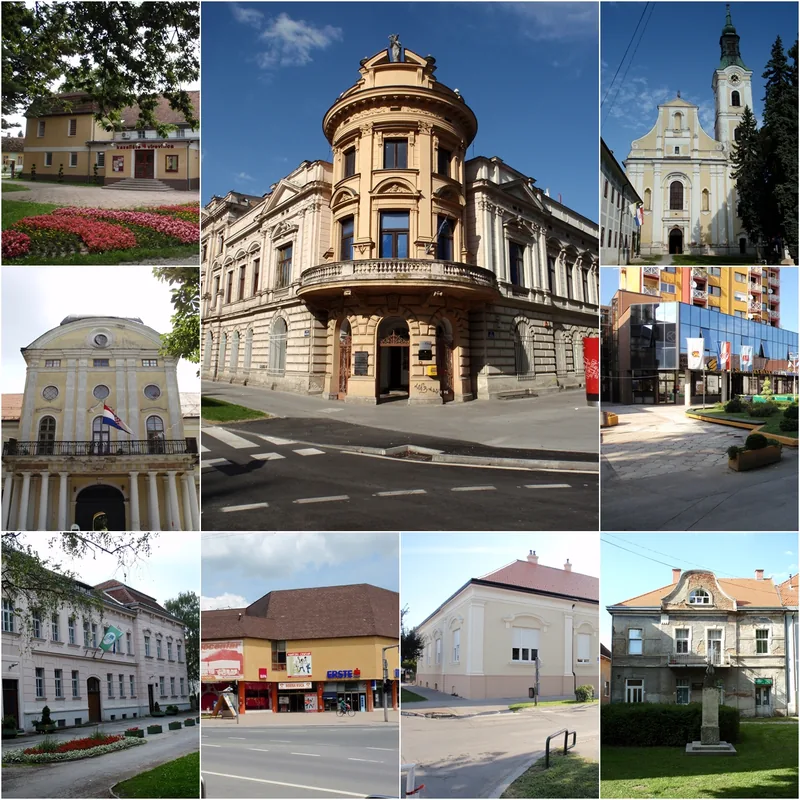
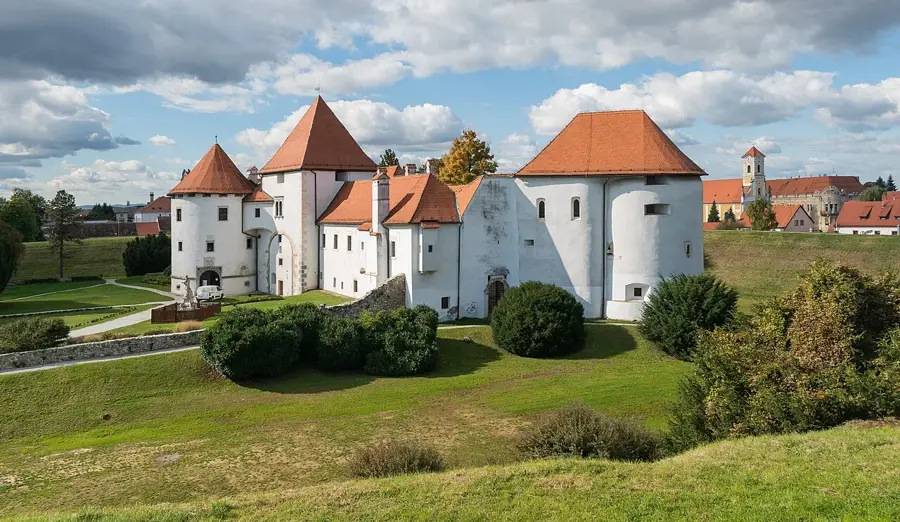
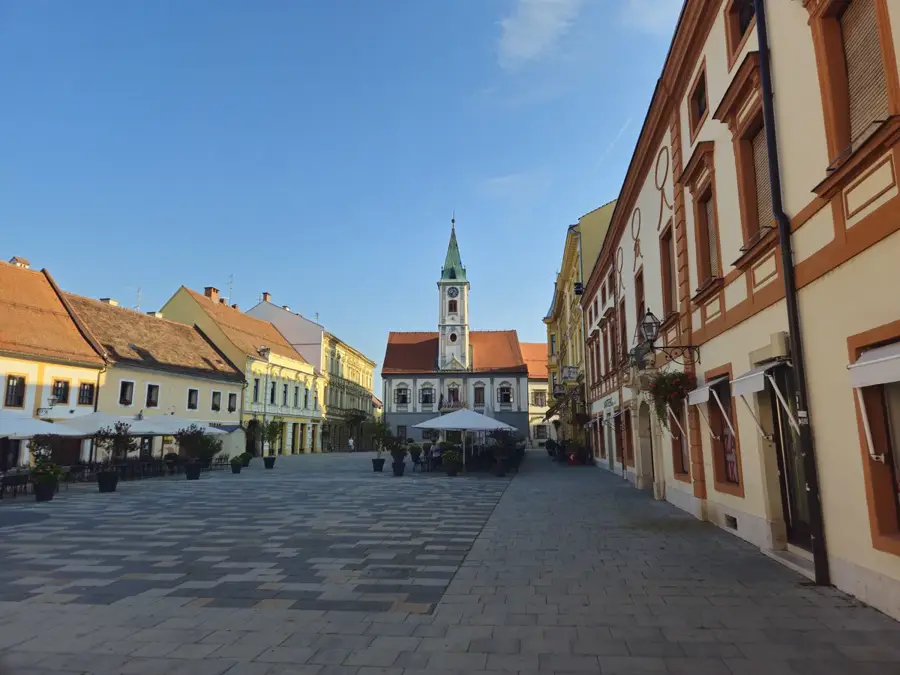
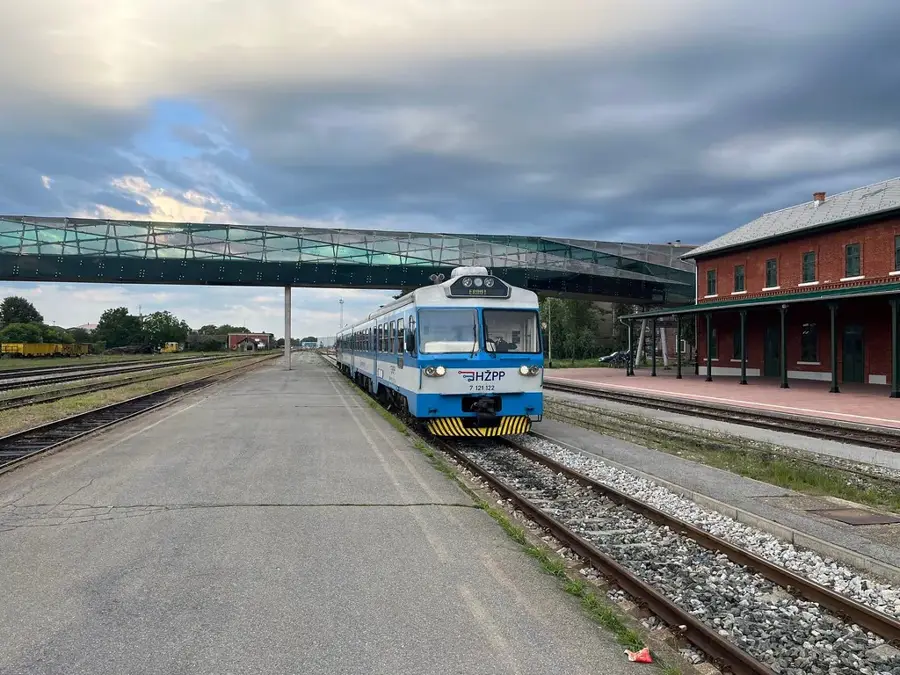
Osijek is the largest city in eastern Croatia and serves as the cultural and economic capital of the Slavonia region. It is situated on the right bank of the Drava River, approximately 25 kilometers before it flows into the Danube. The city's architectural identity was largely formed during the Habsburg era, characterized by elegant Baroque and Art Nouveau buildings. Its most significant landmark is the Tvrđa, a well-preserved 18th-century star-shaped fortress that houses numerous cultural institutions and university departments. Osijek is widely regarded as one of Croatia's greenest cities, boasting numerous parks and a long riverside promenade known as the Promenada. The neo-Gothic Co-cathedral of St. Peter and Paul dominates the skyline with its impressive 90-meter-tall spire. As a major educational hub, it is home to the Josip Juraj Strossmayer University, which attracts students from across the country. The city also acts as a vital transport link, connecting international rail and road networks between Hungary, Serbia, and Bosnia and Herzegovina.
The most pleasant time to visit is Jun, Aug, Sep.
| Jan | Feb | Mar | Apr | May | Jun | Jul | Aug | Sep | Oct | Nov | Dec | |
|---|---|---|---|---|---|---|---|---|---|---|---|---|
| Avg °C | 0 | 2 | 7 | 12 | 17 | 22 | 24 | 24 | 18 | 13 | 7 | 1 |
| Rain mm | 46 | 48 | 47 | 50 | 81 | 83 | 61 | 57 | 62 | 57 | 50 | 47 |
Notable places around
Where do you start? We build the route here, with stops and country notes along the way.
© OpenStreetMap contributors · OpenRouteService
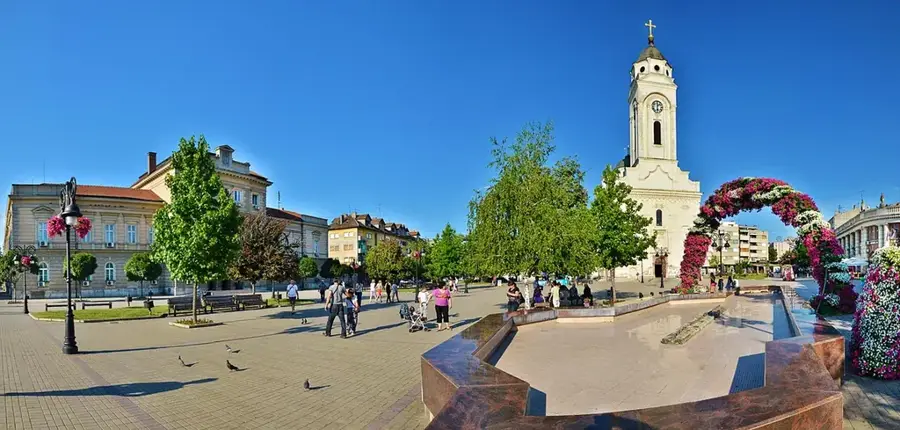
Start your walking tour in the bustling Ante Starčević Square, the heart of Osijek. The morning is for exploring the towering Co-cathedral and strolling down European Avenue, lined with magnificent Art Nouveau buildings leading to Sakuntala Park. The afternoon is dedicated to the baroque fortress, Tvrđa, where you'll visit the Museum of Slavonia and delve into the region's rich history. End your day with a walk to the Drava Pedestrian Bridge to catch a picturesque sunset painting the sky in vibrant colors.
Morning starts under umbrellas at the main square, with secessionist facades shining in the rain. Midday provides a perfect dry refuge inside the massive Co-cathedral. In the afternoon, we retreat into the museums of the Tvrđa fortress to stay dry. The evening ends with an atmospheric, albeit wet, crossing of the Drava pedestrian bridge.
Morning starts with a cold wind blowing across the empty main square. The Co-cathedral offers a prayerful silence and protection from the frost. In the afternoon, we warm up in the galleries of Tvrđa while hoarfrost decorates the baroque buildings outside. The day ends early at sunset by the Drava, as winter lights illuminate the city.
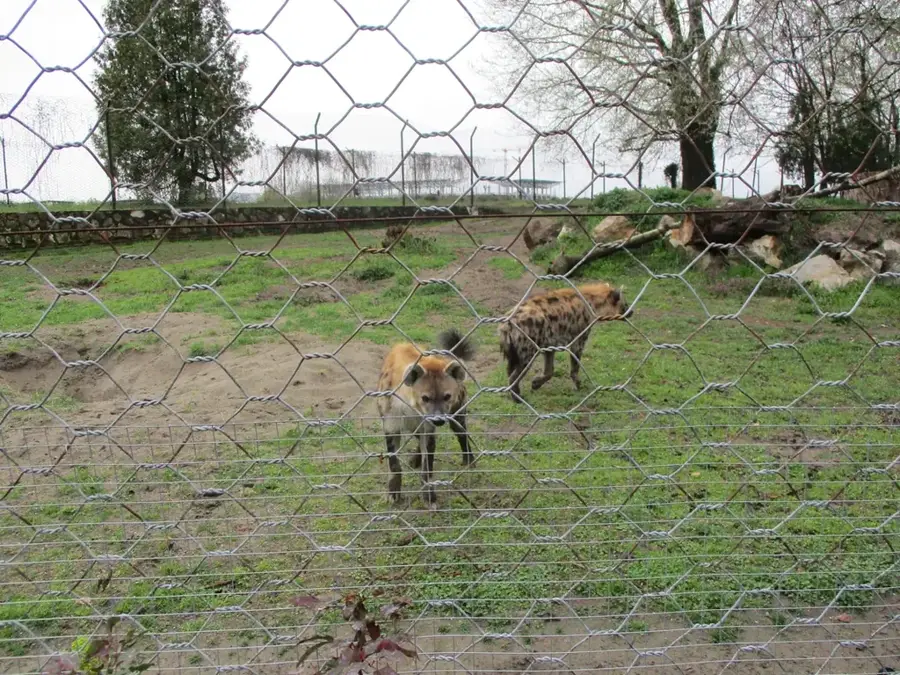
Start your bike adventure at the Osijek Zoo on the Drava riverbank. In the morning, you'll cross the scenic pedestrian bridge and cycle to the historic Tvrđa fortress where you'll stop for lunch. In the afternoon, dive into history at the Museum of Slavonia before cycling to the city center to admire the impressive Co-cathedral. End your day at Ante Starčević Square, relaxing with a refreshing drink and soaking up the city's atmosphere.
Rainy cycling through the zoo, where paths can be muddy. The wind whips across the Drava bridge as we rush toward the fortress. In Tvrđa, the museum provides shelter for both mind and bike. Returning to the main square requires full concentration on the wet pavement.
A frosty ride to the zoo, where animals wait in their winter coats. The wind on the bridge bites the face, but the view of the icy Drava is spectacular. Tvrđa offers warm museums as stopping points. The ride back to the lit center takes place in the early twilight.
Start your day at the Osijek Zoo, easily accessible by car. After the zoo visit, drive to the historic Tvrđa fortress. Park your car and spend midday exploring the fortress, the Museum of Slavonia, and admiring the Art Nouveau architecture of the European Avenue on foot. In the afternoon, drive to the city center, visit the magnificent Co-cathedral and the main square. End your day with a relaxing walk to the Drava Pedestrian Bridge to enjoy the sunset.
Comfortable drive to the zoo while rain drums against the windows. We park close to the fortress to minimize wet walking paths. European Avenue looks elegant and melancholic in the rain. The day ends at the bridge, leaving the dry car only when the shower subsides.
Winter drive through snowy Slavonia to the zoo. The heater is on full blast while we visit the baroque fortress. At twilight, the avenues shine festively. We end the day with a brief look at the Drava before returning to the warm car.
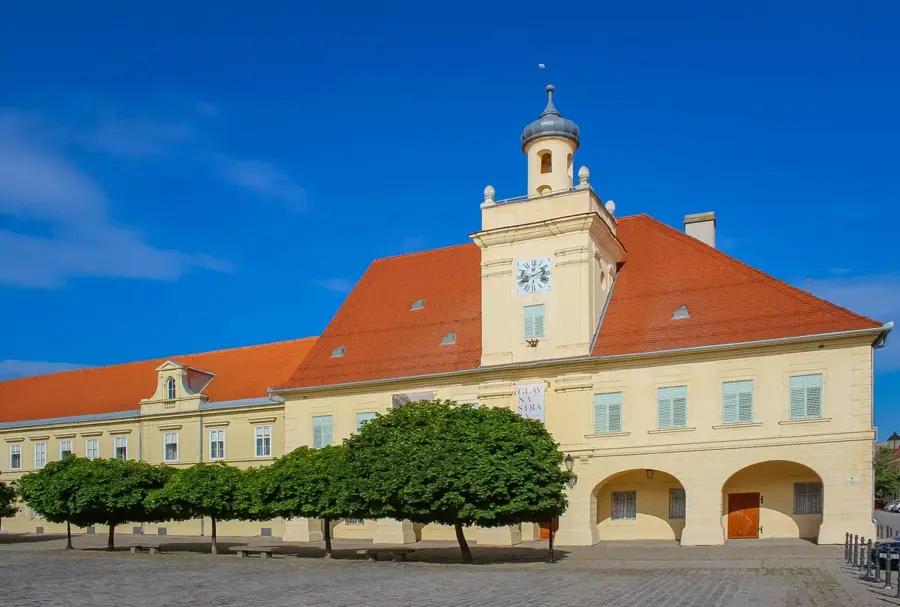
Located in the Tvrđa fortress, this museum displays significant archaeological finds from the Slavonia region.
This museum showcases an extensive collection of shells and fossils from the Drava River and oceans around the world.