Plizio Visual Lab
Čavoglave
ℹ️Practical info — Čavoglave
▾
🌤 Weather — 5 days
📍 Nearby
Sights nearby
💡 Tips
- Visit the source of the Čikola River in spring, when the water flow is most impressive after the snowmelt.
- Keep in mind that the Čikola River often dries up in mid-summer, leaving behind only a rocky bed.
- Try the famous Drniš prosciutto (smoked ham), which matures perfectly in this area thanks to the Bura wind.
- The village is very traditional; respect the privacy of residents and the quiet atmosphere of the hinterland.
🍽 Food
A world-renowned air-dried ham that gains its unique aroma from the dry mountain Bura wind.
A rare sheep’s milk cheese aged in a lambskin sack, it has a strong, pungent, and savory flavor.
Meat and potatoes slow-cooked under a heavy iron bell covered in embers, a staple of the hinterland.
🛍 Shopping · 🧘 Quiet spots
Look for family farms (OPG) selling homemade honey, wine, and olive oil directly to visitors.
An authentic place to buy artisanal food and traditional products of the Dalmatian Zagora.
The meadows around the spring in Mirlović Polje offer a peaceful setting for a solitary walk.
One of the largest medieval fortresses in Croatia, perched above the canyon, usually very quiet and undiscovered.
Water temperature…
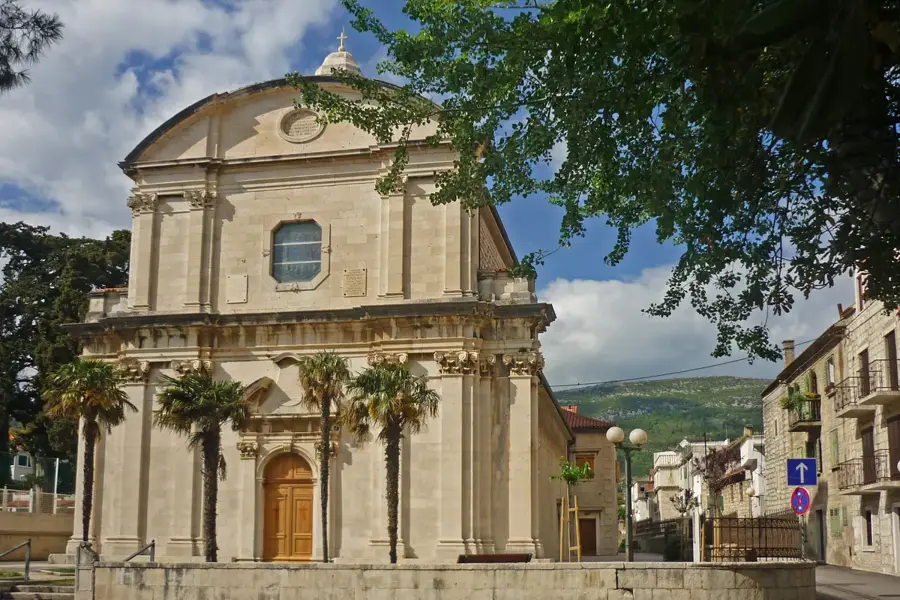
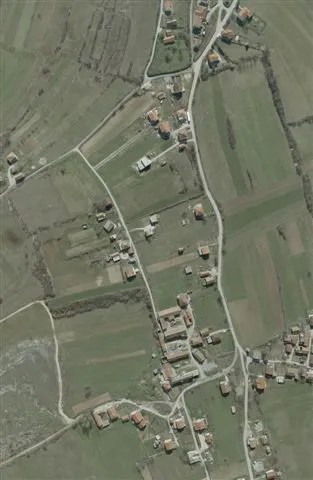
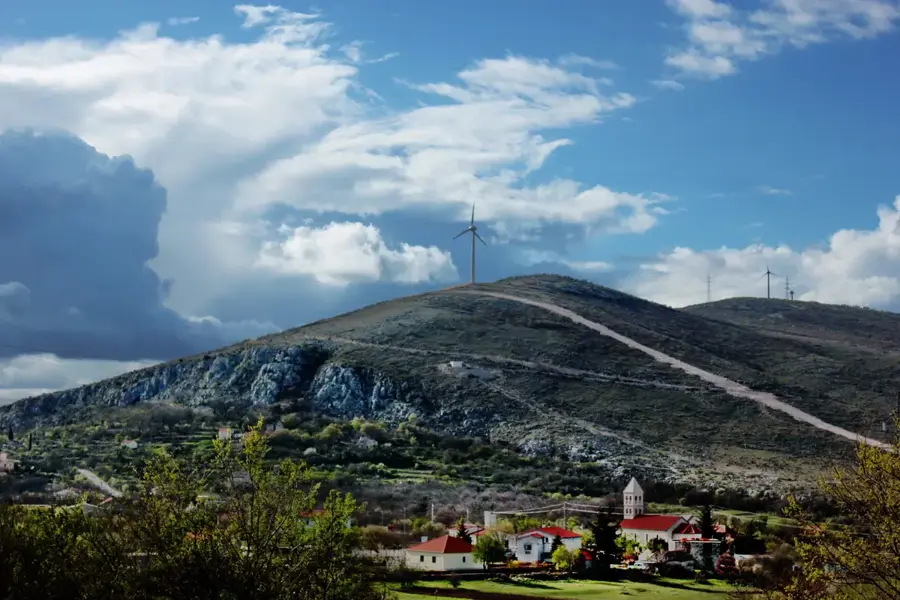
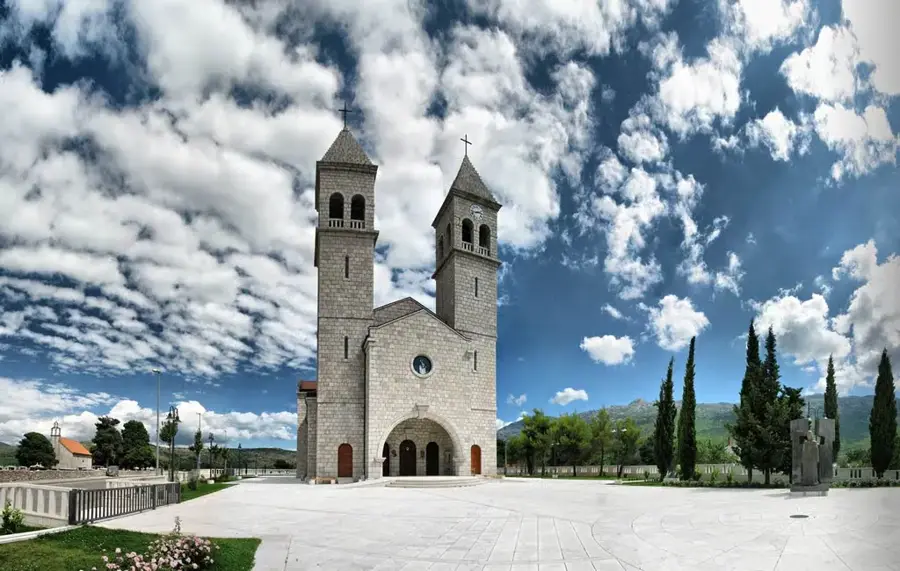
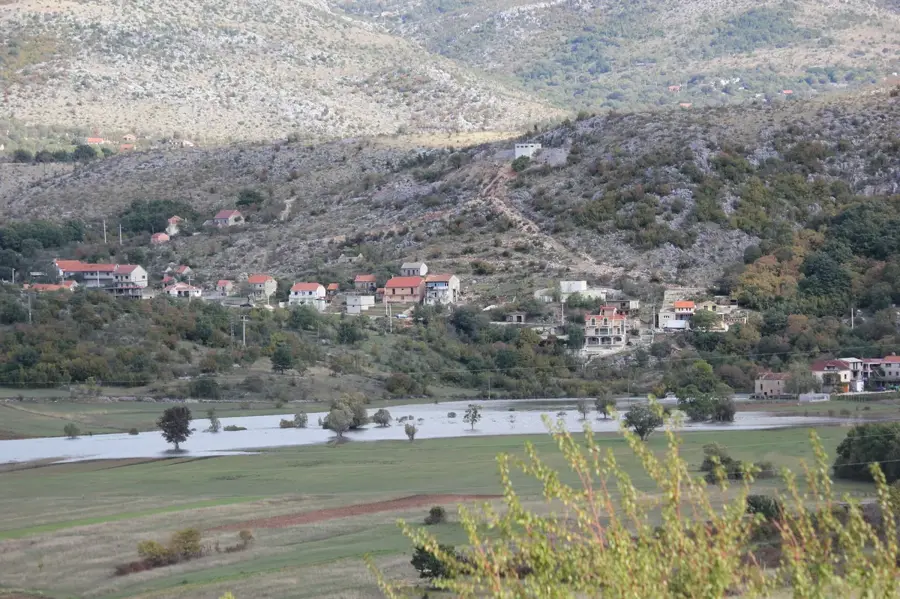
Čavoglave is located in the Dalmatian Zagora, positioned between the towns of Drniš and Knin. The village gained significant national prominence during the Croatian War of Independence and remains a potent symbol of patriotism. The terrain is characterized by a rugged karst landscape at the foothills of Mount Svilaja, overlooking the Petrovo polje field. The village is home to the source of the Čikola River, which flows through a dramatic canyon towards the Krka National Park. The surrounding wilderness features excellent opportunities for off-road cycling and hiking in an undisturbed natural setting. The Church of St. Elijah stands as a central landmark for the local community. Gastronomy in this region is headlined by the world-famous Drniš pršut (smoked ham) and sheep cheese aged in lambskin. A visit to Čavoglave provides an authentic look into the resilient lifestyle of the Dalmatian hinterland inhabitants. It is a destination for those seeking historical context and the raw, unpolished beauty of inland Croatia.
- Location: Croatia
- Nearby: Ramljane, Muć (7 km)
- Population: ~147
Best time to visit & climate
The most pleasant time to visit is Jun–Aug.
| Jan | Feb | Mar | Apr | May | Jun | Jul | Aug | Sep | Oct | Nov | Dec | |
|---|---|---|---|---|---|---|---|---|---|---|---|---|
| Avg °C | 1 | 2 | 6 | 10 | 15 | 19 | 22 | 22 | 17 | 12 | 8 | 3 |
| Rain mm | 91 | 86 | 74 | 70 | 69 | 59 | 39 | 52 | 95 | 94 | 125 | 110 |
Geography
Facts
- Source of the Čikola River
- At the foot of Mount Svilaja
- Symbol of Croatian resistance
- Located in Dalmatian Zagora
- Famous for Drniš smoked ham
- Annual patriotic celebrations
- Church of St. Elijah
- Rugged karst landscape
Explore nearby
Notable places around
Route planner — Car & Motorhome
Where do you start? We build the route here, with stops and country notes along the way.
© OpenStreetMap contributors · OpenRouteService
Frequently asked questions
Why is Čavoglave famous?
Where is the village located?
Are there any sights to see?
When does the big folk festival take place?
What can you see in nature?
Čavoglave: where is it located?
Čavoglave: when is the best time to visit?
Čavoglave: why is it worth visiting?

Nearby cities