Plizio Visual Lab
Ramljane, Muć
ℹ️Practical info — Ramljane, Muć
▾
🌤 Weather — 5 days
📍 Nearby
Sights nearby
💡 Tips
- Visit the village on June 24th for the Feast of St. John the Baptist to experience traditional local festivities and customs.
- Take a break at the historic Vodice stone fountain, which has been the village's central water source for over 100 years.
- Embrace the slow pace of life; locals live by the 'Pomalo' philosophy-take your time and enjoy a coffee if invited.
- Wear sturdy shoes for walking around the outskirts, as the terrain is very rocky, typical for the Dalmatian hinterland.
🍽 Food
In this region, meat is traditionally slow-cooked under a bell-shaped lid covered with hot coals.
Fried dough balls often served as a welcoming snack with local honey or cheese.
A sturdy kale-like green cooked with smoked meats, a staple of the Dalmatian Zagora diet.
🛍 Shopping · 🧘 Quiet spots
Look for 'Domaći sir' signs at farmhouses; it's often a flavorful sheep or goat cheese.
Cured ham dried in the cold Bura wind, best purchased directly from local village producers.
Walk through the wide, rocky plains surrounding the village for a sense of space and solitude.
Look for the scattered old stone wells in the landscape, once vital for local shepherds and their livestock.
Water temperature…
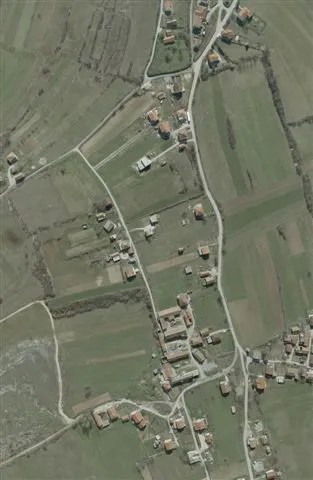
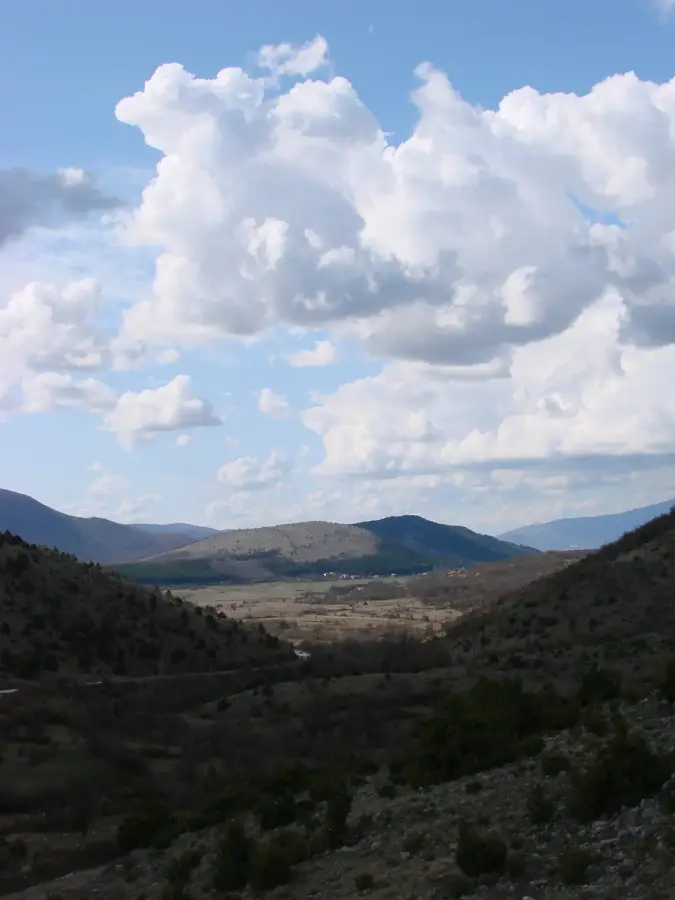
Ramljane is located in the municipality of Muć, deep within the Dalmatian hinterland known as Zagora. This region is famous for its rugged karst beauty, characterized by vast stone fields, low-lying scrub, and impressive limestone formations. The village features a rare glimpse into the traditional lifestyle of inland Dalmatia, where the pace of life is slower and the connection to the land remains a vital part of everyday existence. The local history is tied to ancient trade routes that once connected the coast with the interior. A distinctive feature of the landscape is the dry-stone walls (suhozid), built without mortar, which have marked boundaries for centuries. The Church of St. Anthony serves as the village's spiritual heart and is a fine example of the region's simple yet enduring religious architecture. Residents still cherish folk traditions, including the UNESCO-protected 'ojkanje' singing. For outdoor enthusiasts, the nearby Svilaja mountain gives marked trails and panoramic views over the Zagora region. The air is exceptionally pure, filled with the scent of wild herbs like sage and thyme that carpet the hillsides. It is a good spot for hiking, bird watching, and seeking solitude away from the crowded coastal resorts. Gastronomy in Ramljane relies on simple, high-quality local ingredients: meat cooked under the 'peka' bell, aged sheep's cheese, and robust red wines. The hospitality of the locals is genuine and warm, providing visitors with a truly authentic human experience. Although tucked away in a quiet corner, the city of Split is only a 45-minute drive away, making Ramljane a first-rate destination for a rural day trip.
- Location: Croatia
- Top sights: Ramljane, Split-Dalmatia County · Bračević · Donje Postinje
- Nearby: Gornje Postinje (5 km)
- Population: ~130
Best time to visit & climate
The most pleasant time to visit is Jun, Jul, Sep.
| Jan | Feb | Mar | Apr | May | Jun | Jul | Aug | Sep | Oct | Nov | Dec | |
|---|---|---|---|---|---|---|---|---|---|---|---|---|
| Avg °C | 7 | 7 | 10 | 13 | 18 | 22 | 25 | 25 | 21 | 17 | 13 | 8 |
| Rain mm | 91 | 89 | 78 | 65 | 57 | 51 | 29 | 41 | 90 | 88 | 126 | 116 |
Geography
Facts
- Dalmatian Zagora region
- Karst stone landscape
- UNESCO Ojkanje singing
- Svilaja mountain base
- Dry-stone walls
- St. Anthony Church
- Aromatic wild herbs
- Close to Split city
Explore nearby
Notable places around
Route planner — Car & Motorhome
Where do you start? We build the route here, with stops and country notes along the way.
© OpenStreetMap contributors · OpenRouteService
Sights in the town Ramljane, Muć (3)
Frequently asked questions
Where is Ramljane located?
What is special about the region?
Are there historical sights?
How is the climate in summer?
What can you do here?
Ramljane, Muć: where is it located?
Ramljane, Muć: what is there to see?
Ramljane, Muć: when is the best time to visit?
Ramljane, Muć: why is it worth visiting?

Nearby cities