Plizio Visual Lab
Excavations of Sima
Weather…
Water temperature…
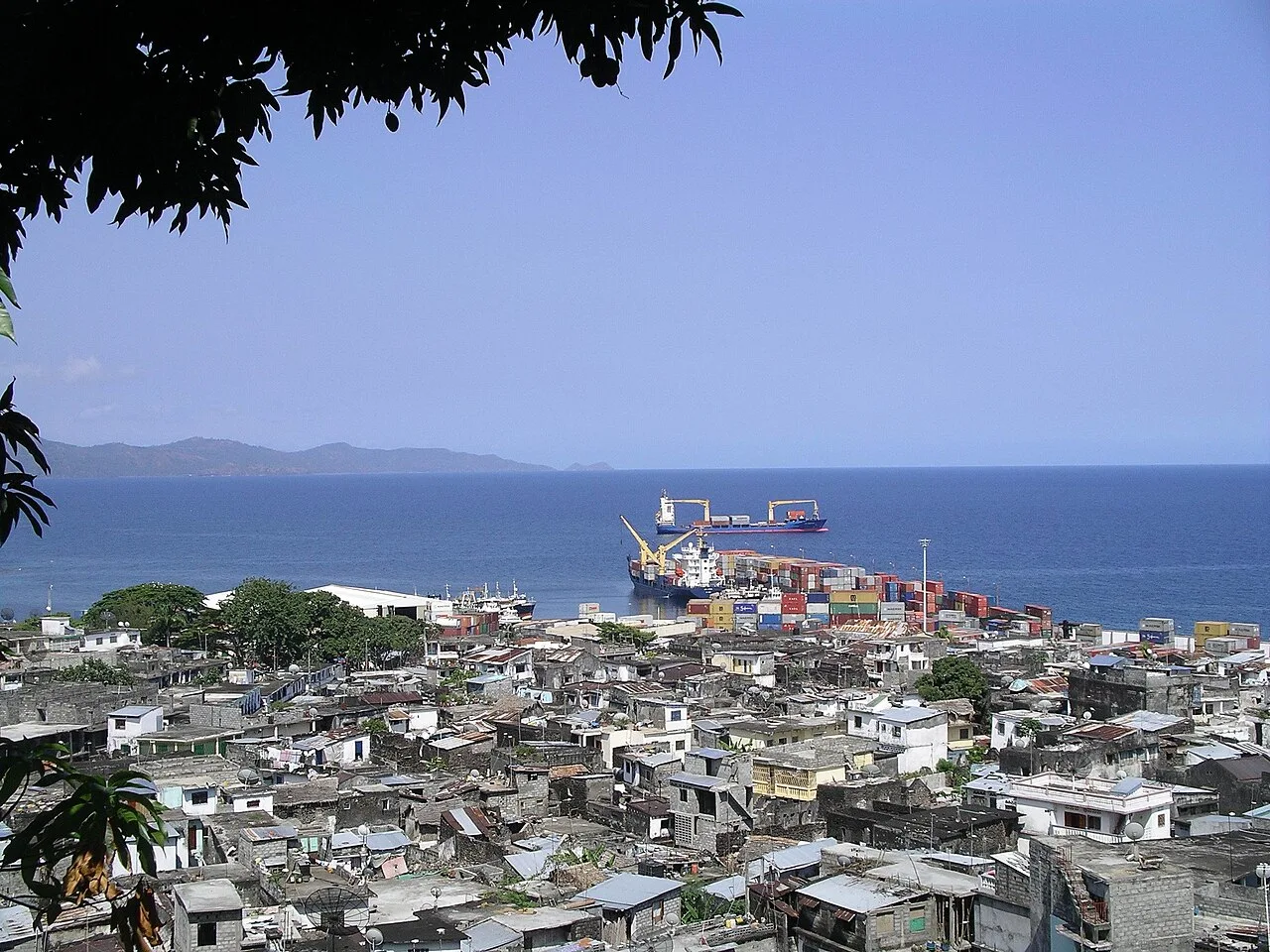
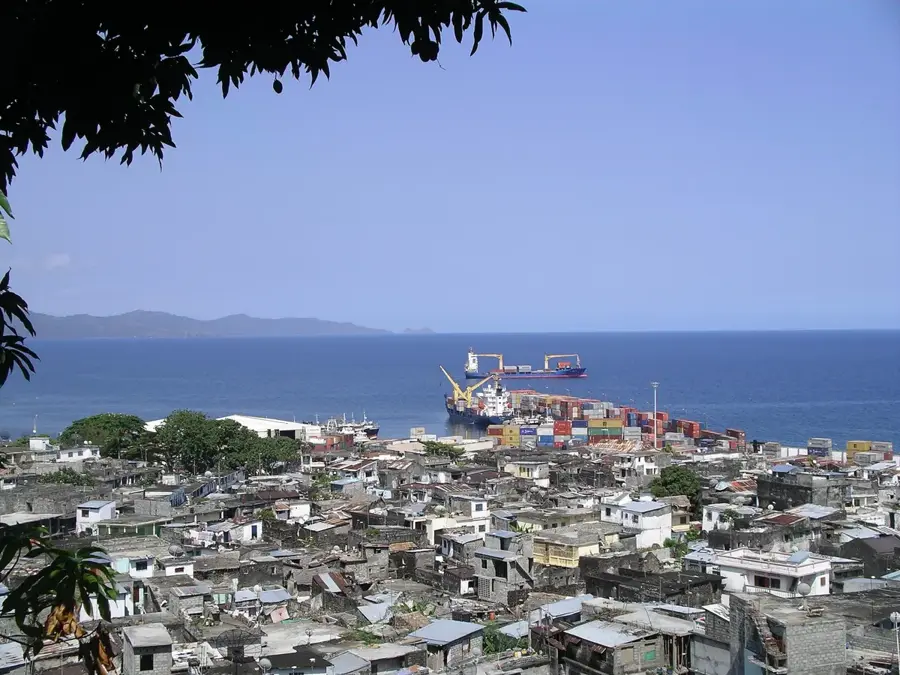
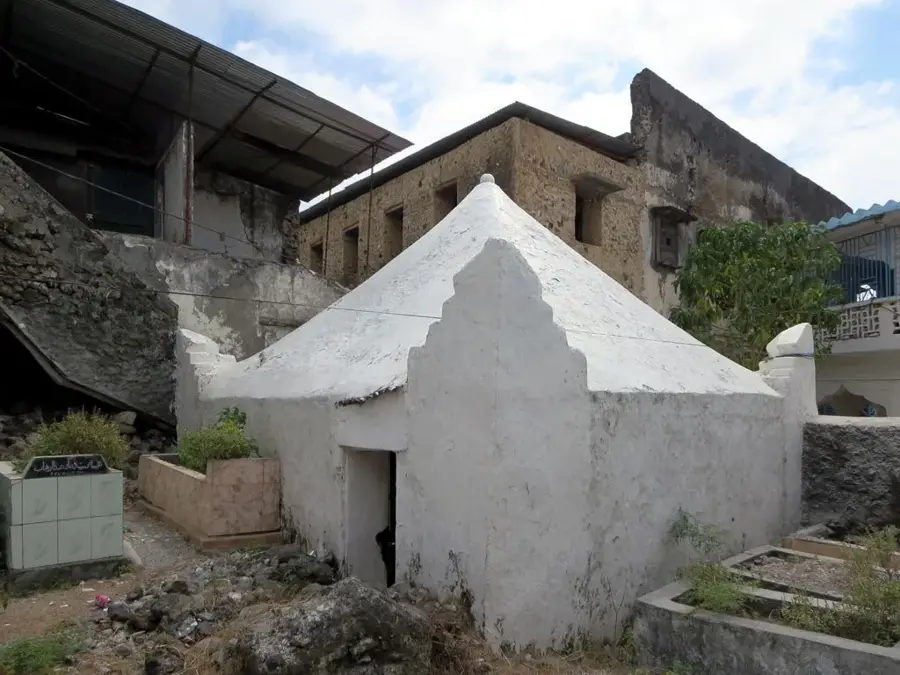
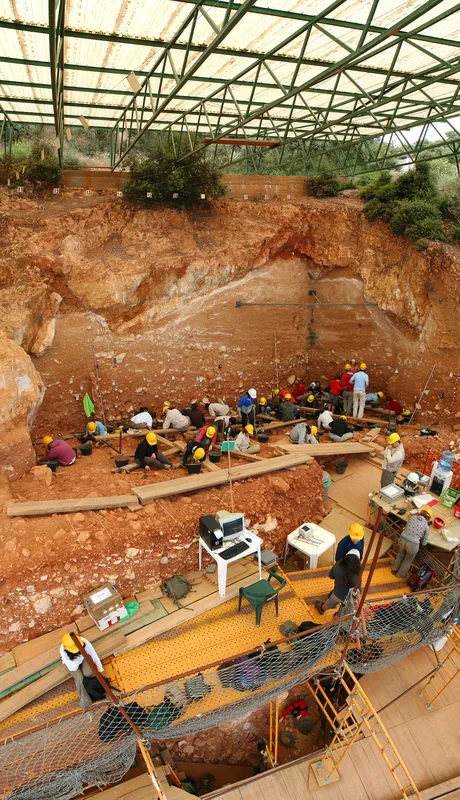
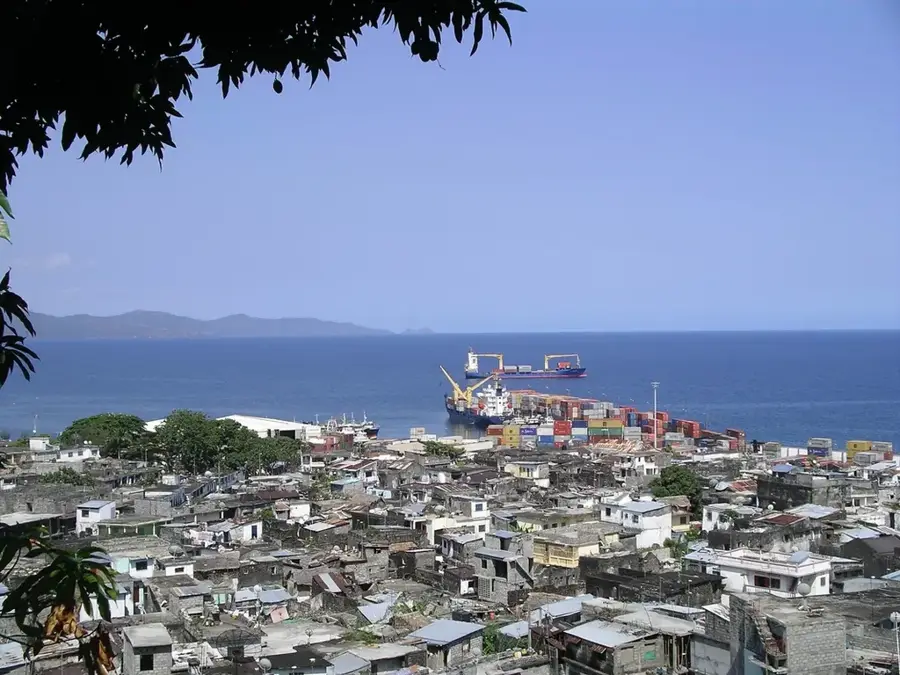
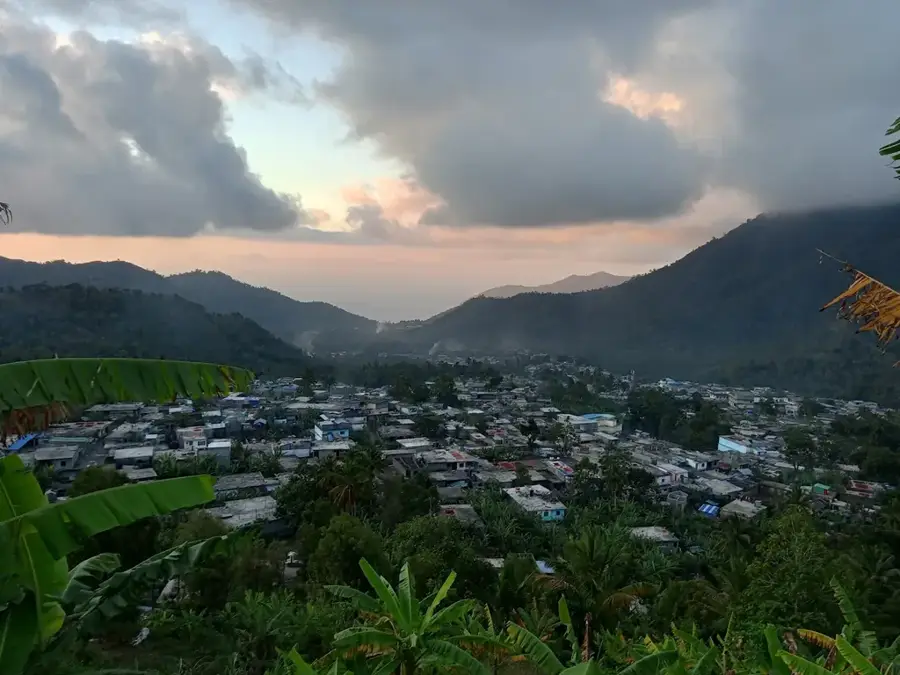
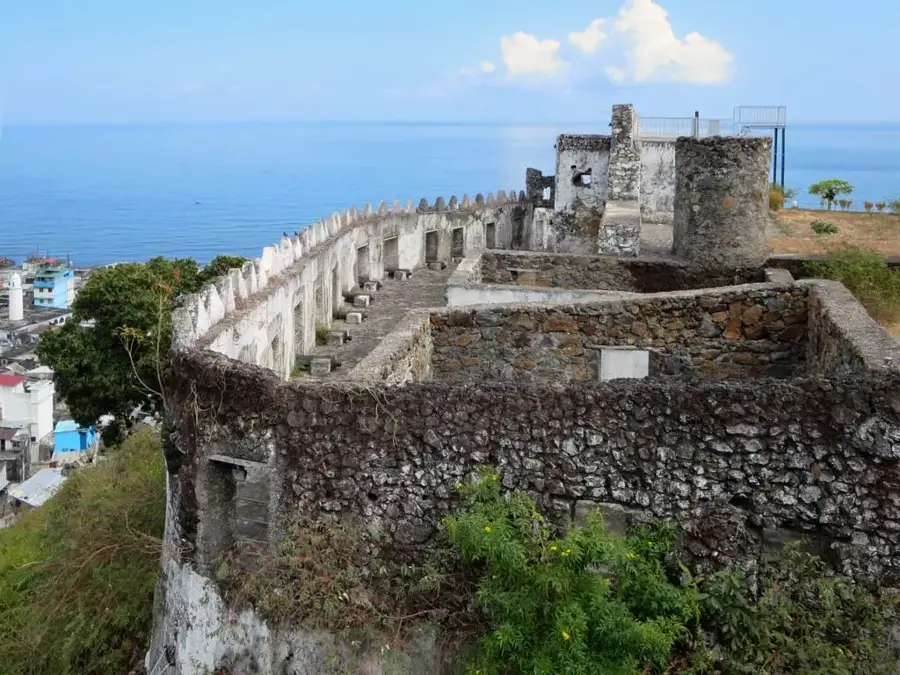
The archaeological excavations of Sima on the island of Anjouan represent one of the most significant sources for understanding early Swahili culture in the Comoros. Located on the western shore of the island, the site provides evidence of continuous settlement since the 9th century, with layers from the 11th and 12th centuries being particularly rich in artifacts. Archaeologists have uncovered remains of stone structures that suggest a hierarchical social structure and advanced urban planning. Among the most valuable finds are imported ceramics from China and the Persian Gulf, confirming Sima's role as a vital node in medieval Indian Ocean trade networks. Research at Sima has been fundamental in documenting the connection between the local population and transoceanic trade systems. Today, the site stands as an essential monument to the pre-colonial history of the region and the development of urban civilization in East Africa, illustrating the early economic integration of the archipelago.
- Location: Comoros
- Nearby: Bambao (13 km)
Best time to visit & climate
The most pleasant time to visit is Jul–Sep.
| Jan | Feb | Mar | Apr | May | Jun | Jul | Aug | Sep | Oct | Nov | Dec | |
|---|---|---|---|---|---|---|---|---|---|---|---|---|
| Avg °C | 28 | 28 | 28 | 28 | 27 | 26 | 25 | 25 | 25 | 26 | 27 | 28 |
| Rain mm | 222 | 162 | 150 | 119 | 58 | 33 | 27 | 21 | 19 | 36 | 50 | 108 |
📋 Practical info
Geography
Facts
- First settlement traces date back to the 9th century AD.
- Finds of Chinese porcelain prove trade reaching as far as East Asia.
- Systematic excavations began in the late 1970s.
- Sima was a significant center for chlorite schist vessel production.
- Archaeologists identified remains of an early mosque at the site.
- The excavation area covers several hectares along the Anjouan coast.
Explore nearby
Notable places around

Route planner — Car & Motorhome
Where do you start? We build the route here, with stops and country notes along the way.
© OpenStreetMap contributors · OpenRouteService
Sights in the town Excavations of Sima (1)
Sights nearby
Frequently asked questions
What can you see in Sima?
Where are the excavations located?
Do I need a guide?
How is the access to the site?
Are there information boards?
Excavations of Sima: where is it located?
Excavations of Sima: when is the best time to visit?
Excavations of Sima: why is it worth visiting?

Nearby cities

History & landmarks
Nature
More places