Plizio Visual Lab

Lake Dzialandzé
Plizio editorial teamData Sources
Lake
—°3
Lake Dzialandzé (Comoros)

Weather…

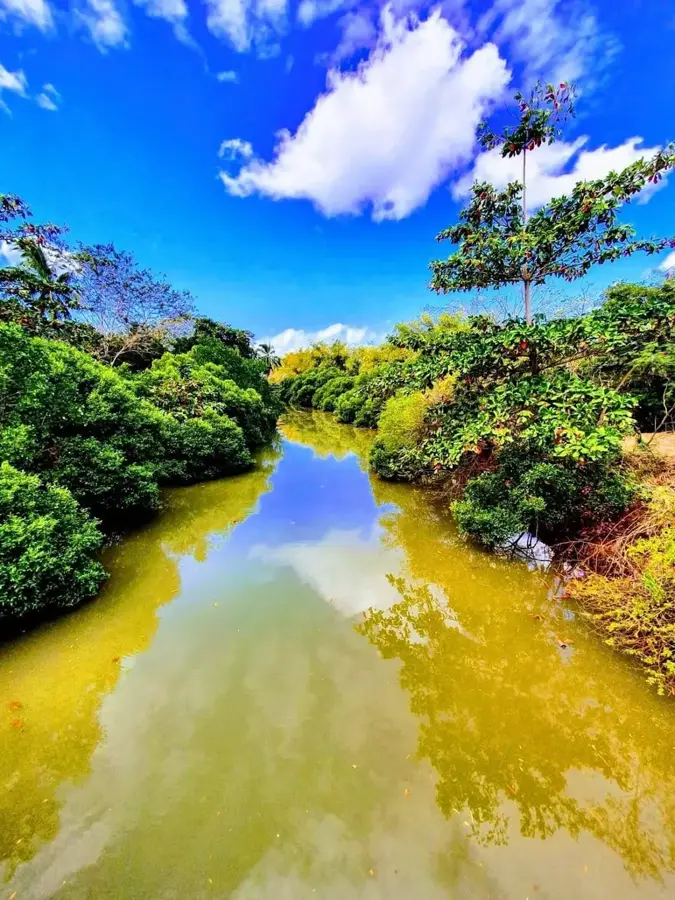
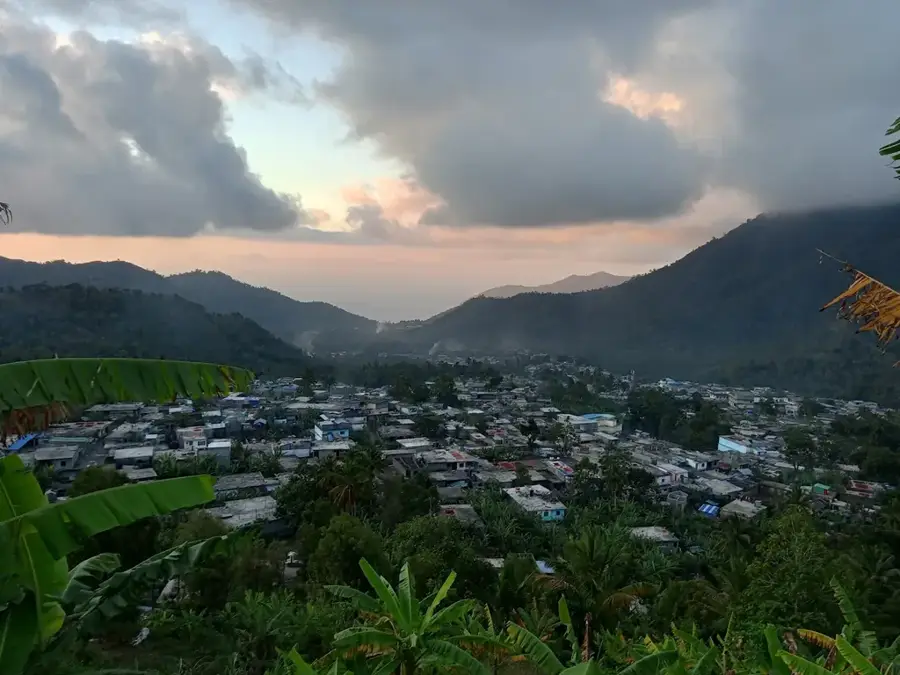
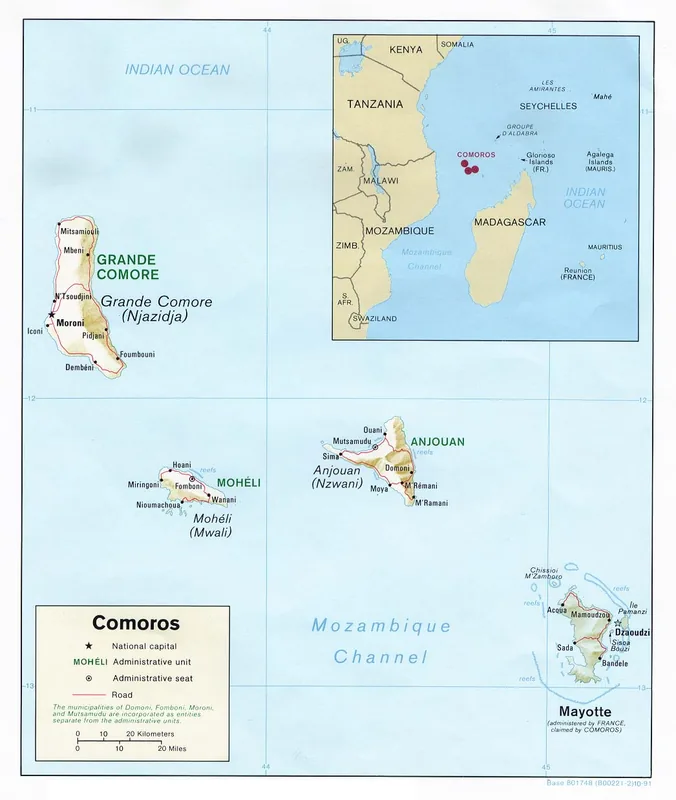
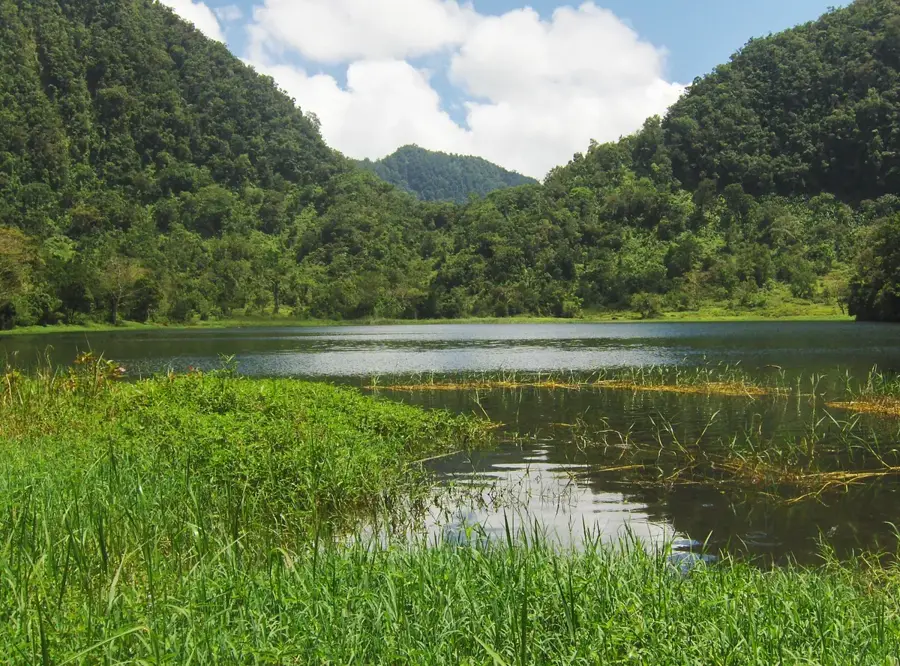
Lake Dzialandzé is a significant high-altitude lake on Anjouan island, situated on the slopes of Mount Ntingui at an elevation of about 900 meters. As one of the few permanent freshwater reservoirs in the archipelago, it is of vital ecological and hydrological importance. The lake is protected as a Ramsar site, providing a unique habitat for numerous waterbirds and rare amphibians. Surrounded by dense primary forest, the lake helps regulate the water balance for lower-lying regions and secures the drinking water supply for the city of Mutsamudu. The lake's calm surface often reflects the surrounding forested slopes, creating a peaceful, almost mystical atmosphere. Biologists value the area for its high concentration of endemic plant species that flourish in the humid highland climate. Treks to the lake follow steep paths that offer insights into Anjouan's traditional agriculture and the untouched nature of the island's interior. Preserving this ecosystem is a priority for local conservation efforts to maintain water quality and biodiversity for future generations.

Best time to visit & climate

The most pleasant time to visit is Jul–Sep.

JanFebMarAprMayJunJulAugSepOctNovDec
Avg °C282828282726252525262728
Rain mm22216215011958332721193650108

📋 Practical info

🧭
Getting there
Reaching Lake Dzialandzé involves navigating steep, winding mountain roads from coastal towns like Mutsamudu, ending with a significant uphill trek. A reliable 4x4 vehicle is often necessary, and hiring a local guide makes finding the trail much easier.
📅
Best season
The cooler dry season from May to November provides the safest hiking conditions and the clearest views of the crater. During the rainy season, the steep paths become dangerously slippery and thick fog often obscures the landscape completely.
⛰️
Terrain & paths
The trek to this volcanic crater lake passes through dense, humid montane forest and steep, muddy slopes that test your stamina. Once at the rim, the paths remain uneven and demand constant attention to footing amidst the lush vegetation.
🎒
What to bring
High-quality hiking boots with aggressive grip are absolute necessities for handling the slippery inclines safely. Pack a lightweight waterproof jacket, plenty of drinking water, and basic first-aid supplies as facilities are entirely absent.
🅿️
Parking
Vehicles are usually parked at the end of the drivable road in the nearest high-altitude village before the trailhead begins. Paying a small fee to locals to keep an eye on your car while you hike is common practice and highly recommended.
⚠️
Safety
The steep drop-offs around the crater rim and the possibility of sudden weather changes turning visibility to zero are the primary hazards. It is strongly advised never to hike this trail alone, especially without an experienced local guide.
⏱️
Time needed
The entire excursion, factoring in the challenging drive and the strenuous hike up to the crater and back, easily consumes a full day. The actual time spent admiring the lake at the summit typically ranges from one to two hours before descending.

Geography

Coordinates
-12.22360, 44.43580

Facts

  • The lake has been a Ramsar wetland of international importance since 1995.
  • It provides the majority of drinking water for Anjouan's capital city.
  • The lake's depth fluctuates significantly based on seasonal rainfall.
  • Lake Dzialandzé is a key breeding site for the Madagascar little grebe.
  • The lake is situated in a natural depression of volcanic origin.
  • It is surrounded by the last remnants of Anjouan's primary mountain rainforest.

Explore nearby

Notable places around

Route planner — Car & Motorhome

Where do you start? We build the route here, with stops and country notes along the way.

Vehicle
Only stops with (optional):

© OpenStreetMap contributors · OpenRouteService

Sights in the town Lake Dzialandzé (3)

Anjouan📍 landmark

Anjouan is the island where Lake Dzialandzé lies within a volcanic crater.

Dzidri-I📍 landmark

Dzidri-I is a village on Anjouan, from which Lake Dzialandzé can be accessed.

Dindri📍 landmark

Dindri is a location on Anjouan, near Lake Dzialandzé.

Sights nearby

Frequently asked questions

Is Lake Dzialandzé easy to find?
It is hidden in the highlands of Anjouan and requires a hike through dense forest.
Is the lake considered a sacred place?
Yes, many locals consider it spiritually significant and hold ceremonies there.
Is fishing allowed in the lake?
Fishing is often prohibited or only allowed for locals for ritual purposes.
How is the water quality?
The water is clear, but as standing water in the tropics, it is not suitable for drinking.
Are there rare animals at the lake?
The lake is an important habitat for local bird species and rare amphibians.
Lake Dzialandzé: where is it located?
Lake Dzialandzé is located in Comoros.
Lake Dzialandzé: what is there to see?
Highlights include Anjouan, Dzidri-I, Dindri.
Lake Dzialandzé: when is the best time to visit?
The most pleasant time to visit is Jul, Sep.
Lake Dzialandzé: why is it worth visiting?

Lake Dzialandzé is a significant high-altitude lake on Anjouan island, situated on the slopes of Mount Ntingui at an elevation of about 900 meters.
View on map → The Top 50 Attractions → OpenStreetMap →
Africa
Explore with Plizio Discover more places in Africa
More places in Comoros →

Nearby cities

History & landmarks
Nature

More places