Plizio Visual Lab
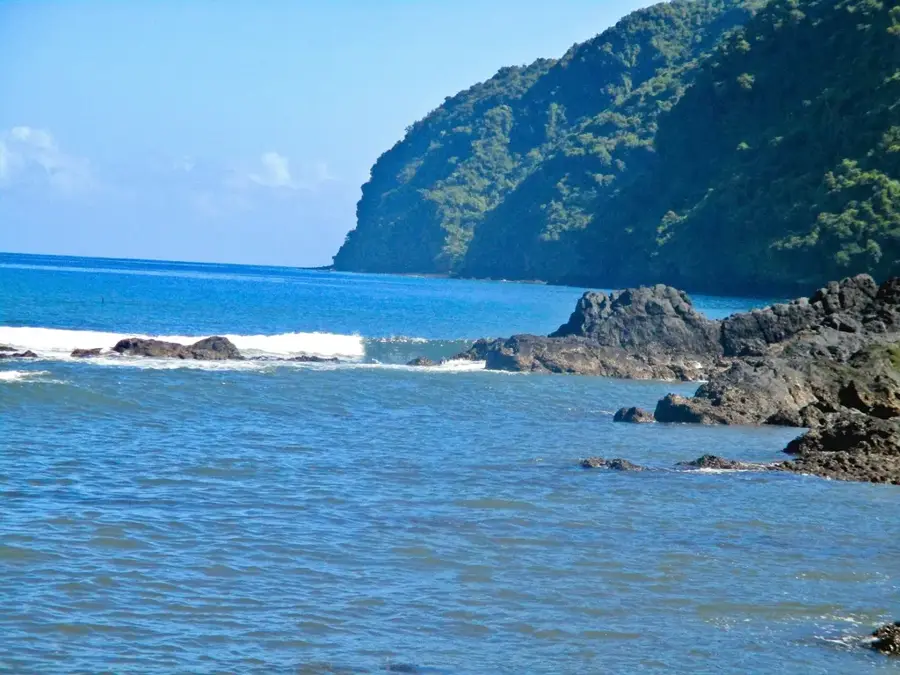
Livingstone's Fruit Bat Habitat
Weather…
Water temperature…
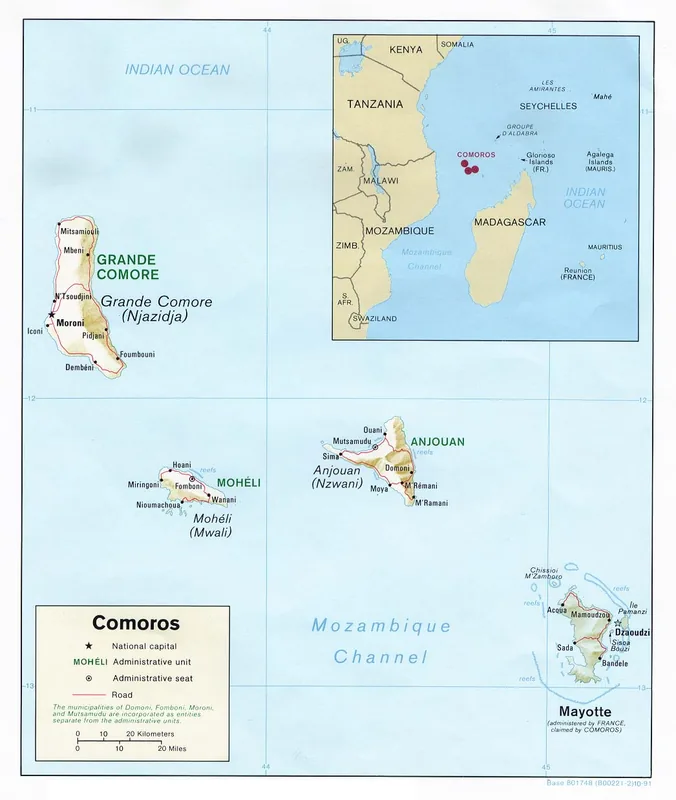
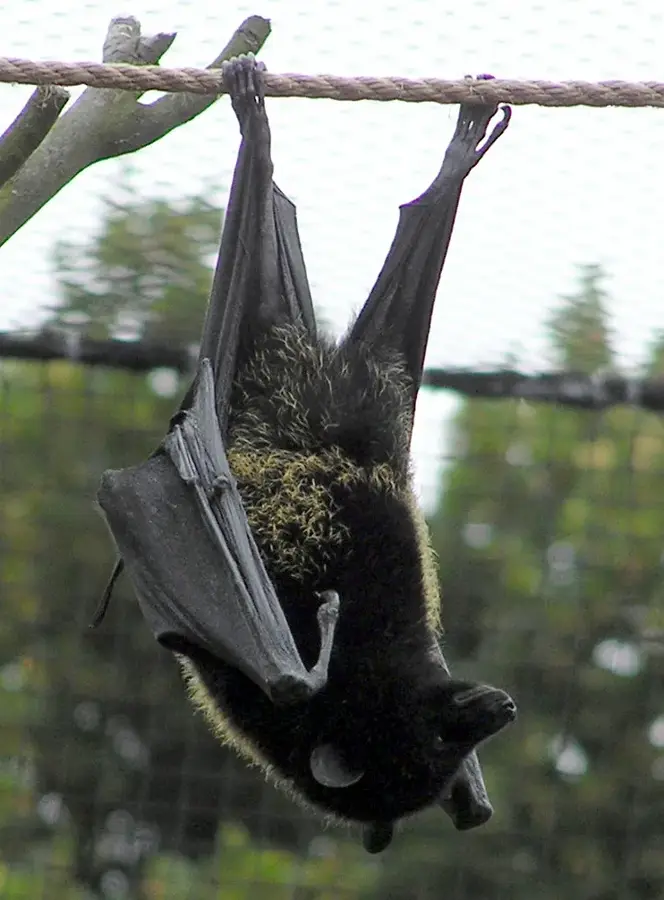
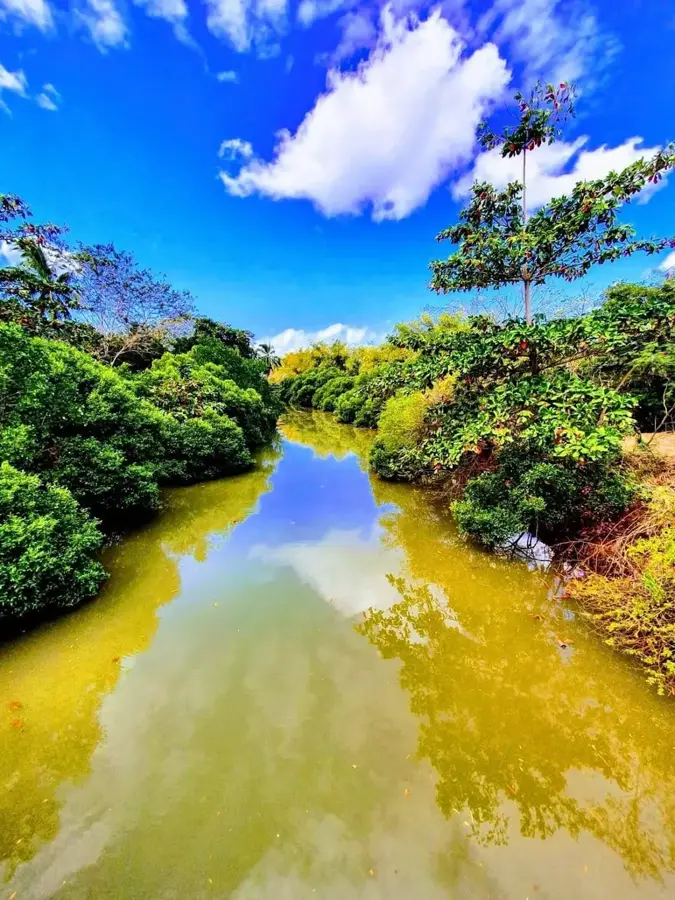
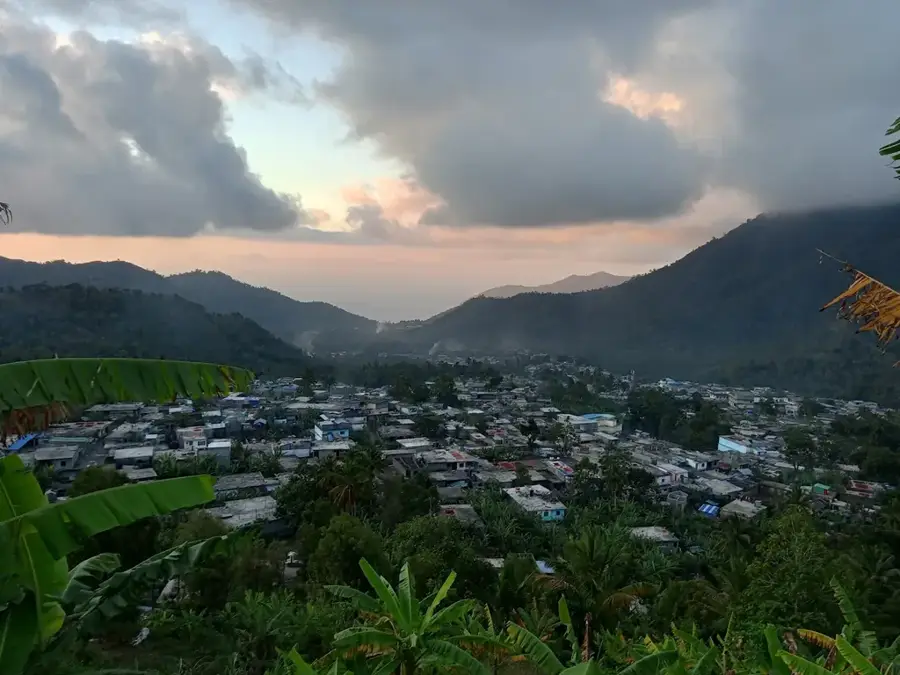
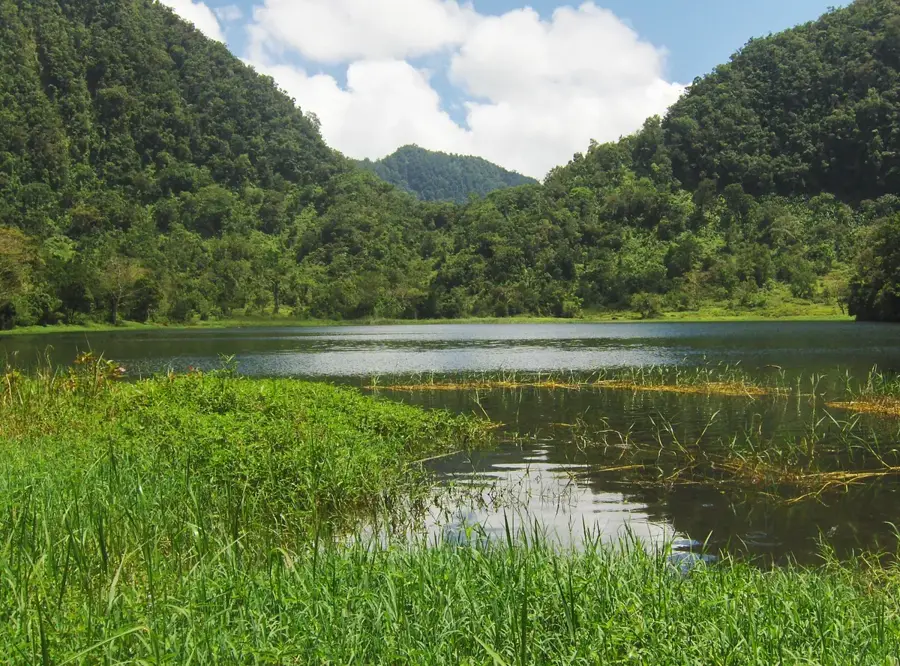
The habitat of Livingstone's fruit bats (Pteropus livingstonii) on the islands of Anjouan and Mohéli is one of the most critical conservation areas globally. This rare fruit bat is among the largest in the world and is strictly endemic to the mountain rainforests of these two islands. With a wingspan reaching up to 1.4 meters, these creatures are impressive flyers that play a crucial role in the pollination and seed dispersal of native trees. Their habitat is severely threatened by deforestation and agricultural encroachment, resulting in an estimated wild population of only about 1,200 individuals. Protected zones are mostly located in hard-to-reach, steep terrain above 600 meters in altitude, where primary cloud forest still remains. International conservation organizations work closely with local communities to guard remaining roosting sites and promote reforestation initiatives. Livingstone's fruit bat serves as a flagship species for the preservation of Comorian biodiversity.
- Location: Comoros
- Nearby: Barakani (4 km)
Best time to visit & climate
The most pleasant time to visit is Jul–Sep.
| Jan | Feb | Mar | Apr | May | Jun | Jul | Aug | Sep | Oct | Nov | Dec | |
|---|---|---|---|---|---|---|---|---|---|---|---|---|
| Avg °C | 28 | 28 | 28 | 28 | 27 | 26 | 25 | 25 | 25 | 26 | 27 | 28 |
| Rain mm | 222 | 162 | 150 | 119 | 58 | 33 | 27 | 21 | 19 | 36 | 50 | 108 |
📋 Practical info
Geography
Facts
- The wingspan of an adult Livingstone's fruit bat can reach 1.4 meters.
- There are only about 1,200 individuals remaining in the wild today.
- The species is found only on the islands of Anjouan and Mohéli.
- These bats are primarily crepuscular and nocturnal in their habits.
- Their diet consists almost entirely of native forest fruits and nectar.
- It is listed as Critically Endangered on the IUCN Red List of Threatened Species.
Explore nearby
Notable places around


Route planner — Car & Motorhome
Where do you start? We build the route here, with stops and country notes along the way.
© OpenStreetMap contributors · OpenRouteService
Sights in the town Livingstone's Fruit Bat Habitat (1)
Sights nearby
Frequently asked questions
What is special about Livingstone's fruit bats?
Where is the best place to see them?
Is a guide needed?
What is the best time of day for observation?
Is the hike there strenuous?
Livingstone's Fruit Bat Habitat: where is it located?
Livingstone's Fruit Bat Habitat: when is the best time to visit?
Livingstone's Fruit Bat Habitat: why is it worth visiting?

Nearby cities







History & landmarks


Nature
More places