Plizio Visual Lab

Cordillera Oriental (Colombia)
Plizio editorial teamData Sources
Mountain
—°4
Cordillera Oriental (Colombia) (Colombia)

Weather…

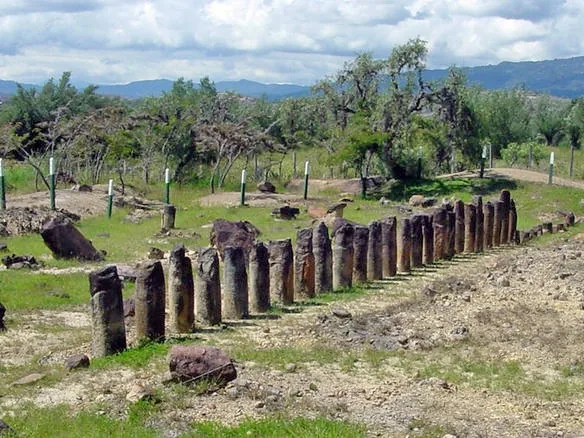
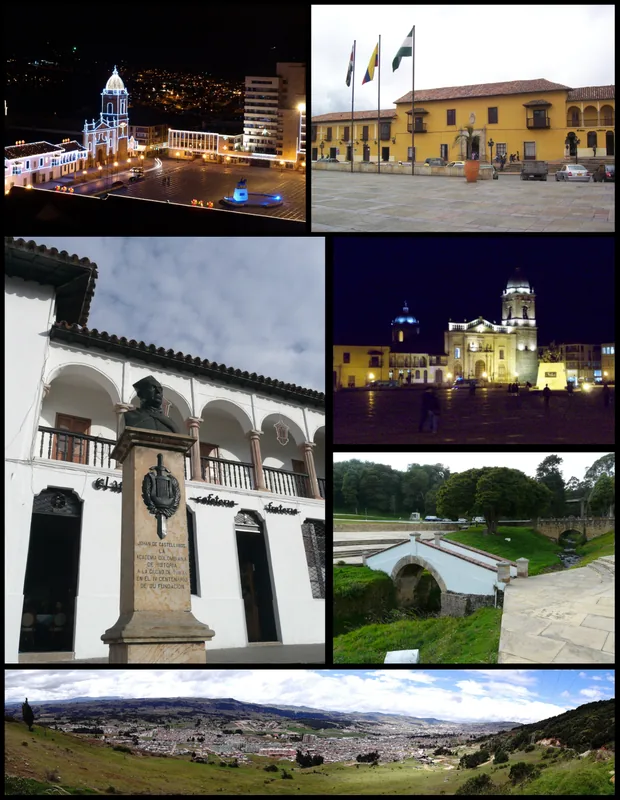
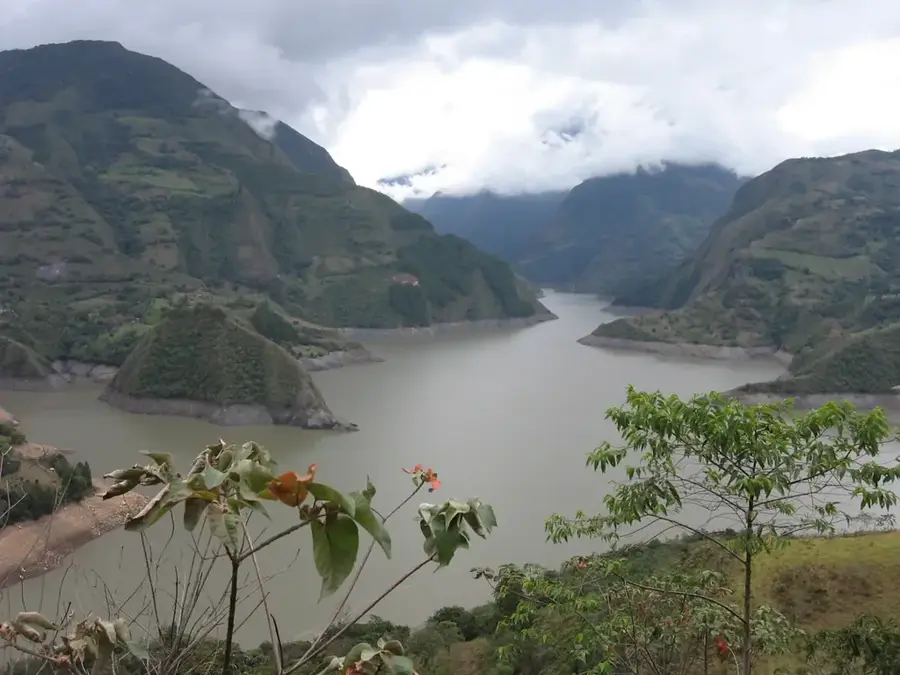
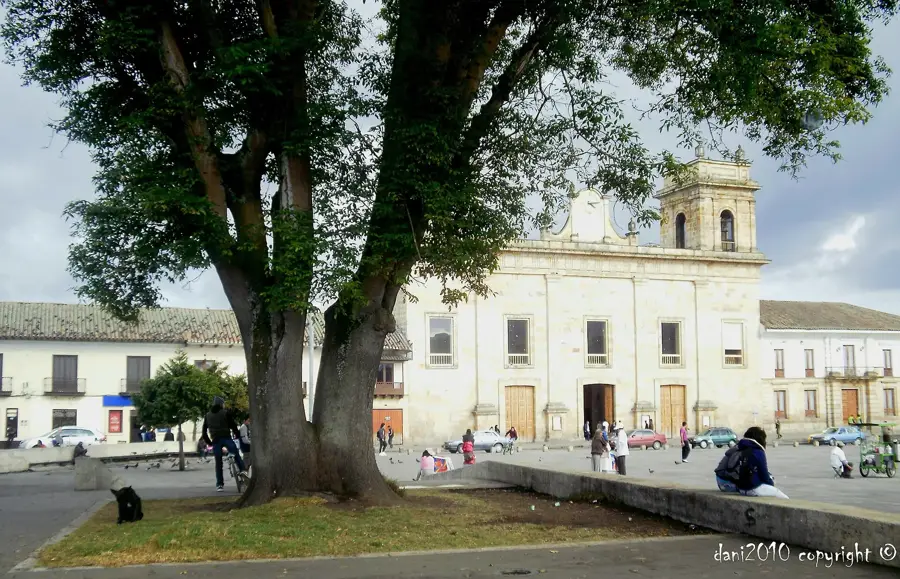
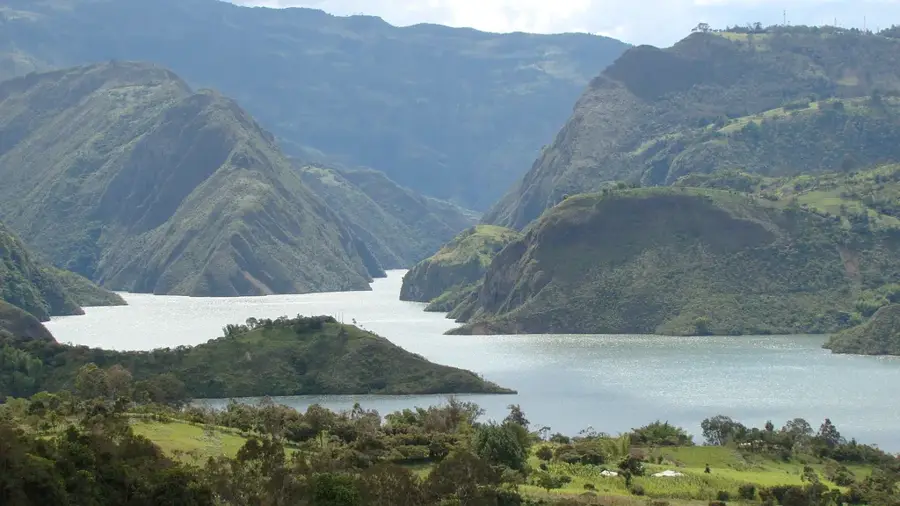
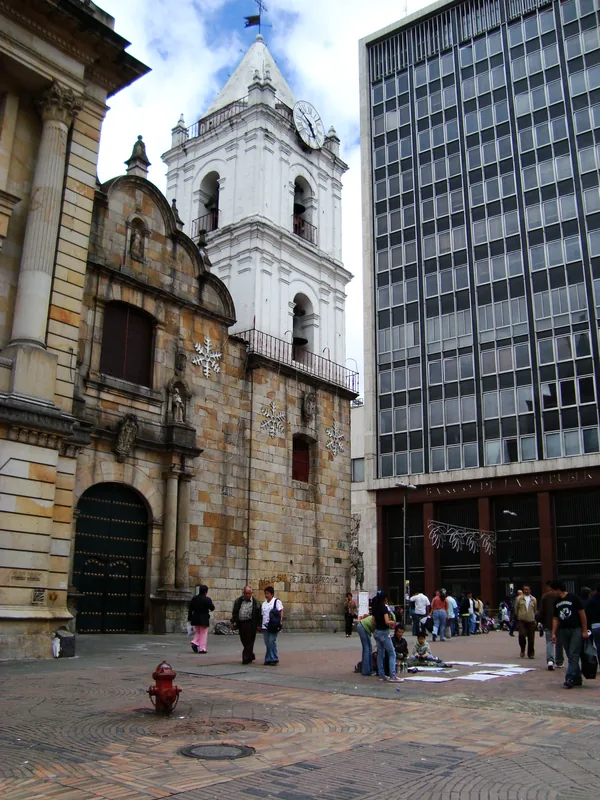
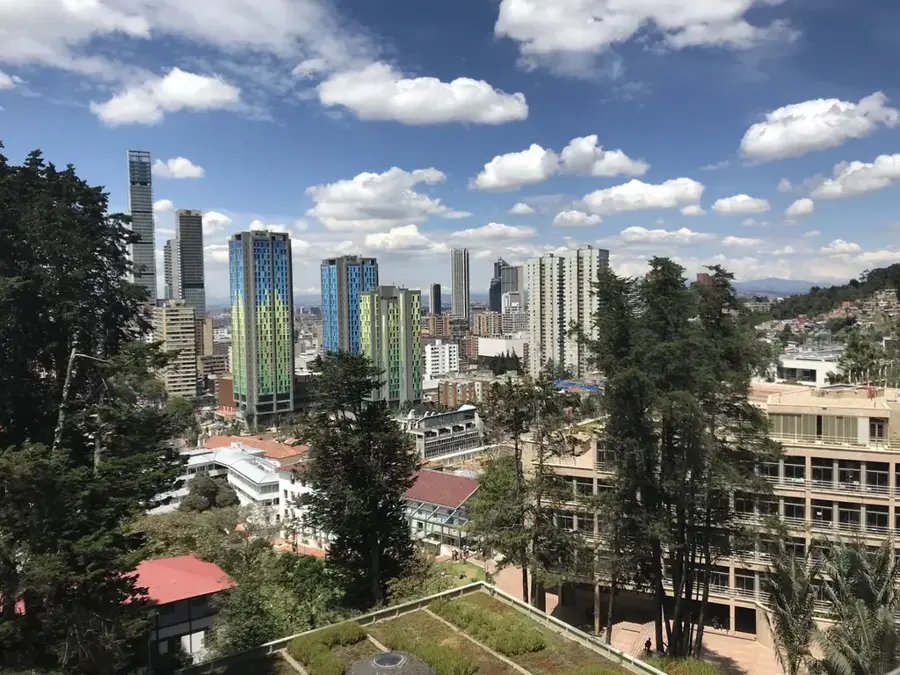
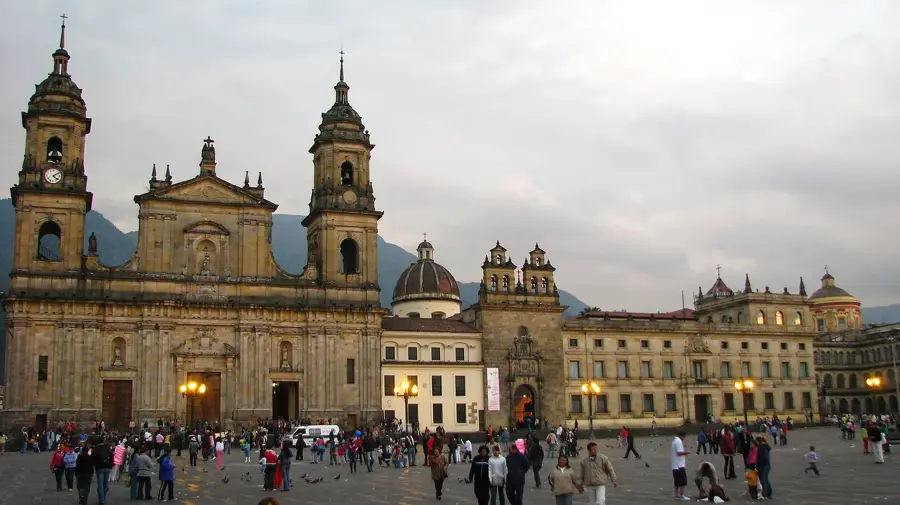
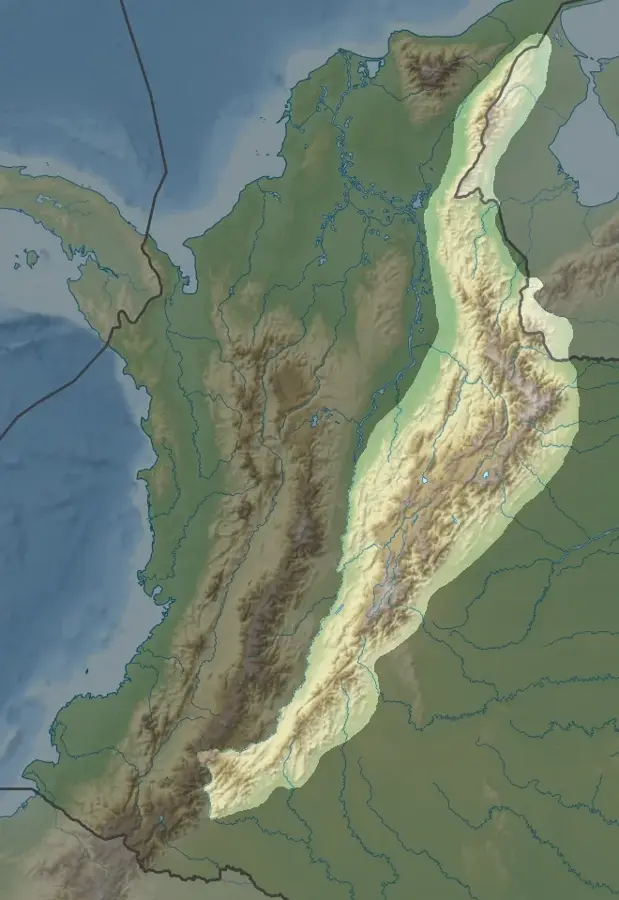
The Cordillera Oriental is the longest and widest branch of the Colombian Andes, stretching from the massif in the south to the border with Venezuela in the north. One of its most distinctive geographical features is the Altiplano Cundiboyacense, a vast plateau where the capital city of Bogotá is located. This plateau was the cradle of the Muisca civilization and remains the political and economic heart of the country today. The highest peak in the range is Ritacuba Blanco at 5,410 meters in the Sierra Nevada del Cocuy, an area known for its spectacular glacial lakes and rugged rock faces. The Cordillera Oriental hosts a variety of ecosystems, from the semi-arid areas of the Chicamocha Canyon to the humid cloud forests on the eastern slopes descending toward the Orinoco basin. Geologically, the range consists mainly of sedimentary rocks of marine origin, indicating its formation from an ancient sea. The region is rich in mineral resources such as coal and emeralds, with the latter being among the highest quality in the world. Agriculture also plays a major role, particularly in the cooler highlands where potatoes, grains, and flowers are cultivated.

Best time to visit & climate

The most pleasant time to visit is Jan, Feb, Dec.

JanFebMarAprMayJunJulAugSepOctNovDec
Avg °C151616161615151515151515
Rain mm436011919219515113212011218016287

📋 Practical info

🧭
Getting there
Access to this vast eastern range is often facilitated through the capital, Bogotá, which sits directly upon its high savanna. Major paved highways connect to numerous smaller trailheads, though reaching high-altitude paramos demands off-road transit.
📅
Best season
Trekking is most popular during the drier months from December to February when clear skies offer sweeping views over the valleys. The rainy seasons transform the trails into deep mudbaths and frequently cloak the majestic peaks in thick, disorienting fog.
⛰️
Terrain & paths
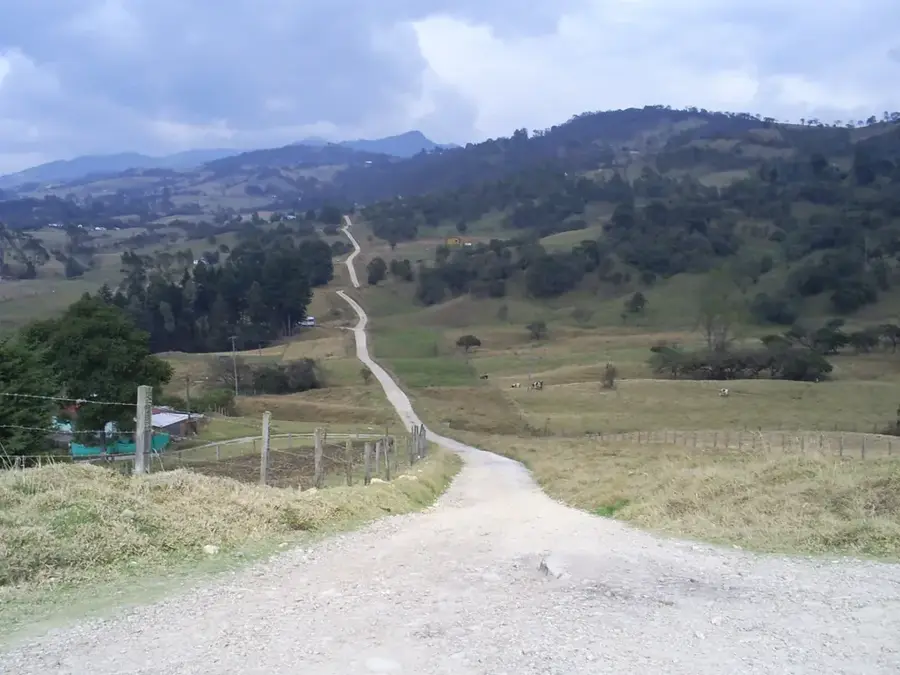
The landscape varies wildly from flat, temperate agricultural plains to the unique, sponge-like ecosystems of the high Andean paramos. Trails can range from well-trodden grassy paths to treacherous, rocky ascents involving significant elevation gains.
🎒
What to bring
Layered clothing is strictly required as temperatures can shift rapidly from hot in the valleys to freezing winds in the paramos. Sturdy, waterproof boots are essential for navigating the notoriously soggy grounds and wetlands at higher altitudes.
🅿️
Parking
For popular hikes, visitors usually utilize established parking facilities in gateway towns or near the visitor centers of national parks. Leaving your vehicle in marked, supervised zones provides peace of mind while embarking on long-distance mountain trails.
⚠️
Safety
Extreme elevation poses a real threat of acute mountain sickness, making a gradual ascent pattern essential for a healthy trip. The dense fog that quickly rolls over the paramos can cause severe disorientation, making offline GPS tools and guides vital.
⏱️
Time needed
Day trips from the capital to the surrounding paramos typically last around five to eight hours, factoring in the tricky terrain. More dedicated multi-day treks traversing the wider cordillera can easily occupy adventurous hikers for four to six days.

Geography

Coordinates
5.50000, -73.50000

Facts

  • Longest and widest of the three branches
  • Home to the capital city, Bogotá
  • Highest point: Ritacuba Blanco (5,410 m)
  • Region is world-famous for emeralds
  • Location of the Chicamocha Canyon
  • Sedimentary rocks point to a marine origin

Explore nearby

Notable places around
Route planner — Car & Motorhome

Where do you start? We build the route here, with stops and country notes along the way.

Vehicle
Only stops with (optional):

© OpenStreetMap contributors · OpenRouteService

Sights in the town Cordillera Oriental (Colombia) (4)

Panorámica Samacá🌿 nature

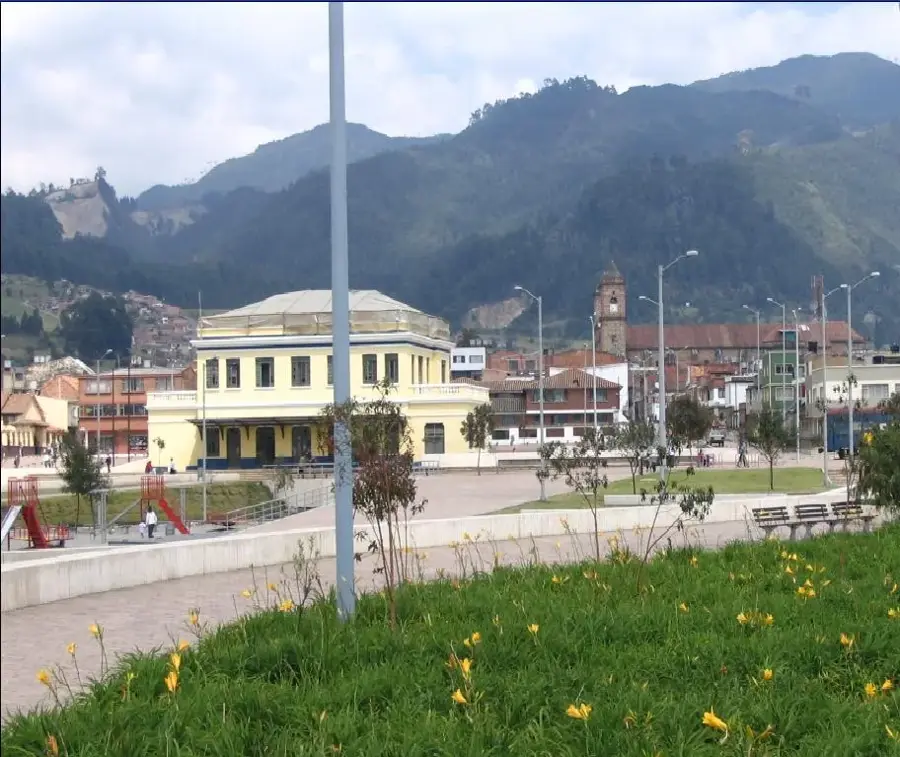
Panorámica Samacá is a scenic hillside viewpoint offering sweeping vistas over the agricultural valleys of the Eastern Ranges.

Museo Municipal🏛 museum

The Museo Municipal preserves the cultural and archaeological heritage of the Eastern Ranges through its collection of local artifacts.

🕒 Mo-Fr 08:00-13:00,14:00-17:00

Capilla del Voto.📍 landmark

The Capilla del Voto is a modest votive chapel tucked away in the rugged Andean terrain of the Eastern Ranges.

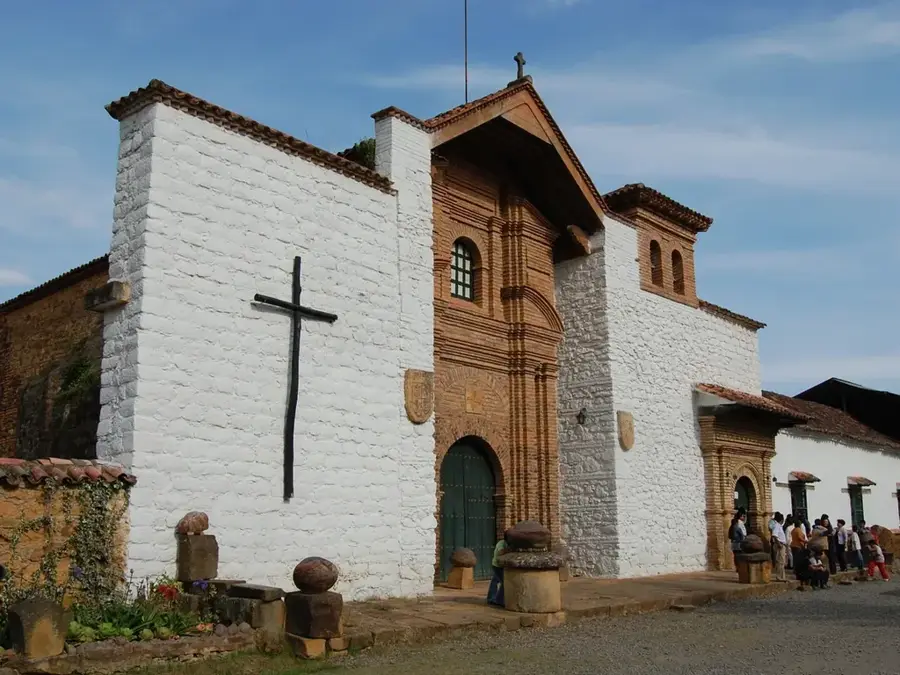
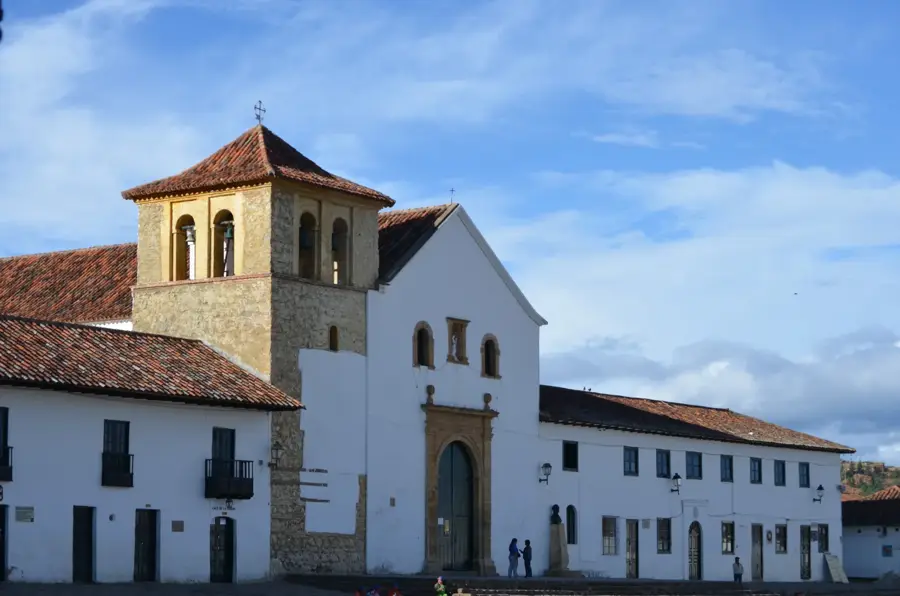
Capilla Nuestra Señora de la Encarnación - La Fábrica⛪ religious

This unique chapel, known as "La Fábrica," historically served the religious needs of the textile mill workers in the Andean valley.

Sights nearby

Frequently asked questions

Where is the Eastern Cordillera located?
It extends through eastern Colombia up to Venezuela.
Is the capital Bogotá located in these mountains?
Yes, Bogotá is located on a high plateau in the Eastern Cordillera.
What is a páramo?
An alpine ecosystem above the treeline, crucial for water supply.
How high is the highest peak?
Ritacuba Blanco reaches a height of 5410m.
Are there national parks there?
Yes, for example El Cocuy and Chingaza.
Cordillera Oriental (Colombia): where is it located?
Cordillera Oriental (Colombia) is located in Colombia.
Cordillera Oriental (Colombia): what is there to see?
Highlights include Panorámica Samacá, Museo Municipal, Capilla del Voto..
Cordillera Oriental (Colombia): when is the best time to visit?
The most pleasant time to visit is Jan, Feb, Dec.
Cordillera Oriental (Colombia): why is it worth visiting?
The Cordillera Oriental is the longest and widest branch of the Colombian Andes, stretching from the massif in the south to the border with Venezuela in the north.
View on map → The Top 50 Attractions → OpenStreetMap →
South America
Explore with Plizio Discover more places in South America
More places in Colombia →

Nearby cities

History & landmarks
Nature
More places