Plizio Visual Lab
Zipaquirá
ℹ️Practical info — Zipaquirá
▾
🌤 Weather — 5 days
📍 Nearby
Sights nearby
💡 Tips
- High altitude (over 2,600m), so nights are cold; dress in warm layers.
- Book Salt Cathedral tickets in advance on weekends to skip the lines.
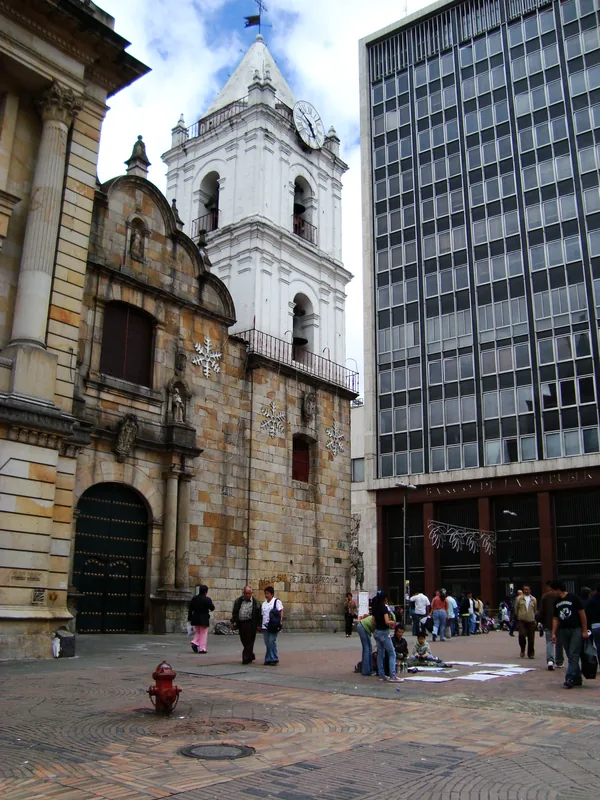
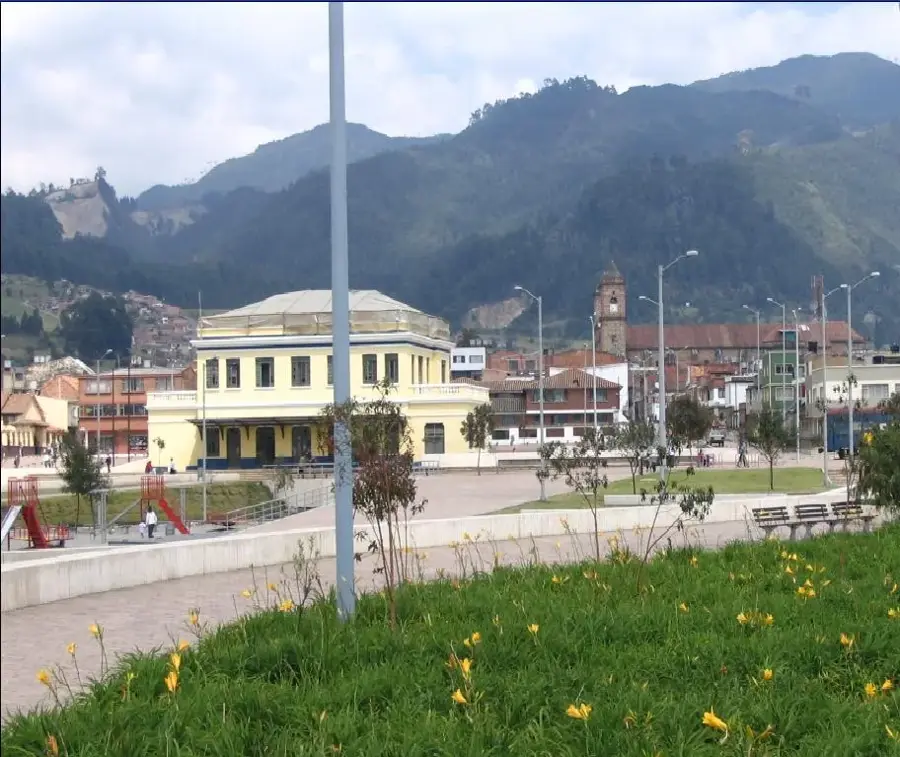
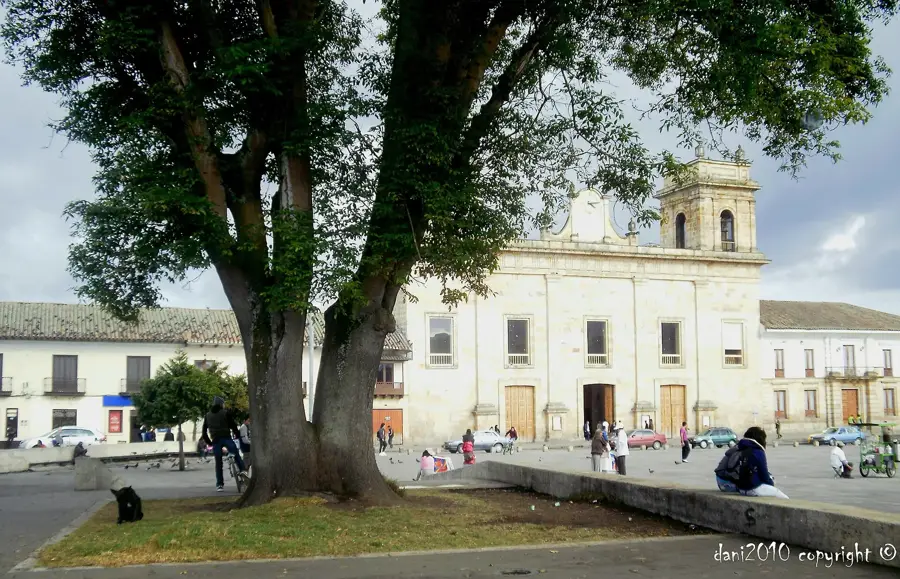
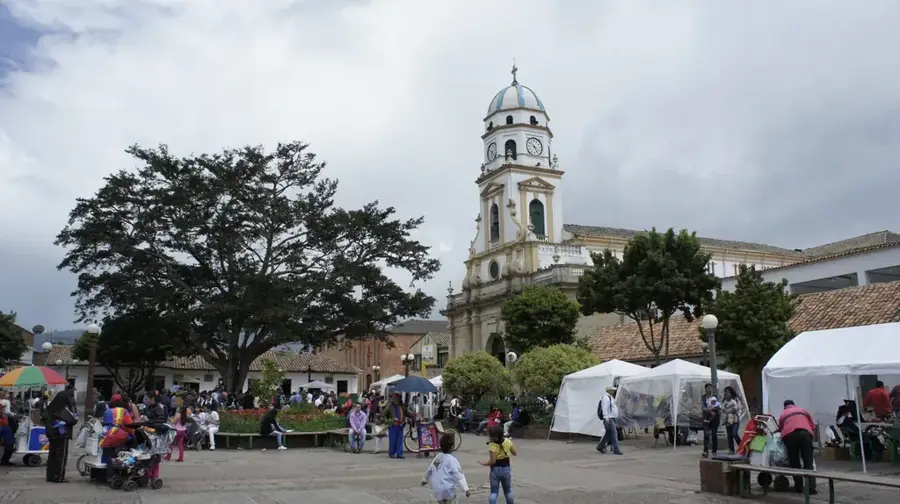
- Walk around the colonial main square (Plaza de los Comuneros).
- The train from Bogotá (Tren Turístico) runs on weekends and is a scenic way to arrive.
- Take your time walking up to the cathedral to avoid altitude sickness.
🍽 Food
Oven-baked flank steak, widely served in traditional restaurants near the center.
Salt-crusted potatoes, a staple side dish using local salt.
Fresh cheese with sugarcane syrup, a popular dessert at cafes.
🛍 Shopping · 🧘 Quiet spots
Hand-carved salt lamps and figures sold near the cathedral exit.
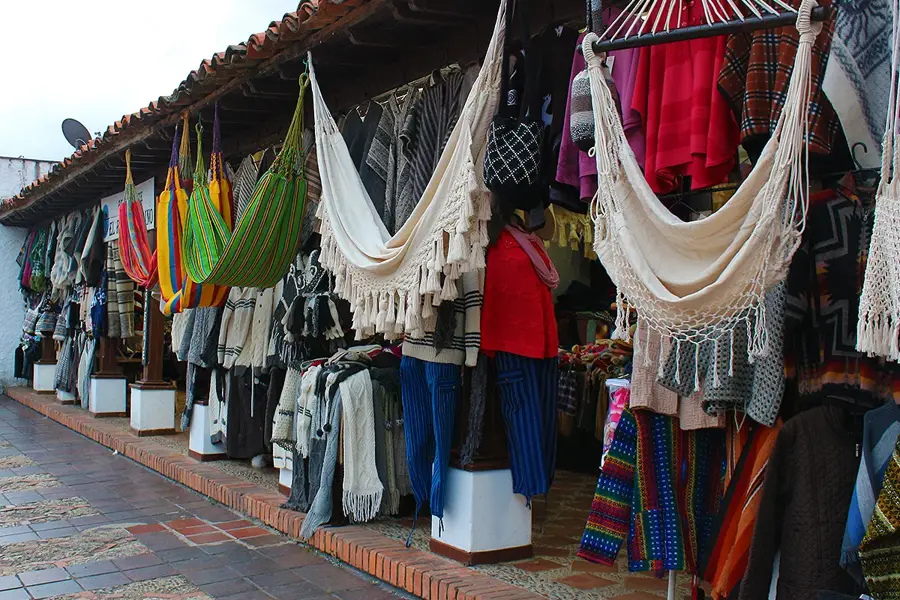
Woven ponchos and traditional crafts around the main square.
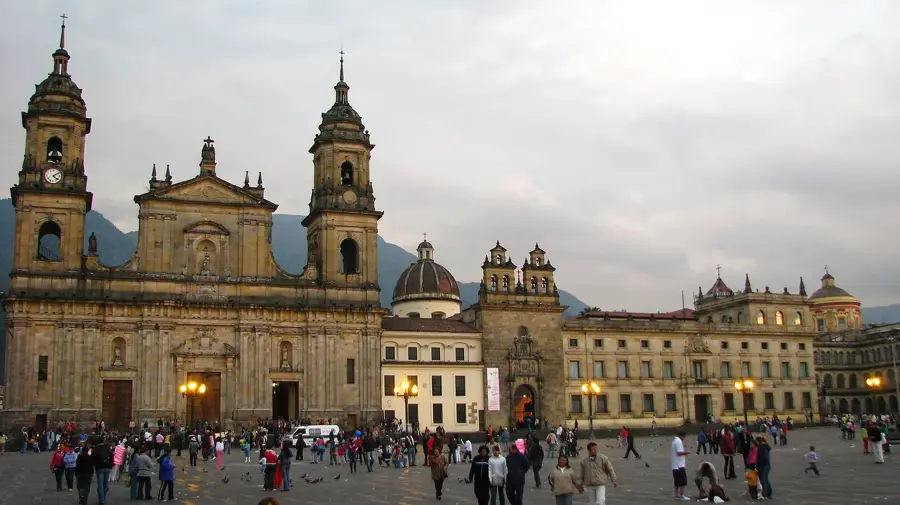
The vast, historic main square bordered by colonial architecture.
The park surrounding the cathedral, featuring wooded walking paths.
Water temperature…
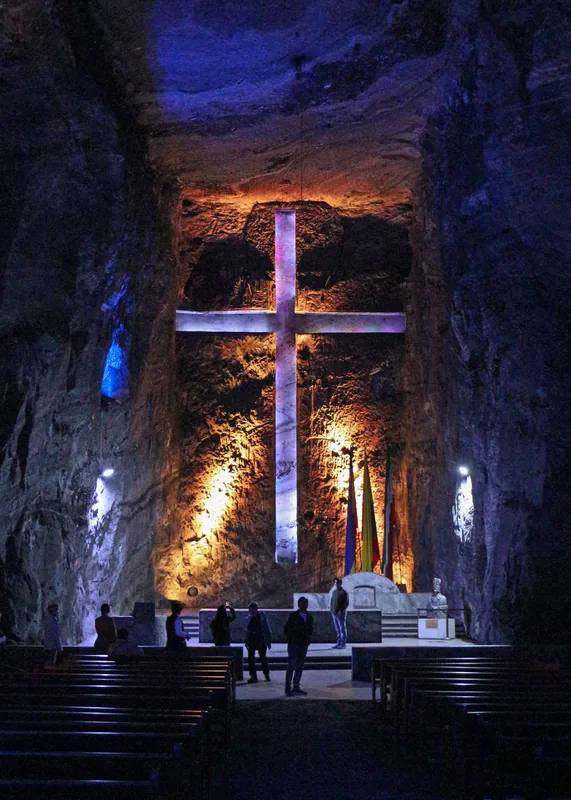
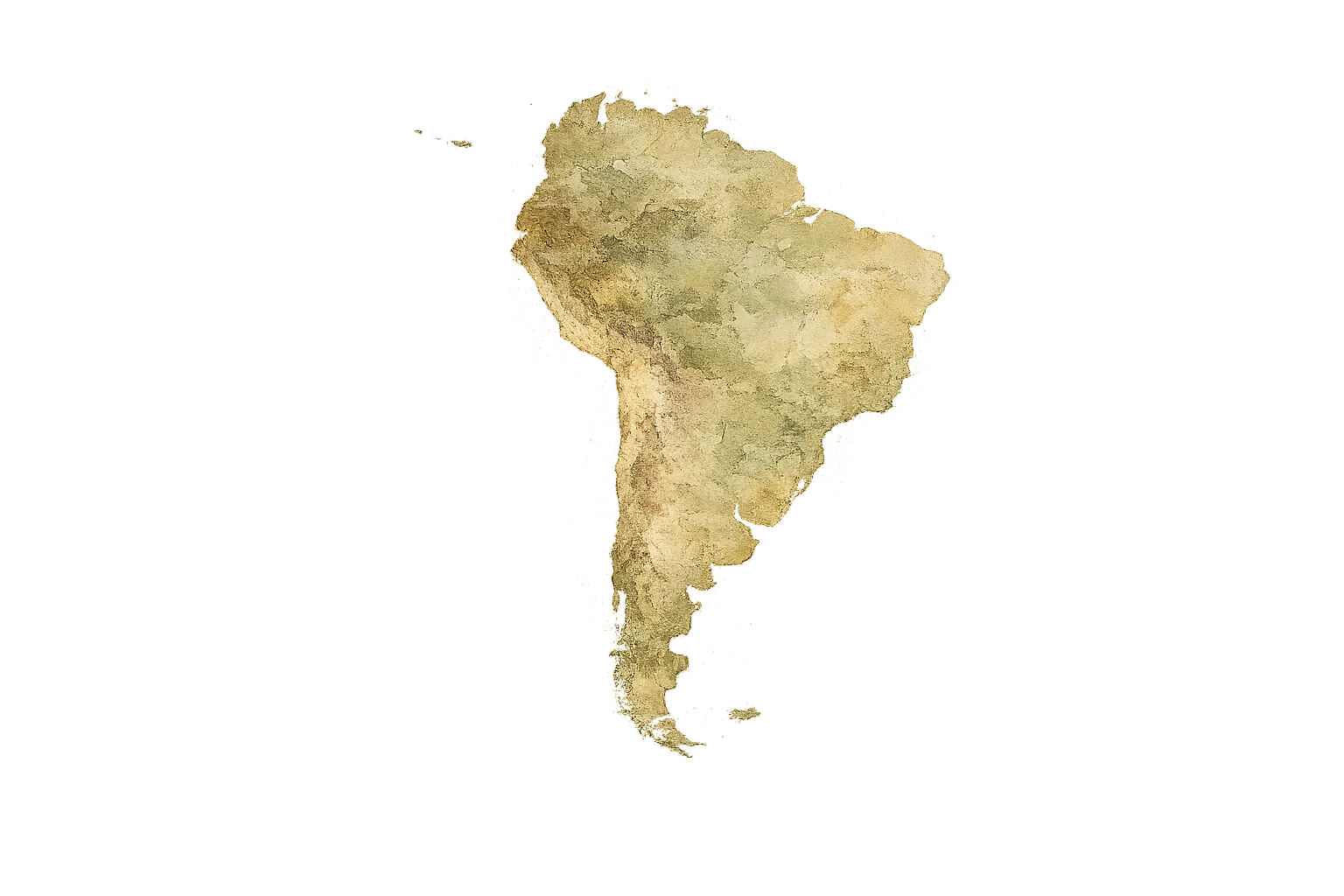
Zipaquirá is a historically significant city in the Cundinamarca Department, located about 50 kilometers north of Bogotá on the Altiplano Cundiboyacense plateau. The city is internationally renowned for its Salt Cathedral, an architectural marvel built deep within the tunnels of a salt mine, regarded as one of Colombia's most important religious sites. Long before the Spanish arrival, the indigenous Muisca people exploited the region's vast salt deposits as a valuable trading commodity, establishing Zipaquirá as a wealthy center. The official Spanish founding took place in 1600 by Luis Henríquez. Beyond mining, the city features a well-preserved colonial center with 18th and 19th-century architecture, including the Cathedral of the Holy Trinity. Zipaquirá played a crucial role in the Colombian independence movement and served as the home for Nobel laureate Gabriel García Márquez during his high school years, adding to the city's rich cultural and intellectual heritage.
- Location: Colombia
- Top sights: Museo Gabriel García Márquez · Teatro Bicentenario · Zapata
- Nearby: Chía (8 km)
- Population: ~130.432 (2022)
Best time to visit & climate
The most pleasant time to visit is Jan, Feb, Dec.
| Jan | Feb | Mar | Apr | May | Jun | Jul | Aug | Sep | Oct | Nov | Dec | |
|---|---|---|---|---|---|---|---|---|---|---|---|---|
| Avg °C | 14 | 14 | 14 | 14 | 14 | 13 | 13 | 13 | 13 | 14 | 14 | 14 |
| Rain mm | 38 | 61 | 128 | 221 | 230 | 188 | 163 | 134 | 119 | 192 | 174 | 96 |
Geography
Facts
- The current Salt Cathedral is located 200 meters underground.
- Officially founded on July 18, 1600, by Luis Henríquez.
- The city sits at an elevation of 2,652 meters above sea level.
- Zipaquirá was a primary center for the Comuneros Revolt in the 18th century.
- Gabriel García Márquez attended high school at the city's Liceo Nacional.
- Salt mining in the area dates back over 2,000 years to the Muisca period.
Explore nearby
Notable places around

Route planner — Car & Motorhome
Where do you start? We build the route here, with stops and country notes along the way.
© OpenStreetMap contributors · OpenRouteService
Sights in the town Zipaquirá (3)
Frequently asked questions
What is the main attraction?
How long does a visit to the Salt Cathedral take?
Is the entrance expensive?
How to get there from Bogotá?
Are there other sights in the city?
Zipaquirá: where is it located?
Zipaquirá: what is there to see?
Zipaquirá: when is the best time to visit?
Zipaquirá: why is it worth visiting?
Nearby cities
History & landmarks
Nature
More places