Plizio Visual Lab
Tunja
ℹ️Practical info — Tunja
▾
🌤 Weather — 5 days
📍 Nearby
Sights nearby
💡 Tips
- Altitude sickness is a real risk as it's one of the highest cities in Colombia; acclimatize slowly.
- Pack warm clothing; Tunja is known for its unusually cold and crisp climate compared to the rest of Colombia.
- The Plaza de Bolívar is best visited in the early morning for photos without the crowds.
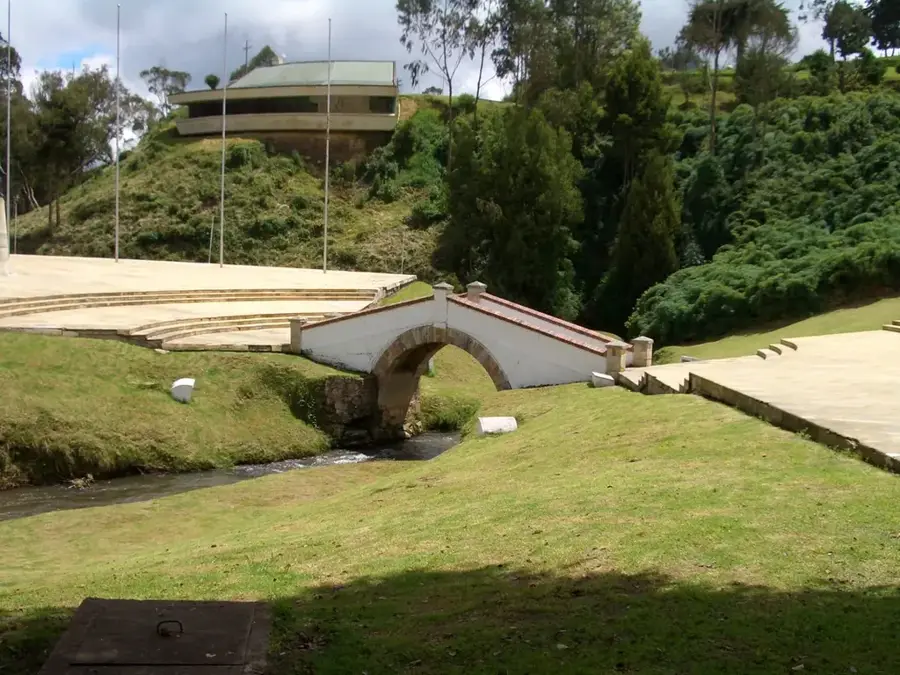
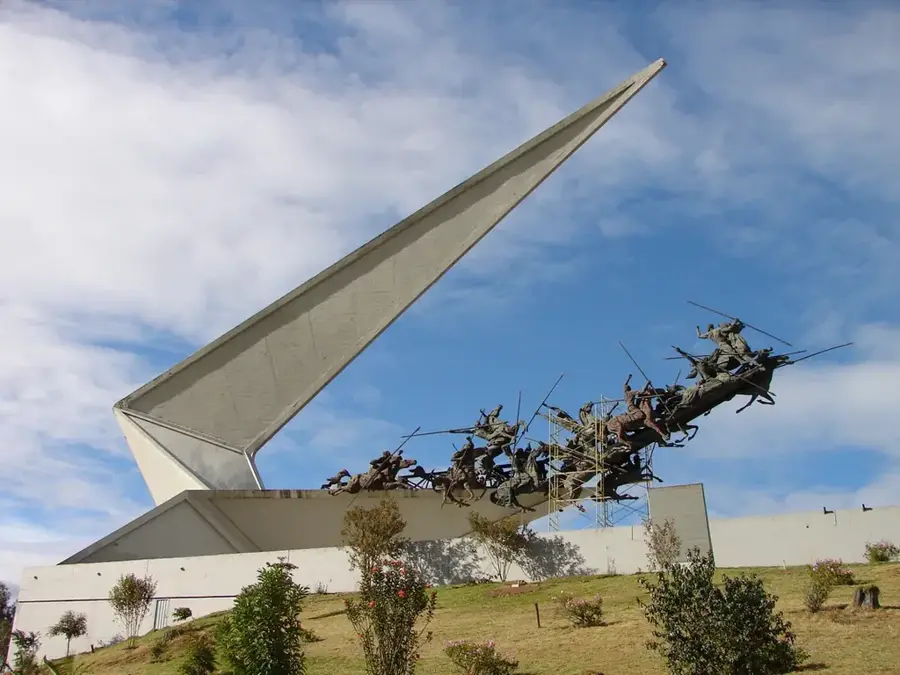
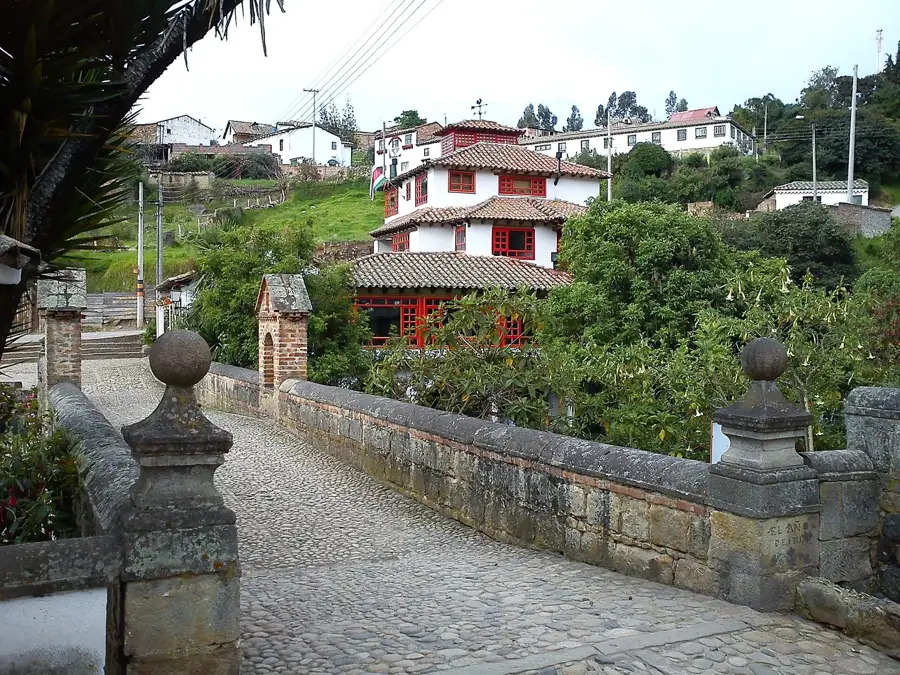
- Take a short bus ride to see the Puente de Boyacá, a crucial historical site just outside the city.
🍽 Food
Hearty stew with meats and root vegetables; find it in traditional restaurants near the center.
Sweet corn arepas with cheese; available at street stalls and local bakeries.
Traditional fermented corn drink; try it in older, traditional taverns.
🛍 Shopping · 🧘 Quiet spots
Traditional wool ponchos; look for artisan markets near the main square.
Colombia is famous for them; verify authenticity at specialized jewelry stores.
Historic well and small park on the edge of the city, tied to indigenous legends.
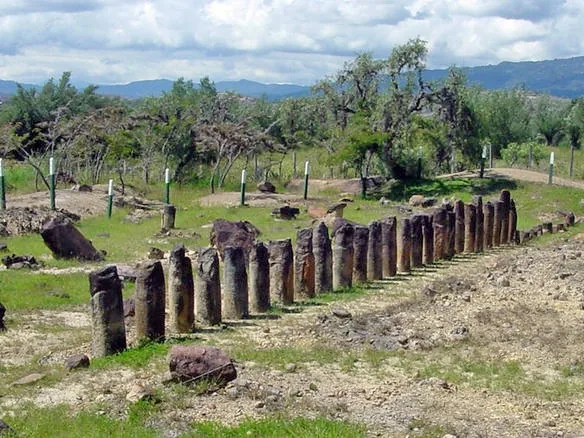
Ancient Muisca sanctuary offering a quiet spot and views over the city.
Water temperature…
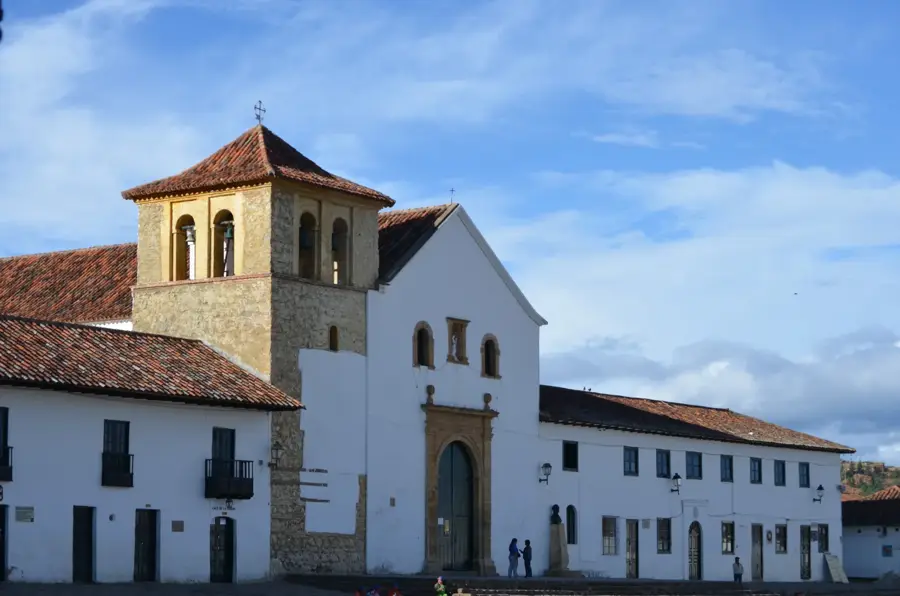
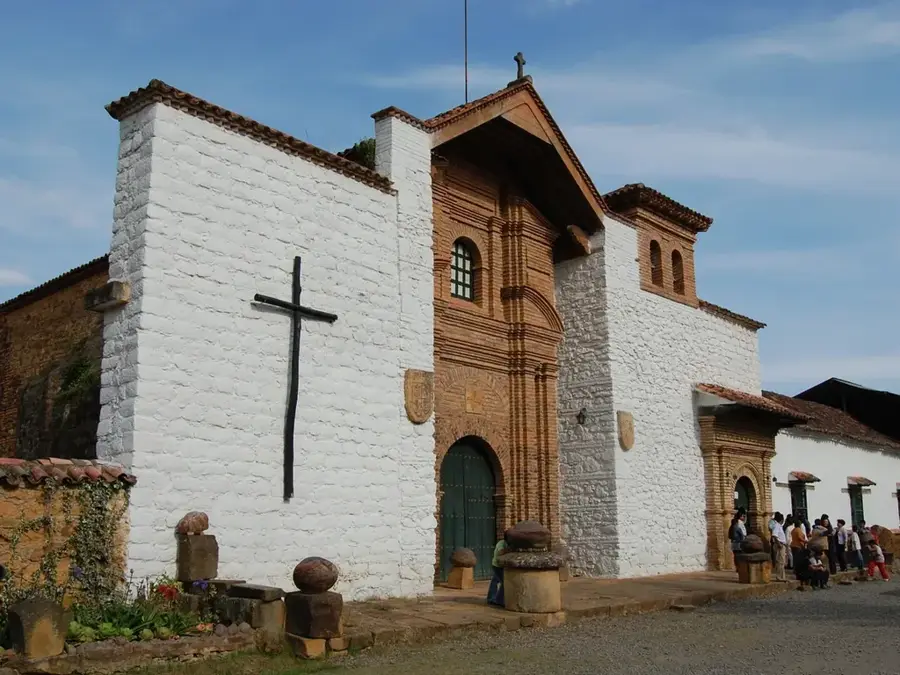
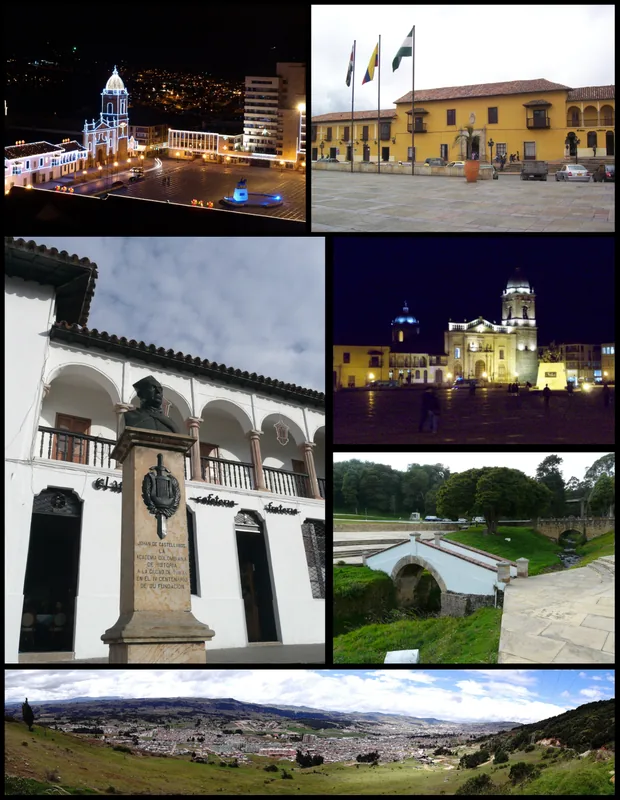
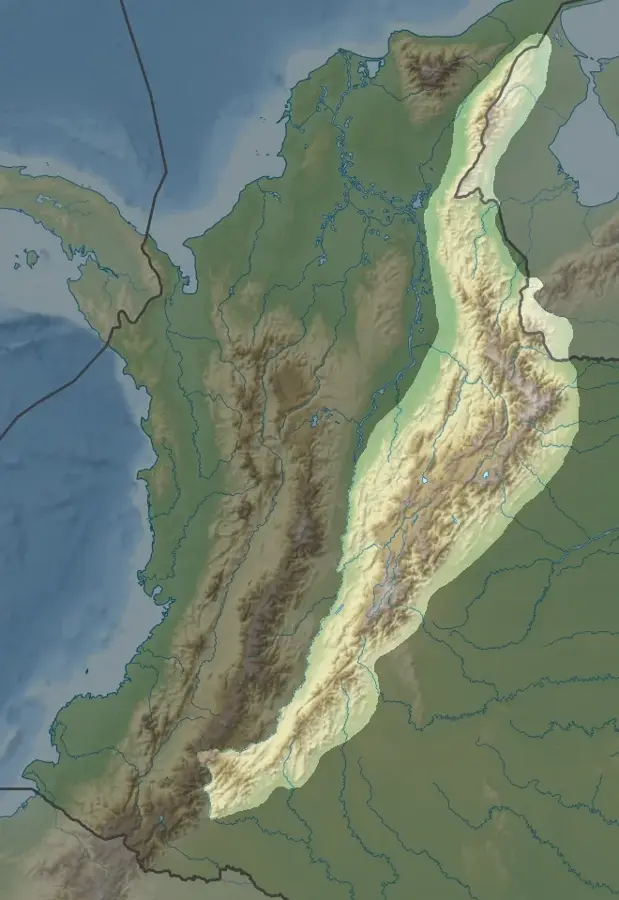
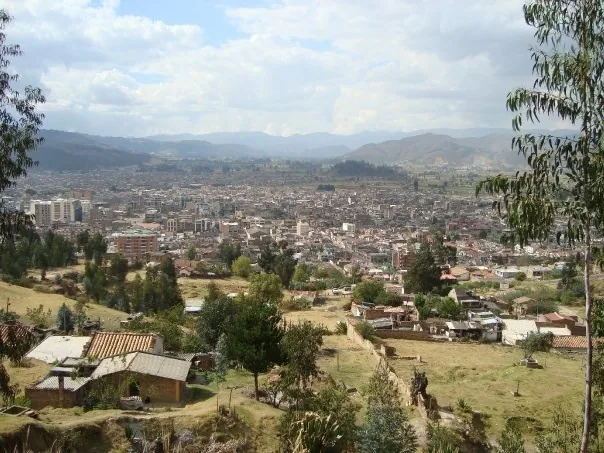
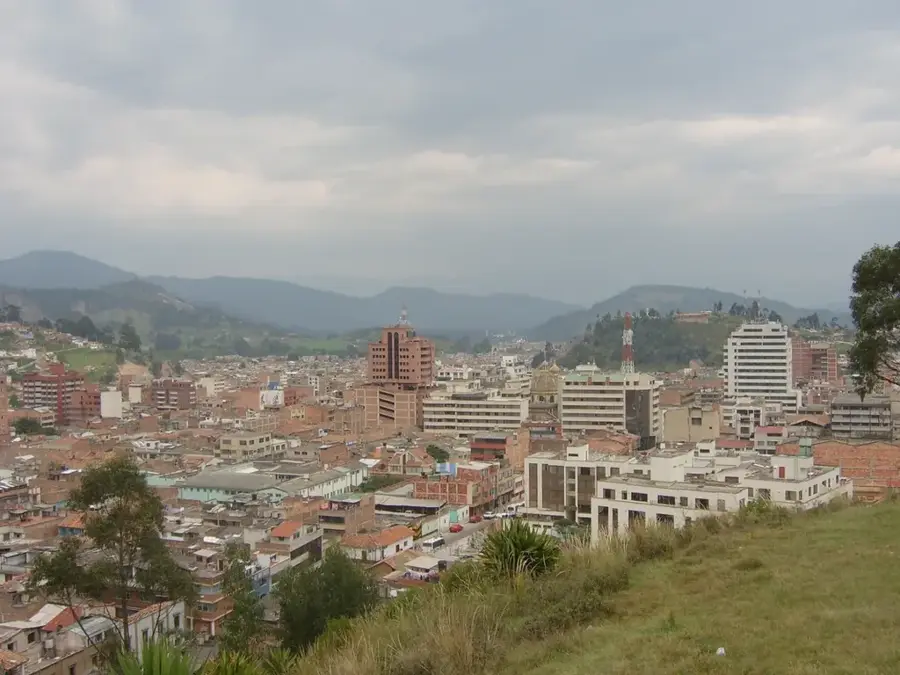
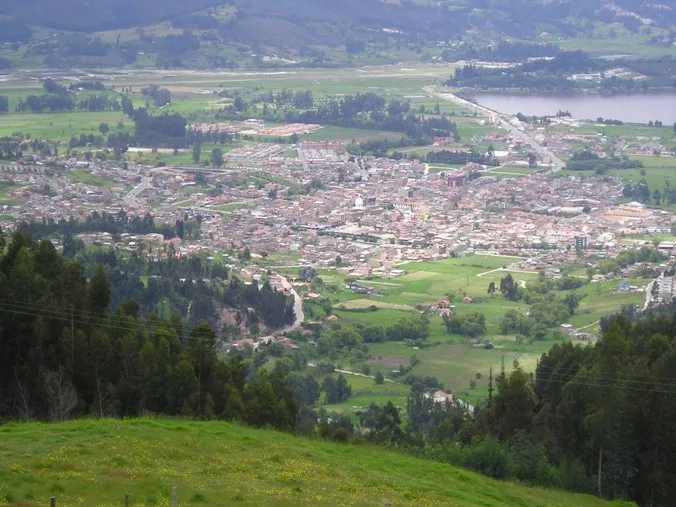
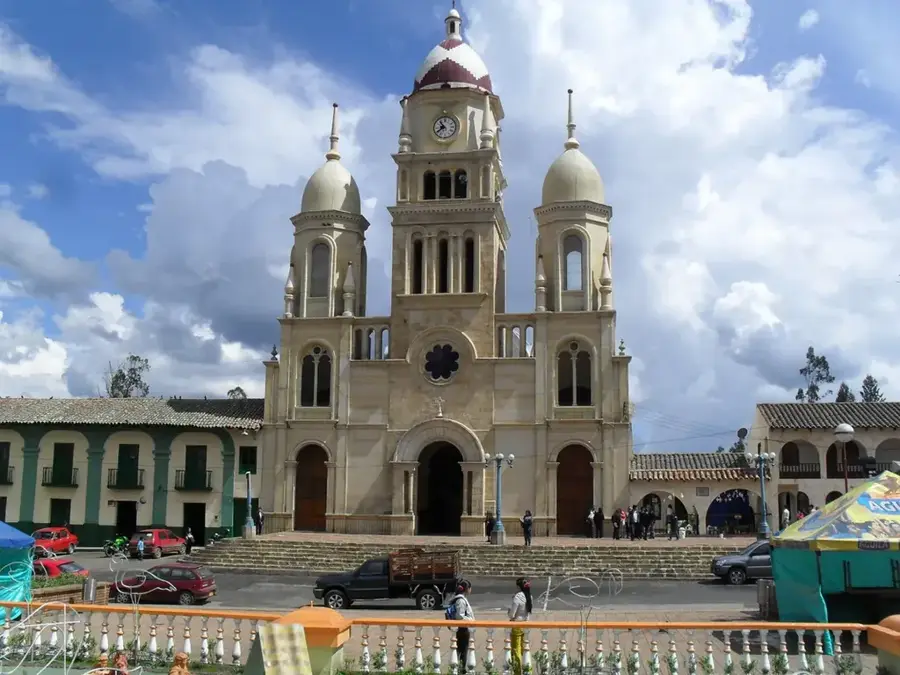
Tunja, the capital city of the Boyaca Department, stands as one of the oldest and most historically significant urban centers in Colombia. Situated at an elevation of 2,822 meters (9,258 feet) in the Eastern Cordillera of the Andes, it is among the highest major cities in the country, characterized by a crisp mountain climate. Founded in 1539 by Gonzalo Suarez Rendon on the site of the Muisca capital of Hunza, Tunja became a pivotal religious and administrative stronghold during the Spanish colonial era. This rich heritage is preserved in its historic center, which features an extraordinary collection of 16th-century religious art and architecture, including the Cathedral of St. James and the sweeping gilded interiors of the Church of Santo Domingo. The city earned the title 'City of Treasures' for its well-preserved colonial mansions and altarpieces. In the context of national history, Tunja was a key supporter of the liberation movement; the decisive Battle of Boyaca took place just outside the city in 1819, leading to Colombia's independence. Today, Tunja is a major intellectual hub, often called the 'University City' because it hosts numerous higher education institutions, most notably the Pedagogical and Technological University of Colombia. Its economy revolves around administrative services, education, and commerce. The Plaza de Bolivar is one of the largest public squares in Latin America, serving as the stage for the 'Aguinaldo Boyacense,' an annual cultural festival held every December since 1955. The city's topography consists of steep hills and narrow colonial streets that contrast with modern high-rise developments in the northern sectors. Tunja is also known for its devout religious traditions and its unique gastronomy, featuring highland staples like 'Cuchuco' and 'Envueltos.' Despite its tranquil reputation, Tunja is a modernizing city that balances its role as a guardian of Hispanic-American history with its position as a dynamic center for contemporary Colombian education and regional governance.
- Location: Colombia
- Top sights: Iglesia San Francisco · Casa del Fundador Gonzalo Suárez Rendón · Casa Cultural Gustavo Rojas Pinilla
- Nearby: Paipa (28 km)
- Population: ~172.548 (2026)
Best time to visit & climate
The most pleasant time to visit is Jan, Feb, Dec.
| Jan | Feb | Mar | Apr | May | Jun | Jul | Aug | Sep | Oct | Nov | Dec | |
|---|---|---|---|---|---|---|---|---|---|---|---|---|
| Avg °C | 15 | 16 | 16 | 16 | 16 | 15 | 15 | 15 | 15 | 15 | 15 | 15 |
| Rain mm | 43 | 60 | 119 | 192 | 195 | 151 | 132 | 120 | 112 | 180 | 162 | 87 |
Geography
Facts
- Tunja was established on August 6, 1539.
- It is located at an altitude of 9,258 feet above sea level.
- The city's historical center is a National Monument of Colombia.
- Tunja is home to over 15 institutions of higher learning.
- The average annual temperature is a cool 13°C (55°F).
- It was the capital of the United Provinces of New Granada.
- The city square is flanked by the colonial Town Hall.
- Tunja is located about 130 km northeast of Bogota.
Explore nearby
Notable places around
Route planner — Car & Motorhome
Where do you start? We build the route here, with stops and country notes along the way.
© OpenStreetMap contributors · OpenRouteService
Sights in the town Tunja (10)
Frequently asked questions
How high is Tunja?
What is the weather like in Tunja?
What can you visit in the city?
Is Tunja historically significant?
What is the Puente de Boyacá?
Tunja: where is it located?
Tunja: what is there to see?
Tunja: when is the best time to visit?
Tunja: why is it worth visiting?

Nearby cities
History & landmarks
Nature
More places