Plizio Visual Lab

Lake Guatavita
Plizio editorial teamData Sources
Lake
—°9
Lake Guatavita (Colombia)

Weather…

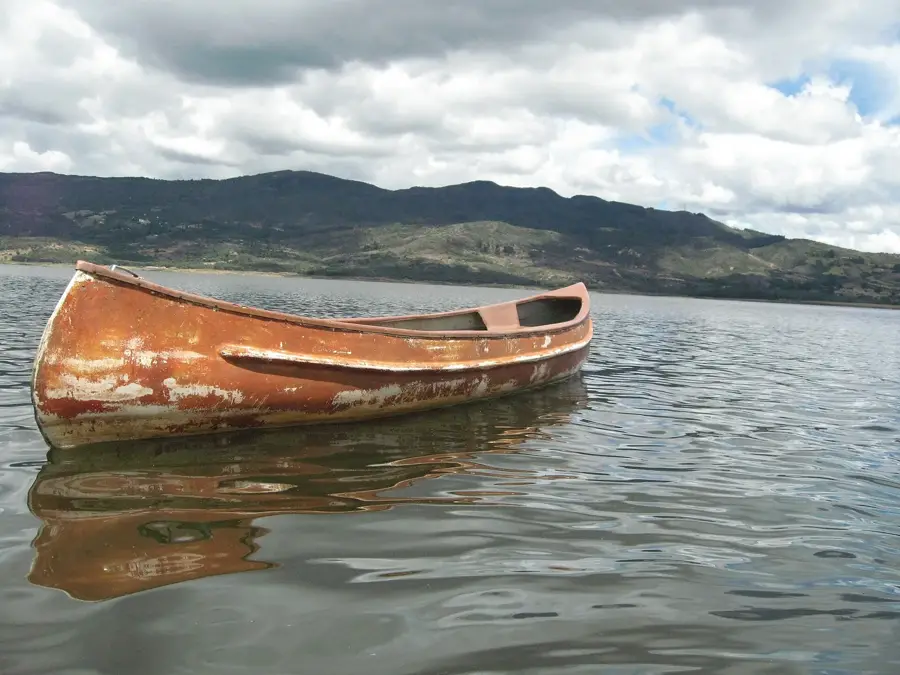
Lake Guatavita is situated in the municipality of Sesquilé, within the Cundinamarca department of Colombia, at an elevation of approximately 3,100 meters above sea level in the Eastern Cordillera of the Andes. The lake features a strikingly circular shape surrounded by steep slopes, a formation that was historically misinterpreted as a volcanic crater but is now understood as a geological depression. This site is world-renowned as the sacred lake of the Muisca people and the primary source of the El Dorado legend, where new chiefs were reportedly covered in gold dust before diving into the water to offer treasures to their gods. In 1537, Spanish conquistadors led by Gonzalo Jiménez de Quesada arrived at the lake, marking the beginning of centuries of drainage attempts to recover sunken artifacts. One notable effort occurred in 1911 when British engineer Hartley Knowles managed to lower the water level significantly but faced insurmountable mud. Today, the lake is a protected natural reserve, preventing further excavations and preserving the high-altitude páramo environment. The surrounding forest is home to unique flora, including various species of frailejones and high-mountain orchids.

Best time to visit & climate

The most pleasant time to visit is Jan, Feb, Dec.

JanFebMarAprMayJunJulAugSepOctNovDec
Avg °C141414141413131313141414
Rain mm386112822123018816313411919217496

📋 Practical info

🧭
Getting there
Reaching the lake usually involves a trip from Bogotá followed by a drive up to a designated entrance near Sesquilé. From there, visitors typically proceed on foot up a steady incline to reach the crater rim overlooking the lake.
📅
Best season
The dry season, roughly stretching from December to March, is typically the most favorable time to explore the area without heavy rain. The highland climate remains cool and crisp all year, making sunny mornings well-suited for clear views.
⛰️
Terrain & paths
Paths leading up to the crater rim are often composed of stone steps and packed dirt, requiring moderate physical exertion. Due to the high altitude, the ascent can feel noticeably more demanding than it appears from the base.
🎒
What to bring
Comfortable walking shoes with a reliable grip are crucial for the stepped ascent and potentially uneven highland trails. Warm, adaptable clothing is necessary as the high elevation often brings sudden cold winds and occasional rain showers.
🅿️
Parking
There is usually a designated parking area near the ticket office at the beginning of the trail where vehicles can be safely left. From this spot, visitors transition to a pedestrian route leading upwards into the natural reserve.
⚠️
Safety
The primary concern is typically altitude sickness; taking a slow, steady pace during the ascent helps the body acclimatize. Sticking to the official paths is usually mandatory to preserve the fragile páramo ecosystem surrounding the crater.
⏱️
Time needed
Completing the guided or self-guided walk from the base to the viewpoints and returning generally takes around two to three hours. Visitors often spend extra time at the top photographing the lake and listening to the historical legends.

Geography

Coordinates
4.97500, -73.81670

Facts

  • Located at 3,100 meters above sea level in Sesquilé.
  • Focal point of the Muisca ritual that inspired El Dorado.
  • First reached by Spanish conquistadors in 1537.
  • A major drainage attempt was led by the British in 1911.
  • The Muisca Golden Raft was found in nearby Pasca in 1969.
  • The lake has a diameter of roughly 700 meters.

Explore nearby

Notable places around
Route planner — Car & Motorhome

Where do you start? We build the route here, with stops and country notes along the way.

Vehicle
Only stops with (optional):

© OpenStreetMap contributors · OpenRouteService

Sights in the town Lake Guatavita (9)

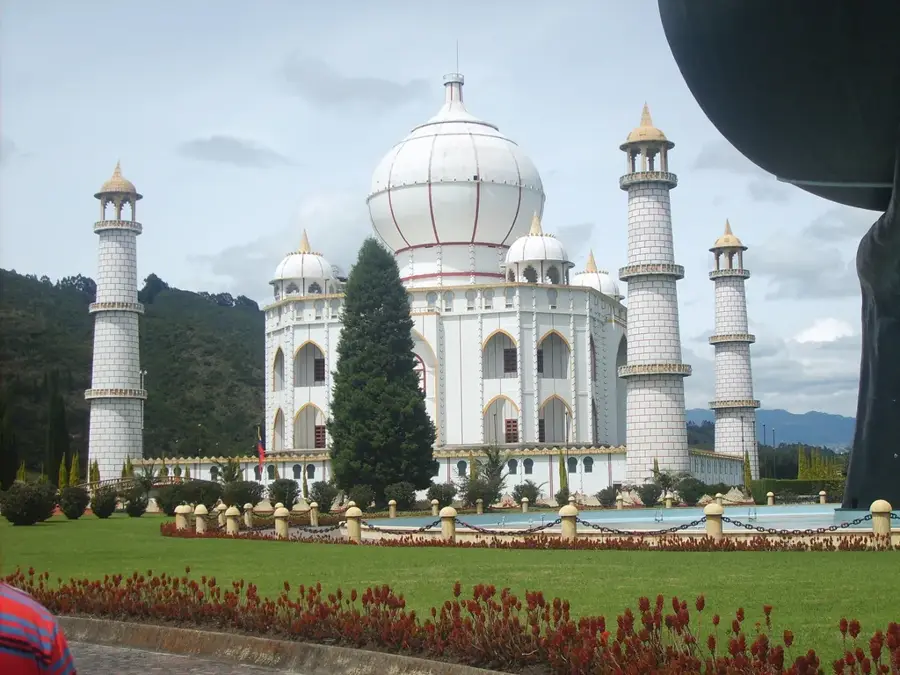
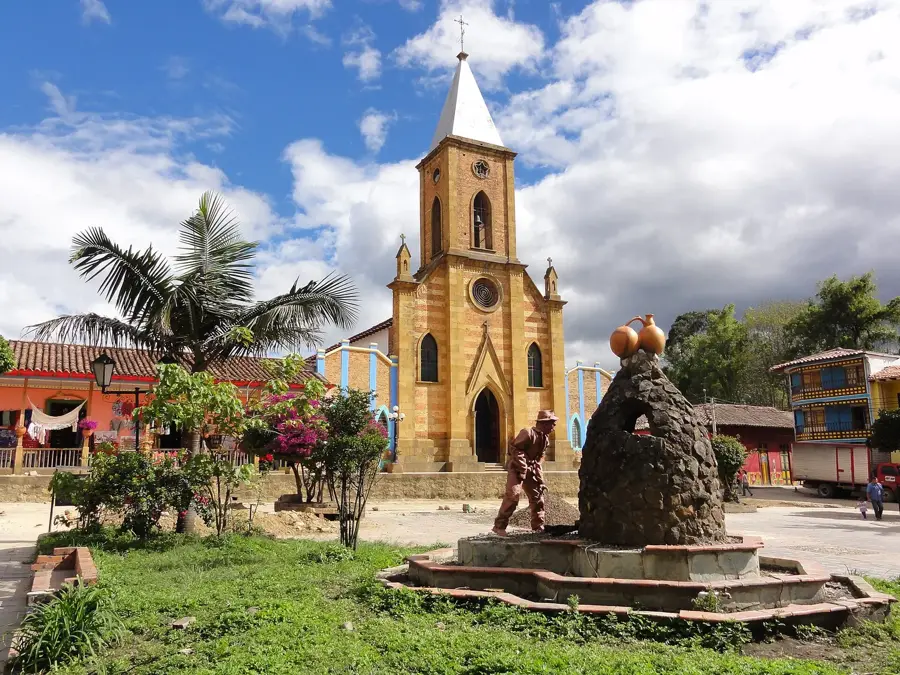
El Castillo del Cerezo📍 landmark

An eye-catching attraction shaped like a castle near the shores of Lake Guatavita.

Parque agroecologico Macanú🎡 recreation

An agro-ecological theme park near Lake Guatavita offering interactive experiences with nature and farming.

Saltamontodromo📍 landmark

A uniquely named recreational attraction dedicated to outdoor activities in the Lake Guatavita area.

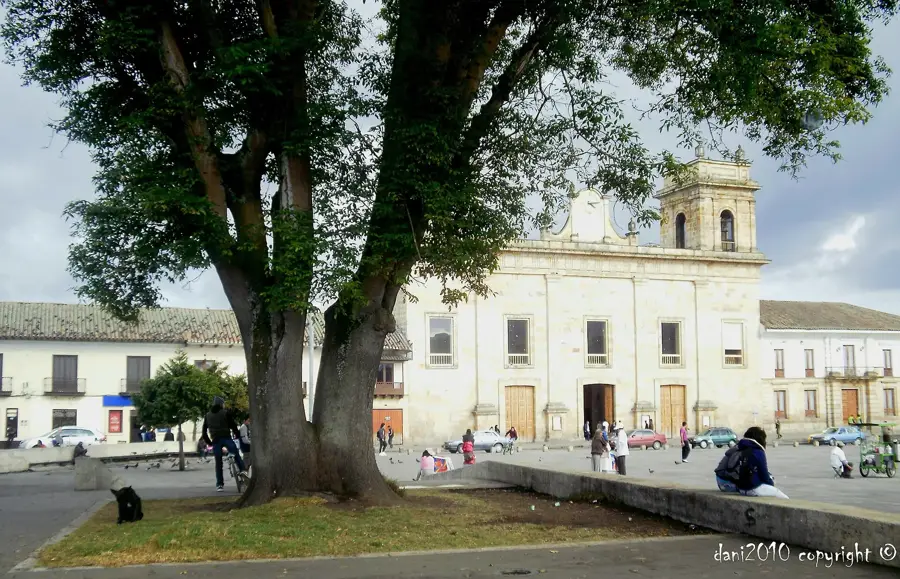
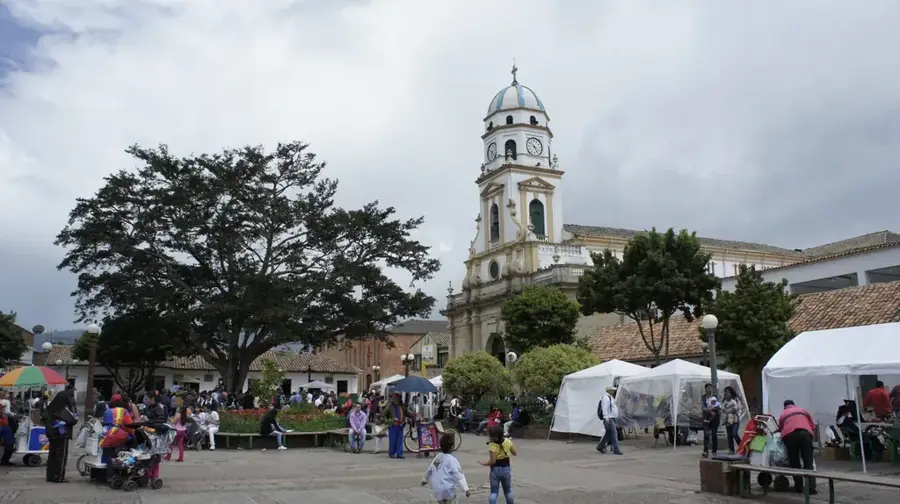
Plaza de Gachancipa📍 landmark

The main public square of Gachancipá, a traditional gathering space on the route towards Lake Guatavita.

Mirador Laguna de Guatavita🌿 nature

A dedicated viewpoint providing panoramic views over the sacred, circular crater of Lake Guatavita.

Guatavita🌿 nature

A scenic viewpoint offering dramatic perspectives of the surrounding Andean landscapes and the newly built town of Guatavita.

Reserva Natural Estrella de Páramo🌿 nature

A protected high-altitude paramo ecosystem near Lake Guatavita, crucial for preserving native Andean flora.

Balcon Virgen del Carmen⛪ religious

Dedicated to the Virgin of Mount Carmel, this local shrine features a quiet space for prayer near Lake Guatavita.

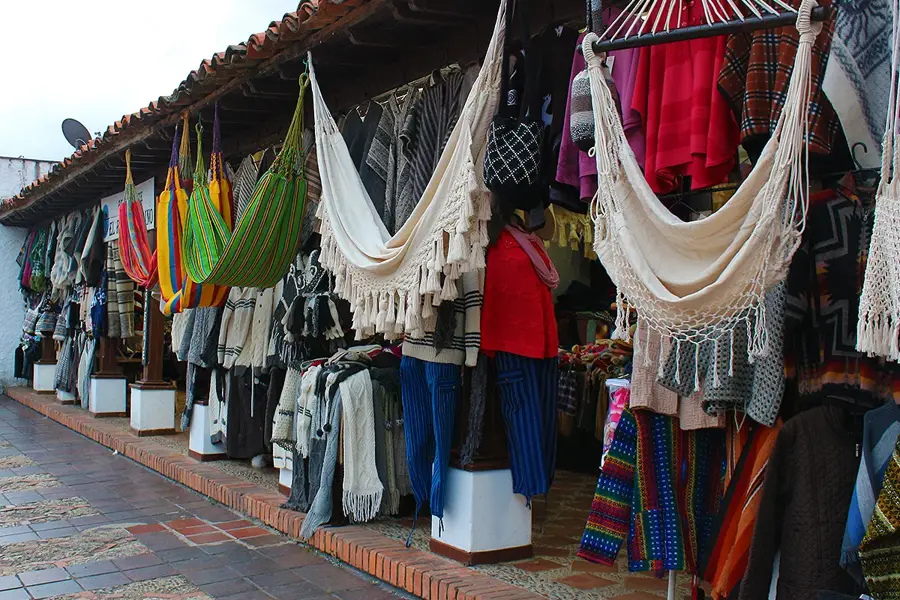
Mercado🎭 culture

This bustling market features a variety of local goods and fresh agricultural produce from the Lake Guatavita region.

Sights nearby

Frequently asked questions

What is the lake famous for?
It is the origin of the El Dorado legend.
Is swimming allowed?
No, swimming and diving are strictly prohibited.
How was the lake formed?
Likely through a meteoric impact or tectonic subsidence.
Are there guided tours?
Yes, the lake can only be visited with a guide.
Where is it located?
About 60 km northeast of Bogotá.
Lake Guatavita: where is it located?
Lake Guatavita is located in Colombia.
Lake Guatavita: what is there to see?
Highlights include El Castillo del Cerezo, Parque agroecologico Macanú, Saltamontodromo.
Lake Guatavita: when is the best time to visit?
The most pleasant time to visit is Jan, Feb, Dec.
Lake Guatavita: why is it worth visiting?
Lake Guatavita is situated in the municipality of Sesquilé, within the Cundinamarca department of Colombia, at an elevation of approximately 3,100 meters above sea level in the Eastern Cordillera of the Andes.
View on map → The Top 50 Attractions → OpenStreetMap →
South America
Explore with Plizio Discover more places in South America
More places in Colombia →

Nearby cities

History & landmarks
More places