Plizio Visual Lab

Dja Basin
Plizio editorial teamData Sources
Relief
—°1
Dja Basin (Cameroon)

Weather…

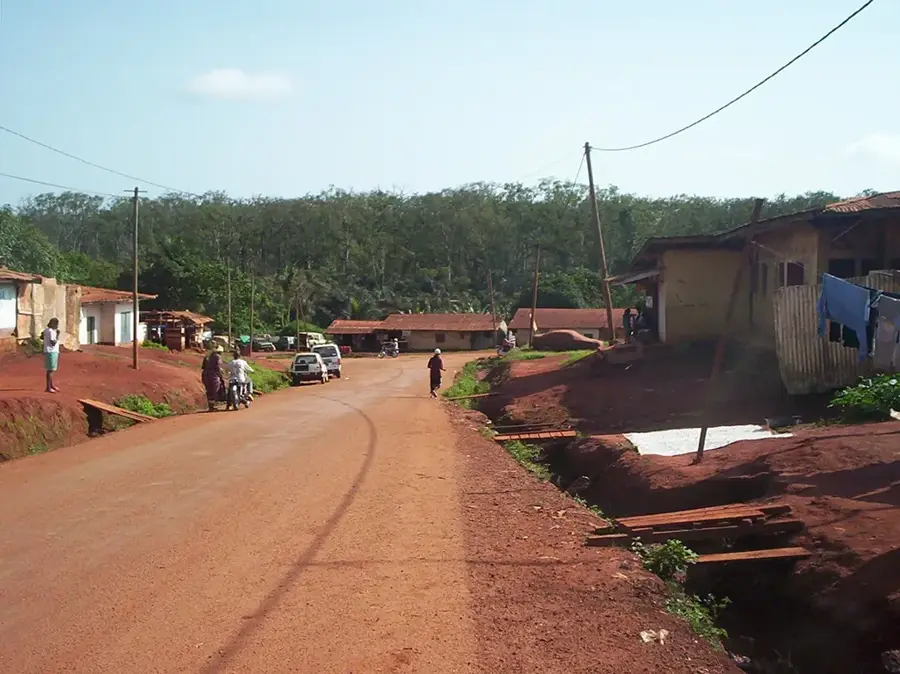
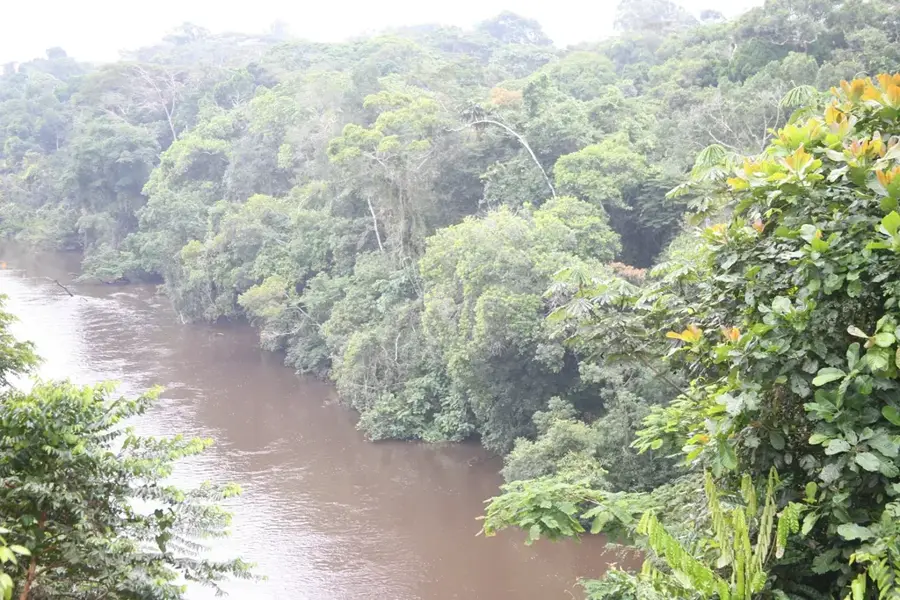
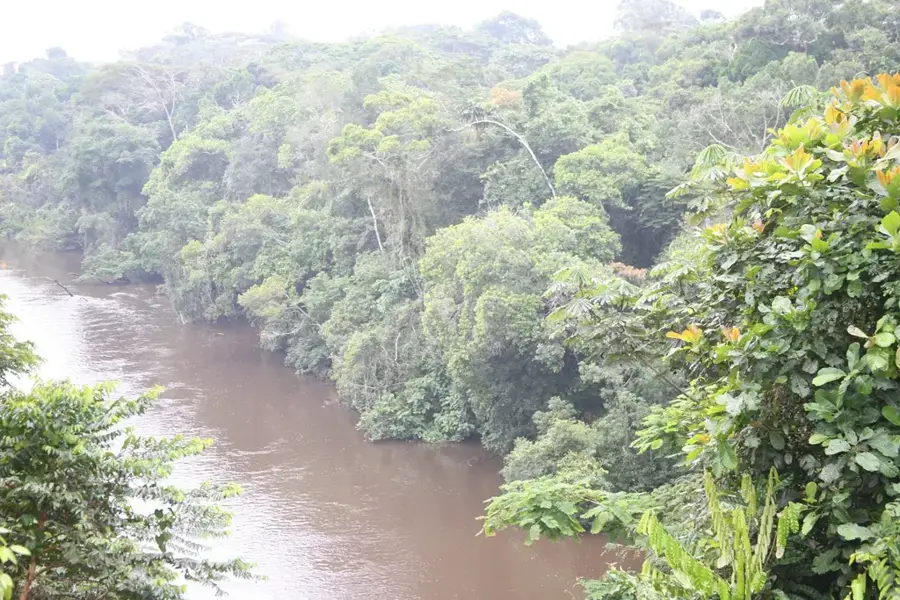
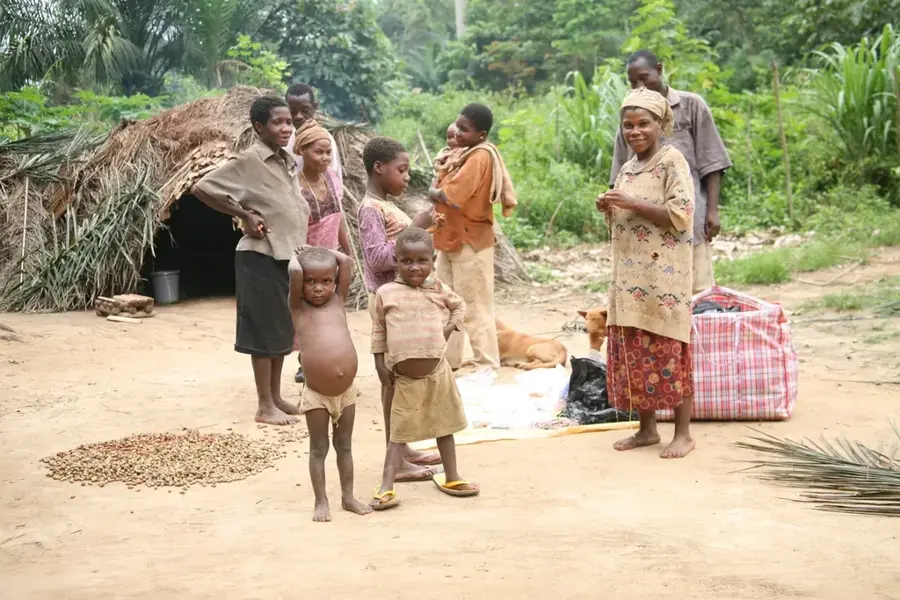
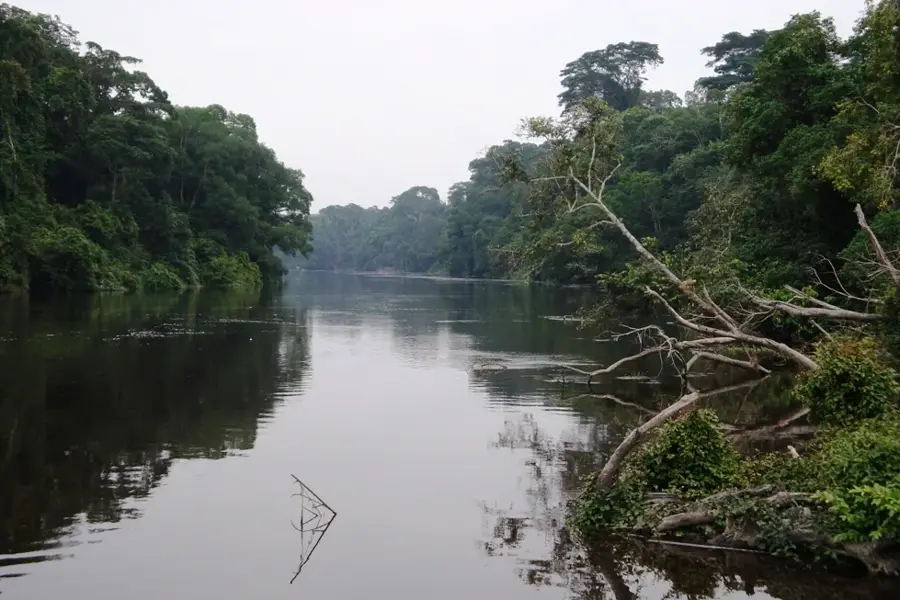
The Dja Basin is an extensive lowland in southeastern Cameroon, almost entirely encircled by the Dja River, representing one of Africa's best-preserved rainforest regions. Geographically, the basin is characterized by its flat topography with scattered inselbergs rising above the green canopy. The centerpiece is the Dja Faunal Reserve, which has been a UNESCO World Heritage site since 1987 and covers an area of over 5,200 square kilometers. The basin functions as a massive carbon sink and is crucial for the regional climate and water cycle. Its ecological importance is immense, as the area provides habitat for endangered species such as forest elephants, chimpanzees, and the western lowland gorilla. Humanly, the basin has been inhabited for millennia by the Baka pygmies, whose traditional knowledge of the forest is invaluable for conservation. The region's isolation has helped protect the forest from large-scale industrial exploitation, though poaching and illegal logging remain persistent threats.

Best time to visit & climate

The most pleasant time to visit is Jan, Feb, Dec.

JanFebMarAprMayJunJulAugSepOctNovDec
Avg °C242524242423232323232323
Rain mm297014115516413813217722725714939

📋 Practical info

🧭
Getting there
Remote entry points are typically reached via enormously long drives on entirely unpaved logging or severely muddy rural roads. Engaging an expert local tracking guide from a nearby village is absolutely mandatory for successfully navigating the incredibly dense vegetation.
📅
Best season
The distinctly dry seasons are universally and strongly preferred, as deep forest tracks become extremely muddy and completely impassable during heavy tropical rains. Incredible wildlife viewing is also generally much better and far more reliable during these distinctly drier months.
⛰️
Terrain & paths
Fully expect undulating low hills completely and thoroughly covered in incredibly thick, primary equatorial forest with overwhelmingly dense undergrowth. Walking heavily involves carefully navigating over massive slippery tree roots, traversing small winding streams, and dealing with intensely oppressive humidity.
🎒
What to bring
Extremely lightweight, strictly long-sleeved clothing is undeniably essential to effectively protect against aggressive insects and viciously thorny plants. Definitely bring genuinely waterproof hiking boots, incredibly strong insect repellent, a sharp machete, and vital water purification tablets.
🅿️
Parking
Expedition vehicles can usually be left incredibly securely at a local eco-guard station, dedicated research camp, or a formally designated forest village. Rigorously confirming these specific arrangements with village chiefs or park authorities entirely beforehand is highly and strongly recommended.
⚠️
Safety
The profoundly deep forest incredibly harbors various fascinating wildlife, definitely including huge elephants and potentially very dangerous stinging insects. Always stay remarkably close to your expert guide, follow their vital instructions implicitly, and be entirely prepared for unyielding high heat and humidity.
⏱️
Time needed
A genuinely meaningful, comprehensive visit to the complex, dense forest environment usually strongly requires at least two to three totally full days. Extended, challenging camping treks are quite impressively common for those passionately wishing to deeply explore this highly diverse and bustling ecosystem.

Geography

Coordinates
3.00000, 13.00000

Facts

  • The Dja Faunal Reserve covers approximately 526,000 hectares.
  • The Dja River encircles the area for a distance of over 300 km.
  • It hosts one of the densest gorilla populations in Central Africa.
  • Over 100 mammal species have been recorded in the basin.
  • The Baka people utilize over 1,000 different forest products here.
  • The average temperature is constant at around 24 degrees Celsius.

Explore nearby

Notable places around

Route planner — Car & Motorhome

Where do you start? We build the route here, with stops and country notes along the way.

Vehicle
Only stops with (optional):

© OpenStreetMap contributors · OpenRouteService

Sights in the town Dja Basin (1)

Dja Faunal Reserve📍 landmark

The Dja Faunal Reserve is a protected area in southern Cameroon, known for its dense rainforests and diverse wildlife.

Sights nearby

Frequently asked questions

What is the Dja Basin?
A vast forest area in the southeast, enclosed by the Dja River and known for its wildlife reserve.
Is it a UNESCO World Heritage site?
Yes, the Dja Faunal Reserve is one of Africa's best-preserved rainforest areas.
What animals live in the Dja Basin?
Forest elephants, western lowland gorillas, chimpanzees, and over 300 bird species.
Can tourists visit the reserve?
Yes, but it is very adventurous. Permits are required and you often have to stay in tents in the forest.
Who are the indigenous people of the region?
The Baka people (Pygmies) have lived in harmony with the forest for millennia.
Dja Basin: where is it located?
Dja Basin is located in Cameroon.
Dja Basin: when is the best time to visit?
The most pleasant time to visit is Jan, Feb, Dec.
Dja Basin: why is it worth visiting?
The Dja Basin is an extensive lowland in southeastern Cameroon, almost entirely encircled by the Dja River, representing one of Africa's best-preserved rainforest regions.
View on map → The Top 50 Attractions → OpenStreetMap →
Africa
Explore with Plizio Discover more places in Africa
More places in Cameroon →

Nearby cities

History & landmarks

Nature
More places