Plizio Visual Lab
Lake Tanganyika
Weather…
Water temperature…
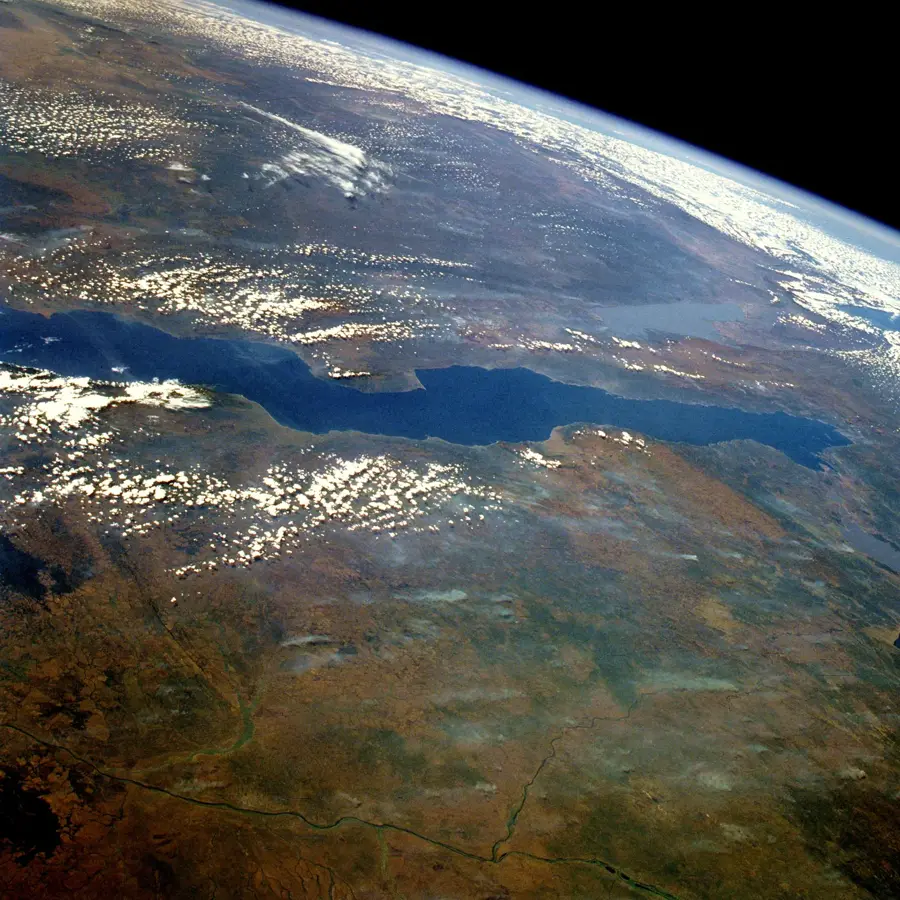
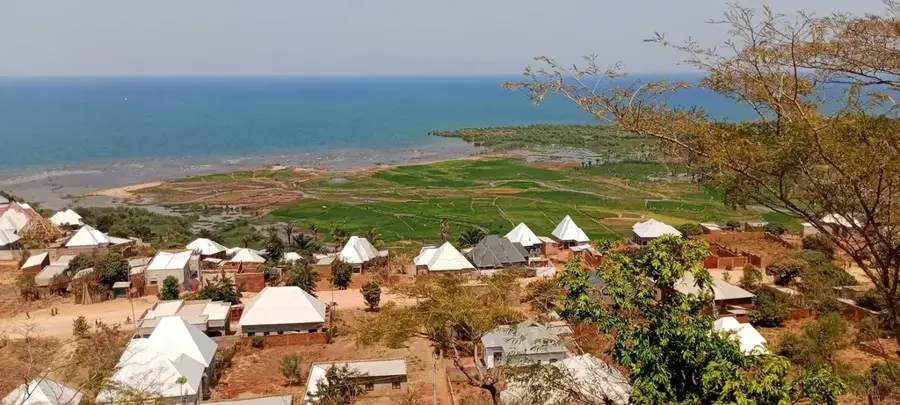
Lake Tanganyika is a natural wonder of global significance, holding the distinction of being the world's second-deepest and second-oldest freshwater lake. Located within the Albertine Rift, the lake stretches approximately 673 kilometers and is shared by Tanzania, the Democratic Republic of the Congo, Burundi, and Zambia. Reaching a maximum depth of around 1,470 meters, it contains an estimated 18% of the world's available liquid surface freshwater. The lake's isolation for over 10 million years has fostered the evolution of extraordinary biodiversity, most notably over 250 species of cichlid fish, nearly all of which are endemic. For the surrounding nations, the lake is a critical source of protein and a vital corridor for regional trade and transport. Its waters are exceptionally clear, offering visibility up to 20 meters in certain areas. Despite its vast volume, the ecosystem faces threats from rising water temperatures and overfishing, prompting increased international cooperation to protect this ancient and irreplaceable ecological treasure.
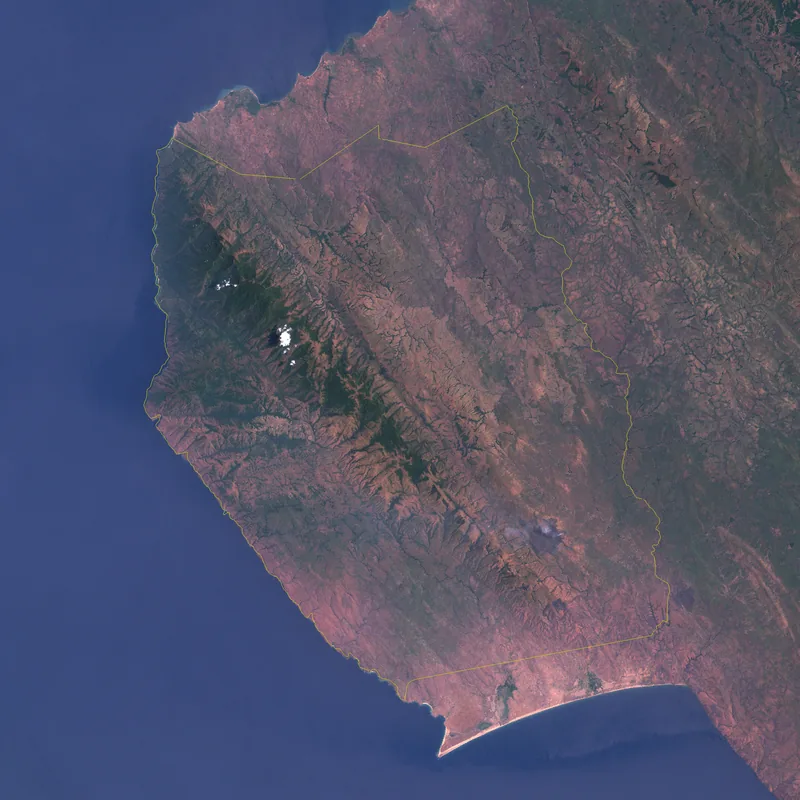
- Location: Burundi
- Nearby: Mugamba (13 km)
Best time to visit & climate
The most pleasant time to visit is Jun–Aug.
| Jan | Feb | Mar | Apr | May | Jun | Jul | Aug | Sep | Oct | Nov | Dec | |
|---|---|---|---|---|---|---|---|---|---|---|---|---|
| Avg °C | 21 | 22 | 22 | 21 | 21 | 20 | 20 | 21 | 22 | 22 | 21 | 21 |
| Rain mm | 202 | 168 | 219 | 213 | 94 | 29 | 15 | 42 | 94 | 172 | 341 | 219 |
📋 Practical info
Geography
Facts
- It is the world's second-deepest lake at 1,470 meters.
- The lake is estimated to be between 9 and 12 million years old.
- It holds roughly 18% of the world's liquid surface freshwater.
- The lake's shoreline is shared by four different countries.
- More than 95% of its cichlid fish species are found nowhere else.
- Stretching 673 km, it is the world's longest freshwater lake.
Explore nearby
Notable places around




Route planner — Car & Motorhome
Where do you start? We build the route here, with stops and country notes along the way.
© OpenStreetMap contributors · OpenRouteService
Sights nearby
Frequently asked questions
How deep is Lake Tanganyika?
What activities are offered on the lake?
Are there dangerous animals in the lake?
Is the water clean enough for swimming?
How many countries border the lake?
Lake Tanganyika: where is it located?
Lake Tanganyika: when is the best time to visit?
Lake Tanganyika: why is it worth visiting?

Nearby cities
History & landmarks
More places