Plizio Visual Lab

Northern Balkan Slopes

Plizio editorial teamData Sources
Mountain
—°2
Northern Balkan Slopes (Bulgaria)

Weather…

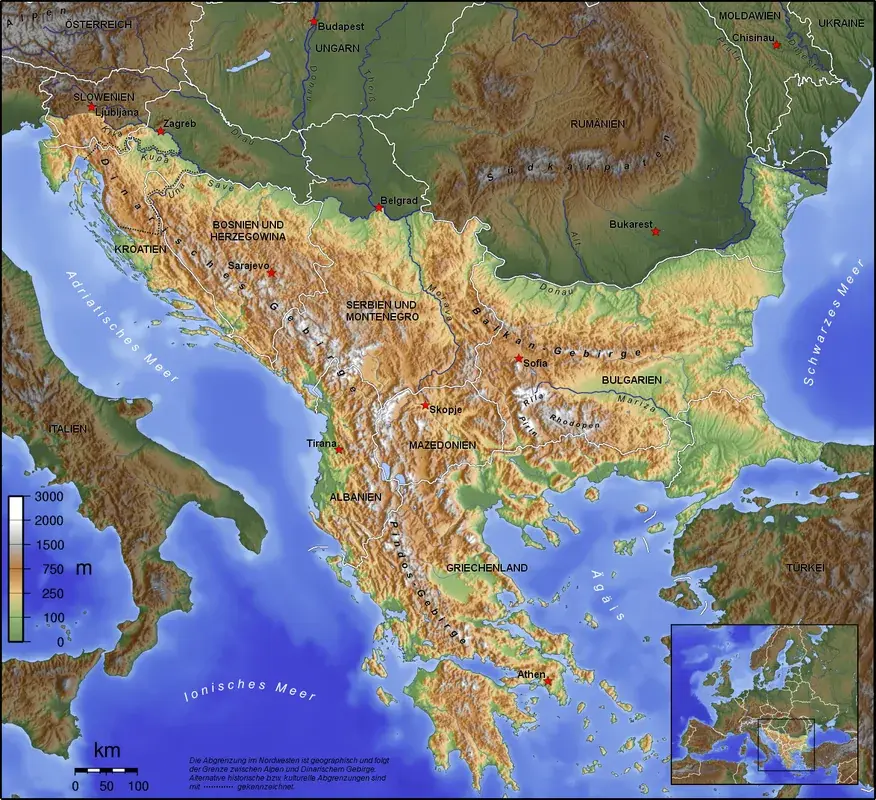
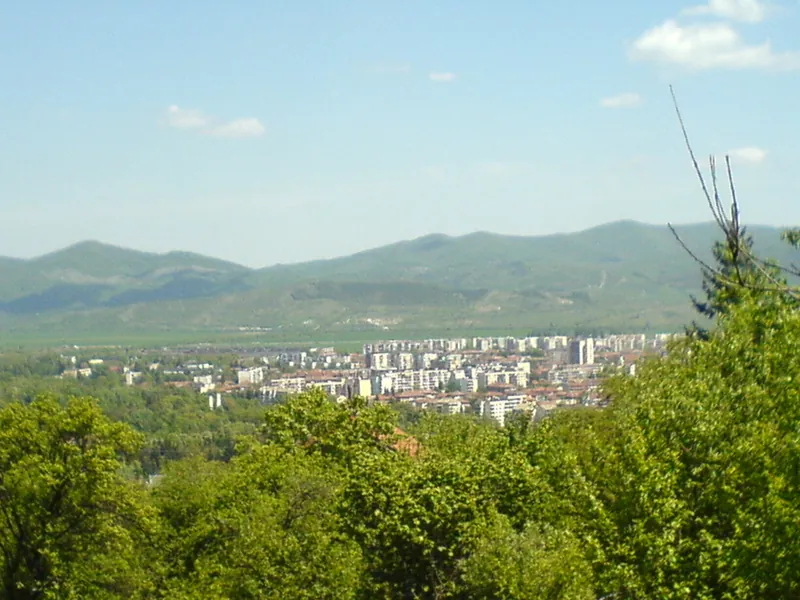
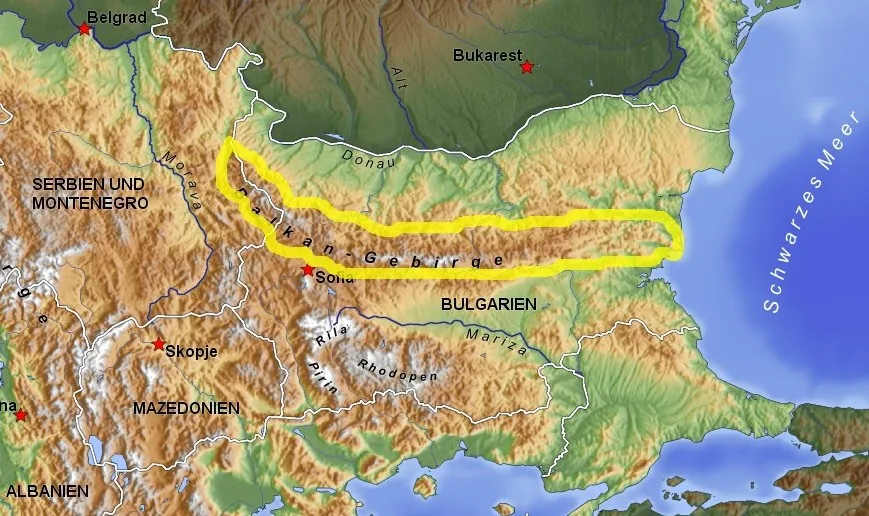
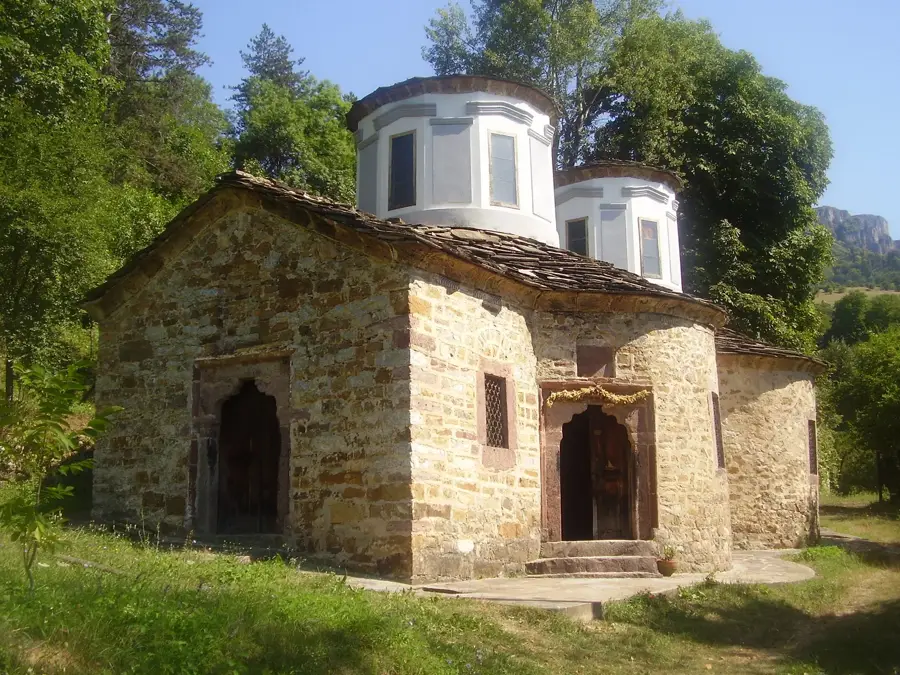
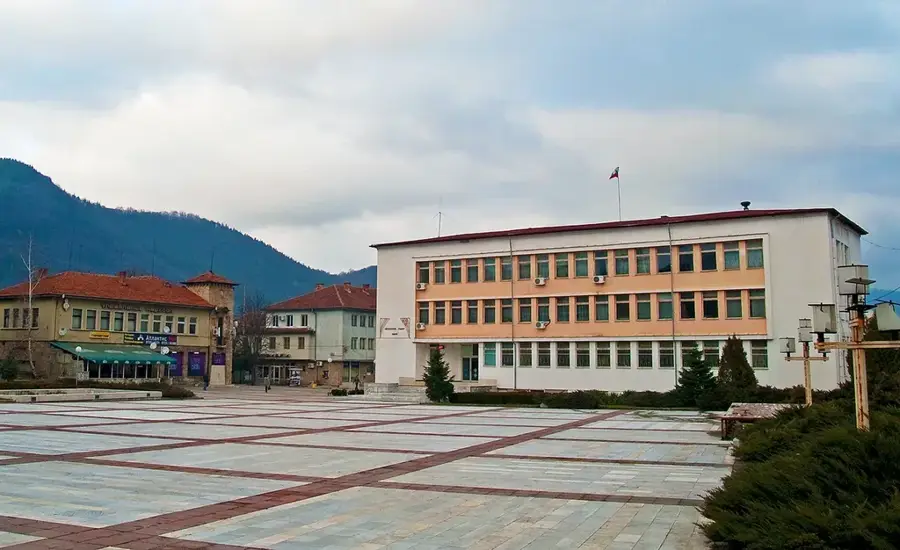
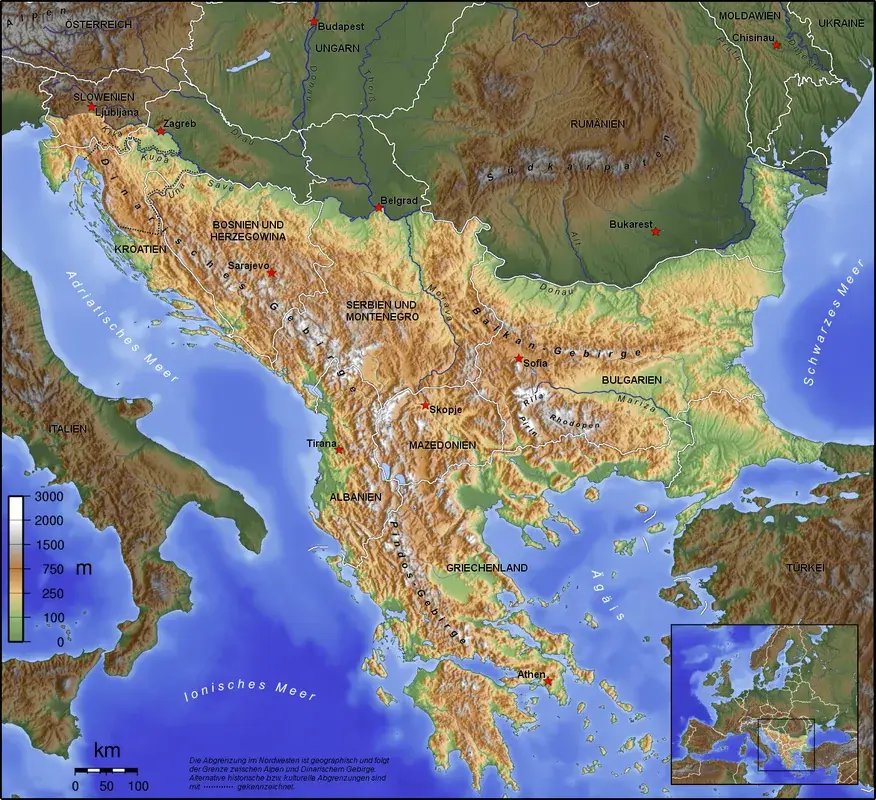
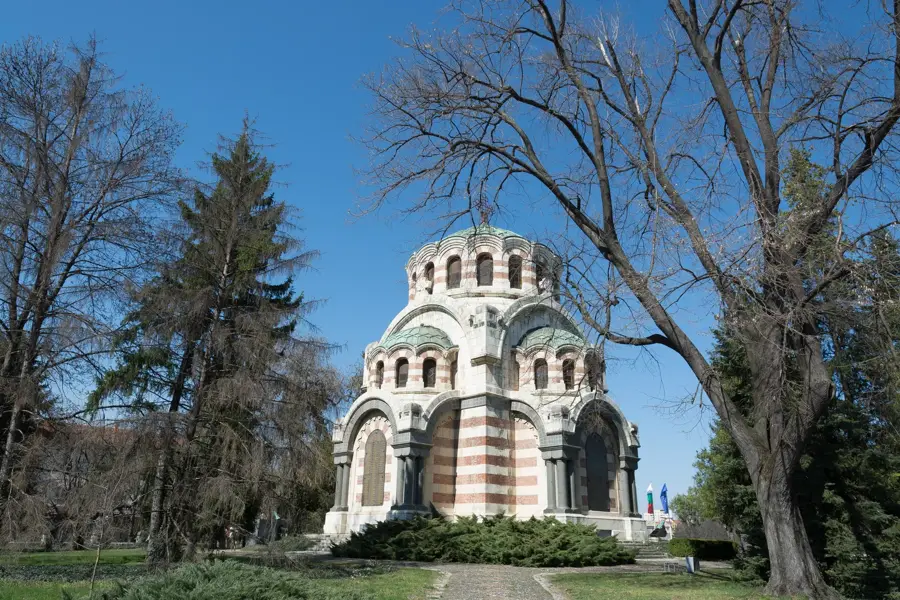
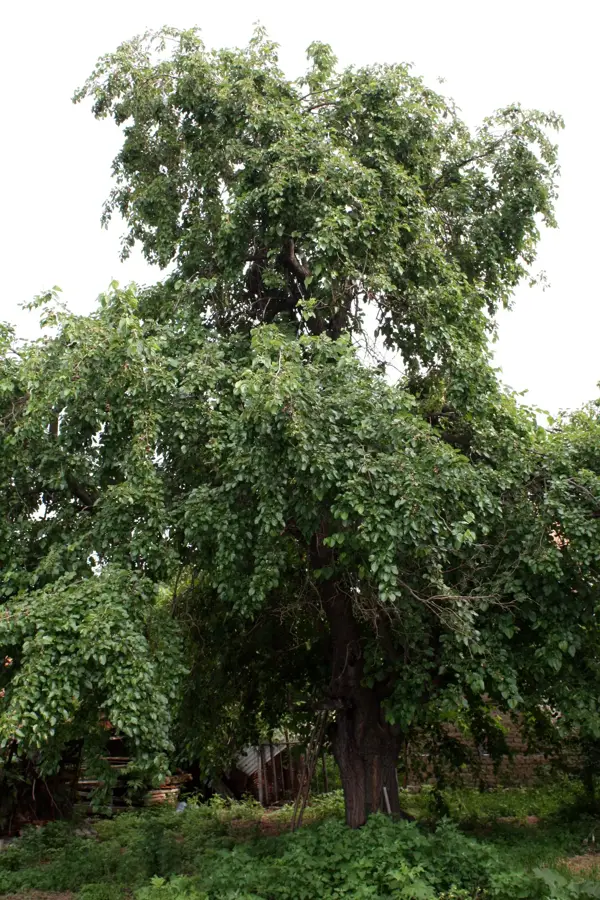
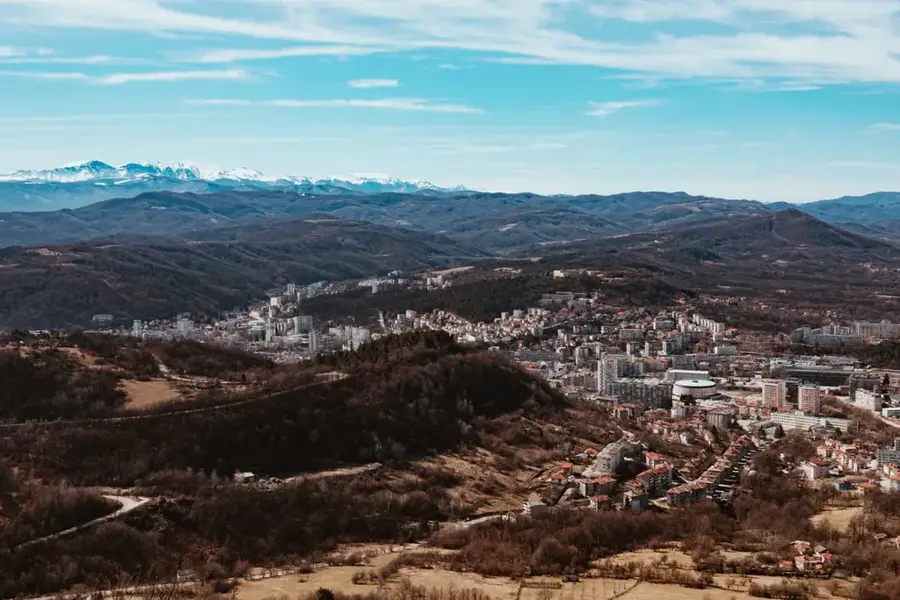
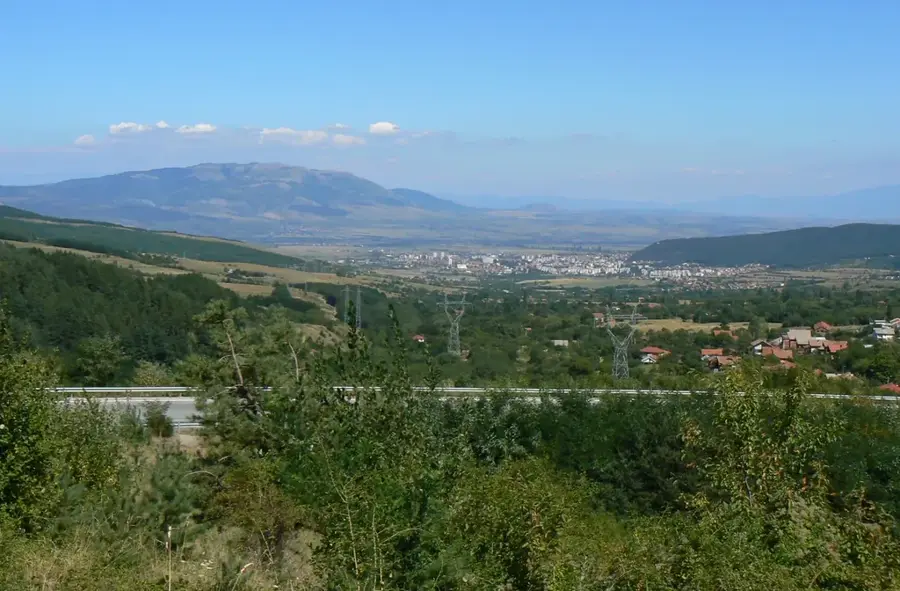
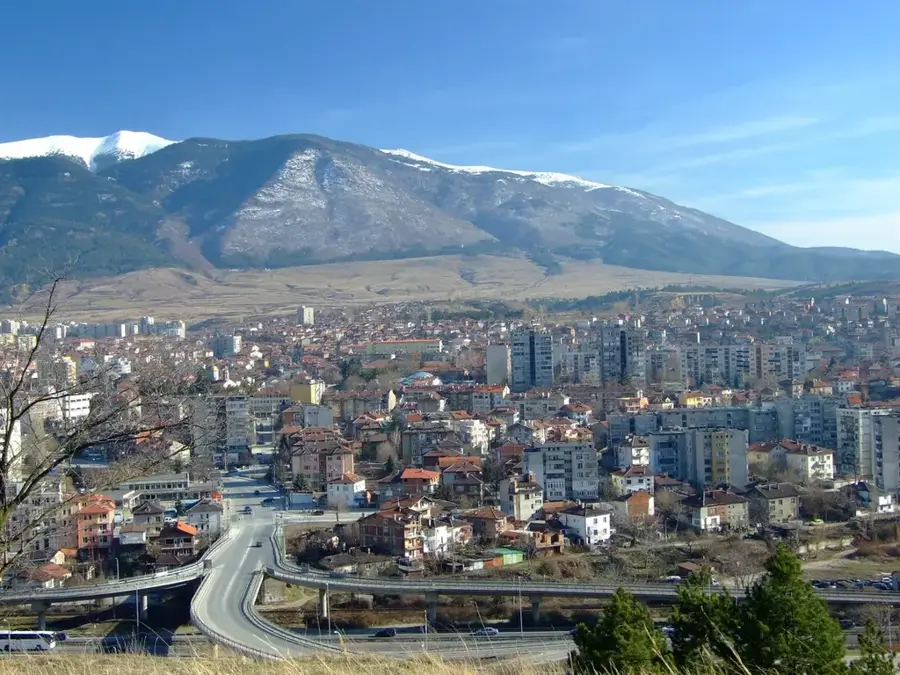
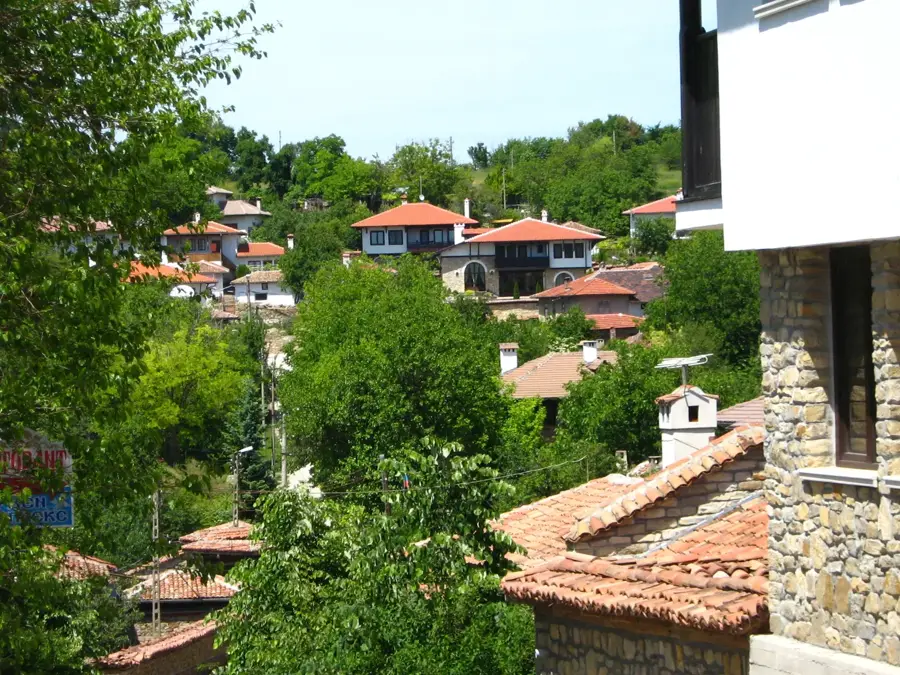
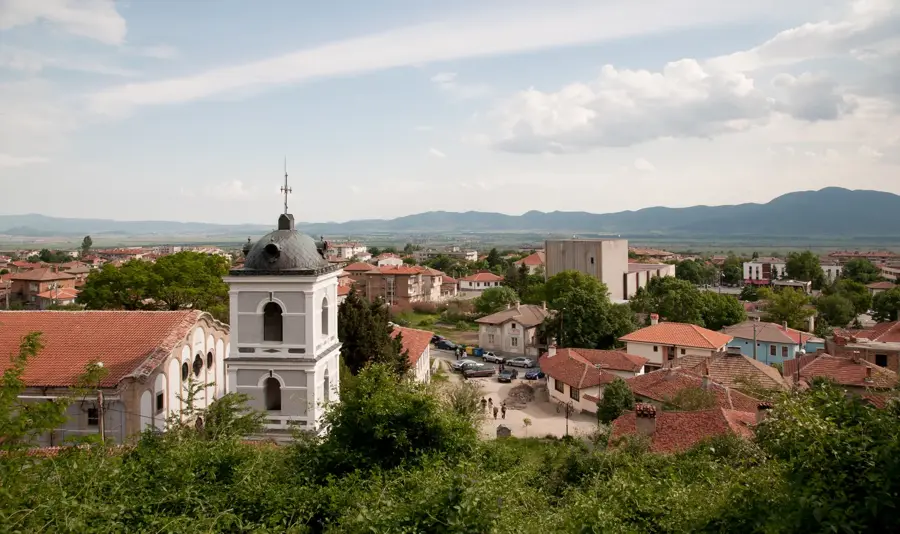
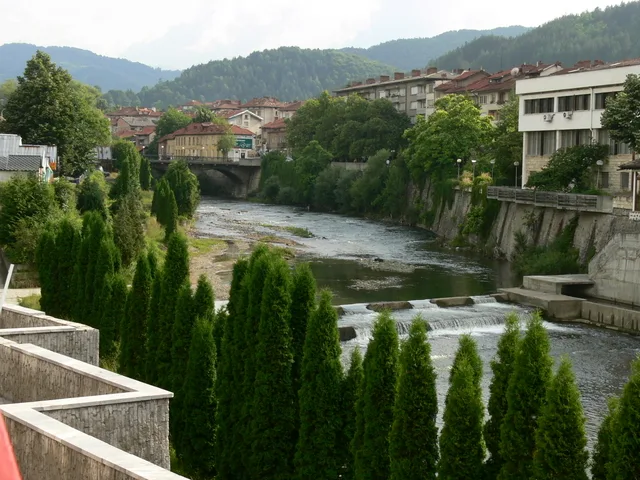
The Northern Balkan Slopes, also known as the Fore-Balkan, constitute a prominent transition zone between the Danubian Plain to the north and the main ridge of the Balkan Mountains to the south. This region is defined by a sequence of limestone plateaus, rolling hills, and deep river valleys that create a diverse and rugged landscape. Geologically, sedimentary rocks from the Cretaceous period dominate, leading to the development of numerous karst features such as caves and gorges. The climate is temperate continental with ample rainfall, which supports lush vegetation and extensive forestry operations. Historically, the northern slopes held immense strategic importance, as they controlled the access routes to vital mountain passes like the Shipka Pass. The region is home to many historic towns and monasteries that served as centers of resistance and culture during the Bulgarian National Revival. Today, the area is popular for nature tourism, with hiking trails and rock climbing opportunities in the limestone cliffs attracting many visitors. Agriculture in the fertile valleys focuses primarily on fruit orchards and livestock farming.

Best time to visit & climate

The most pleasant time to visit is Jun–Aug.

JanFebMarAprMayJunJulAugSepOctNovDec
Avg °C-2051015192222171160
Rain mm444251518789765657593844

📋 Practical info

🧭
Getting there
The gently descending slopes are superbly accessible via a dense network of paved secondary roads connecting the higher mountains to the northern plains. Most nature enthusiasts arrive by private vehicle to effortlessly reach the renowned water springs and tranquil starting trailheads.
📅
Best season
Spring is universally celebrated as the most panoramic season, when the numerous karst springs are most active and the surrounding flora is radiantly green. Autumn is also exceptionally beautiful with mild hiking weather, whereas summer generally becomes very hot in the lower elevations.
⛰️
Terrain & paths
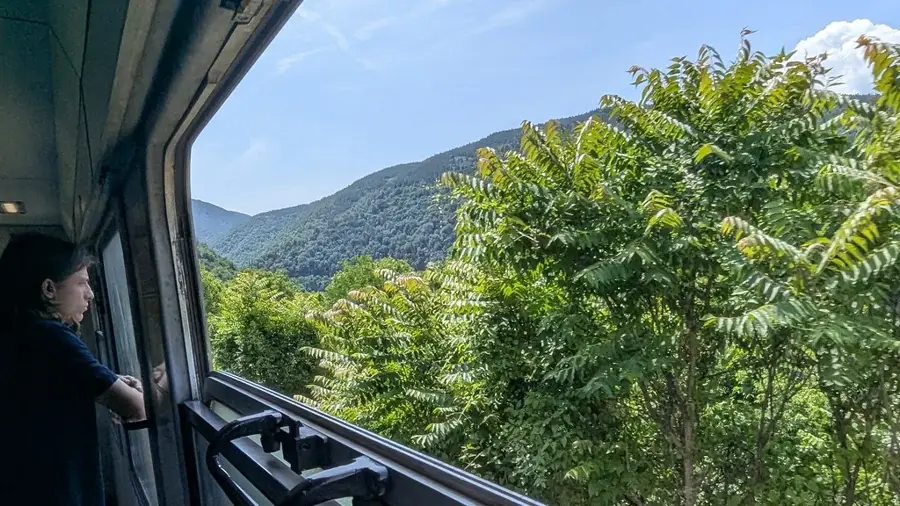
The landscape generally transitions from moderate mountain gradients to pleasantly undulating hills characterized by verdant forests and hidden springs. The trails are predominantly wide, gently sloping dirt paths, making this specific region highly suitable for leisurely nature walking.
🎒
What to bring
Standard comfortable walking shoes are usually perfectly adequate for the majority of the well-maintained trails in this hospitable environment. Bringing a reusable water bottle to responsibly sample the famous fresh springs and carrying light rain gear for sudden showers is always wise.
🅿️
Parking
Finding a convenient parking spot is generally quite easy, with multiple informal pull-outs and spacious areas typically located near the most popular springs. In smaller rural settlements, tourists should respectfully park in designated central areas to avoid intruding on local properties.
⚠️
Safety
The region is exceptionally welcoming and notably free of severe environmental dangers, making it a wonderful destination for inexperienced walkers. The principal caution revolves around carefully stepping over slippery roots and muddy patches naturally created near the active water sources.
⏱️
Time needed
Most visitors find that spending around half a day is perfectly sufficient to casually visit several distinct springs and enjoy a very relaxed forest stroll. Families commonly spend up to four or five hours when fully incorporating an extensive outdoor picnic beside the flowing fresh waters.

Geography

Coordinates
43.10000, 24.00000

Facts

  • The Fore-Balkan stretches for a total length of approximately 400 kilometers.
  • The average elevation of the hills ranges between 100 and 500 meters.
  • Geologically, the slopes consist mainly of limestone and sandstone deposits.
  • The Iskar Gorge is the most significant river valley cutting through this area.
  • The region is home to the Shipka Monument, located on the strategic Shipka Pass.
  • Agriculture in the valleys is focused on fruit production, notably apples and plums.

Explore nearby

Notable places around
Route planner — Car & Motorhome

Where do you start? We build the route here, with stops and country notes along the way.

Vehicle
Only stops with (optional):

© OpenStreetMap contributors · OpenRouteService

Sights in the town Northern Balkan Slopes (2)

Batultsi📍 landmark

Batultsi is a village on the northern slopes of the Balkan Mountains, with wooded hills.

Slatina, Lovech Province📍 landmark

Slatina is a village in Lovech Province, in a hilly area of the Fore-Balkan region.

Sights nearby

Frequently asked questions

How do the northern slopes differ from the southern ones?
They descend more gently and are heavily forested compared to the steep southern slopes.
Are there significant caves there?
Yes, many well-known caves such as Sava or Bacho Kiro are located here.
How is the climate on the northern slopes?
It is cooler and wetter than in the south of Bulgaria.
What activities are possible?
Hiking, caving, and visiting historical monasteries.
Are there well-known monasteries there?
Yes, for example, the Troyan Monastery and the Dryanovo Monastery.
Northern Balkan Slopes: where is it located?
Northern Balkan Slopes is located in Bulgaria.
Northern Balkan Slopes: what is there to see?
Highlights include Batultsi, Slatina, Lovech Province.
Northern Balkan Slopes: when is the best time to visit?
The most pleasant time to visit is Jun, Aug.
Northern Balkan Slopes: why is it worth visiting?

The Northern Balkan Slopes, also known as the Fore-Balkan, constitute a prominent transition zone between the Danubian Plain to the north and the main ridge of the Balkan Mountains to the south.
View on map → The Top 50 Attractions → OpenStreetMap →
Europe
Explore with Plizio Discover more places in Europe
More places in Bulgaria →

Nearby cities

History & landmarks