Plizio Visual Lab

Balkan Karst Mountains
Plizio editorial teamData Sources
Mountain
—°
Balkan Karst Mountains (Bulgaria)

Weather…

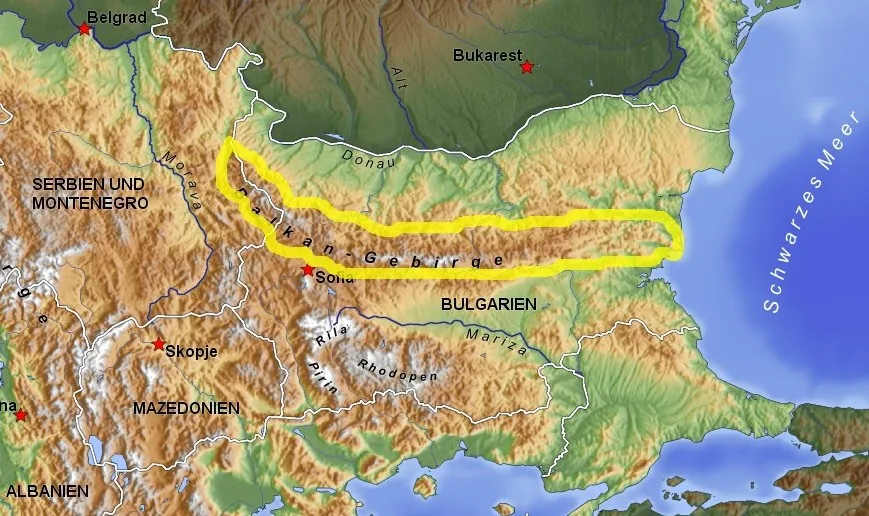
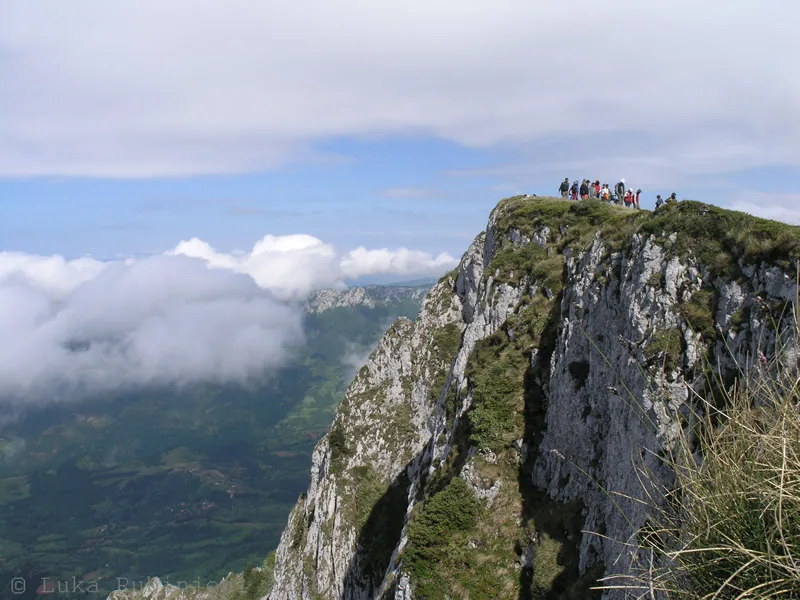
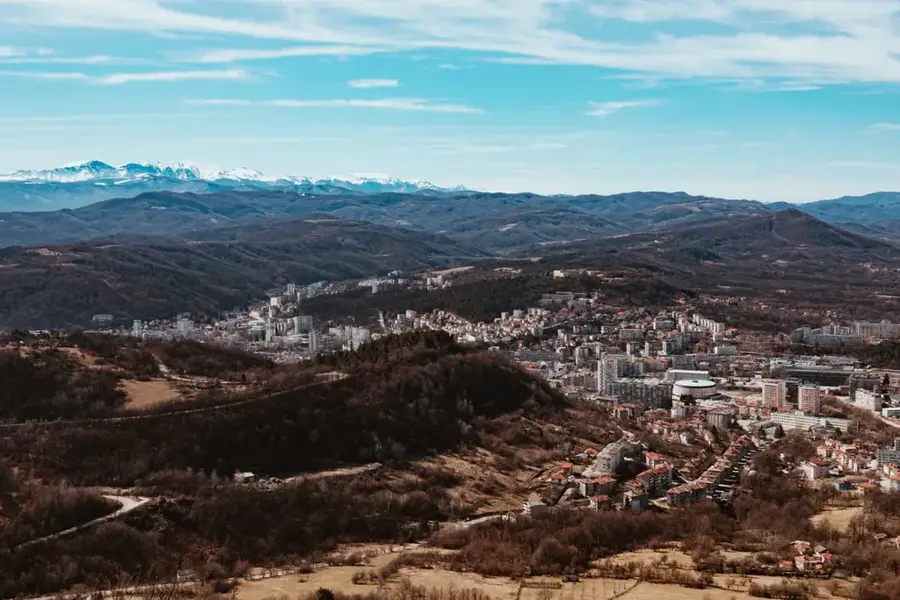
The Balkan Karst Mountains encompass the western foothills of the Stara Planina and the Fore-Balkan, defined by an extraordinary concentration of limestone formations. Over millions of years, chemical erosion from carbonated water has sculpted a landscape of gorges, plateaus, and subterranean labyrinths. A standout feature is the Iskar Valley, where the river of the same name cuts through the entire mountain range, exposing spectacular limestone cliffs like those at Lakatnik. The region hosts some of Bulgaria's most famous caves, including Magura with its prehistoric paintings and Ledenika with its impressive dripstone formations. Geologically, Triassic and Jurassic limestones dominate, serving as vital natural reservoirs for the country's water management. The vegetation is adapted to the arid karst conditions, with rare orchid species and endemic plants thriving on the rocky slopes. Today, the region is a hub for speleology and ecotourism.

Best time to visit & climate

The most pleasant time to visit is Jun–Aug.

JanFebMarAprMayJunJulAugSepOctNovDec
Avg °C-1151016202222171160
Rain mm444251528990815457563646

📋 Practical info

🧭
Getting there
Approaching these rugged limestone massifs often involves navigating winding mountain routes that connect isolated rural communities. Explorers usually park their vehicles at designated cave visitor centers or near established trailheads before venturing further into the rocky heights.
📅
Best season
The shoulder seasons of late spring and early autumn are widely considered good for extensive hiking due to the moderate temperatures. Summer can be blisteringly hot on the exposed rock surfaces, while winter brings severe cold, making cave access exceedingly difficult or impossible.
⛰️
Terrain & paths
The classic karst landscape features aggressively jagged limestone outcrops, deeply fluted rocks, and hidden sinkholes scattered across the terrain. While some tourist caves have completely paved walkways, venturing off into the wilderness means navigating extremely uneven and sharp ground.
🎒
What to bring
Extremely robust hiking boots with rigid soles are totally indispensable for walking over the relentlessly sharp limestone terrain. When planning to explore the numerous unlit caves, carrying multiple reliable light sources and wearing a protective helmet is strongly recommended.
🅿️
Parking
Parking provisions vary considerably; commercially operated tourist caves often feature large paved lots for coaches and cars. For independent trails, visitors must frequently park on rough, unpaved shoulders, making sure their vehicles are positioned safely away from falling rocks.
⚠️
Safety
The highly porous nature of karst terrain means surface water is virtually non-existent, making the risk of severe dehydration incredibly high during summer. Exploring deep caves independently carries immense risks of getting hopelessly lost and should exclusively be done with experts.
⏱️
Time needed
Visiting a single developed show cave typically requires only one or two hours of dedicated time. Conversely, comprehensive hiking across the expansive rocky plateau or partaking in serious organized caving expeditions will confidently consume a strenuous, entirely exhausting full day.

Geography

Coordinates
43.00000, 24.30000

Facts

  • There are over 5,400 registered caves in Bulgaria.
  • Magura Cave is famous for paintings made from bat guano.
  • Vrachanski Balkan Nature Park covers over 30,000 hectares.
  • The Iskar Gorge is the longest in the country at 84 kilometers.
  • Some karst springs yield up to 200 liters of water per second.
  • Ledenika Cave was declared a natural monument as early as 1961.

Explore nearby

Notable places around
Route planner — Car & Motorhome

Where do you start? We build the route here, with stops and country notes along the way.

Vehicle
Only stops with (optional):

© OpenStreetMap contributors · OpenRouteService

Sights nearby

Frequently asked questions

What characterizes the Balkan karst?
Rugged limestone rocks, numerous caves, sinkholes, and underground rivers.
Are there drinking water springs there?
Yes, karst springs often provide large amounts of clear water.
Can you visit the caves?
Yes, many are developed for tourists (e.g., Saeva Dupka).
Why is there little surface water?
Water quickly seeps through fissures in the limestone into the ground.
What vegetation is found on karst soil?
Often sparse meadows and specialized plants that tolerate dryness.
Balkan Karst Mountains: where is it located?
Balkan Karst Mountains is located in Bulgaria.
Balkan Karst Mountains: when is the best time to visit?
The most pleasant time to visit is Jun, Aug.
Balkan Karst Mountains: why is it worth visiting?

The Balkan Karst Mountains encompass the western foothills of the Stara Planina and the Fore-Balkan, defined by an extraordinary concentration of limestone formations.
View on map → The Top 50 Attractions → OpenStreetMap →
Europe
Explore with Plizio Discover more places in Europe
More places in Bulgaria →

Nearby cities

History & landmarks