Plizio Visual Lab
Etropole
ℹ️Practical info — Etropole
▾
🌤 Weather — 5 days
📍 Nearby
Sights nearby
💡 Tips
- Visit the Clock Tower in the town center, built in 1710, which is one of the oldest in Bulgaria.
- The Etropole Monastery houses a hidden room that was used as a hideout by the revolutionary Vasil Levski.
- Wear sturdy, non-slip shoes for the path to the Varovitets waterfall, as the limestone rocks are very slippery.
- Plan your visit for June to see the 'Sons-in-law Festival', a unique and humorous local tradition.
- The waterfall is just a 15-minute walk from the monastery, making it easy to see both in one trip.
🍽 Food
A unique local seasoned sausage, best enjoyed grilled at a 'Mehana' in the town center.
High-quality organic honey sold by locals at the town market or near the monastery.
Try this traditional cheese pastry from the small bakeries in the central district.
🛍 Shopping · 🧘 Quiet spots
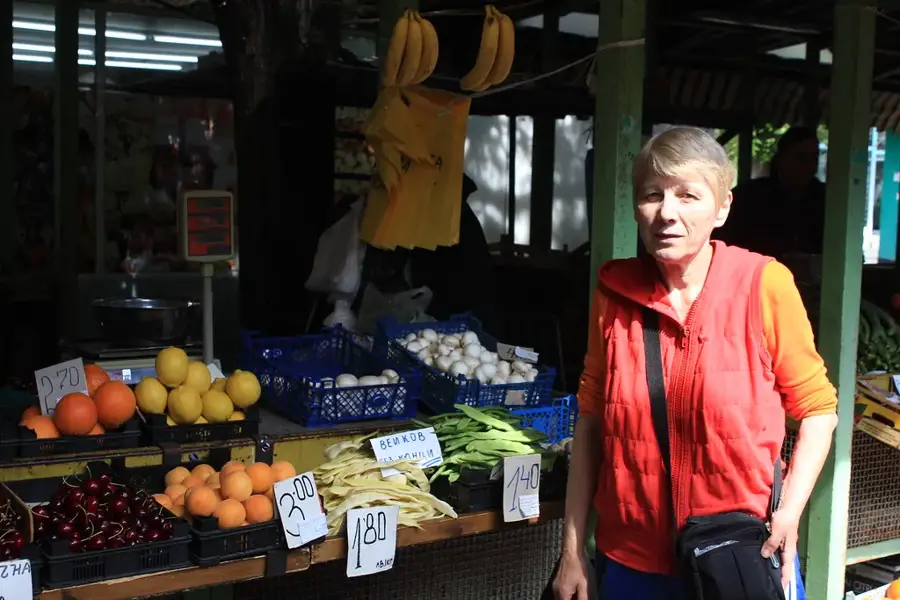
Look for dried mountain teas and herbs at the local open-air market in the center.
Etropole has a history of iron-smithing; find artisanal knives in local craft workshops.
A serene spot located just behind the monastery where water flows over limestone terraces.
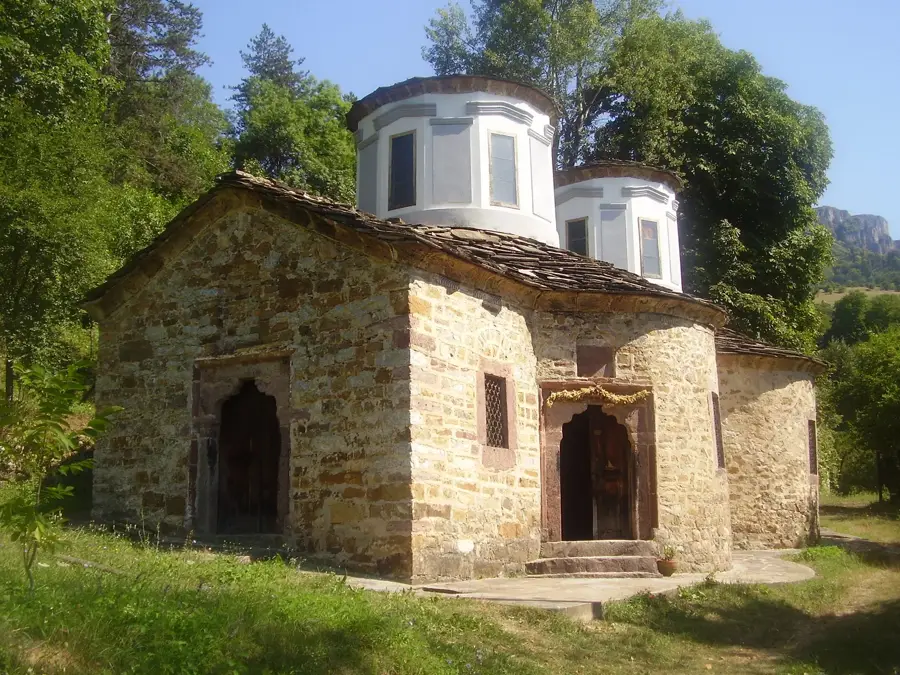
The grounds of the St. Trinity Monastery offer a peaceful atmosphere with ancient trees.
Water temperature…
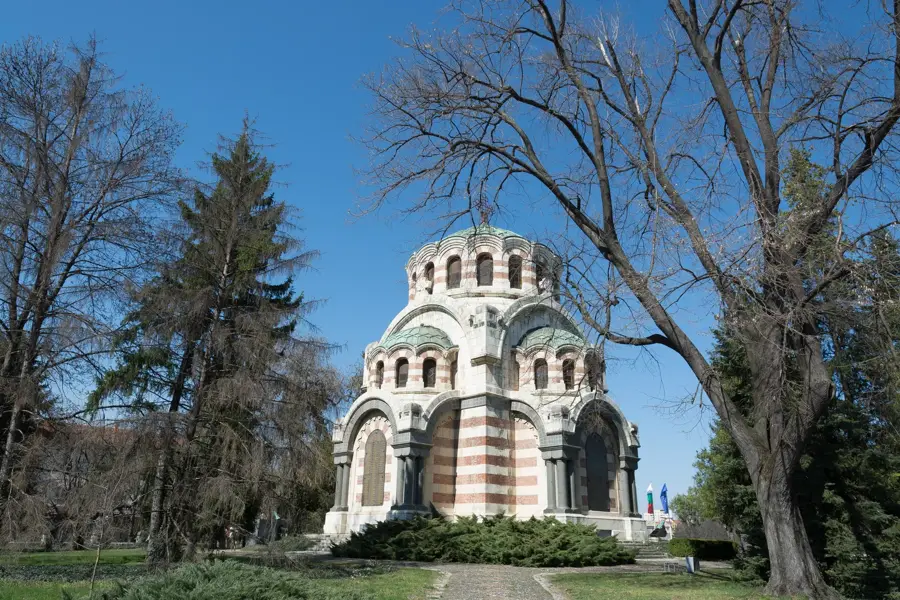
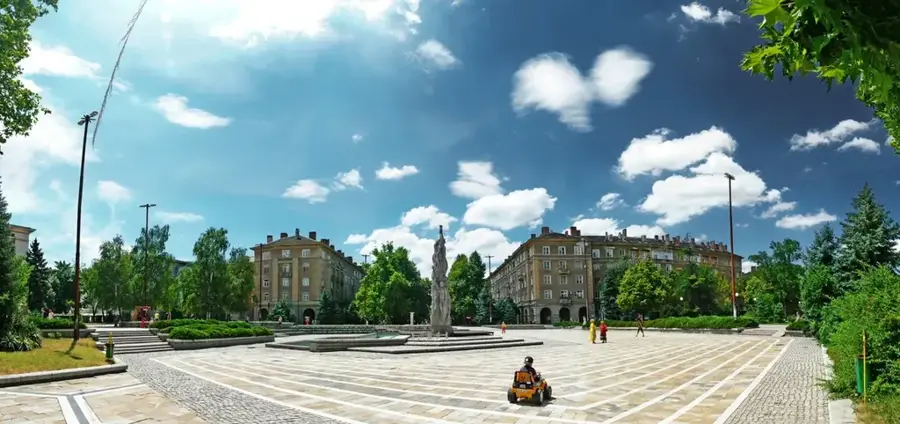
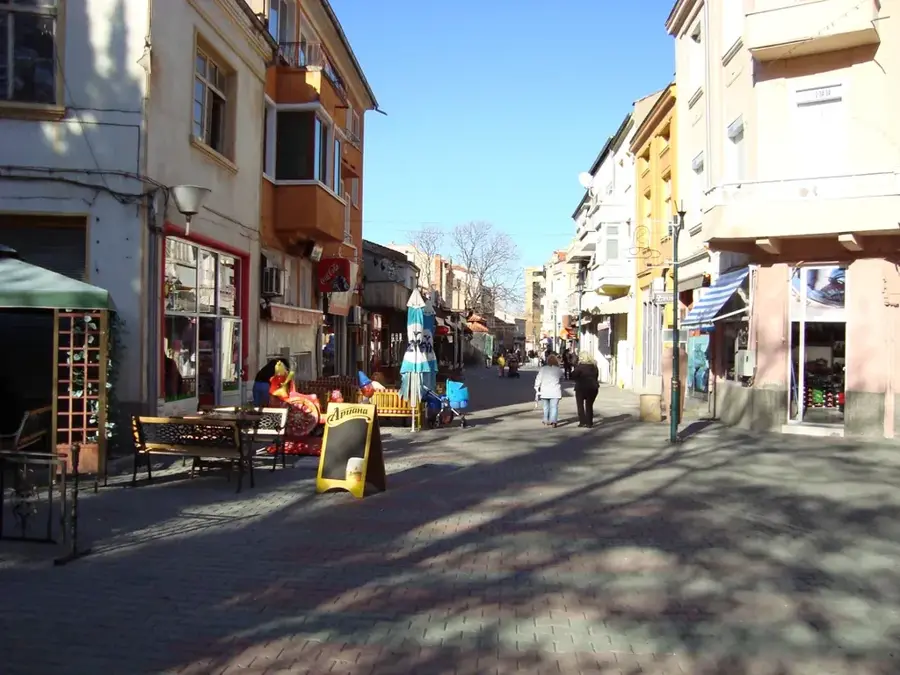
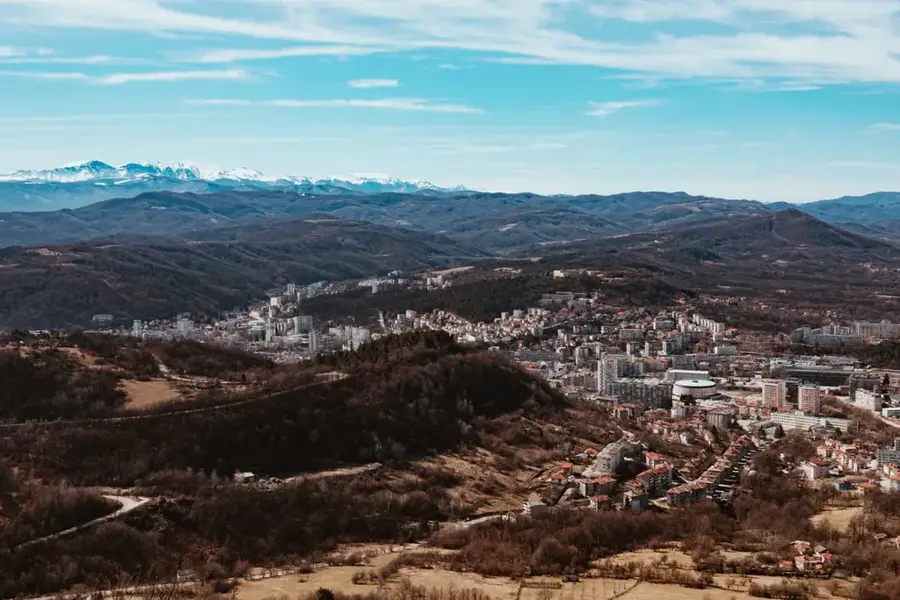
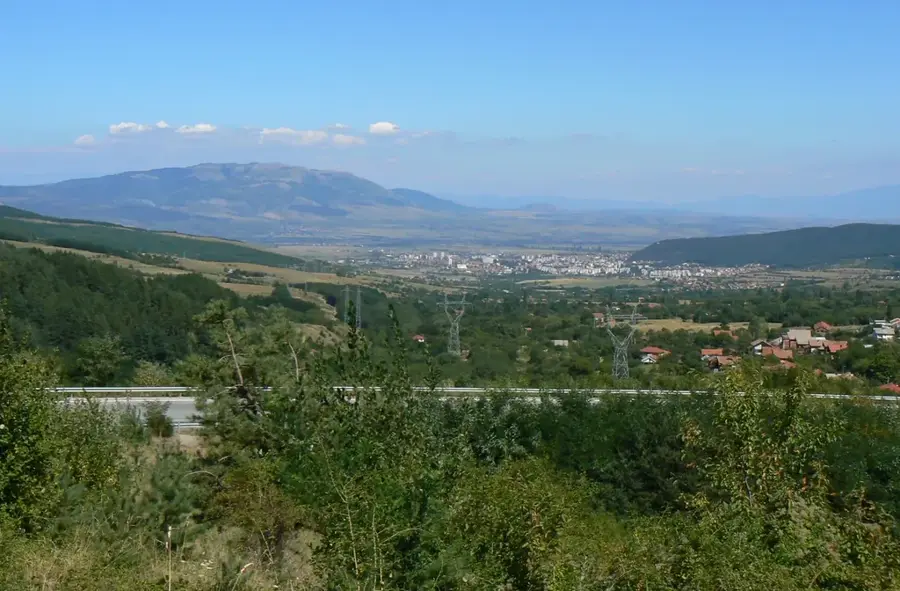
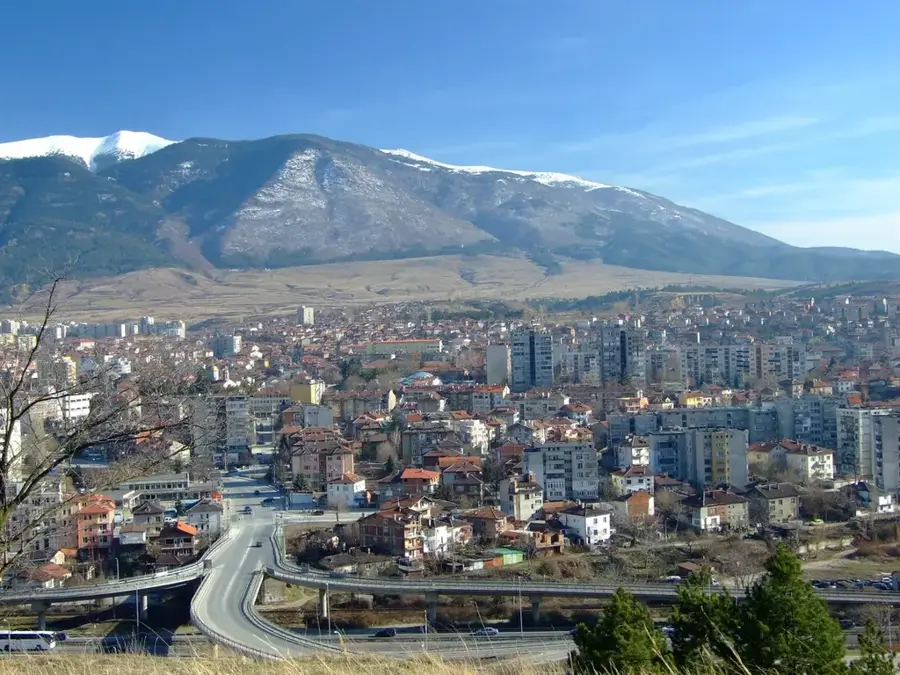
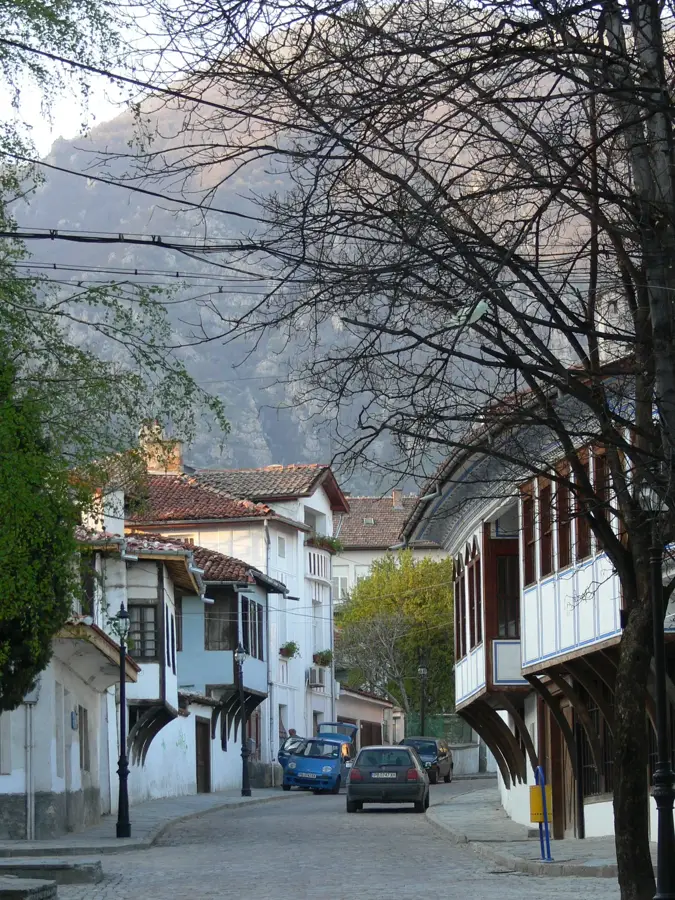
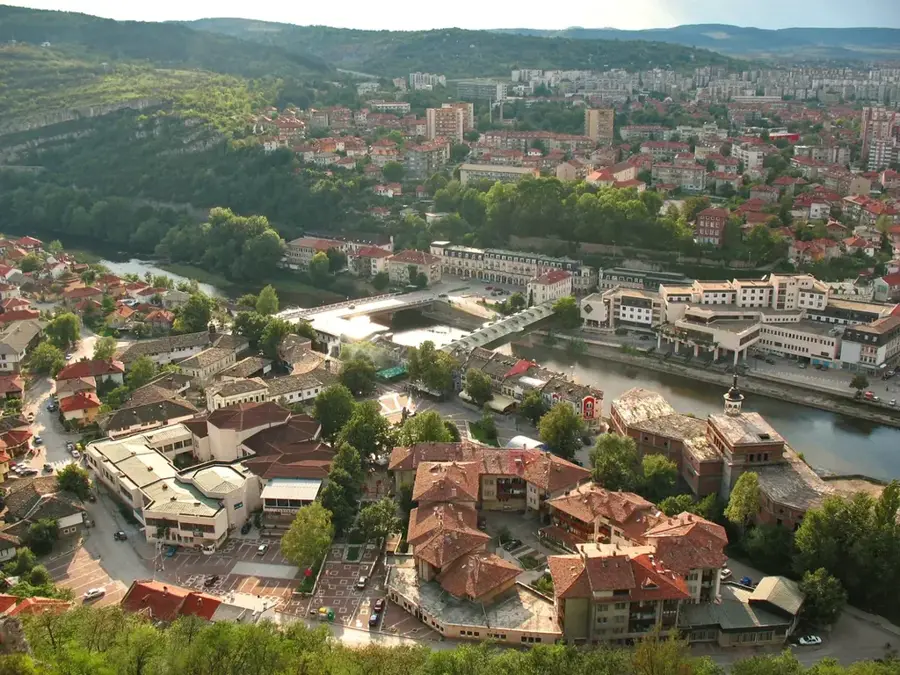
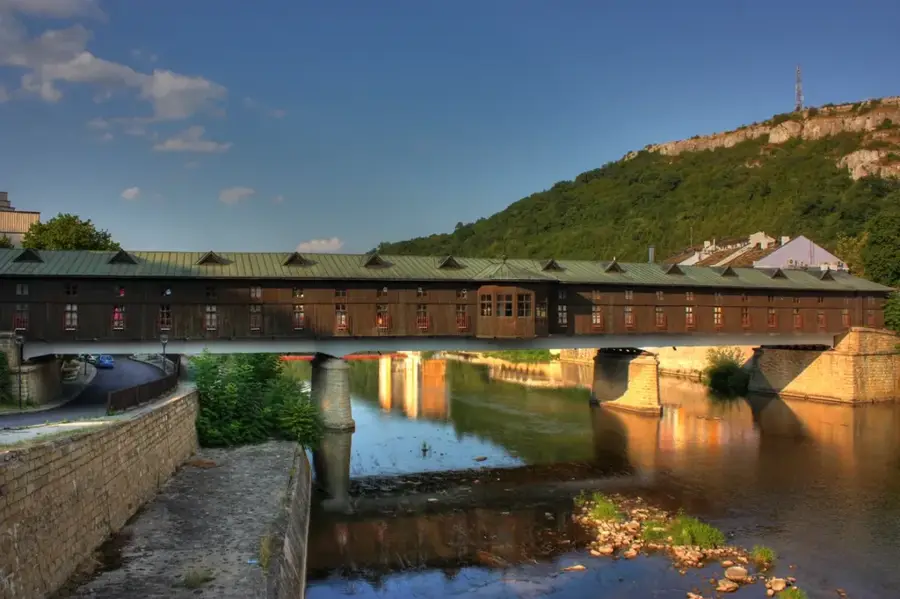
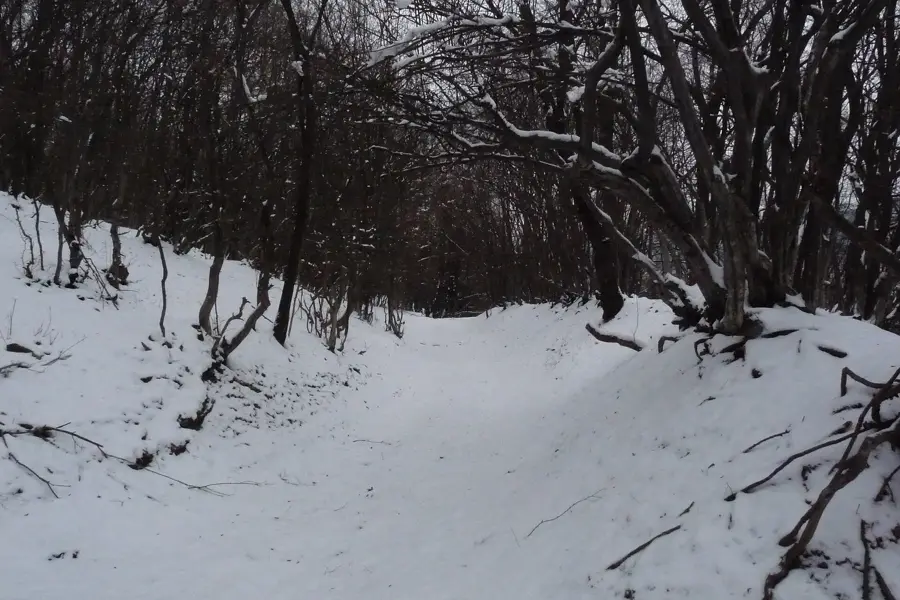
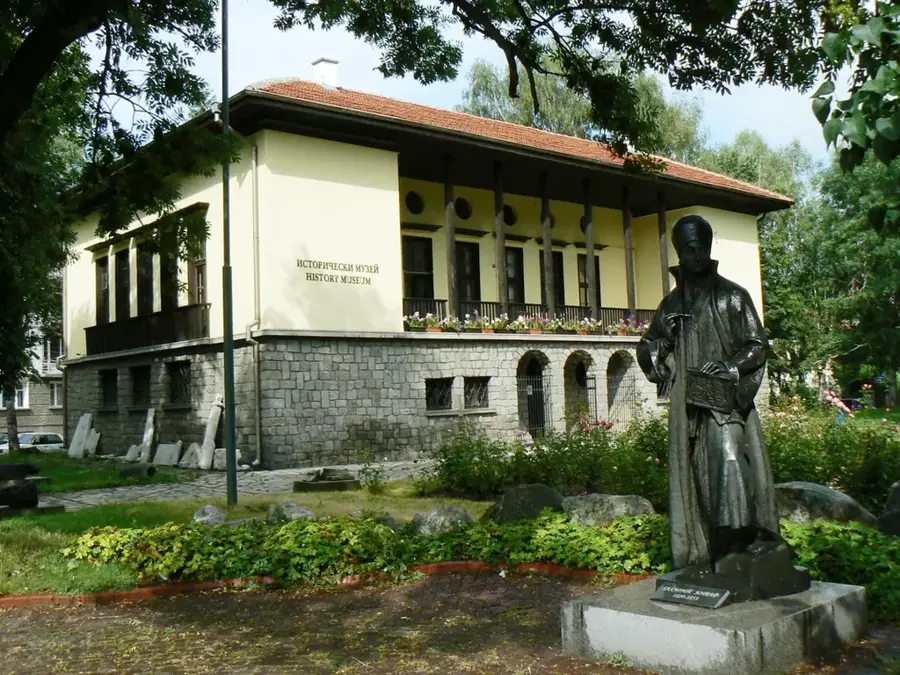
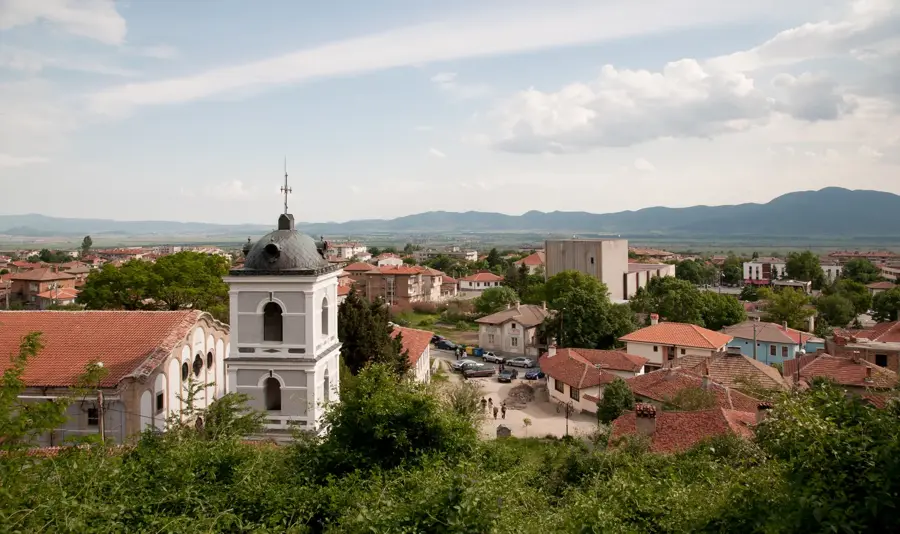
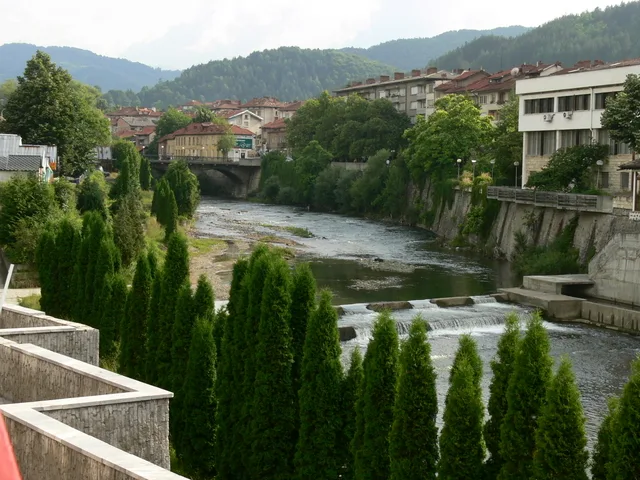
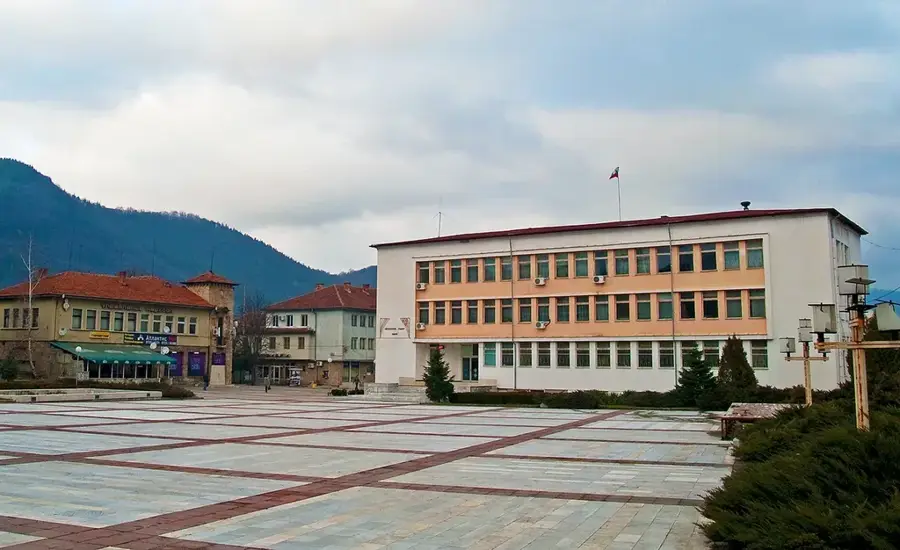
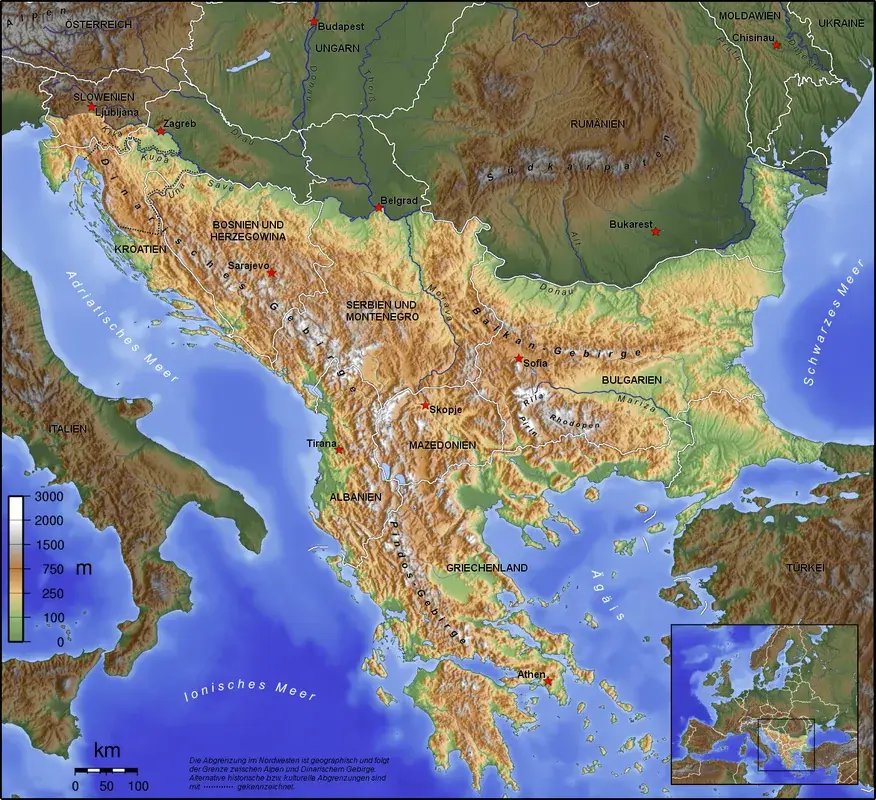
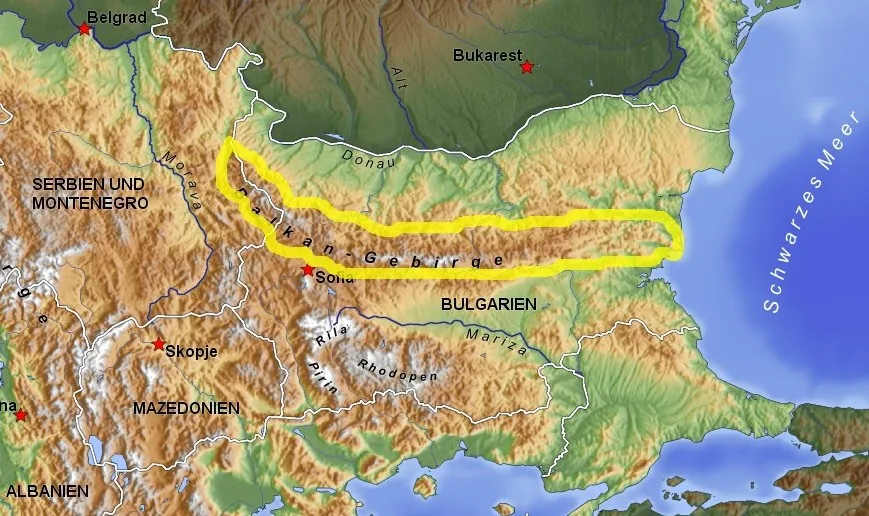
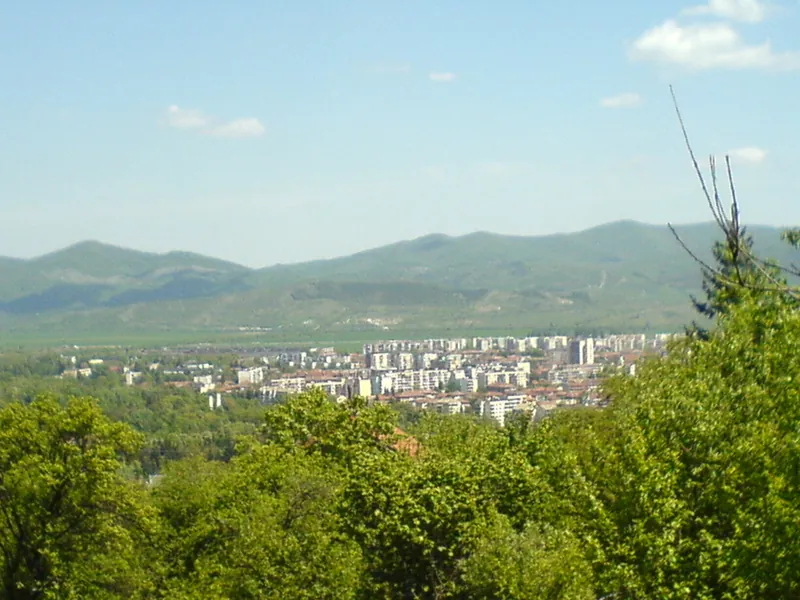
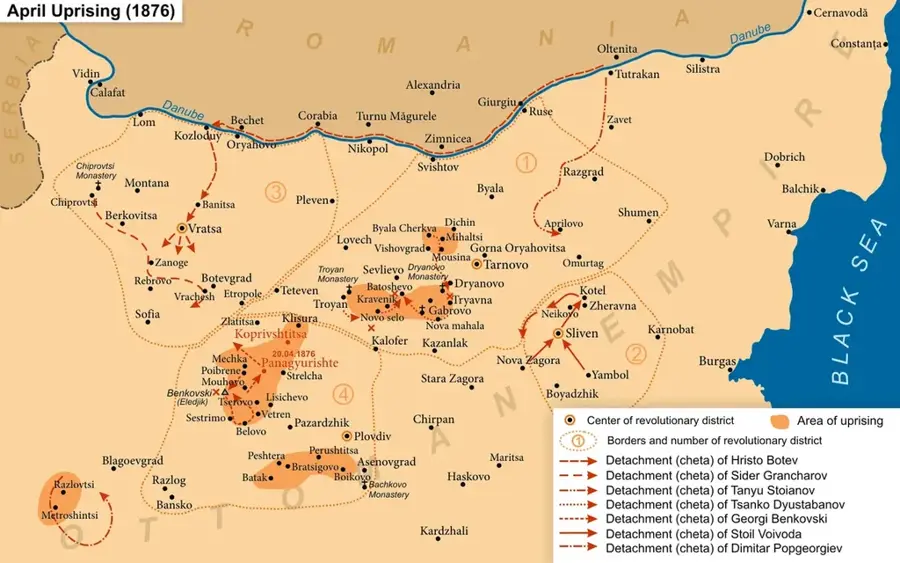
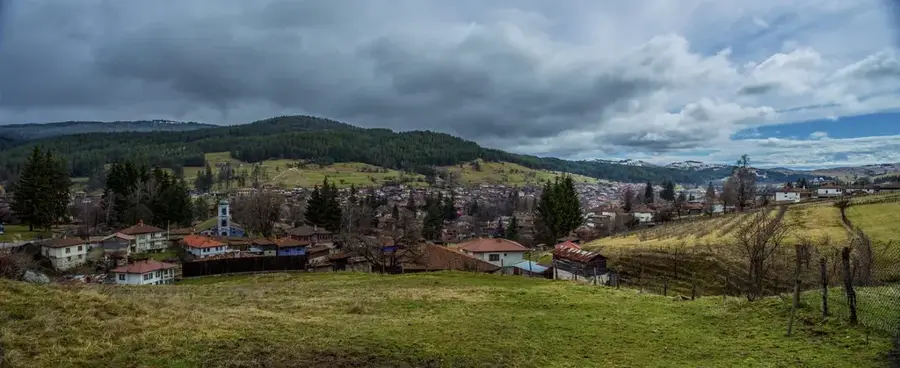
Etropole is positioned in a valley of the Northern Balkan Mountains and is a town with a long-standing history of mining and traditional craftsmanship. Its most iconic landmark is the Clock Tower, built in 1710 using local river stones, making it one of the oldest and most distinct structures of its kind in Bulgaria. For centuries, Etropole was a major center for iron and copper extraction, which fueled the town's growth and supported a prominent literary and artistic community. The nearby Etropole Monastery of the Holy Trinity served as a vital cultural bastion during the Ottoman period, famous for its scriptorium and book-binding school. Close to the monastery lies the Varovitets Waterfall, a beautiful natural feature that cascades over limestone terraces. The town's History Museum houses a rich collection of artifacts ranging from Thracian treasures to medieval mining equipment, documenting the area's development. Modern Etropole remains an important mining hub while preserving its cozy mountain atmosphere and historical traditions. The surrounding peaks and forests provide excellent opportunities for hiking, eco-tourism, and exploring the serene landscapes of the Balkan range.
- Location: Bulgaria
- Top sights: Etropole Historical Museum · Soldier Monument · Clock Tower Etropole
- Nearby: Pirdop (19 km)
- Population: ~11.031
Best time to visit & climate
The most pleasant time to visit is Jun–Aug.
| Jan | Feb | Mar | Apr | May | Jun | Jul | Aug | Sep | Oct | Nov | Dec | |
|---|---|---|---|---|---|---|---|---|---|---|---|---|
| Avg °C | -2 | 0 | 5 | 10 | 15 | 19 | 22 | 22 | 17 | 11 | 6 | 0 |
| Rain mm | 44 | 42 | 51 | 51 | 87 | 89 | 76 | 56 | 57 | 59 | 38 | 44 |
Geography
Facts
- The Etropole Clock Tower was built in 1710 and is made of travertine and river stones.
- The Etropole Literary School was a primary center for copying and decorating Slavic books in the 17th century.
- The Elatsite copper mine near the town is among the most significant open-pit mines in the Balkans.
- Varovitets Waterfall is a protected natural site located within the grounds of the Etropole Monastery.
- The local History Museum is located in a building that served as a Turkish konak (administrative building).
- Etropole is known for its traditional brass band music, which is celebrated during local holidays.
Explore nearby
Notable places around
Route planner — Car & Motorhome
Where do you start? We build the route here, with stops and country notes along the way.
© OpenStreetMap contributors · OpenRouteService
Sights in the town Etropole (4)
Frequently asked questions
What is Etropole known for?
What can you see at Etropole Monastery?
Are there waterfalls nearby?
How far is it from Sofia?
When is the city day?
Etropole: where is it located?
Etropole: what is there to see?
Etropole: when is the best time to visit?
Etropole: why is it worth visiting?

Nearby cities