Plizio Visual Lab

Orsha Upland

Plizio editorial teamData Sources
Mountain
—°4
Orsha Upland (Belarus)

Weather…

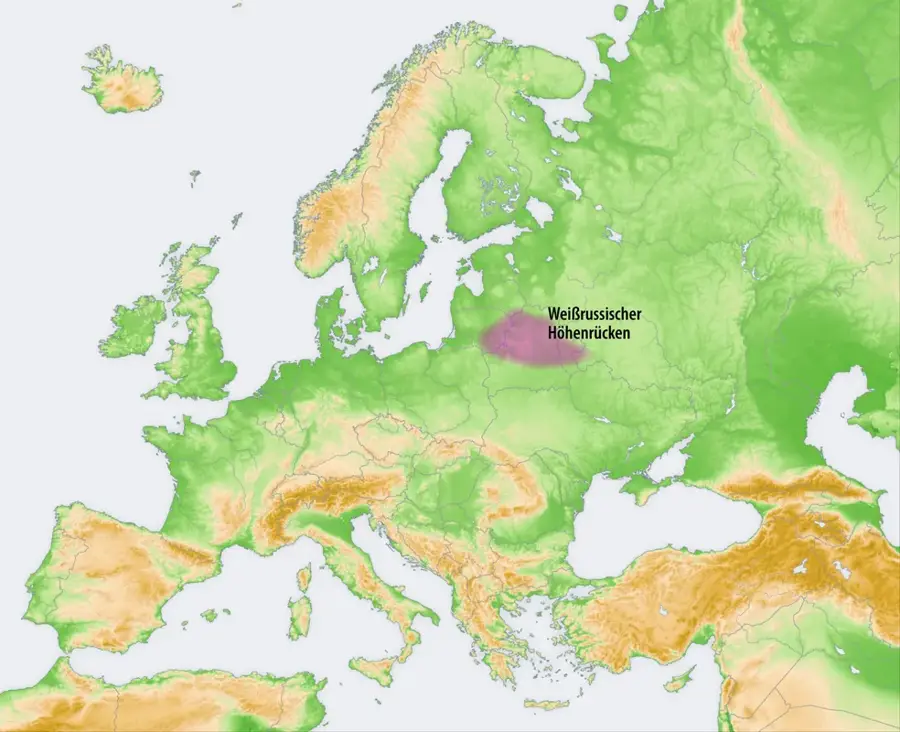
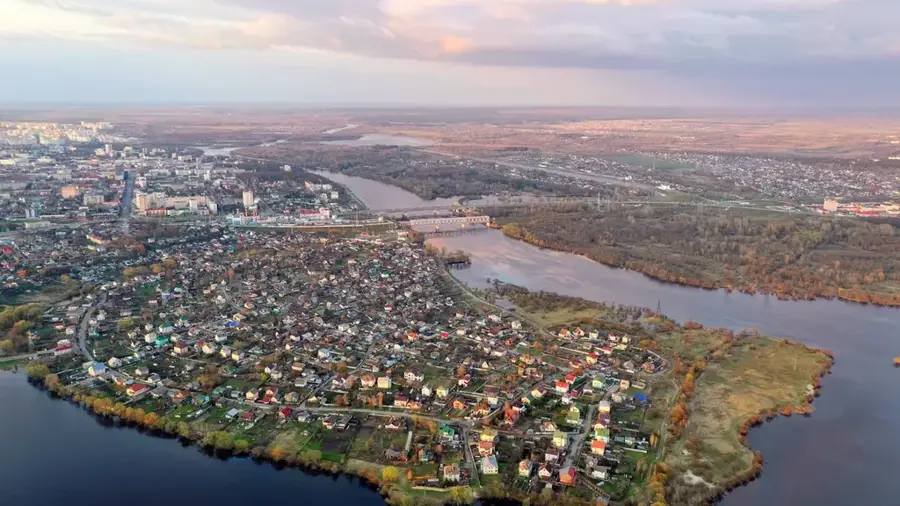
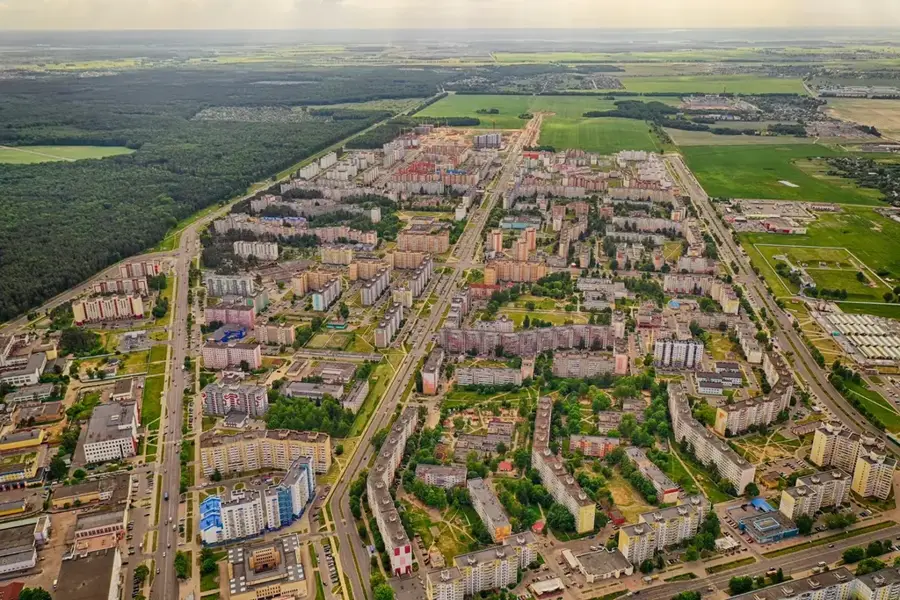
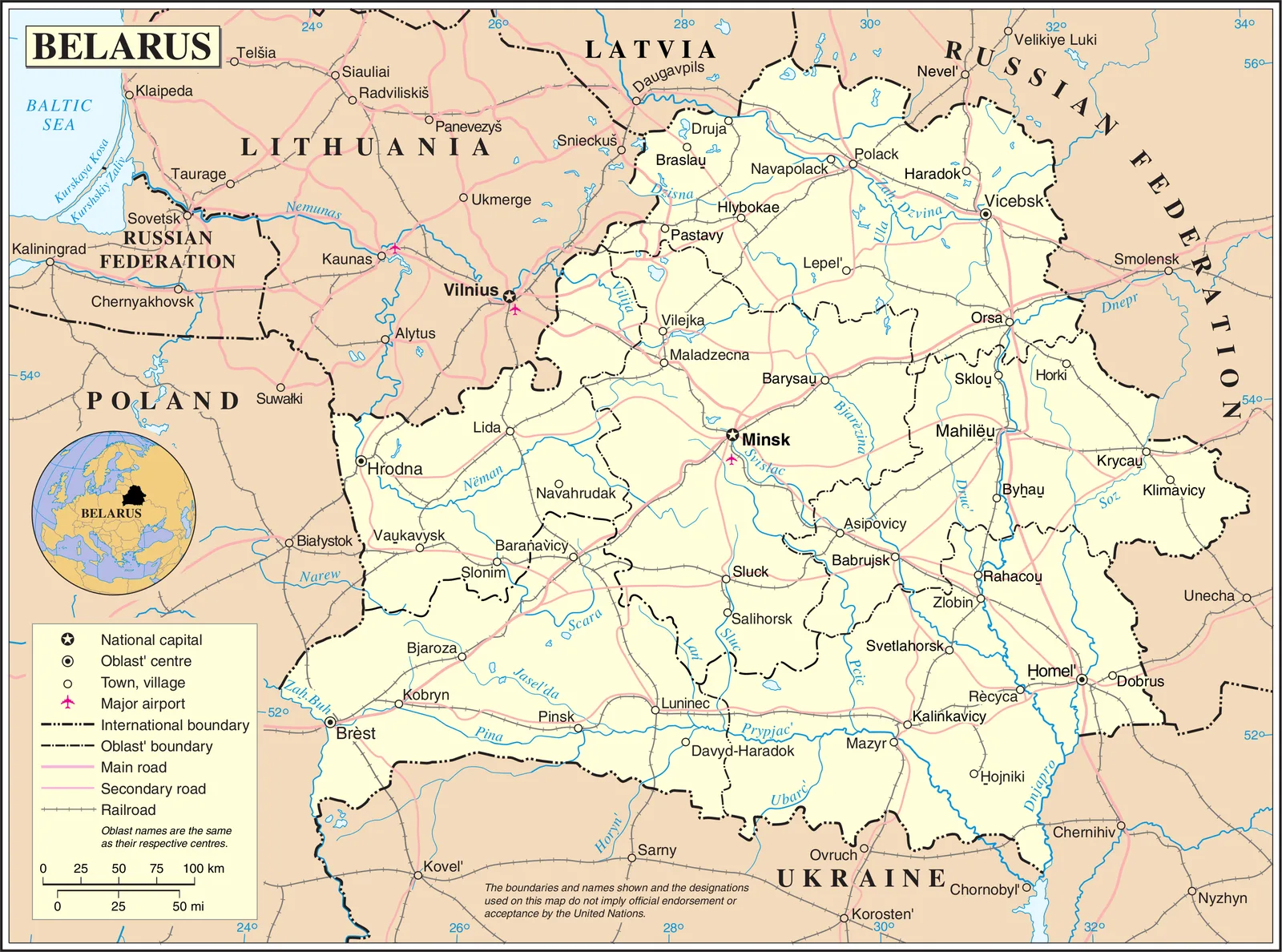
The Orsha Upland in east-central Belarus is a gently rolling elevation strategically located between the upper reaches of the Dnieper and Western Dvina river basins. It reaches its maximum height at approximately 263 meters above sea level. Geologically, the upland is primarily composed of sediments from the Middle Pleistocene Sozh glaciation, which over millennia have been smoothed by water and wind erosion and blanketed with fertile loamy soils. Historically and geographically, this landscape constitutes the famous 'Orsha Corridor', a natural, largely marsh-free land bridge that historically served as a critical military and commercial transit route linking Central Europe with the Russian heartland. In contrast to the rugged moraines found in the west and north of the country, the Orsha Upland is characterized by broad, flat hilltops with gentle slopes ranging from 2 to 5 degrees, making the terrain highly suitable for the intensive agriculture practiced there today.

Best time to visit & climate

The most pleasant time to visit is Jun–Aug.

JanFebMarAprMayJunJulAugSepOctNovDec
Avg °C-9-8-25131619171250-6
Rain mm544649508685958452716253

📋 Practical info

🧭
Getting there
The upland is most easily reached by traveling toward the upper sections of the Dvina and Dnieper rivers in the eastern part of the country. Main roads leading to regional centers typically serve as the primary gateways into this historic natural corridor.
📅
Best season
The warmer summer months provide the most comfortable weather for hiking and exploring the elevated historical terrain. Spring and autumn are also viable, offering cooler temperatures and distinct seasonal changes across the landscape.
⛰️
Terrain & paths
Expect a rolling, elevated terrain that historically provided strategic advantages, featuring moderate inclines and forested sections. The ground is often uneven, with trails that follow the natural contours of the upland areas.
🎒
What to bring
Sturdy hiking boots are recommended to comfortably navigate the uneven, elevated trails typical of this natural corridor. A windproof jacket, sufficient water, and basic navigation tools are also highly advisable for an extended exploration.
🅿️
Parking
Parking can normally be found in nearby towns or at informal starting points near historical markers along the main access routes. Visitors typically leave their cars in these safer, populated areas before venturing into the uplands.
⚠️
Safety
While navigating the upland paths, it is important to be mindful of sudden changes in weather and occasionally steep sections. Keeping to established trails reduces the risk of getting lost in this expansive natural corridor between the two major rivers.
⏱️
Time needed
Exploring the main historical routes and enjoying the elevated views generally takes about half a day. More comprehensive treks across the upland region can easily occupy a full day of outdoor activity.

Geography

Coordinates
54.50000, 30.40000

Explore nearby

Notable places around

Route planner — Car & Motorhome

Where do you start? We build the route here, with stops and country notes along the way.

Vehicle
Only stops with (optional):

© OpenStreetMap contributors · OpenRouteService

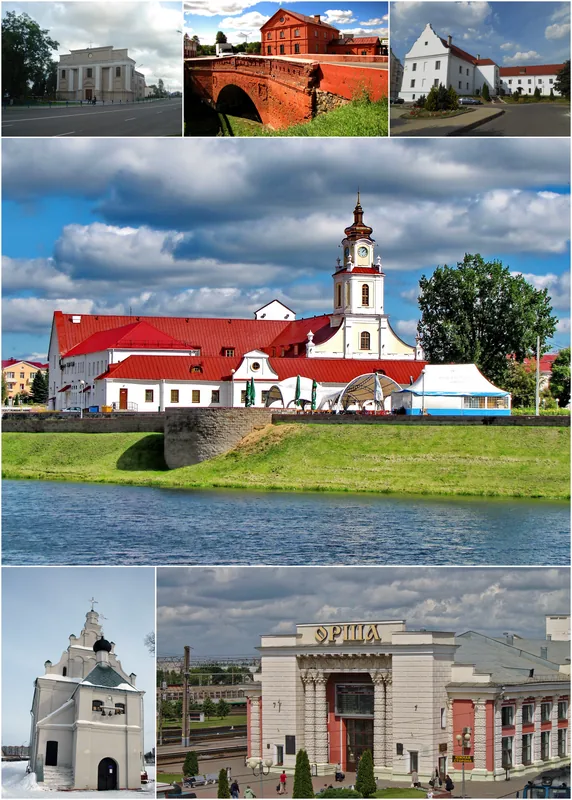
Sights in the town Orsha Upland (4)

Orsha Ethnographic Museum "Mill"🏛 museum

Ethnographic museum housed in an old mill, showcasing traditional crafts and daily life.

Orsha Town Art Gallery of V.A. Gromyko🏛 museum

Art gallery in Orsha, named after artist V.A. Gromyko, with rotating exhibitions.

Museum of the Town of Orsha History and Culture🏛 museum

City museum dedicated to Orsha's history and culture, with archaeological and historical exhibits.

BMD-1

Soviet BMD-1 airborne combat vehicle displayed as a monument in Orsha.

Sights nearby

Frequently asked questions

What height does the Orsha Upland reach?
The maximum height is about 262 meters.
What role does it play for the Dnieper?
The Dnieper breaks through the upland in a narrow valley.
Are there valuable soils there?
Yes, the loess soils are very fertile and used for agriculture.
How is the landscape structured?
Gently undulating with deeply cut valleys and ravines.
Are rare ores to be found there?
There are deposits of dolomite and limestone.
Orsha Upland: where is it located?
Orsha Upland is located in Belarus.
Orsha Upland: what is there to see?
Highlights include Orsha Ethnographic Museum "Mill", Orsha Town Art Gallery of V.A. Gromyko, Museum of the Town of Orsha History and Culture.
Orsha Upland: when is the best time to visit?
The most pleasant time to visit is Jun, Aug.
Orsha Upland: why is it worth visiting?
The Orsha Upland in east-central Belarus is a gently rolling elevation strategically located between the upper reaches of the Dnieper and Western Dvina river basins.
View on map → The Top 50 Attractions → OpenStreetMap →
Europe
Explore with Plizio Discover more places in Europe
More places in Belarus →

Nearby cities

History & landmarks

More places