Plizio Visual Lab

Linz Botanical Garden
Plizio editorial teamData Sources
park
—°9
Linz Botanical Garden (Austria)

Weather…

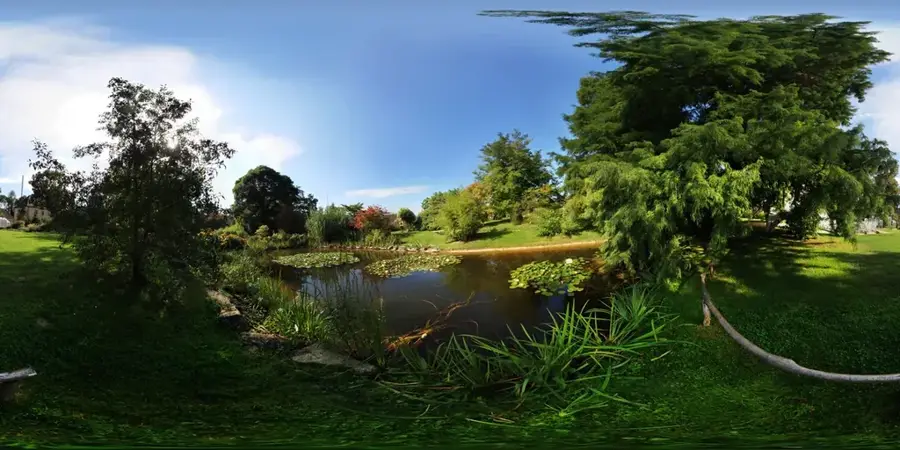
The Linz Botanical Garden, located on the Gugl hill, is considered one of the finest facilities of its kind in Europe, housing over 10.000 plant species across an area of approximately 4.2 hectares. Opened at its current location in 1952, it has evolved into a significant center for botany and horticulture. The garden is particularly famous for its outstanding collections of cacti and orchids, presented in specialized glasshouses. The grounds are thematically organized, including an alpinum, a rose garden, and departments for economic plants and medicinal herbs. Beyond its botanical diversity, the garden serves as a venue for cultural events such as open-air concerts and art exhibitions. A modern entrance building and a café provide additional comfort for visitors. By preserving rare and endangered plant species, the Botanical Garden makes a vital contribution to global biodiversity conservation. The harmonious design of the outdoor areas and the architecturally interesting glasshouses make it a year-round destination for nature enthusiasts and experts alike.

Best time to visit & climate

The most pleasant time to visit is Jun–Aug.

JanFebMarAprMayJunJulAugSepOctNovDec
Avg °C-3-228121618181383-2
Rain mm614659489711210910980604952

📋 Practical info

🧭
Getting there
Located on the scenic Gugl hill in Linz, this extensive garden is typically accessed by utilizing the reliable city bus network, which features stops very close to the main entrance. While driving a personal car is certainly possible, the public transit approach generally avoids the usual inner-city traffic and navigates the uphill routing effortlessly.
📅
Best season
A visit is generally highly rewarding at any time of year, as the impressive indoor greenhouses provide a warm, lush tropical environment even during the freezing Austrian winter. For exploring the extensive outdoor areas, the warm months stretching from late spring to early autumn typically offer the most spectacular floral displays.
⛰️
Terrain & paths
The garden usually features wide, meticulously maintained pathways that accommodate easy walking and are generally well-suited for visitors using mobility aids or pushing strollers. The grounds are typically distributed across gentle gradients typical of the Gugl hill, but navigating the various themed areas rarely presents any physical challenge.
🎒
What to bring
Everyday comfortable clothing and basic walking shoes are usually all that is needed to fully enjoy a standard excursion to this urban botanical attraction. Given the impressive collection of over ten thousand plant species, carrying a camera or a smartphone for photography is generally considered highly essential by most visitors.
🅿️
Parking
Some designated parking spots for cars are typically available directly near the garden's entrance, though these can become scarce during special events or busy holiday weekends. Utilizing the city's broader Park and Ride facilities and transferring to a local bus is usually a highly practical alternative when immediate spaces are full.
⚠️
Safety
Safety concerns are generally minimal in this highly manicured, secure environment, provided that guests consistently adhere to standard rules like not straying from the marked paths. Visitors are typically reminded to refrain from touching or harvesting any of the plants, particularly within the specialized greenhouse collections.
⏱️
Time needed
To thoroughly explore the massive outdoor botanical collections alongside the intricate greenhouse environments, visitors usually dedicate at least two to three hours. Those looking for a quick overview of the main highlights can generally complete a satisfying circuit of the facility in slightly over an hour.

Geography

Coordinates
48.30940, 14.28610

Facts

  • The garden is home to more than 10,000 different plant species.
  • It was officially opened at its current site in 1952.
  • The cactus collection, with 1,100 species, is among Europe's largest.
  • The total area of the botanical garden is approximately 42,000 m².
  • Five large greenhouses are dedicated to exotic and tropical plants.
  • The facility hosts over 50 cultural events annually.

Explore nearby

Notable places around

Route planner — Car & Motorhome

Where do you start? We build the route here, with stops and country notes along the way.

Vehicle
Only stops with (optional):

© OpenStreetMap contributors · OpenRouteService

Sights in the town Linz Botanical Garden (9)

Ars Electronica Futurelab / Roof

Roof of the Ars Electronica Futurelab in Linz, a viewpoint.

Ars Electronica Center🏛 museum

Museum in Austria, center for digital art and culture.

🕒 Tu-Su 10:00-17:00💶

Parish church Urfahr

Building in Upper Austria, parish church in the Urfahr district.

Stadtwerkstatt

Center of culture and communication in Linz, Austria.

Nibelungenbrücke

Bridge across the Danube in Linz, Austria.

Lentos Museum of Modern Art🏛 museum

Art museum in Upper Austria, successor to the Neuen Galerie der Stadt Linz.

Upper Austrian Literature Museum in StifterHaus

Center for literature and language in Upper Austria.

New City Hall

Town hall in Linz, Austria.

Salonschiff Fräulein Florentine

Salon boat in Linz, a pleasure vessel.

Sights nearby

Frequently asked questions

How much is the admission fee for the Linz Botanical Garden?
Admission for adults costs about 4 euros; discounts are available for children.
Are there greenhouses in the Botanical Garden?
Yes, there are five large greenhouses with tropical plants and cacti.
When is the best time to visit?
It is particularly beautiful in spring during the cactus bloom or in summer in the rose garden.
Can you park there?
Yes, there are parking spaces directly at the entrance on Roseggerstraße.
Are dogs allowed in the Botanical Garden?
No, dogs are unfortunately not permitted on the grounds of the Botanical Garden.
Linz Botanical Garden: where is it located?
Linz Botanical Garden is located in Upper Austria, Austria.
Linz Botanical Garden: what is there to see?
Highlights include Ars Electronica Futurelab / Roof, Ars Electronica Center, Parish church Urfahr.
Linz Botanical Garden: when is the best time to visit?
The most pleasant time to visit is Jun, Aug.
Linz Botanical Garden: why is it worth visiting?

The Linz Botanical Garden, located on the Gugl hill, is considered one of the finest facilities of its kind in Europe, housing over 10.000 plant species across an area of approximately 4.2 hectares.
View on map → The Top 50 Attractions → OpenStreetMap →
Europe
Explore with Plizio Discover more places in Europe
More places in Austria →

Nearby cities

History & landmarks

Nature

More places